 BURST
BURST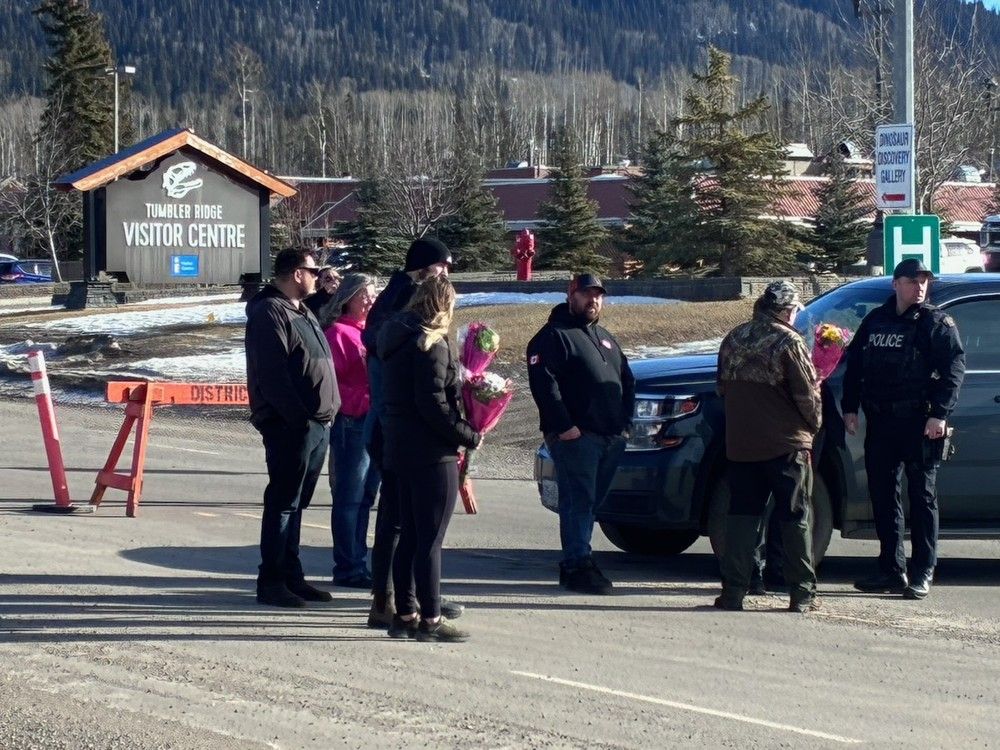
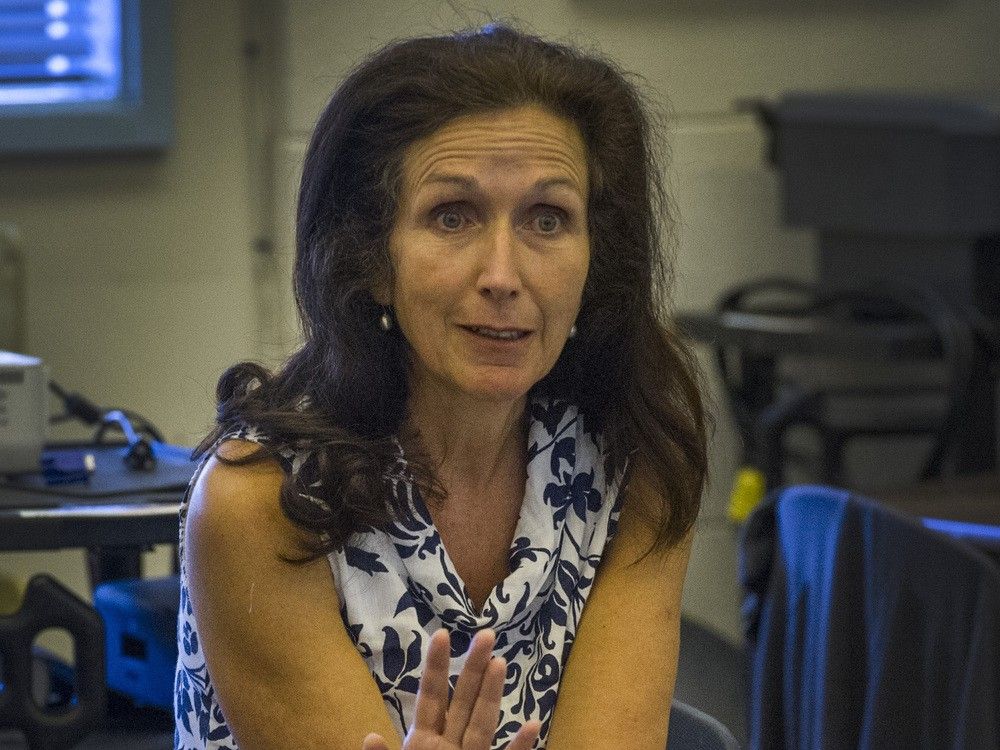
Although school shootings involving current or former students are rare in Canada, the tragedy in Tumbler Ridge this week demonstrates that we are not immune, says Brenda Morrison, an associate professor at SFU’s School of Criminology and author of “ Restoring Safe School Communities: A Whole School Response to Bullying, Violence and Alienation” .
Understanding what triggers a school shooting and knowing how to prevent such incidents can be difficult, and historical data shows a complex web of social and environmental factors.
Because school attacks are not as common in Canada as in the United States, they are not well studied here and are hard to predict, said Morrison.
Research studies conducted following deadly school violence that emerged in the 1980s and led up to the deadly Columbine High School attack in 1999 have looked for patterns of violence connecting these types of incidents.
While no single pattern emerged, research suggests a strong link between adverse childhood experiences such as maltreatment, alcoholism or mental health issues in the home, as well as marginalization and bullying.
“In all but one case, there was an experience of social marginalization, whether it be in the school or the community. Sometimes that was characterized as bullying in school,” said Morrison.
Isolated attacks in schools go back as far back as the 1800s in Canada, but the first mass school shooting occurred on May 28, 1975, in Brampton, Ont., when 16-year-old Michael Slobodian, a student at Brampton Centennial Secondary School killed a teacher and wounded 13 other people before killing himself.
News reports after that incident said Slobodian was “bent on revenge,” after a teacher called his mother to report he had been cutting classes. A student at the school told a reporter, “He seemed to have changed lately,” and his sister said that he was “fed up with life.”
Marc Lépine , who murdered 14 women at Polytechnique Montréal on Dec. 6, 1989, had an abusive father, and was socially withdrawn and ill at ease around women.
While student attackers may share mental health issues underpinned by early childhood trauma and exposure to violence, the U.S. Secret Service’s national threat assessment centre’s 2019 report concluded that there is no identifiable profile of a student attacker’s traits or characteristics, but “student’s behaviours, situational factors, and circumstances” are relevant.
Social marginalization is extremely hard to predict, said Morrison, because it is only understood from the perception of an individual. “Once you look back, you can sometimes see the signs. But you can only do it in retrospect,” said Morrison.
When, as is so often the case, those that are responsible for such attacks do not survive, the not knowing can become another trauma trigger for anyone left behind and experiencing great loss, said Morrison. “We are always asking why. If we can’t figure out why, it’s pervasive in our psyche.”

Prevention is more complex than simply putting a security guard at the door of a school.
Canada’s last mass school shooting occurred in 2016, in La Loche, Sask., when 17-year-old Randan Fontaine killed his two cousins at home, then went to school where he killed two teachers. A third teacher died from issues related to the shooting in 2023. Fontaine was sentenced to life in prison. An appeal bid was turned down by the Supreme Court of Canada after his lawyer argued that the sentencing judge did not fully consider his low IQ and fetal alcohol spectrum disorder.
La Loche’s Mayor Robert St. Pierre said at the time that his community would be defined by its resilience, not its tragedy.
“There is a tremendous loss in the community right now, so the focus needs to be on extending as much love and care and support as we can muster,” said Morrison. “Communities can fracture. We don’t want anyone left behind.”