 BURST
BURST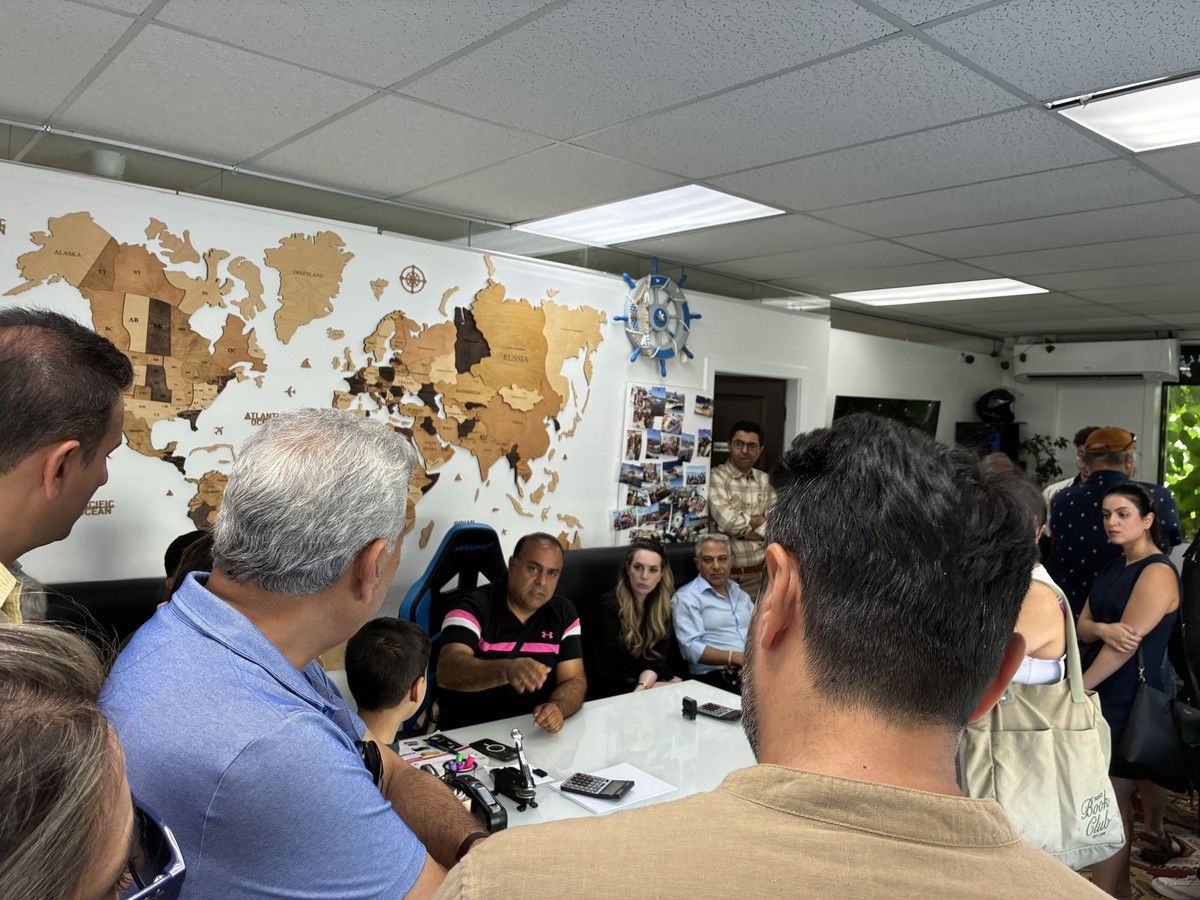
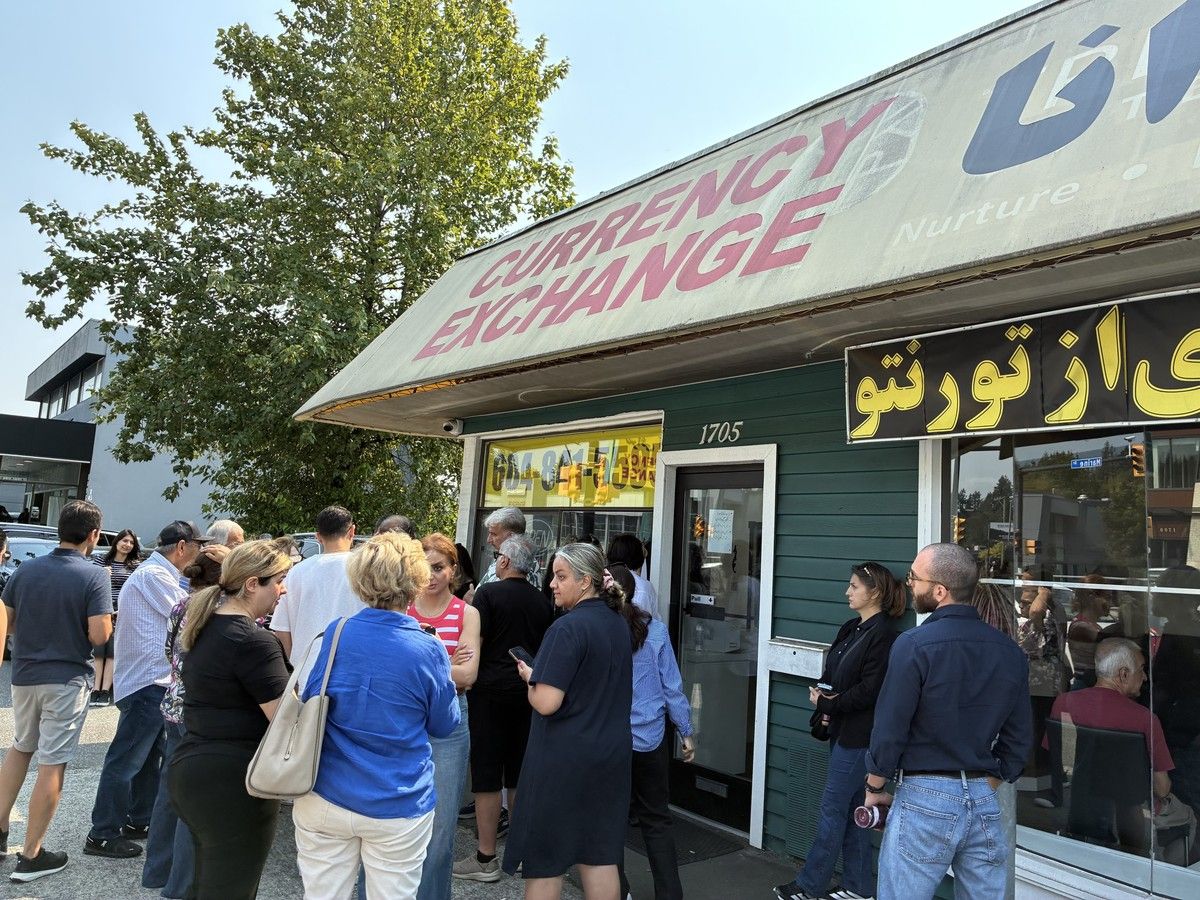
Hundreds of distraught customers of a North Vancouver business that specializes in moving money between Canada and Iran are demanding answers after the company suddenly froze all deposits, withdrawals and transactions.
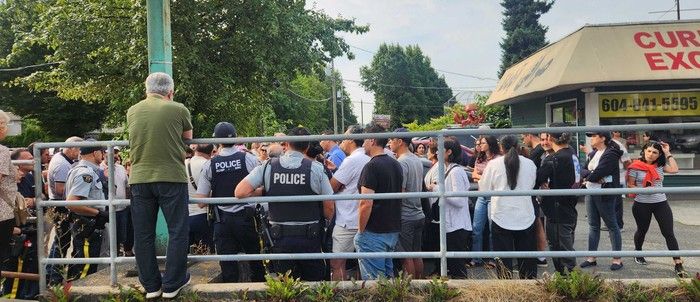
Postmedia was there earlier this week as dozens of customers filled the parking lot in front of Apadana Currency Exchange at 1705 Marine Dr. and then stormed into its office to grill the owner. Some of them said they had not received money they were expecting for covering household, tuition and health-care bills.
The owner acknowledges between 200 and 300 customers are owed between $4 million and $5 million.
The case offers insight into how members of the Iranian diaspora cannot use mainstream financial institutions to send to or receive money from Iran, and it highlights gaps in regulation of money services businesses in B.C..
“Now, I regret it. I should have been smarter. But life is hectic,” said Masoud Nazari, who was waiting to receive about $22,000, part of an inheritance intended to cover family expenses. “You trust there is a licence on the wall, and this business is on a main street in North Vancouver. It’s in the open.
“I’m one of the average losers at $22,000,” he added, adding that a friend had lost hundreds of thousands of dollars.
“People are sending or receiving money because they are moving to Canada or sending money for tuition or medical expenses. A young woman’s mom is in hospital and she has to pay bills and had been asking relatives to send money and now the money is gone.”
Canada joined many other countries in imposing economic sanctions against Iran in 2025. Those sanctions mean there is no direct way for currency exchanges in Canada to move funds to and from Iran. So they rely on informal networks that buy and sell Iranian currency in a third country.
The owner of Apadana, Hamidreza Karimi, told Postmedia that like most money-services businesses that facilitate personal payments to and from Iran, he uses a trusted partner in Dubai.
“We transfer money from Iran to Dubai, and from there to here. Because of some problems, especially the sanctions, the Dubai office that we used, they couldn’t pay our money there. That’s some part of our problem. We had other problems, too. I reached the point that I didn’t have enough liquidity to pay the people back.”
Karimi said he tried to manage by taking short-term loans from customers and paying them interest, but this wasn’t enough in the end, and on the weekend, he suspended activities.
He initially was going to declare bankruptcy, but, faced with crowds of angry customers, is now working with a committee of them to declare his assets and somehow find a way to repay them.
Dina Ser, the director of Hafez Exchange, one of the longest-running currency exchanges in North Vancouver, said 90 per cent of money-services businesses like hers use Dubai in the United Arab Emirates as a financial hub to buy and sell Iranian rial.
She said her company has also been facing volatility in the market, but it is the responsibility of money services businesses to understand their reserves and their partners, and to manage risks for customers.
Ser said she has long called for more regulation of the sector because there are few hurdles to opening a money-services business in Canada.
Even though they can handle large amounts of money, such companies are not covered under federal depositor insurance protection the way credit unions and banks are.
Money services businesses are required to be registered with Fintrac, the federal body that monitors transactions involving banks, real estate agents, casinos and money services. Those that are registered with Fintrac are, among other things, required to ‘know your client’ — verify the identities of customers — and report large transactions.
A search of the Fintrac registry shows that Hafez Exchange is registered, but it has no listing for Apadana or its North Vancouver address. Karimi, however, says his business is registered.
As Postmedia reported earlier this month , the B.C. government passed legislation in 2023 intended to provide oversight over money-services businesses with the goal of combating money laundering, but regulations setting out the rules and penalties have not been worked out and there is no deadline to complete them.
North Vancouver RCMP, who kept watch as customers gathered outside the Apadana exchange over the weekend, confirmed in an email it had received complaints of fraud and were in the early stages of investigating.
Tempers were short this week as some Apadana customers hurled insults at Karimi, the owner, criticizing his actions and poking holes in his explanations.
“He was still getting money from us up until a few days ago. He knew he was going to go bankrupt and yet he still was getting money and he said he had some debts that he needed to pay off,” said one woman named Saba, who declined to give her full name.

Another man named Saied, who also declined to give his full name, said he thought the money owed and the number of customers involved could be more than what the owner is acknowledging as more than 400 people have joined one of the WhatsApp groups.
“The question is, ‘Where is all our money?'”
He said there was a similar situation last year at another currency exchange company in North Vancouver that sends and receives money from Iran.
He lost money at that exchange and at Apadana.
“This happens repeatedly because we don’t have good rules for that.”
Apadana customers are collecting details on who is owed how much and looking into the owner’s other businesses in Vancouver, which Karimi acknowledges include a hair salon, a coffee shop and a yacht-renting company, as well as his real estate assets, trying to figure out if there is any way they can recoup their losses.