 BURST
BURST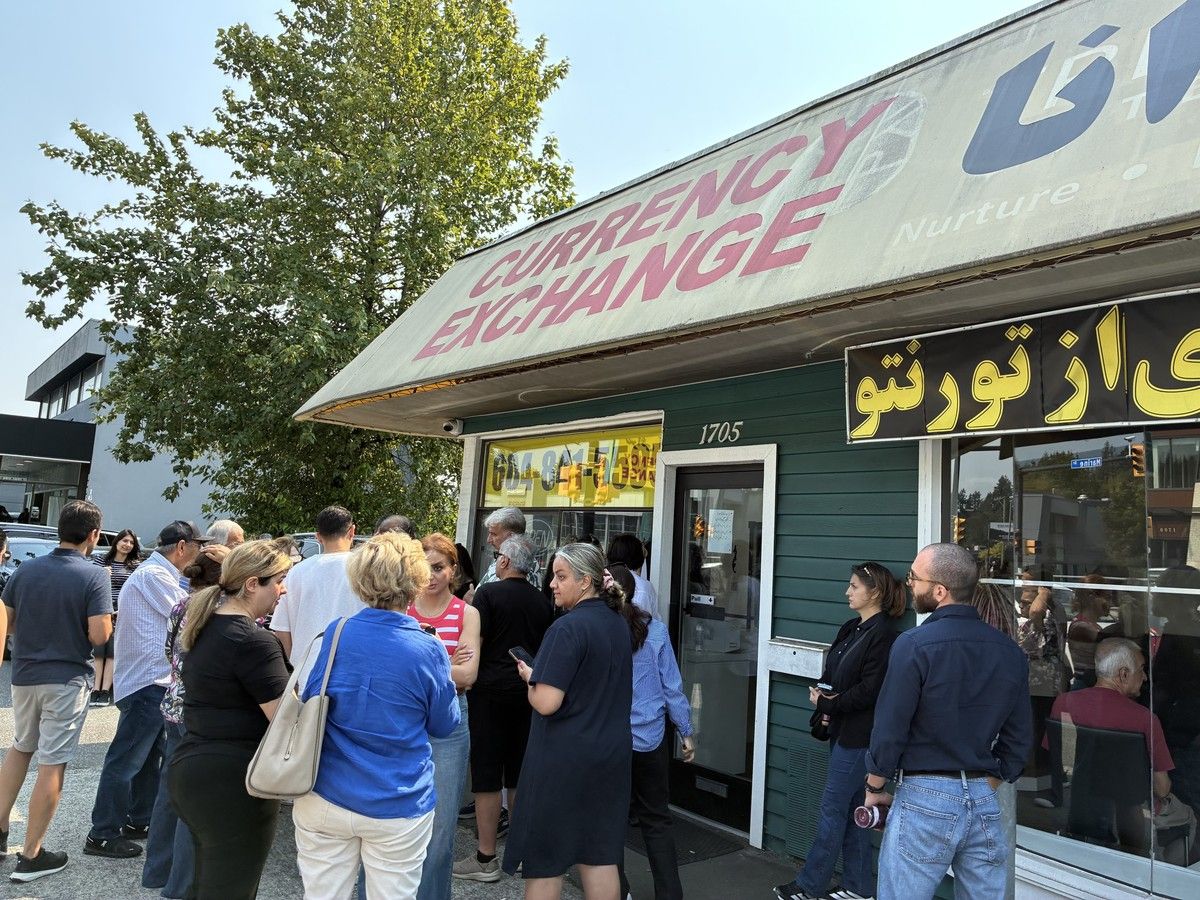
Hundreds of customers of a North Vancouver currency exchange who are out as much as $5 million have few options to recover their money.
Funds in so-called money-service businesses are not protected in the way they would be in banks or credit unions, which means customers are left to try to get their money back from the company directly or through a lawsuit, according to experts and the B.C. government.
The federal agency that oversees registration of money-service businesses, which includes currency exchanges and operations that send money outside of Canada, can investigate and levy fines or revoke a business’s registration. But Fintrac does not have the legal authority to freeze, seize or return customer funds.
“You can sue,” said Jeffrey Simser, a lawyer and leading expert on asset forfeiture and anti-money-laundering law.
But if you are owed small amounts it may not be worth the effort, said Simser, a former legal director with the Ontario Ministry of the Attorney General and the author of books on civil forfeiture and anti-money-laundering laws.
Hundreds of customers of Apadana Currency Exchange at 1705 Marine Dr., which specializes in moving money between Canada and Iran, have been demanding answers since the company suddenly froze all deposits , withdrawals and transactions.
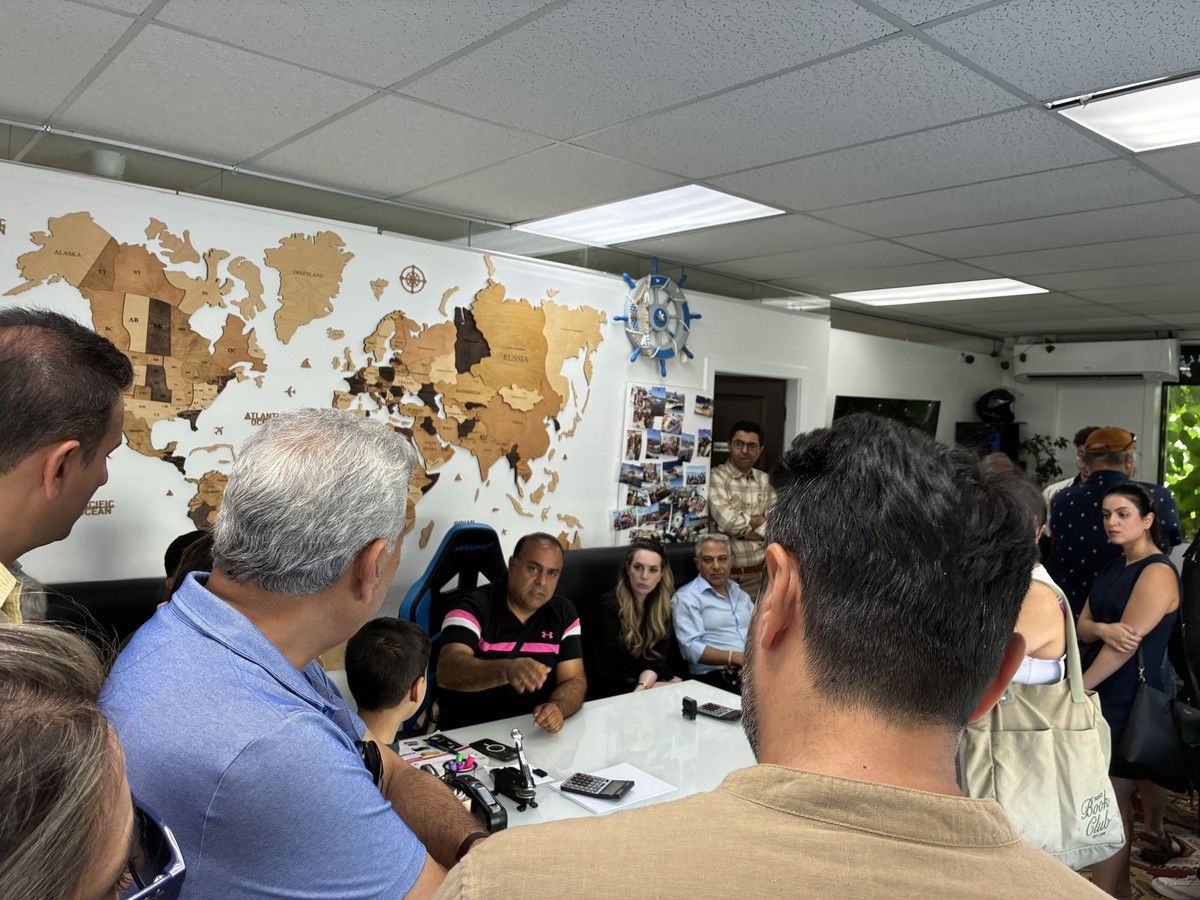
The owner of Apadana, Hamidreza Karimi, has acknowledged between 200 and 300 customers are owed between $4 million and $5 million. Karimi has said he is working with a committee of them to declare his assets and somehow find a way to repay them.
Currency exchanges are supposed to be registered with Fintrac, and Karimi has told Postmedia his business is registered.
On Thursday, Fintrac officials said Apadana Currency Exchange is not registered as a money-services business. Fintrac would not say if it was investigating.
At least two people have already filed small claims lawsuits against Apadana Currency Exchange for a total of more than $12,500. One client of the exchange had told Postmedia his friend lost hundreds of thousands of dollars.
B.C. Finance Ministry officials say options may include requesting the return of money, filing a lawsuit or filing a claim if the business seeks bankruptcy.
“Consumer funds in MSBs are generally not protected like they are at deposit-taking financial institutions,” said the ministry.
Premier David Eby’s government has said it intends to regulate money-services businesses because they can become conduits for money laundering.
But more than three years after the B.C. government passed the Money Services Business Act, the regulations that set out the rules and penalties have not been created. Those regulations are still to be worked out, and no deadline has been set, Postmedia reported earlier this month.
“This is an example of why maybe the B.C. government needs to get on with the issue,” said Simser.
The idea is for the B.C. Financial Services Authority — a regulator that has oversight over credit unions and real estate services — to have investigative and enforcement powers over money-services businesses.
The agency did not immediately respond Thursday to questions of whether it has any oversight now and if it was investigating the Apadana Currency Exchange.

Ron Usher, a former general counsel for the Society of Notaries Public of B.C. who has testified at money-laundering inquiries in B.C., said money-services businesses operate in a gap in regulatory oversight, auditing, and assurances that clients can recover money.
“There are good ideas, but governments implementing them seems to be the real challenge,” said Usher.
Such oversight and assurance, for example, covers notaries and lawyers, he said.
According to a search of Canada’s corporate registry, Apadana Currency Exchange Inc. was incorporated as a federal business at the Marine Drive address in 2021 but was dissolved in March of 2024 for non-compliance under a section of the Canadian Business Corporations Act that includes failing to file annual reports.
No company with the name of Apadana Currency Exchange is listed as a B.C. incorporated company, according to a search of the B.C. Registry Services.
Another business at the Marine Drive address, Peace of Mind Cash Transportations Services inc., a federal company that lists Karimi as its only director, was incorporated in 2023 and was dissolved for non-compliance in October 2025.
The move to regulate money-service businesses in B.C. is a result of recommendations from several inquiries.
Four years ago, the B.C. government-commissioned Cullen inquiry into money laundering concluded that money-services businesses pose a significant money laundering risk and should be regulated by the province.
Two earlier B.C. government-commissioned reports — former RCMP deputy commissioner Peter German’s 2018 report into money laundering in casinos and a 2019 report into money laundering in real estate — made similar recommendations to regulate money-services businesses.