 BURST
BURST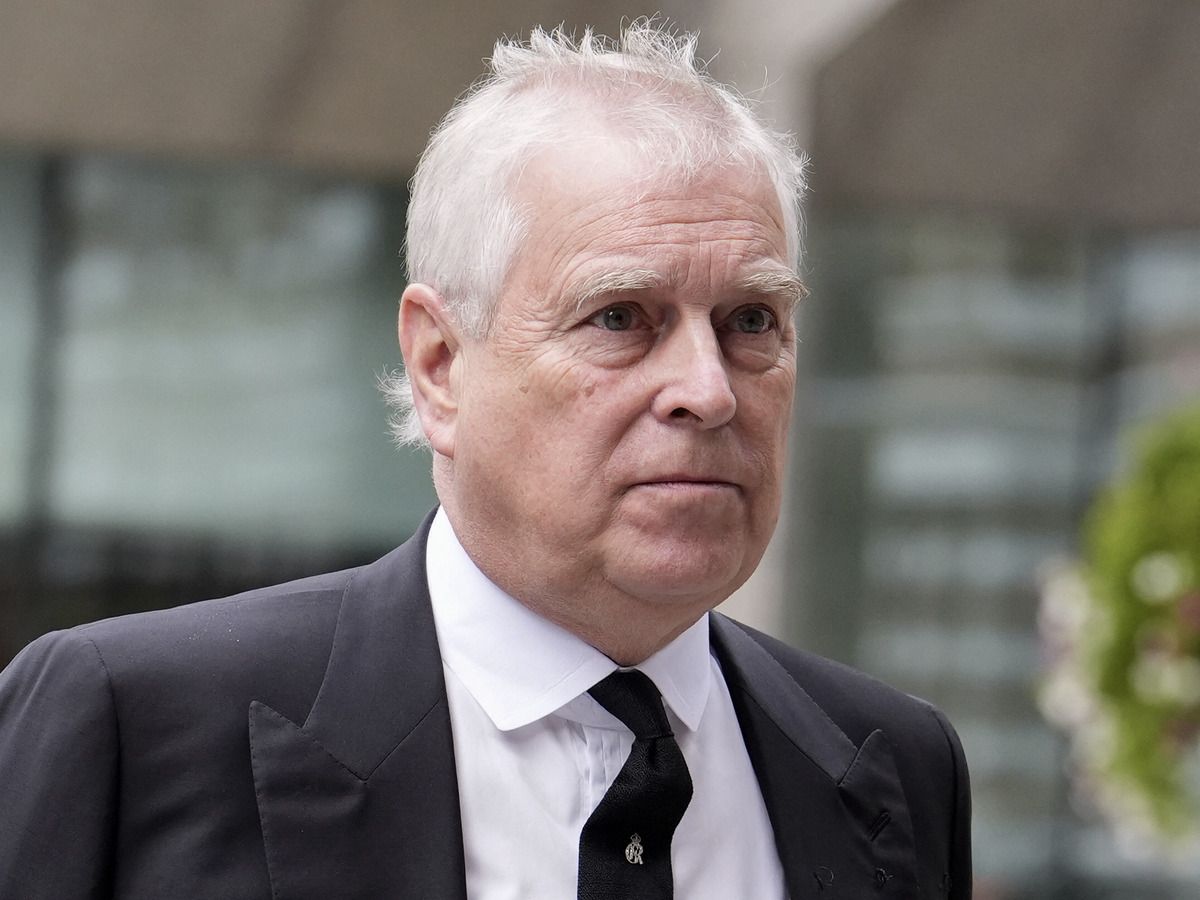
A vast majority of Canadians — including the prime minister — think that Andrew Mountbatten-Windsor, brother to King Charles III, should be removed from the line of succession to the crown. It’s a position Andrew still holds in spite of having been stripped of his royal titles, something that happened even before his arrest last month on suspicion of misconduct in public office.
The Angus Reid Institute polled more than 1,600 Canadians, asking: “If it were up to you, would you support or oppose removing Andrew from the line of succession?” Almost three-quarters (73 per cent) said they would strongly support the move, while another 11 per cent would moderately support it.
Only three per cent moderately opposed the move, while four per cent said they strongly opposed it. A further 10 per cent said they were unsure.
Prime Minister Mark Carney added his voice to the debate over the weekend. Speaking to reporters in Tokyo, Carney said of Andrew: “I certainly think his actions are deplorable and have caused him to be stripped of his royal titles. It merits — necessitates is a better word — his removal from the line of succession. Even though he is well down the line, the point of principle stands.”
Carney’s remarks came a day after he met with Australian Prime Minister Anthony Albanese, who wrote a letter to British Prime Minister Kier Starmer last month on the subject.
“My government would agree to any proposal to remove him from the line of royal succession,” Albanese wrote.
Australia also decided, upon the death of Queen Elizabeth II, not to replace her image with that of King Charles III on its $5 note, though he remains the “head” on Australian coins. Canada has chosen to put the King on the $20 bill but says those notes won’t start circulating until next year.
The Angus Reid poll also found that a large number of Canadians see the monarchy as irrelevant, and have for some time.
To the question “Thinking about the royal family, how relevant is it to you personally these days?” just over half of Canadians (51 per cent) said it was no longer relevant at all. Another 26 per cent said it was becoming less relevant, while 21 per cent chose “as relevant as it used to be.”
Just two per cent said it was more relevant than ever. All these percentages have remained relatively flat over the last five years of polling by the institute.

Over the longer term, Angus Reid pulled data from several different polls over almost 50 years to chart Canadians’ change in opinions on the monarchy. An Environics poll in 1978 found that 55 per cent of respondents thought Canada should continue as a constitutional monarchy for generations to come, against 37 per cent who were against the idea, and eight per cent who weren’t sure.
But in the latest survey from Angus Reid, only 29 per cent of Canadians were in favour of the idea of a long-lasting constitutional monarchy, while almost half (47 per cent) opposed it. Meanwhile, the component that said they were unsure had risen to 24 per cent.
Removing Andrew from the line of royal succession would be more of a token gesture, since the 66-year-old is only eighth in line to the throne, after Prince William, his three children, Prince Harry, and his two children.
It would also be a complicated move. According to the British Parliament, an individual can only be removed from the line of succession by legislation, which would require the consent of 14 countries that still have Charles as their king. That includes Canada.
The Angus Reid poll was conducted online from Feb. 24 to Feb. 26, 2026, among a randomized sample of 1,607 Canadian adults. A probability sample of this size would carry a margin of error of plus or minus two percentage points, 19 times out of 20.
Our website is the place for the latest breaking news, exclusive scoops, longreads and provocative commentary. Please bookmark nationalpost.com and sign up for our daily newsletter, Posted, here.