 BURST
BURST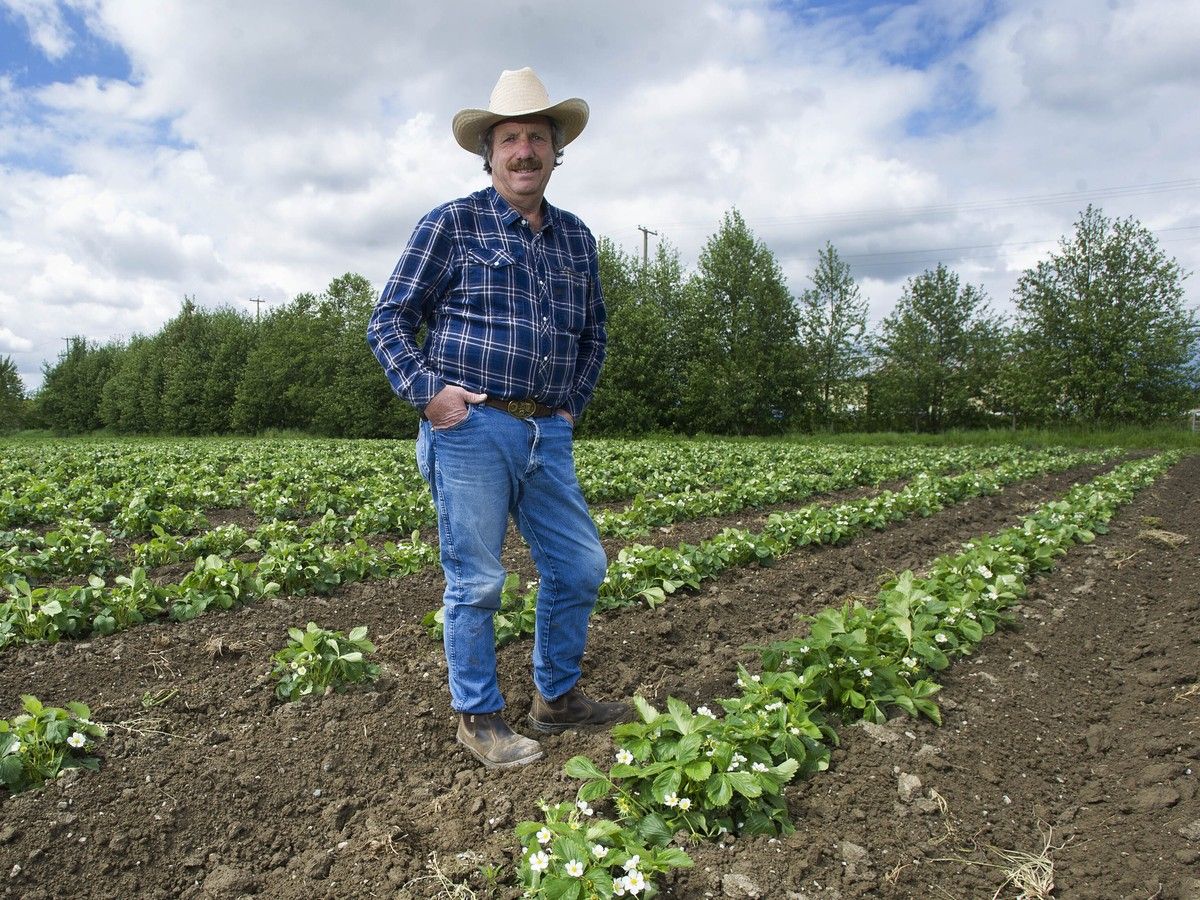
A new Metro Vancouver report shows that farmers, farms and farmland have all declined across the region during the past 25 years — a revelation that comes as little surprise to farmers who have seen costs grow as profits wither.
“When I got into agriculture in the mid-’70s, starting out on my dad’s little farm, I felt like I had the wind at my back,” said Bill Zylmans, a retired strawberry and vegetable farmer who continues to head the B.C. Potato and Vegetable Growers Association.
The return on his harvest was enough to allow him to buy more land, increase crops, and turn a profit. At one time, he was farming 243 hectares (600 acres) in Richmond.
But those days are gone, he says. Today’s farmers have “the wind in their faces.”
Metro Vancouver’s agriculture data update, which is set to come before the regional planning committee on Thursday, doesn’t identify a single cause for the shift. But almost every measure it uses to judge the health of the sector shows cause for concern.
For example, the number of farm operators in Metro Vancouver plummeted 39 per cent between 1996 and 2021, with more than two-thirds of farmers now over age 55.
In 1996, about 55 per cent of farm operators were in the 34-to-55 age group, according to the data, which was drawn from Statistics Canada’s 2021 census of agriculture. Twenty five years later, that number had shrunk to 27 per cent, while farmers over 55 made up 69 per cent of operators.
“This comparison clearly demonstrates the lack of a next generation to support agricultural production in the region,” the report notes. “This will increase the need to import more of the region’s food, particularly from the United States and Mexico, and decrease the overall resilience of the region’s food system.”
Zylmans recalled sitting down with his own children to talk about farm succession. They had grown up watching him “work way too hard, putting in more and more hours for less return,” and decided to pursue other paths.
“The dream isn’t as vivid,” he said. “There’s too much uncertainty. You could borrow millions and it could be gone tomorrow.”
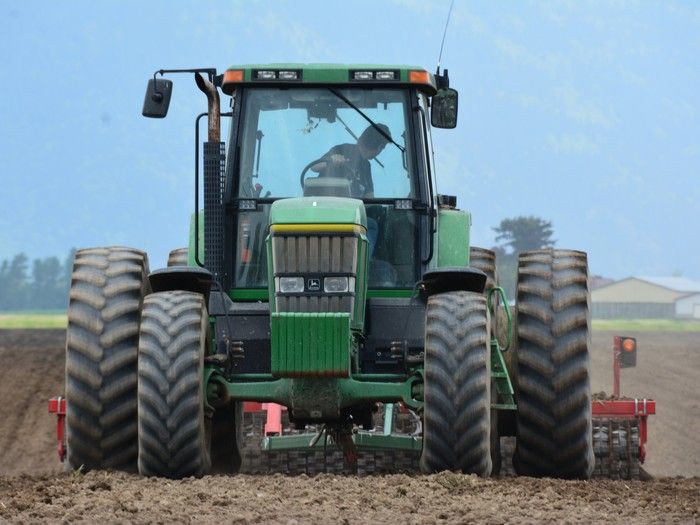
The high cost of land in the region has contributed to a 39 per cent decrease in the number of farms in Metro Vancouver, according to the report, with a 12 per cent drop in farms in the last five years alone.
Carla Stewart, the planner responsible for the Metro Vancouver report, cautioned the data requires a “deeper dive” to understand if the loss of farms and farmland has accelerated in recent years. The regional district is working on data that will incorporate information from the provincial agricultural land use inventory later this year.
But she said the numbers clearly show the sector is “facing challenges.”
In addition to the loss of farmers and farms, Metro Vancouver is also losing farmland. Farm area is down by 13 per cent, a reduction in area about 13 times the size of Stanley Park, despite the protection offered by the provincial farmland reserve. Again, the greatest decrease occurred over the last five years.
“This rapid decline over the past five years coincides with the sharp increase in encroachment of urban uses into agricultural areas, particularly permitted non-farm uses such as residential construction and capital roadworks,” says the report.
Delta MLA and Conservative agriculture critic Ian Paton pointed to the 2023 removal of a site in Surrey for a SkyTrain operations and maintenance centre.
The region’s farmland continues to be eroded, while funding for agriculture and the farmland commission has “flatlined,” he said. “The Agricultural Land Reserve really needs an overhaul.”
Paton said the issues facing agriculture in Metro Vancouver, and B.C. as a whole, include extreme weather — such as flood, fire and drought — the rising cost of inputs like seed, fertilizer and feed, the high cost of land, and uncertain returns linked to trade disruption and global market forces.
“Farmers are feeling the stress, the volatility, the risk, and the huge amounts of money that it takes. And they’re asking, is it worth it to carry on?” he said.
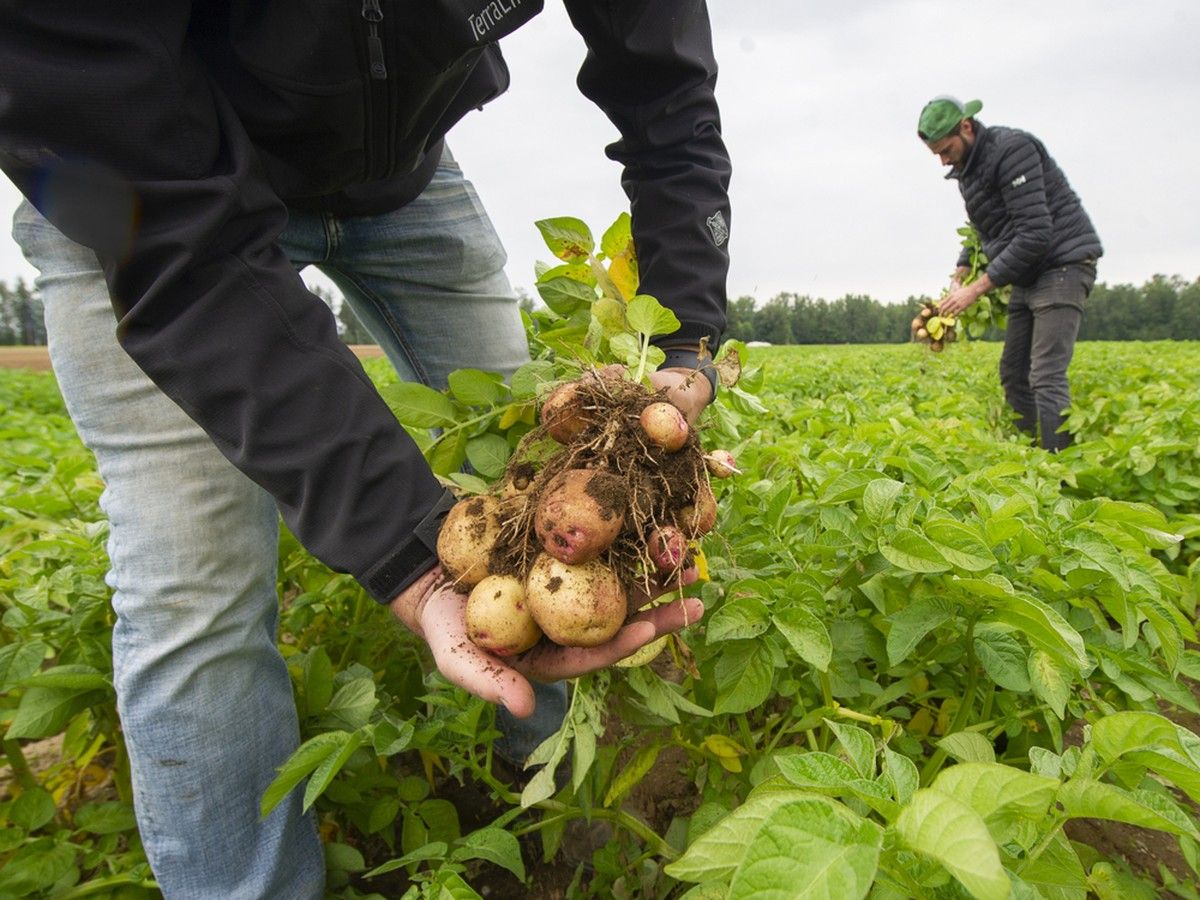
Zylmans said he has asked himself the same question numerous times.
When he was growing broccoli, he remembers being unable to compete with broccoli grown in China, where the cost of production, labour and food safety standards are lower.
The farmer would like to see more government support to help with the cost of fuel, insurance and environmental restrictions.
“People are shocked by the price of cauliflower in the grocery store, but they don’t understand that the farmer doesn’t get that,” he said. “The farmer still gets 1980s prices.”
But he admitted, “There’s no quick fix.”