 BURST
BURST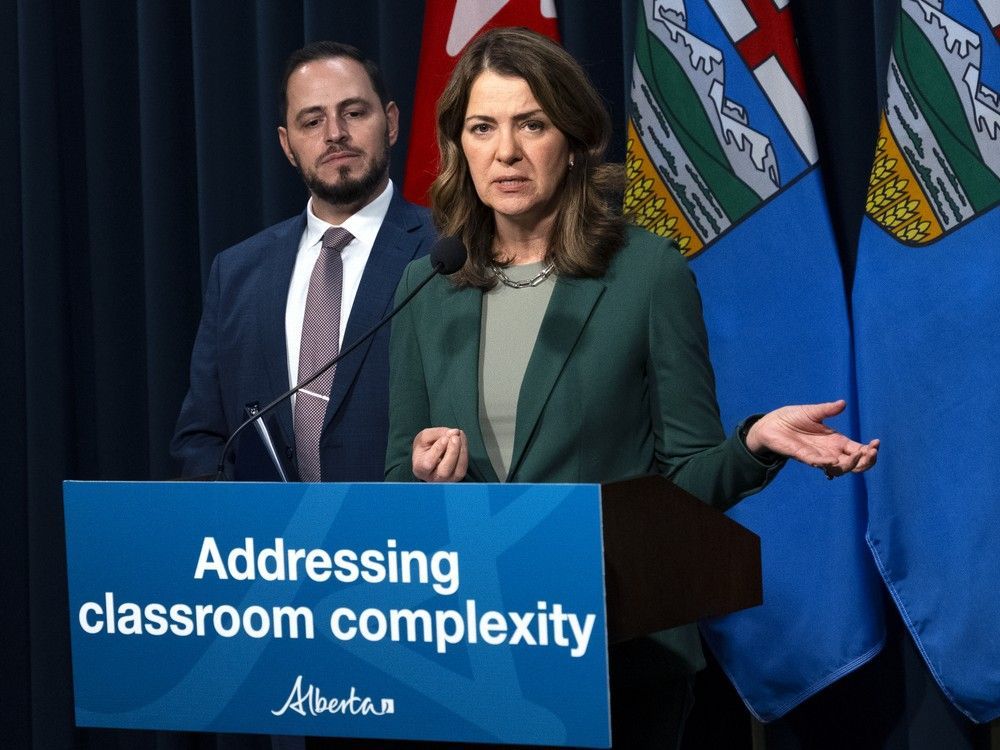
Overcrowded classrooms, schools operating in “crisis mode” and mounting aggression in classes are only some of the key issues highlighted in a report released by a group commissioned by the province to address aggression and complexities in Alberta’s classrooms.
The report, released Friday, outlines seven recommendations, some of which are already being acted upon, Premier Danielle Smith said at a media briefing.
The recommendations include designing a new inclusive education policy framework, ensuring access to a continuum of supports, a focus on collaboration within inclusive learning environments, and ensuring transitions and supports. The province also outlined a focus on early intervention programs, strengthened pre-service programs and enhanced ongoing professional learning and capacity building.
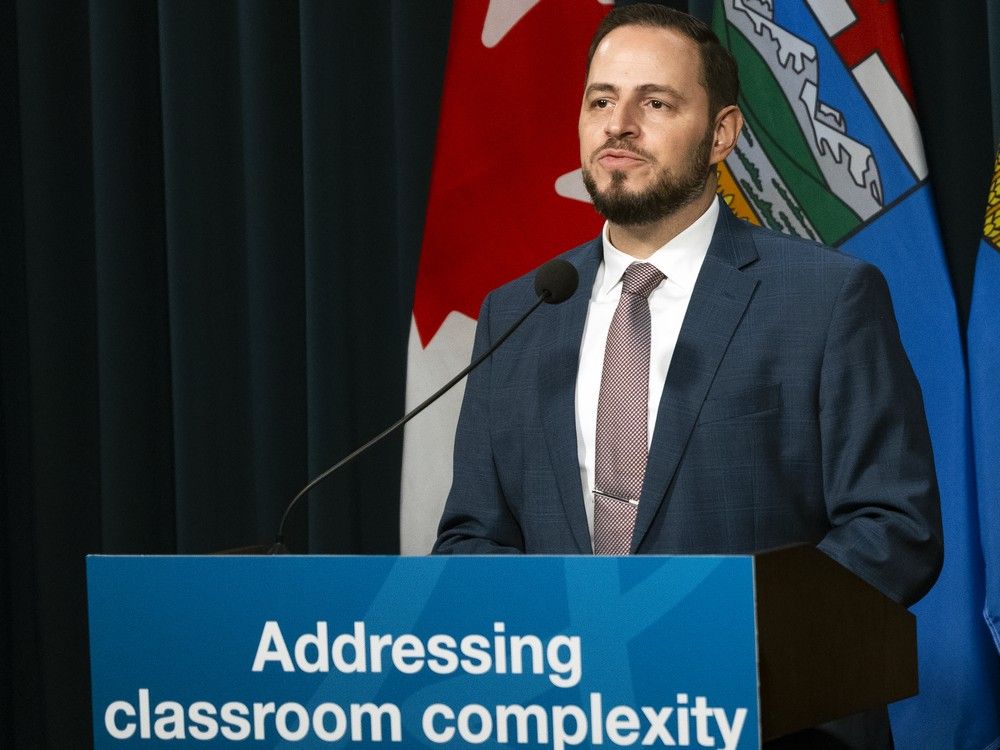
“These recommendations are not just ideas,” said Education Minister Demetrios Nicolaides. “They represent the experiences of teachers and others who work in classrooms and support students.”
The province has also established a Class Size and Complexity committee, co-chaired by the premier and education minister, with a first meeting held Nov. 13. The committee, Nicolaides stated, has been collecting data from school boards on classroom sizes with a promise to publish them annually from January 2026 onward.
This isn’t the first time the province has chaired a committee that produced a report addressing classroom complexities. Following the provincial teachers’ strike in 2002, the then-Progressive Conservative government struck the Alberta Commission on Learning. In 2003, the commission released provincial guidelines on classroom sizes, stronger focus on early intervention and kids with special needs, sustainable funding and stronger accountability.
In October, Alberta Teachers’ Association President Jason Schilling told the Herald the recommendations made then reducing classroom sizes and teacher workload were either ignored or not acted upon.
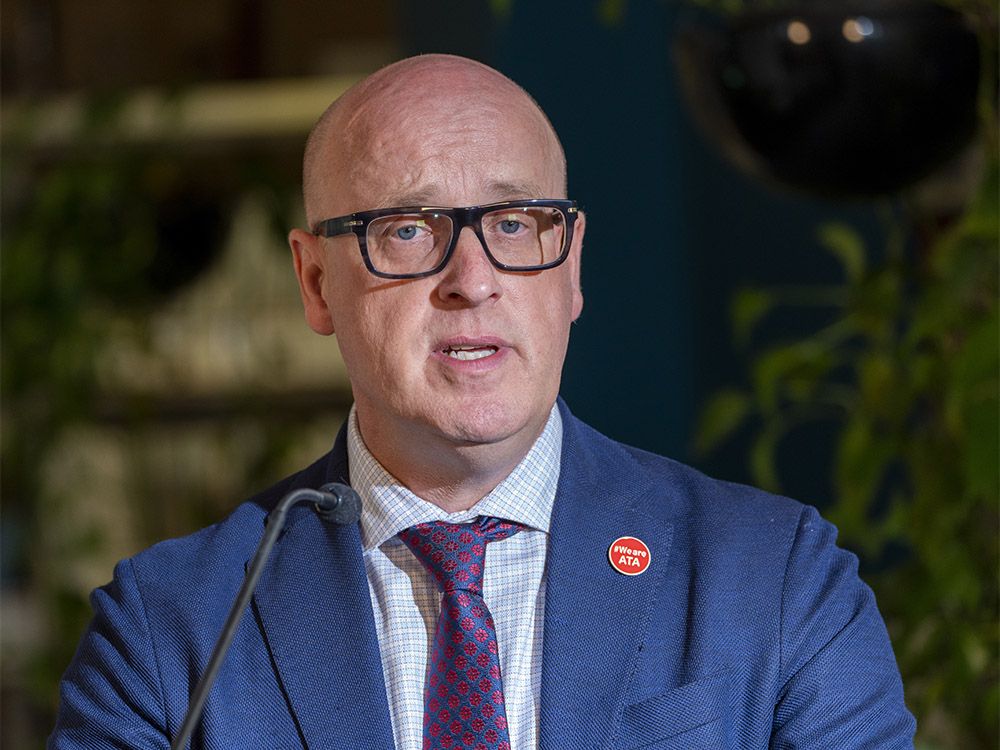
“They never did anything about it,” Schilling said. “They never put it into policy.
“(Teachers) have seen this task force . . . and not seeing real solutions that will affect their schools in a positive way come about.”
The premier said the province is in an “unprecedented situation.”
“In this last three years where we have had all of the (COVID) restrictions taken off, all of the immigration streams, that has resulted in a massive surge of people coming here, including a massive surge going into the schools,” she said. The stories of classrooms wherein majority of the students are language learners or increasing levels of aggression against teachers . . . these are the reasons why we need a different approach,” she said.
The province will be “keeping an open mind,” whether that means revising the 2004 special-needs guidelines or taking inspiration from other jurisdictions, such as Saskatchewan, which has also implemented similar recommendations for their own classrooms.
It’s unclear when and if teachers will see a reduction in classroom sizes. Smith said the province will rely on data collected from school boards and use the 2003 classroom size guidelines for optimal student-to-teacher ratios. Work on a strategy could begin as early as December, with the bulk of it expected in the new year.
The province will also create a teachers’ advisory council, headed by Nicolaides, “to ensure the government hears directly from teachers.”
In a media briefing later in the afternoon, Schilling questioned the need for a council.
“I don’t know why the minister would create an extra council to get feedback from teachers when there are thousands of teachers who are willing to work through their association and give them feedback,” he said.
The report, he stated, outlined what the union and teachers have been talking about for months.
“This section is a damning representation of the systemic underfunding that has led us to this crisis in education, that government continually fails to take responsibility for,” he said. “So, yes, we welcome many of the recommendations, because we raised the alarm on them when they were cut or eroded.
“But make no mistake, Alberta does not need another report that gathers dust on a shelf in the minister’s office,” he said. “We expect this government to take the recommendations and put them into practice — not someday, not when it’s convenient and not as optional guidelines.
“And let me be perfectly clear, we also expect government to fund these recommendations so that they are sustainable in the future.”
NDP education critic Amanda Chapman said she found the report “comprehensive” and a step toward addressing complexity needs in the classroom.
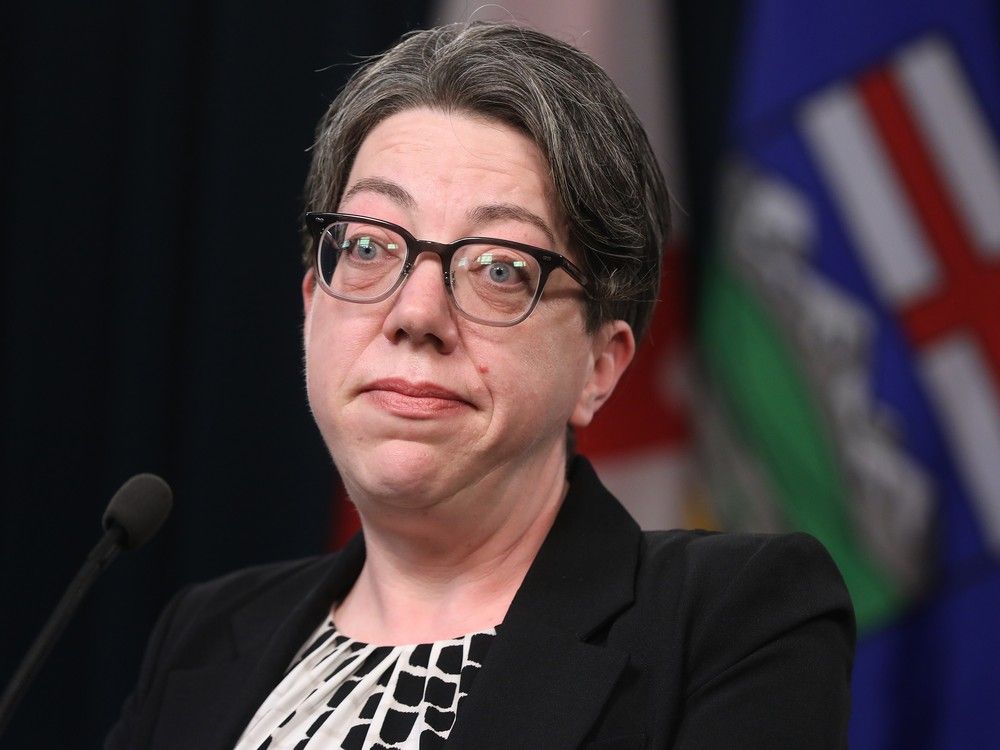
However, she said the province did not address funding needs to implement the recommendations. “We would actually need to see government put additional dollars, additional resources into the classroom,” Chapman said. “I didn’t hear that from the government today.”
Nicolaides said the current funding model is being reexamined, but didn’t offer details on what changes could be made.