 BURST
A reduction in punitive American duties on Canadian softwood lumber comes as little relief to B.C. producers as the underlying Canada-U.S. trade dispute continues to drag on, according to B.C.’s key industry group.
The U.S. Department of Commerce confirmed this week combined duties and additional tariffs imposed by U.S. President Donald Trump of just under 35 per cent on Canadian lumber exports, down from rates that totalled 45 per cent over the previous year.
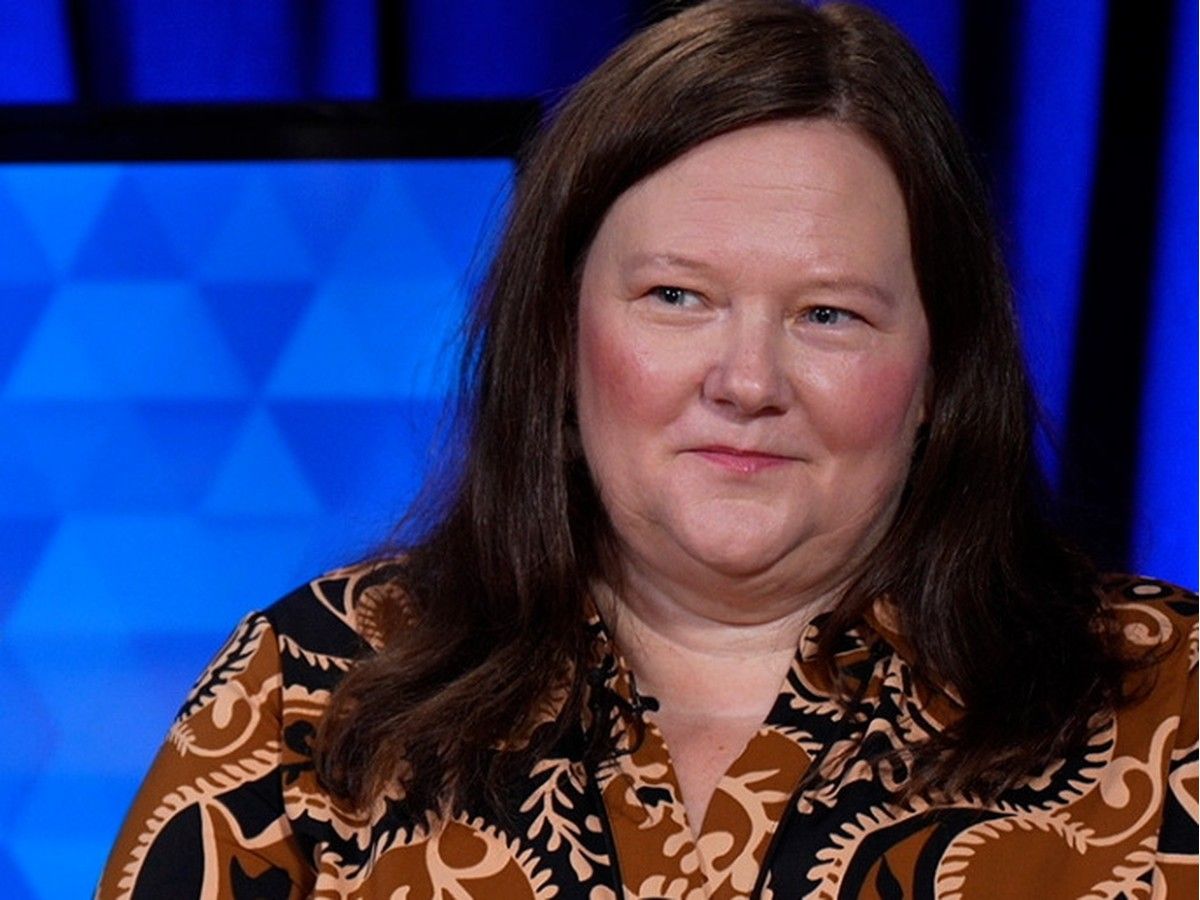
Duties and tariffs, however, still “place a significant burden on Canadian lumber producers,” said Kim Haakstad, interim president of the B.C. Lumber Trade Council, which represents the interests of B.C. companies on trade issues.
“Down is better than up. But we live in a world where the softwood lumber duties are just one piece of the import barriers to the United States that exist for forestry companies.”
Besides punitive duties as part of this round of the softwood lumber dispute, which has dragged on into its ninth year, Haakstad said that since September the U.S. has layered 50 per cent tariffs onto wood products not captured in softwood lumber duties.
Haakstad added that the biggest challenge presented by the duties and tariffs is that it leaves wood producers “not really knowing what the cost would be when you make a product and then send it to market,” almost 10 years since the last Canada-U.S. softwood lumber agreement expired.
In the meantime, the U.S. has collected some US$8.6 billion — C$12.2 billion — in duties under the softwood lumber dispute alone, which remain on deposit collecting interest, according to a research note to clients from CIBC Capital Markets.
The CIBC research team also noted that with Canada and the U.S. now focused on broader trade tensions, “we believe the current lumber dispute is unlikely to take priority in the short-term,” with both sides in the dispute showing few signs of moving in the direction of a resolution.
Haakstad added that the duties, and now tariffs, continue to weigh on an industry in which 21 mills have closed since 2023.
“Every day without additional certainty with the U.S. is challenging for us,” Haakstad said.
For decades, U.S. lumber producers have argued that Canada’s forest industry has been subsidized through the methods provinces have used to charge for the rights to harvest timber on Crown land.
However, Haakstad said American market data shows that its industry doesn’t produce enough lumber to meet demand for new U.S. homes, which makes the Commerce Department’s duties “unjustified and punitive,” and only serve to inflate construction costs for U.S. consumers.
A frustrating element for Canadian producers is that the spruce, pine and fir lumber they mill isn’t directly interchangeable with the key U.S. product, lumber milled from southern yellow pine, Haakstad said. Builders tend to use spruce pine and fir lumber to frame walls, for instance, and use southern pine in roof trusses and beams. So duties just layer costs on American housing, she added.
In B.C., Haakstad said she was surprised that forestry hadn’t really come up as a provincial election issue until Wednesday when the NDP released a platform statement that set out campaign priorities for manufacturing and employment support. The measures, however, don’t appear to address reducing the red tape that the Council of Forest Industries, which Haakstad also heads, has been asking for.
“We want to be able to compare the Conservative forestry platform against what we’ve seen from the NDP and Greens,” Haakstad said. “I think that so far, what I’m not seeing is a clear plan to address the deepening crisis in the forest sector.”
She added that the election call might have delayed important measures that have been proposed, such as the NDP’s promise to reduce fuel taxes that “would be a massive help to us right now, today.”
Haakstad said that “we’ve got to get to managing down” some of the layers of bureaucracy that have added costs to harvesting timber.
“We’ve got to stem the tide of mill closures and job losses,” she added.