 BURST
BURST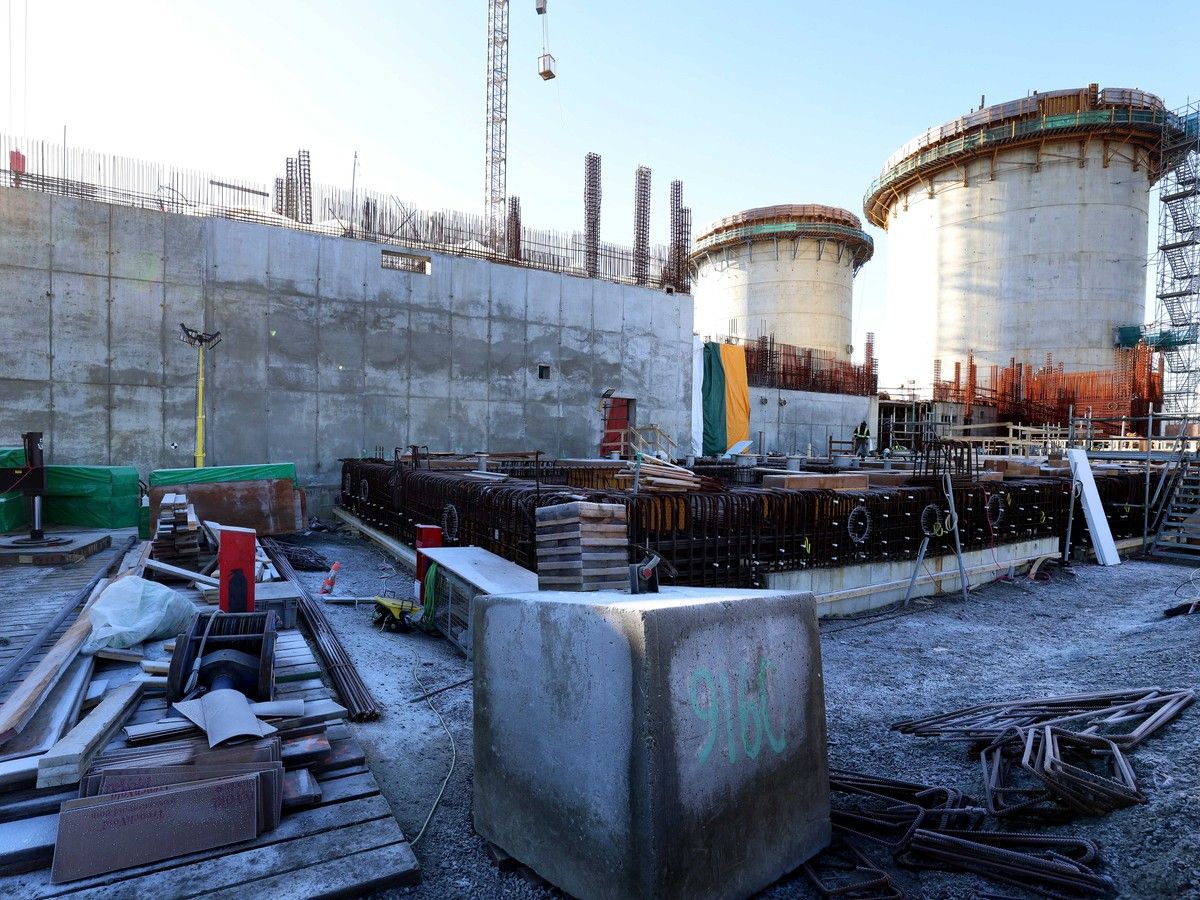
When the city and district of North Vancouver were told in 2017 that a new r egional wastewater treatment plan would cost $700 million, they agreed to pay their fair share.
Now, almost a decade later and at a cost of $3.86 billion , the mayors of those two municipalities are saying enough is enough.
On Thursday, City of North Vancouver mayor Linda Buchanan and District of North Vancouver mayor Mike Little met with B.C. Premier David Eby demanding a public inquiry into cost overruns at the North Shore Wastewater Treatment Plant, and an end to a specific system of borrowing.
“We are not disputing the (cost sharing) formula for the original budget of $700 million,” Buchanan and Little said. “We are disputing Metro Vancouver treating a cost-sharing formula like a blank cheque.
“When Metro Vancouver approved its cost-sharing formula, municipalities could calculate their own costs from a defined budget and scope. There was no open-ended commitment to absorb whatever cost overruns Metro Vancouver incurs, no matter how far a project drifts.”
As it stands, North Shore residents will be expected to pay an extra $590 a year in property taxes for the next 30 years to cover the project cost. While those costs are shared by municipalities across the region, North Shore residents are responsible for 37 per cent of the total cost.
Buchanan and Little said they told Eby that local governments must meet strict guidelines when taking on significant long-term debt, while Metro Vancouver can simply commit to the debt and pass the cost on to its members.
Metro Vancouver is a regional district representing 3.1 million residents from 21 municipalities, the Tsawwassen First Nation and Electoral Area A. Since COVID-19, its operating and capital budget has grown rapidly to $3.2 billion in 2024.
“Metro Vancouver’s sewerage borrowing operates under a different framework, a provincial statute that allows Metro to borrow and then assign the debt to member municipalities. No direct elector vote is required from the communities who will carry that debt for a generation,” the mayors said.
“Our residents bear the financial burden of Metro’s borrowing decisions without the democratic safeguards that provincial law otherwise guarantees. That is a fundamental accountability gap.”
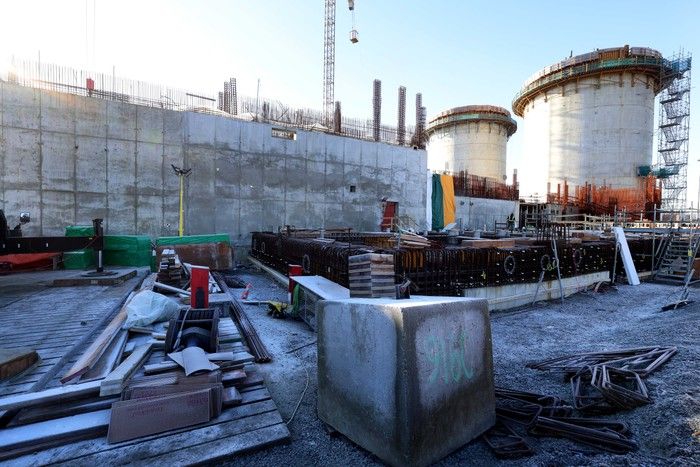
On top of calling for a change in the way Metro Vancouver manages its debt, the mayors also want a public enquiry into how the wastewater treatment plant project spiralled out of control.
Housing Minister Christine Boyle told The Canadian Press that she was in the meeting with the mayors and Eby.
She said the government was taking a “serious look” at their requests.
Boyle said “things aren’t working with Metro Vancouver, and that changes need to be made,” adding that’s why the province appointed a representative to the governance committee for the regional district.
In May 2025, consultant Deloitte Canada released a damning report into the governance of Metro Vancouver. Hired by Metro Vancouver in light of the wastewater treatment plant boondoggle, Deloitte Canada found the regional authority had outgrown its governance structure and needed to be streamlined.
“Challenges with the North Shore wastewater treatment plant program and the subsequent funding impacts have created an environment of extreme tension within the board and with municipalities,” wrote report author Shayne Gregg at the time.
Gregg suggested, among other things, that the board ask for provincial approval to change the board chair from an elected official to an unelected expert in governance on a four-year contract.