 BURST
BURST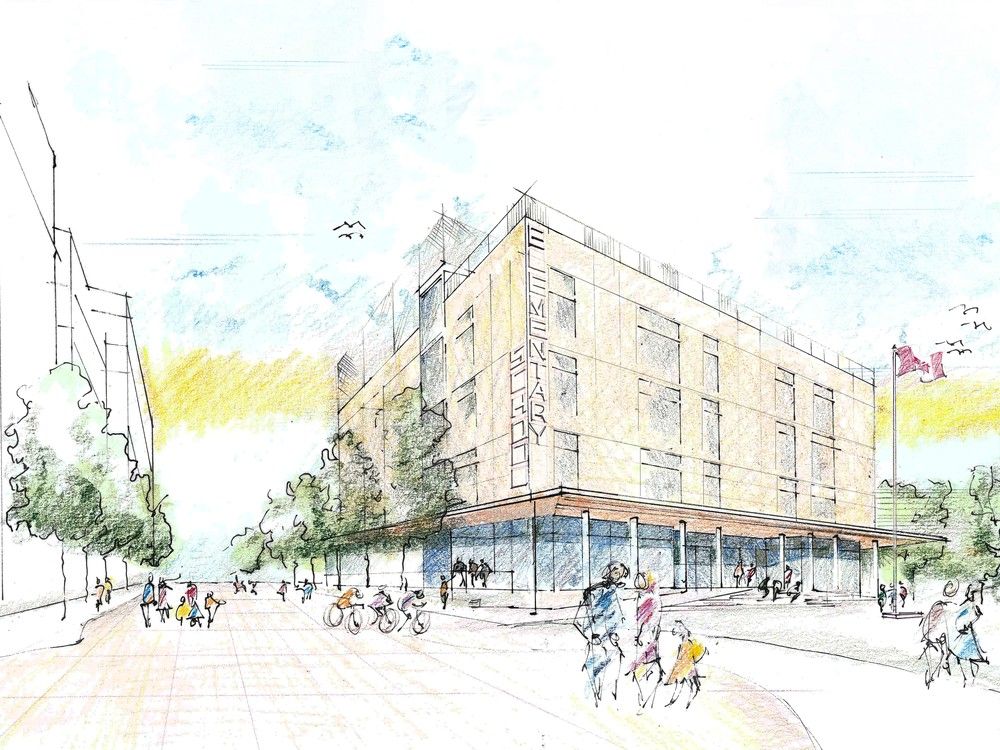
The long-awaited elementary school at Olympic Village will be bigger and have nearly double the capacity after Vancouver city council unanimously approved an amendment Thursday seeking an increase in the maximum building height, despite opposition from residents concerned about the impact of a larger building in a constrained site.
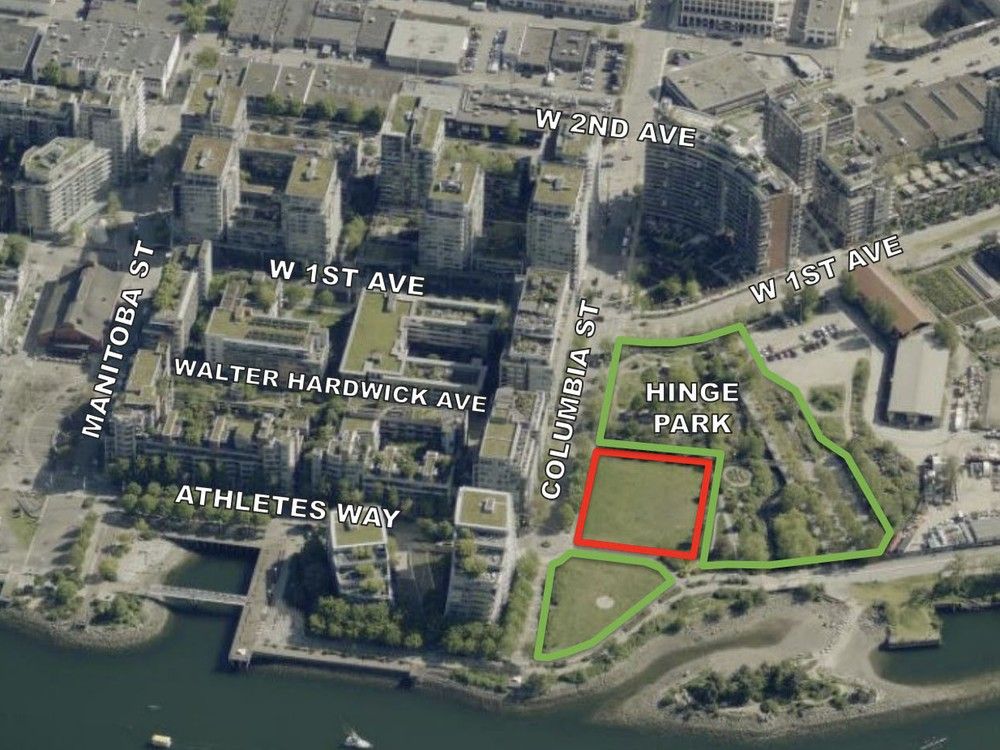
The site, adjacent to Hinge Park on the south side of False Creek, is zoned for a maximum height of 13 1/2 metres, or three storeys. The Vancouver school board and McFarland Marceau Architects asked for an additional five metres to add a fourth storey, which would allow space for 630 students instead of 320.
The new school would also include a rooftop play area and 60 before-and-after school spaces.
“I think what is being asked here is reasonable,” said Coun. Lisa Dominato, who voted an “unequivocal yes“ to the proposed change. “It’s about one storey to accommodate more students, more families. It’s much needed.”
Dominato said Vancouver has a problem with under-building schools, noting that Elsie Roy elementary in Yaletown was oversubscribed the first day it opened in 2004.
Parents have been campaigning for years for an elementary school at Olympic Village, which was promised when the area was developed for the 2010 Winter Games. The lack of a school in the neighbourhood, despite ensuing development and increased density, has put pressure on nearby schools, including Simon Fraser, False Creek, Edith Cavell and Crosstown elementary schools.
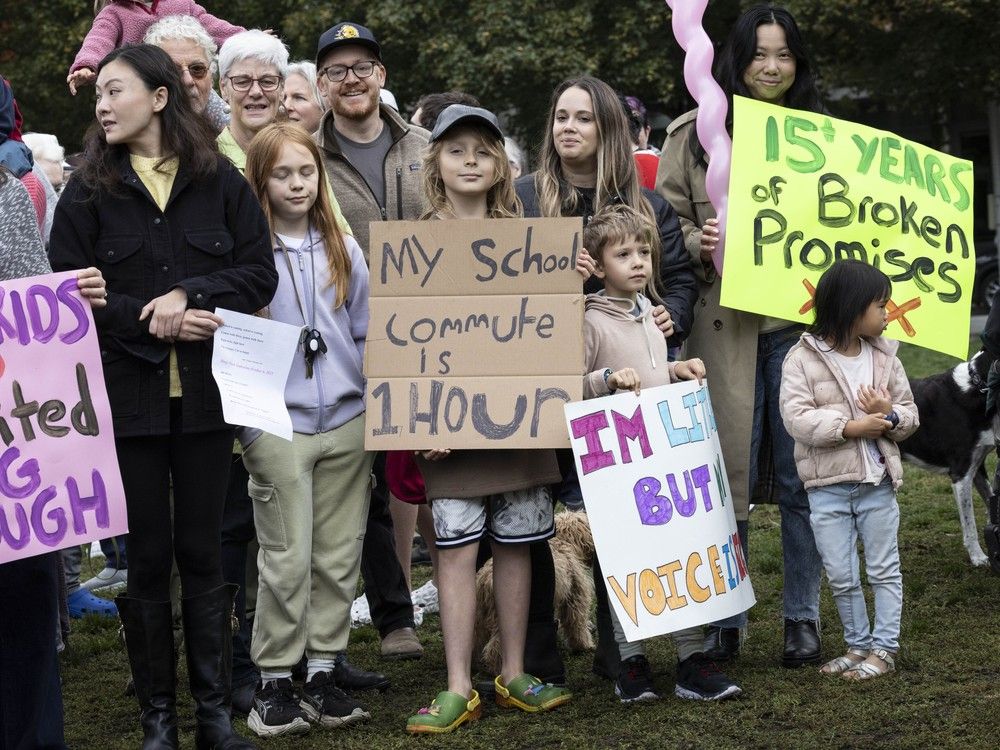
The school board had been asking the province for funding to build a new school at Olympic Village since 2006. In 2024, the Education Ministry announced $150 million for the school, and on Thursday, many councillors said they want the project to move ahead as quickly as possible.
Coun. Peter Meiszner said he was eager to see shovels in the ground for the school.
The vision for the school started more than two decades ago, he said: “It makes a lot of sense to me that we are building a school that is sufficient for the needs of today and tomorrow.”
Coun. Lucy Maloney said it was crucial for students and families to be able to walk to a neighbourhood school: “This is not a difficult decision for me, and I’m sorry it’s going to disappoint some people.”
According to a staff report, more than 80 per cent of students at the new school are expected to walk, roll or bike to school. The report designated six curbside spots along Columbia Street as pickup and drop-off points.
Ira Nadel, an Olympic Village resident, said allotting six spaces for more than 600 students isn’t realistic, pointing out there is no space for buses or delivery trucks and that congestion will be inevitable.
“This is not simply inconvenient,” he said. “It creates safety risks, rushed drop-offs, illegal stopping, double parking and conflicts with … cyclists and pedestrians. These are not hypothetical concerns.”
Nadel was one of many residents who spoke at a marathon public hearing on Feb. 12 that extended past midnight. Many speakers supported the original vision of a mid-sized school in the village, but opposed a large school due to concerns over fit, livability and safety.
Cathy Thornicroft, a resident and former educator, said parents and students deserve better than an over-large school on the smallest elementary school site in the city.
“An oversized school creates operational challenges such as strain on shared spaces, shortened outdoor playtime, staggered schedules, increased supervision demands and higher operating costs,” she told council.
Some speakers said the school is more suited to a site along West First Avenue. Staff said any change in the site would jeopardize funding and delay the project by years.
Council approved an amendment by Coun. Sarah Kirby-Yung asking staff to explore potential drop-off and pickup zones on West First or adjacent city-owned land as a way to ease residents’ concerns about traffic and congestion.
Construction of the new Olympic Village school is expected to begin in 2027 and open in 2029.