 BURST
BURSTThis was a very important week for monopoly-themed news. AI giants started asking for an exemption from antitrust law, Amazon bought a satellite operating giant, the Strait of Hormuz remains shut, and there’s so little prosecutions against white collar crime that high-powered defense lawyers have nothing to do.
Before getting to the full round-up, I want to delve into a series of surprising setbacks for the superrich that happened this week. Oligarchs started to lose, not on social questions, but where it pertains to cold hard cash and market power.
Let’s dive in.
For the first year of the Trump administration, Wall Street was a nonstop party. “I feel liberated,” a top banker told the Financial Times in early 2025. “We can say ‘retard’ and ‘pussy’ without the fear of getting cancelled . . . it’s a new dawn.” And sure enough, corporate profits are at record highs, so are mergers, and so are Wall Street bonuses.
There were a few bumps, notably tariffs in April and the war in Iran, but the stock market is now at a record. And the Democratic Party is comically feckless, despised by its own supporters and obviously uninterested in doing anything to change the national direction.
It has been forty years of rising plutocratic power in America, and the opening of this administration was the most extreme form of the trend. Trump himself aligned with the oligarchs, using his regulatory authority to cut deals with a host of dominant firms, from Nvidia on chip exports to CBS in getting Stephen Colbert fired. Palantir has deals with the IRS, Elon Musk is now worth $600 billion, and Trump secured trillions of data center investment in the U.S. Perhaps the most important goal was to reorient the media. Here’s what he put on Truth Social.
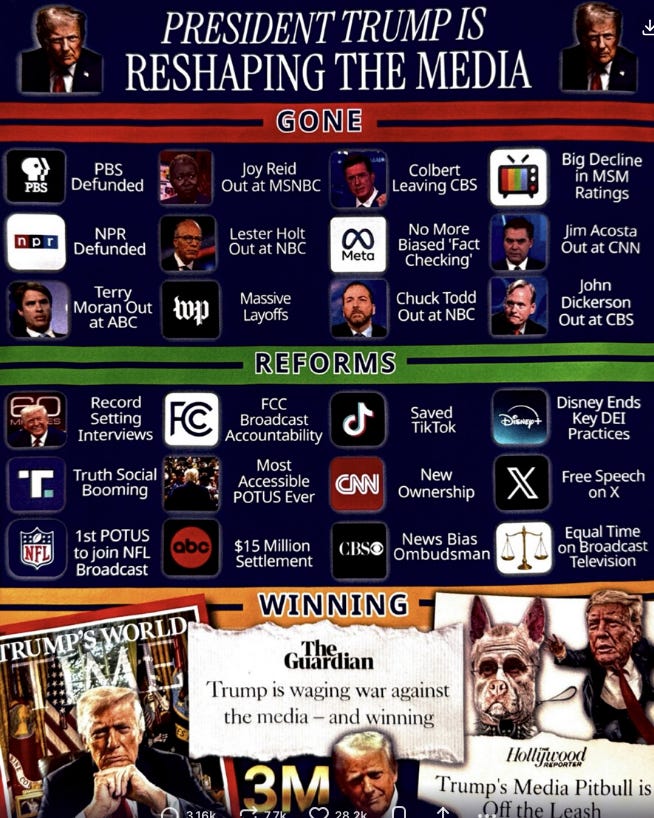
In this graphic, Trump bragged about reshaping how Meta operates, putting CNN under more friendly ownership, and having Stephen Colbert fired - all of these involve the use of political levers to control content.
But something else happened in the midst of this pro-monopoly statecraft. The public got extremely angry, looking at a world dominated by the Epstein class, and seeing Trump as part of it. Here’s a chart I put up a few months ago, showing how voters experience the world. In his first term, Trump was the third best President for consumer sentiment. This time? It’s the worst ever.
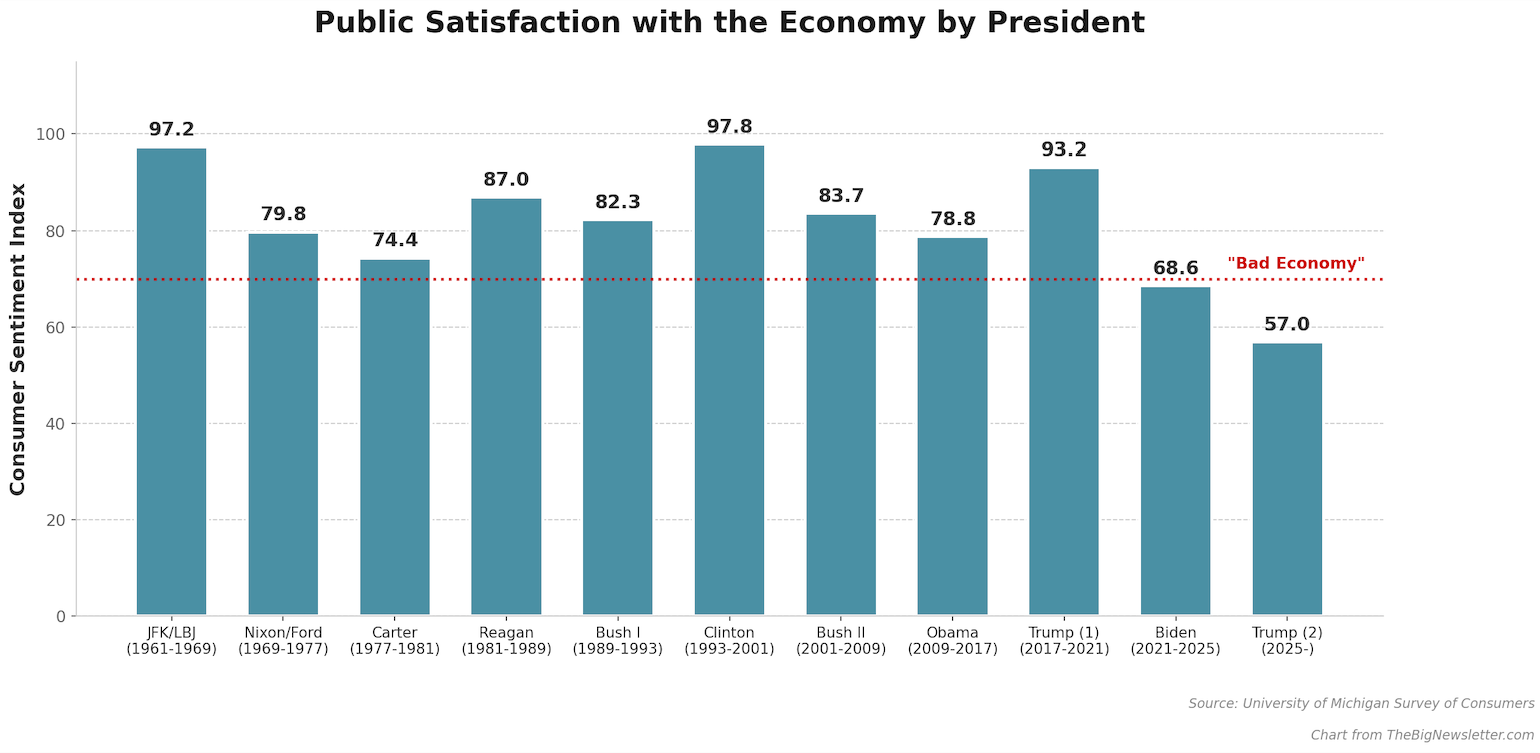
So it was just a matter of time before opponents figured out how to push back. This week, they did. And it didn’t come from Congress, but from local officials and voters. Here are five important moments of genuine opposition this week:
At the beginning of the week, a thousand Hollywood actors, directors, and writers released a letter in opposition to the $110 billion Paramount acquisition of Warner Brothers Discovery. By the end of the week, the number of signers passed four thousand - and it’s not random people, but major players in the industry, from JJ Abrams to Don Cheadle to Emma Thompson. This letter is likely to spark a legal challenge of the Paramount-Warner merger, the deal that would place CNN under new ownership.
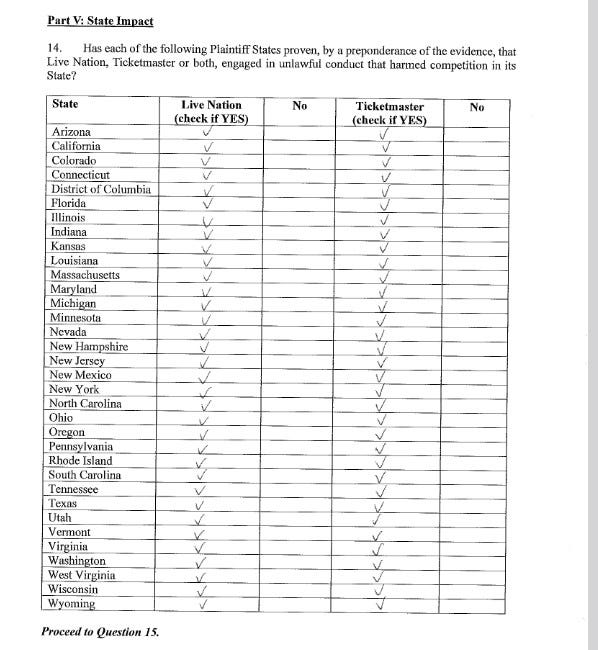
Live Nation-Ticketmaster lost its monopolization trial. Trump had tried to settle it to placate his ally Ari Emanuel, but local elected law enforcement officers of individual states, from California to Colorado, have jurisdiction to enforce law in their states. They kept it going, and won.
The local broadcast giants Nexstar and TEGNA, who had sought to have Jimmy Kimmel removed from his position, likely at the behest of Trump, were enjoined from merging and laying off hosts of local journalists. The judge even said that TEGNA “must maintain status quo staffing levels.” Once again, it was state attorneys general bringing the case.
The Maine legislature passed the first state ban on data centers. The polling on data centers has flipped in the last year, from mild support to wild opposition. Expect more states to act.
The California state AG, Rob Bonta, won a key motion against Amazon over price fixing. As the Guardian just exposed, Amazon has been using its market power to force vendors who sell on Amazon to stop discounting on other sites. It’s notable that Jeff Bezos’ company paid $40 million for the Melania documentary.
New York City mayor Zohran Mamdani cut a deal to increase property taxes on second homes worth more than $5 million. There are 13,000 of them in the city, and luxury retail brokers are already upset.
These moments have been building for awhile. Trump lost his tariff authority at the Supreme Court earlier this year, Google and Facebook failed in important jury trials a few weeks ago over addictive product design, and special elections are going against Trump and tilting towards populists. And populists even got a few lucky breaks. Known big tech ally Eric Swalwell was set to become the next California governor, but he fell in a sex scandal, and now Tom Steyer, who came on my podcast and railed against electric utility monopolies and Hollywood mergers, is likely to win.
I am not optimistic these days, as I don’t think there’s a sufficient popular consensus to gut the financial sector and restore our society to health. But there is now an alternative vision ready to be implemented. And that’s not nothing. Oh, and here’s the jury verdict form.
And now, the rest of the monopoly round-up. Paramount is already retaliating against critics of their merger, the airline industry is likely to consolidate into just a few firms because of jet fuel prices and deregulation, and incoming Fed Chair Kevin Warsh has a very weird financial disclosure form, including a stake in some crypto club titled “Friends with Benefits.”
Read on for more.