 BURST
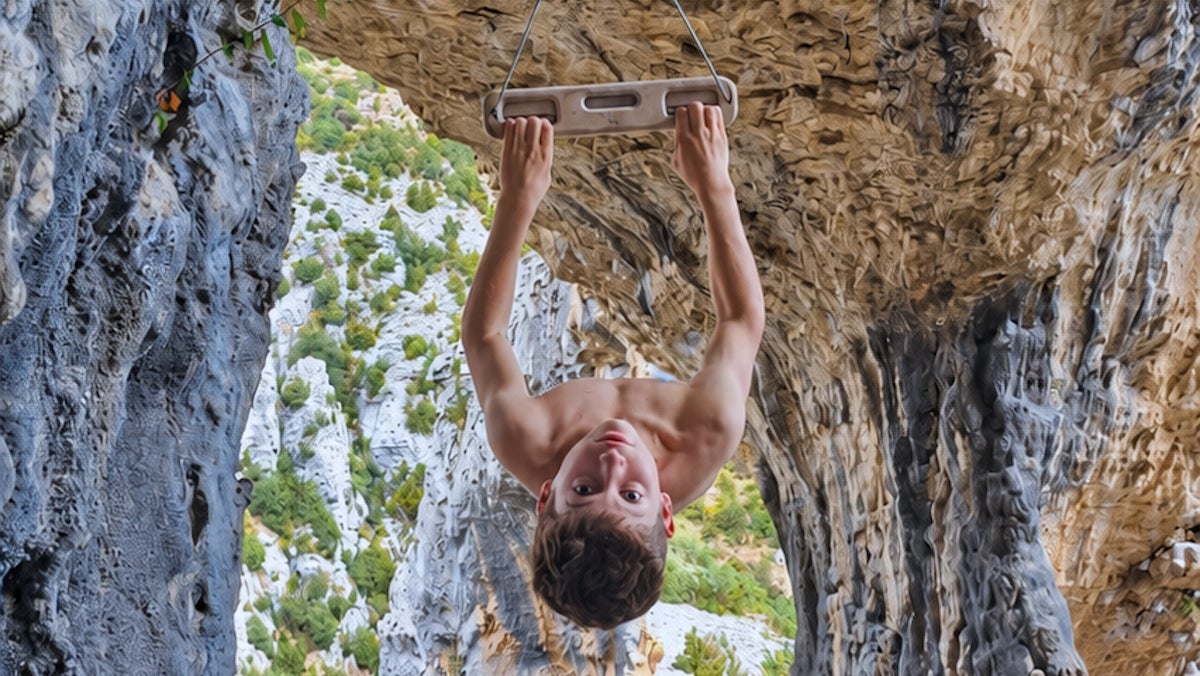
About our reporting: For this story, we interviewed Leo Cea and his father René Cea to get a behind-the-scenes look at his historic ascent. Additionally, we researched past records and route history by cross-referencing past articles, digital logbooks, and social media posts.
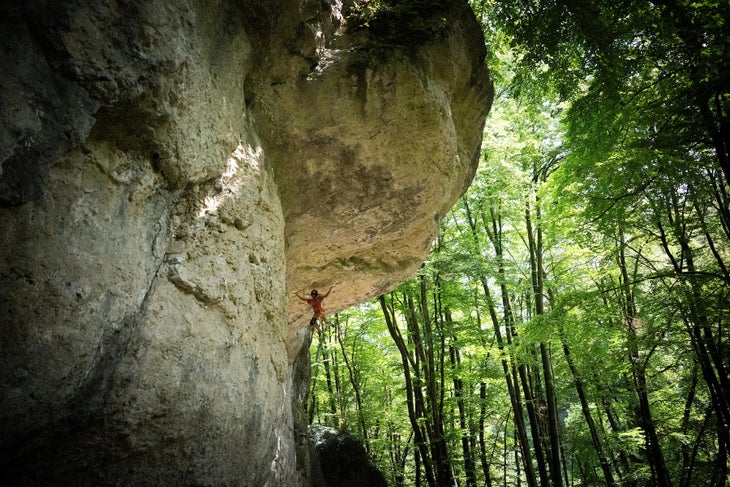
On September 2, Chilean-German teenager Leo Cea became one of the youngest people ever to climb a 9a+/5.15a route when he reached the top of No Pain No Gain. The 40-meter (131-foot) line is located in the climbing area of Rodellar in the Aragon region of northern Spain. Whether Leo is now the youngest to achieve this grade, however, comes down to a matter of months and debate over what counts as a confirmed 5.15a.
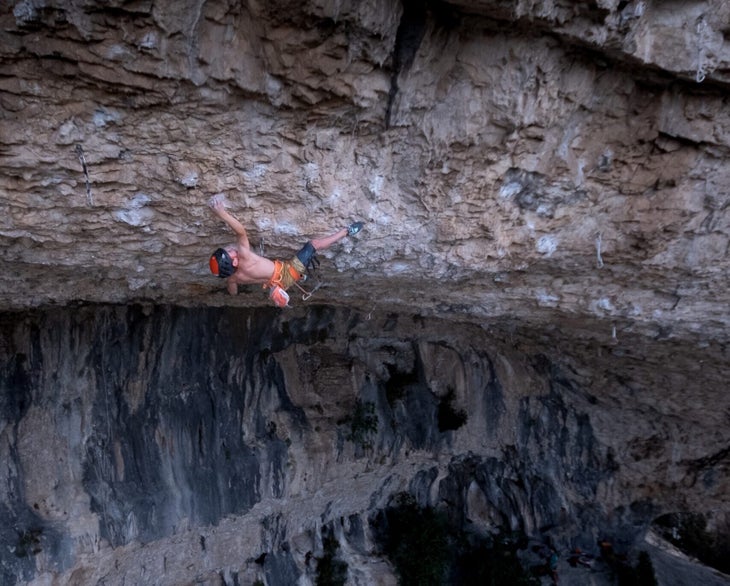
Leo, who stands 4’8” (147 cm) tall and is currently in the seventh grade, estimates he spent a dozen sessions working the limestone line during his two trips to Spain. The first time he pulled onto No Pain No Gain was in June. But a missing bolt at the beginning of the crux meant he could only try the whole route during the last couple days of his trip, once it had been replaced.
In August, Leo and his family returned. The teen put in six days and an estimated 10 attempts before his send. On September 2, Leo, his younger brother Inti, and his dad René arrived at the crag at dawn. Inti, who is 10 years old and a budding climber himself, ascended a fixed line to film his brother.
At almost exactly 8 a.m., Leo started climbing with his dad on belay. Sixteen minutes later, he had redpointed the route.
No Pain No Gain: Route history
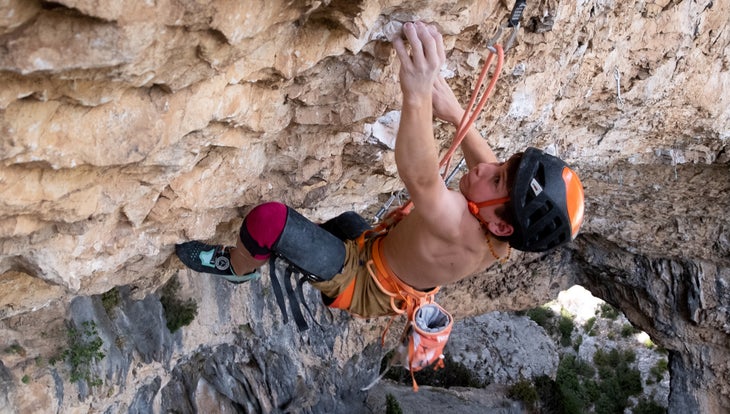
Located in the Ventanas sector of Rodella, No Pain No Gain saw its first ascent on June 6, 2017 by Spanish climber Dani Fuertes. Leo is the tenth person to climb the route, followed by a number of Spanish climbers. Jorge Díaz-Rullo who called it “¡de las mejores vías que hice!” (“one of the best routes I’ve ever done!”). A couple other non-Spainiards have also sent the line. French climber Seb Bouin dubbed it a “classic” in 2019. And most recently, on June 28, 2026, Laura Rogora, send the route and called it soft.
Across the 10 ascents No Pain No Gain has seen, consensus seems to have steadily built around Fuertes’s originally proposed grade of 9a+. On 8a.nu, only two climbers have suggested a downgrade to 9a, though a few more have marked it as soft. However, with 80% of ascensionists aligning with 9a+, the grade appears to hold.
The murky record for youngest 5.15a (9a+)
If No Pain No Gain sits squarely within the 9a+ range, does that make Leo the youngest to tick the grade? As with many climbing records, the answer is complicated.
Ashima Shiraishi’s 2015 send spree
One possible contender for the record is Ashima Shiraishi, who declared that she had climbed a 9a+ (5.15a) when she sent Open Your Mind Direct, also in Spain, on March 17, 2015. At the time, she was 13 years old. But months matter when it comes to age-based records. To be exact, she would have been 13 years, 11 months, and 14 days old at the time. Not long after her send, however, some climbers began to cast doubt on the grade. “Ashima was misinformed about the 9a+ grade,” read an 8a.nu post headline. Originally 9a, Shiraishi assumed the route had become harder when a hold broke off. But others argued that it remained 9a. In the decade since, consensus seems to have settled upon the slash grade of 9a/9a+.
A couple days later, however, on March 23, Shiraishi climbed another possible 9a+ in Spain: Ciudad de Dios. But the grade of this cave line has also come under scrutiny, ultimately relegated to slash territory at something like 9a/9a+ or simply 9a.
The under-reported ascent of an Italian teen crusher
Shiraishi’s young brush with the grade aside, a couple weeks ago, Gripped reported that Leo Cea had broken the record previously held by Adam Ondra. Their reporting referenced the fact that at age 15 back in 2008, Ondra sent La Rambla (5.15a/9a+).
While Ondra did indeed once hold the record for youngest 9a+, another little-reported 2022 ascent went under the radar. This is, in fact, the record that Leo may have broken. In 2021, Climbing reported that Italian 12-year-old Andrea Chellaris had sent Pure Dreaming (9a) in Arco, Italy. But what we—or any other digital media—failed to report is that a year later, Andrea returned and climbed the harder 9a+ link-up of Pure Dreaming Plus. You can find a scant record of Chellaris’s ascent in a brief Q&A posted to 8a.nu, and on Andrea’s own Instagram.
View this post on Instagram
The Pure Dreaming Plus link-up was first climbed by Adam Ondra in 2018. Two years later, Italian climber Laura Rogora made the first repeat.
So is Leo Cea the youngest to climb the grade?
When Andrea sent that 9a+ link-up on November 2, 2022, he would have been 13 years, 7 months, and 12 days old. When Leo sent No Pain No Gain, he was 13 years, 9 months, and 8 days old; he turns 14 on November 25. This makes Leo approximately two months older than Andrea at the time of the 9a+ ascent.
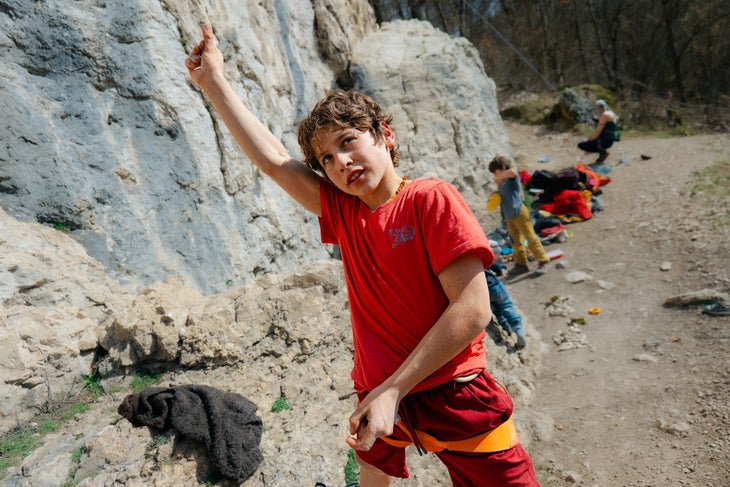
“I was inspired by him and went to try that route in Arco earlier this year,” Leo told Climbing. Though he came “really close” on Pure Dreaming Plus, he couldn’t finish the route because a crucial hold at the crux had broken off.
But here’s the catch: Andrea Chelleris himself logged Pure Dreaming Plus with a slash grade of 9a/+. So while he had two whole months on Andrea Chellaris at the time of the climb, one might argue that No Pain No Gain, as a standalone line rather than a link-up, deserves the record. The route also has far more consensus around grade, with nine ascents prior to Leo’s and 80% of climbers aligning with the 9a+ grade. Meanwhile, Pure Dreaming Plus has only two documented ascents prior to Andrea’s proposing 9a+. Then there’s the fact that Andrea himself suggested the lower slash grade.
Is it a tie? Is Leo runner-up? Does it even matter? We’ll let you, the reader—and history, of course—decide. As far as Leo is concerned, he told Climbing that he prefers to share the record with Shiraishi and Chelleris.
As your head spins from the math and too many slash grades, get the story behind this remarkable ascent straight from the 13-year-old himself. We caught up with Leo and his dad about what the morning of the send looked like, which body part endured the most pain on this aptly named route, and what’s next for this Chilean-German prodigy.
Interview with Leo Cea on No Pain No Gain (9a+)
This interview has been translated from Chilean Spanish with the help of AI. It has also been lightly edited for concision and clarity.
Maya Silver: What did the morning of September 2 look like? How did you warm up?
Leo Cea: We planned to go for a good burn at around 8:00 a.m., when there’s already good light, the morning humidity is starting to clear, and the temperature hasn’t gone up yet. On previous days, it had been around 20 degrees [Celsius; 68 degrees Fahrenheit] at 8:00, which was pretty good compared to the 30+ degrees [Celsius; 86+ degrees Fahrenheit] for the rest of the day.
We set off walking toward the crag while it was still dark, under the moonlight. The approach is about 25 minutes and the last stretch is uphill, which is good for warming up, especially the legs. I like getting to the crags early, when no one else is there yet. Everything is calm.
Around 7:00, I started my warm-up, which consists of mobility exercises, warming up my fingers on a hangboard, and doing exercises with resistance bands. Then I finished activating by doing some moves little by little on the route itself and going over the steps of the crux. Right before the burn, I always visualize the route, at least the most important moves.
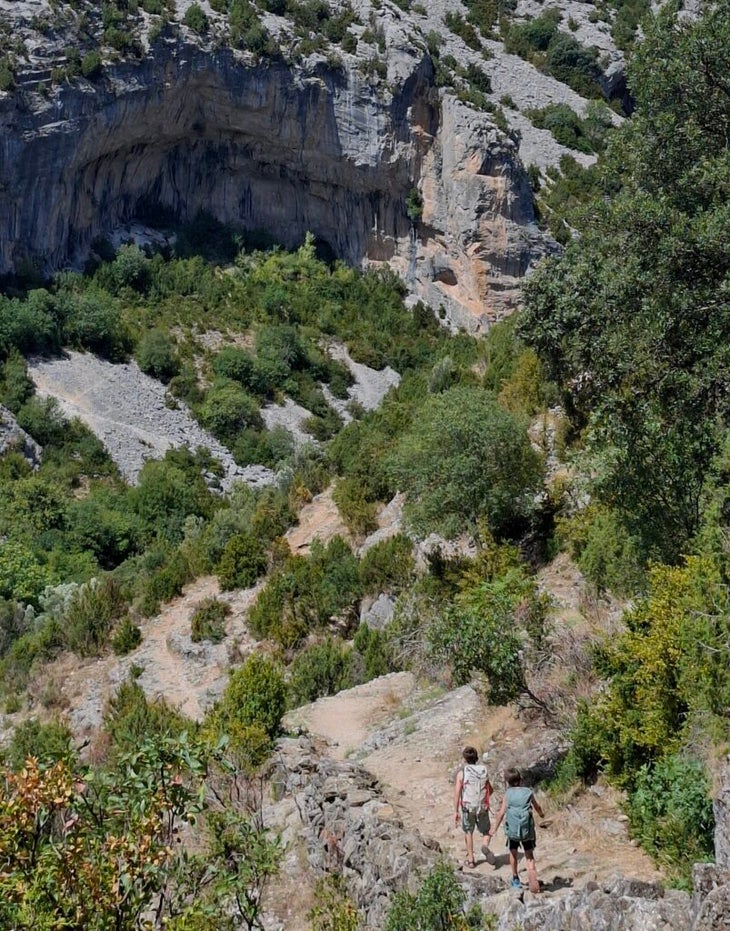
Silver: You’ve said that the route’s name and the motto “No pain, no gain” were on your mind during this project. What kind of pain did the route demand you endure?
Leo Cea: Hahaha, yes. One day I came down from the route and told my dad the name was well chosen. The route demands a lot of strength and above all endurance. Your arms get incredibly pumped, especially heading into the final part of the main roof. They burn so much it even makes you a bit nauseous. And the leg work is so intense. I’d never felt my legs get tired like that before.
Silver: What was your favorite move or sequence on this route?
Leo Cea: The route has several incredible sections, but the main crux, which is roughly in the middle of the roof, is the part I liked the most.
It was hard to find the ideal beta, and that always motivates me and entertains me a lot. Up until the day before the send, I fell once at that crux. Then I found a heel hook that was exactly the detail I was missing for the final beta.
That crux ended up being a mix of very technical moves and quite a bit of power. Visualizing the whole sequence and then being able to execute it without mistakes felt really good.
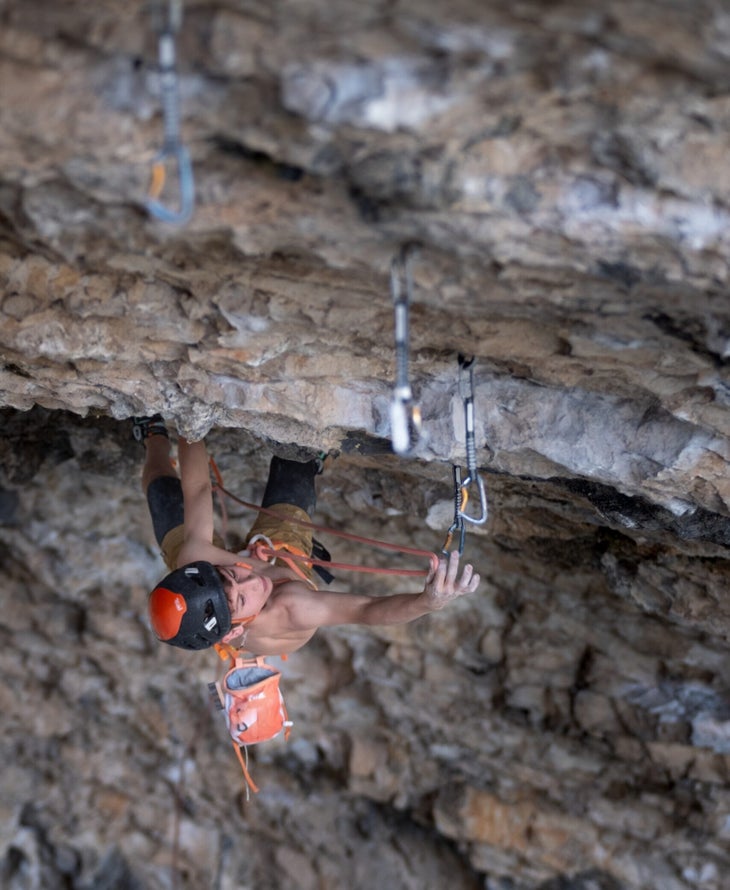
Silver: How does it feel to have become one of the youngest people to climb 9a+?
Leo Cea: Records aren’t my main motivation. I simply wanted to push my grade. Over the last year, I had been able to do several 9a routes in different styles and I was motivated to try 9a+.
It was only a few days after sending No Pain No Gain that I found out Andrea Chelleris had logged Pure Dreaming Plus as 9a/+ and not 9a+. And there is more consensus on the 9a+ grade of No Pain No Gain.
But grading is a matter of consensus and also of personal perception. For me, No Pain is definitely 9a+. But for my height and also Chelleris’s when he did it in 2022, I think Pure Dreaming Plus could be 9a+, because the crux is really hard for small climbers.
I’d prefer to share the record with Andrea Chelleris and even with Ashima Shiraishi, who climbed Ciudad de Dios (9a/+) at Santa Linya also at age 13. She’s someone I really admire and she has always inspired me.
Silver: Have you set goals for when you’ll climb 9b or 9c?
Cea: The truth is that the grades have come more because I get motivated by routes—because someone who inspires me did them, or because I reach a point where I want to try something harder.
I’m motivated to climb those grades and I feel absolutely capable of reaching that level of difficulty, but I think it will happen on its own. I don’t know when.
Silver: Do you have dreams or goals outside of climbing?
Cea: Nothing comes to mind right now, hahaha. I just want to see lots of places and climbing areas.
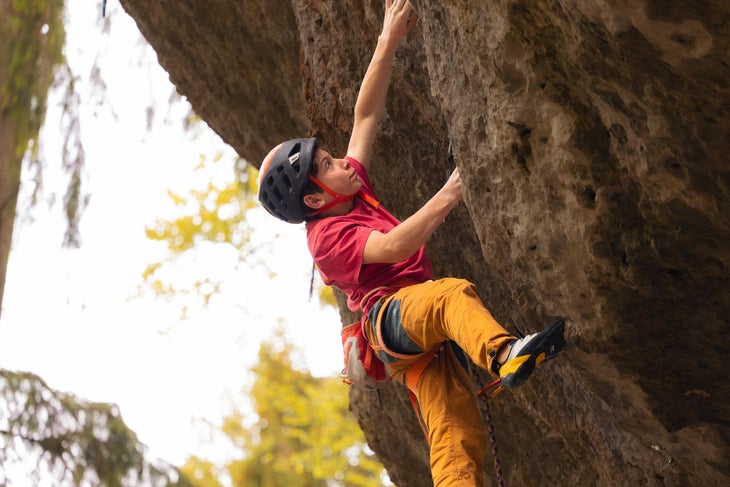
Silver: What grade or year are you in now at school? What is your favorite subject?
Cea: I now live in Erlangen, Germany, and I’m in my fifth year [seventh grade] of school. With the move from Chile, I ended up a little behind the grade I’d be in for my age. I like sports and also geography.
Silver: You grew up in Chile, but now you live in Germany. When did you move? Do you live near good climbing?
Cea: I was born in Germany in 2012, and I moved to Chile when I was about six months old. My mom is German and my dad is Chilean. We moved back to Germany at the end of May 2025 after more than 12 years living in Chile, where I learned to climb. And yes, I live near the best sport climbing area in the world: Frankenjura!
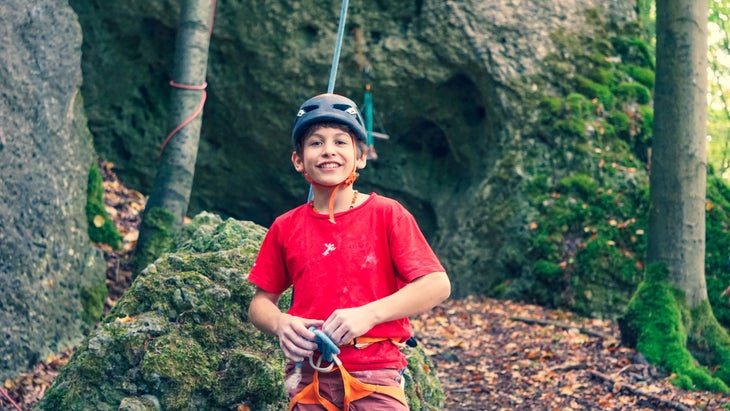
Silver: You’ve also started competing indoors. Do you have any specific goals, like qualifying for the Olympic Games?
Cea: This year, I started taking part in the official championships here in Germany. I was able to win both national U15 [under age 15] lead rounds. It was a lot of fun getting to meet other young people my age who are also at a very high level.
In the coming years, I want to try to qualify for the youth World Cups and then for the Olympic Games.
Silver: You are the future of climbing. Where do you envision the sport going by the time you’re an adult? Do you see any interesting progressions coming?
Leo Cea: I don’t know. That’s a hard question. One way or another, a higher grade will be achieved. And the number of climbers who reach the hardest grades will keep growing.
On rock, apart from that, I think everything will stay more or less the same. Indoors, they may introduce other styles of routes, which has already been happening.
Silver: Is there anything else you’d like to share about your achievement?
Leo Cea: I just want to thank everyone who accompanied me on the project: my family, obviously, and my coach Daniel Serman, who supports me from afar, but very intensely. And the Tenaya team, who, in this particular case, were incredible. They welcomed me in a way that made me feel at home. Climbing with some of the team was a lot of fun and I learned a great deal. They also motivated and helped me raise my flash grade with Ixeia (8b+/5.14b).
Interview with René Cea, Leo’s dad
This interview has been edited for concision and clarity.
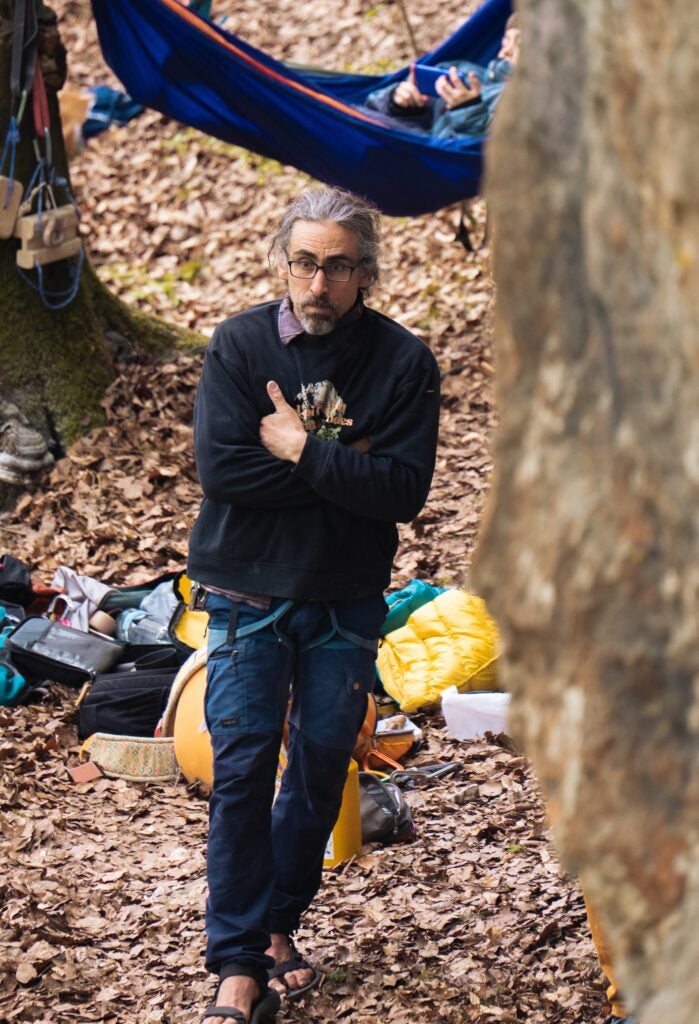
Maya Silver: How did you help support your son in achieving this goal?
René Cea: Climbing is also a passion for me. Over the years, it has become a common thread for the whole family. In that sense, Leo experiences climbing more as a lifestyle than as an isolated sporting activity. It’s something we live together as a family experience.
In the case of this project, it all began when we planned a short climbing trip for June to somewhere in France or Spain, with the goal of getting to know and finding a 9a+ route that could motivate Leo. Over the past few years, accompanying him in the search of his projects has become a true driving force for all of us. Also, next to his 9a or 9a+, there’s always a route for me—usually, the warm-up one, haha—and plenty for his siblings, too.
So an important part of my support is simply making these trips possible. I organize all the logistics and find the necessary resources, building collaborations with brands like Tenaya, or managing the support we’ve received from the German foundation Benno Kittl Stiftung. Another fundamental aspect is helping Leo follow the training plan that his coach sends from Chile.
Once we’re at the project, my most important way of supporting him is much simpler: enjoying the moment as much as he does. I make sure he eats well and rests, and I organize whatever is needed to try to keep him from having to worry too much about everything else.
But if I had to sum it up, I’d say the most important support is emotional. It’s about helping create an environment where Leo can enjoy himself, feel calm, and then let loose that huge desire he has to climb as hard as possible.
Silver: When did you realize that Leo had such incredible natural talent for climbing?
René Cea: From a very early age it was obvious that Leo had extraordinary motor skills. His way of climbing trees and moving over the rocks during our walks along the coast stood out. But so did his ability to focus and his huge drive to always go a little further.
When he was six, he wanted to come with me to climb Cerro La Campana in Chile, about 1,800 meters high with a relatively tricky final section. He wanted to do it without help. And as was usual for him at that time, he wanted to climb barefoot. Even then, his determination, his strength, and the way he faced difficulties really stood out.
But specifically in sport climbing, we started to notice it when he was around eight years old. He was the one who started asking me to put on the harness to climb. It only took him a few weeks to start sending 5.11 routes. It was as if he had always known how to climb. Everything happened very fast. In less than a year and a half, he was already climbing 8a (5.13b).
Silver: How did it feel to watch Leo clip the chains? Were you belaying him?
René Cea: We all knew it could be a very good burn. It was one of those days when everything seemed to flow well. From the start, already in the first part of the route, Leo showed a lot of confidence in his movement. It was the kind of climbing you recognize when you feel something good might be coming.
When he reached the first crux of the roof, he executed it perfectly. Then, obviously, you start to get nervous. He kept moving up until he reached the roof exit, which is probably the hardest part of the route. We were really nervous at that point. I felt that uncertainty of not knowing what was going to happen, but he looked so solid that I began to feel he would probably make it.
When he managed to get out of the roof, I calmed down a bit. I know Leo well. It’s very hard for him to lose concentration in those moments. Once he gets past the hardest sections of a route, he usually keeps his focus and continues climbing very well to the chains.
When he finally clipped the chains, I felt a very special joy that’s hard to describe. There’s pride, of course, but I think it’s something much deeper. It’s a mix of affection and of seeing, concentrated into a single moment, all of his dedication, his effort, and his drive. In a way, it’s seeing your son expressing an enormous zest for life. And that is very beautiful.
***
Our interview with Leo and René Cea en Español
Maya Silver: ¿A qué hora empezaste a escalar la mañana del 2 de septiembre? ¿Qué hiciste antes de escalar? ¿Algún calentamiento, desayuno, etc.?
Leo Cea: Planificamos todo para dar el buen pegue como a las 8:00, porque a esa hora y en esa fecha ya hay buena luz, la humedad de la mañana ya se empieza a ir y todavía no sube la temperatura. Los días anteriores, a las 8:00 habían hecho como 20 grados, que era bastante bueno comparado con los más de 30 grados del resto del día.
Entonces nos levantamos temprano, como a las 6:00, para alcanzar a desayunar bien. Me sentía muy motivado para dar un buen pegue; incluso sabía que me podía salir. Ya tenía la beta súper clara y tenía muchas ganas de subirme a la ruta y hacer toda esa secuencia de movimientos que ya había trabajado y aprendido bien.
Después partimos caminando hacia el sector todavía de noche, bajo la luz de la luna. La aproximación es de unos 25 minutos y el último tramo es en subida, lo que es bueno para empezar a entrar en calor, sobre todo las piernas.
Me gusta llegar temprano a los sectores, cuando todavía no hay nadie. Está todo tranquilo y se puede disfrutar del lugar.
Como a las 7:00 empecé mi calentamiento, que consiste en ejercicios de movilidad, calentar los dedos en una tabla y hacer ejercicios con elásticos. Después terminé de activar haciendo algunos movimientos de a poco en la misma ruta y repasando los pasos del crux. Justo antes del pegue siempre hago una visualización de la ruta, al menos de los movimientos más importantes.
Yo creo que eran casi exactamente las 8:00 cuando empecé el pegue definitivo, que duró como 16 minutos.
Silver: Has dicho que el nombre de la ruta y el lema “No pain, no gain” estuvieron en tu mente durante este proyecto. ¿Qué tipo de dolor te exigió soportar la ruta, tanto física como mentalmente?
Leo Cea: Jajaja, sí. Un día me bajé de la ruta y le dije a mi papá que el nombre estaba bien puesto. La ruta es de mucha fuerza y sobre todo de resistencia, por lo que los brazos se “empopeyan” muchísimo, sobre todo entrando a la parte final del techo principal. Queman tanto que hasta da cierta náusea. Y el trabajo de las piernas es tan fuerte que nunca había sentido que se me cansaran así.
Silver: ¿Cuál fue tu movimiento o secuencia favorita en esta ruta?
Leo Cea: La ruta tiene varias secciones increíbles, pero pienso que el crux principal, que está más o menos en la mitad del techo, es la parte que más me gustó.
Me costó encontrar la beta ideal, y eso siempre me motiva y me entretiene mucho. Hasta el día anterior al encadene volé una vez en ese crux y después encontré un talón que era justo el detalle que me faltaba para la beta definitiva.
Ese crux terminó siendo una mezcla de pasos muy técnicos y de bastante fuerza. Visualizar toda la secuencia y después poder ejecutarla sin errores se sintió muy bien.
Silver: ¿Cómo se siente romper un récord?
Leo Cea: En cuanto al récord, yo pensaba que lo tenía Andrea Chelleris, que había hecho Pure Dreaming Plus, en Arco, con un par de meses menos de los que yo tenía cuando hice No Pain No Gain. De hecho, yo mismo me inspiré en él y fui a probar esa ruta en Arco a comienzos de año. La tuve realmente muy cerca, pero no pude terminarla porque se rompió un agarre clave en el crux.
Fue recién unos días después de encadenar No Pain No Gain que supe que Chelleris había anotado Pure Dreaming Plus como 9a/+ y no como 9a+. Y sí, hay más consenso con el grado de 9a+ de No Pain No Gain.
Pero bueno, el tema del grado es una cuestión de consenso y también de percepción personal. Para mí, No Pain es sin duda 9a+, pero Pure Dreaming Plus, con mi estatura y también la de Chelleris cuando la hizo en 2022, creo que podría ser 9a+, porque el crux de la parte de Underground se hace bien duro para escaladores pequeños.
La verdad es que, si es que es importante entregarle el récord a alguien, preferiría compartirlo con Andrea Chelleris e incluso con Ashima Shiraishi, que escaló Ciudad de Dios, 9a/+, en Santa Linya también con 13 años. Ella es alguien a quien admiro mucho por cómo escalaba y siempre me ha inspirado.
Silver: ¿Te has puesto metas para cuándo vas a escalar 9b o 9c?
Leo Cea: La verdad es que los grados han ido llegando más bien porque me motivo con rutas que voy conociendo, porque las hizo alguien que me inspira o porque llego a un punto en que quiero probar algo más difícil.
Me motiva llegar a escalar esos grados y me siento absolutamente capaz de poder llegar a ese nivel de dificultad, pero creo que irá ocurriendo por sí solo. No sé cuándo.
Silver: ¿Tienes sueños o metas fuera de la escalada?
Leo Cea: No se me ocurre ahora, jajaja. Quiero simplemente conocer muchos lugares y sectores de escalada.
Silver: ¿En qué grado (curso) estás ahora? ¿Cuál es tu asignatura favorita en el colegio?
Leo Cea: Ahora vivo en Erlangen, Alemania, y estoy en quinto año de escuela. Con el cambio desde Chile quedé un poco atrasado respecto al curso que me correspondería por edad. Me gusta deporte y también geografía.
Silver: Creciste en Chile, pero ahora vives en Alemania. ¿Cuándo te mudaste a Alemania? ¿Vives cerca de buenos lugares para escalar allá?
Leo Cea: Primero hay que decir que nací en Alemania, en 2012, y me fui a Chile cuando tenía como seis meses. Mi mamá es alemana y mi papá chileno.
Nos devolvimos a Alemania a finales de mayo de 2025, después de más de doce años viviendo en Chile, donde aprendí a escalar.
Y sí, ¡vivo cerca del mejor lugar de escalada deportiva del mundo! Jajajaja: Frankenjura.
Silver: También empezaste a competir en indoor. ¿Tienes alguna meta específica, como clasificar a los Juegos Olímpicos?
Leo Cea: Sí, este año empecé a participar en los campeonatos oficiales acá en Alemania y pude ganar las dos fechas nacionales Sub 15 de cuerda. Estuvo muy entretenido poder conocer a otros jóvenes de mi edad que también tienen muy buen nivel.
Sí, en los próximos años quiero intentar clasificar a las copas del mundo juveniles y después a los Juegos Olímpicos.
Silver: Tú eres el futuro de la escalada. ¿Hacia dónde ves que va el deporte para cuando seas adulto? ¿Ves progresiones o cambios interesantes por venir?
Leo Cea: Uh, no sé, es difícil la pregunta. Pienso que de todas maneras se va a lograr un grado más alto y también va a ir aumentando la cantidad de escaladores que consiguen los grados más difíciles.
En la roca, aparte de eso, creo que todo va a seguir más o menos igual. Y en indoor tal vez introduzcan otros estilos en las rutas, como ya ha ido pasando con el tiempo.
Silver: ¿Hay algo más que quieras compartir sobre tu logro?
Leo Cea: Simplemente agradecer a todos los que me acompañaron en el proyecto: a mi familia, obviamente, y a mi entrenador Daniel Serman, que me acompaña desde lejos pero de manera muy intensa.
Y, en este caso particular, sobre todo al equipo Tenaya, que realmente fue increíble. Me acogieron de una forma que me hizo sentir como en casa, súper cómodo. Escalar con algunos del equipo fue muy divertido y aprendí muchísimo.
También me motivaron y ayudaron a subir mi grado a flash con Ixeia, 8b+, y eso lo disfruté muchísimo.
La verdad es que disfruté un montón toda la estadía en Rodellar.
Silver: ¿Cómo ayudaste a apoyar a tu hijo para lograr esta meta?
René Cea: La escalada también es una pasión para mí y, con los años, se ha transformado en una especie de hilo conductor para toda la familia. En ese sentido, creo que la base del apoyo que podemos ofrecerle a Leo es que él viva la escalada más como un estilo de vida que como una actividad deportiva aislada. No siento que exista un apoyo “desde afuera”, por decirlo así, sino que es algo que vivimos en conjunto, como una experiencia familiar.
En el caso específico de este proyecto, todo comenzó cuando planificamos para junio un viaje corto de escalada a algún lugar de Francia o España, con el objetivo de conocer y encontrar alguna ruta de 9a+ que pudiera motivar a Leo. Durante los últimos años, acompañarlo en la búsqueda y realización de sus proyectos se ha convertido en un verdadero motor para todos nosotros. Además, al lado de su 9a o 9a+ siempre existe alguna ruta para mí —generalmente la de calentamiento, jajaj— y también muchas para sus hermanos.
Entonces, creo que una parte importante de mi apoyo consiste simplemente en hacer posible que estos viajes ocurran: encontrar el tiempo entre el trabajo, el colegio y los deberes cotidianos, organizar toda la logística y, por supuesto, buscar los recursos necesarios. En ese sentido, conversar y generar colaboraciones con marcas como Tenaya, o gestionar el apoyo que hemos recibido de la fundación alemana Benno-Kittl-Stiftung, son algunas de las cosas que me toca hacer para que estos proyectos puedan convertirse en realidad.
Otro aspecto fundamental es ayudar a Leo a cumplir con la planificación de entrenamiento que le envía desde Chile su entrenador, con quien trabajamos muy estrechamente. Nosotros intentamos generar las condiciones para que pueda seguir ese entrenamiento y, al mismo tiempo, compatibilizarlo con el colegio, la familia y su vida cotidiana.
Después, cuando ya estamos frente al proyecto, mi forma más importante de apoyarlo es probablemente mucho más sencilla: disfrutar el momento tanto como él. Me preocupo de que coma bien, que descanse, de organizar lo que sea necesario y de intentar que no tenga que preocuparse demasiado por todo lo demás.
Pero, si tuviera que resumirlo, diría que el apoyo más importante es emocional. Se trata de contribuir a crear un ambiente en el que Leo pueda disfrutar mucho, sentirse tranquilo y, desde ahí, dar rienda suelta a esas enormes ganas que tiene de escalar lo más duro posible… jajaj.
Silver: ¿Leo tiene hermanos? Si es así, ¿qué edad tienen y también escalan?
René Cea: Leo es el segundo de cuatro hermanos. El mayor es Paul, de 16 años; luego viene Leo, de 13; después Inti, de 10; y finalmente su hermanita Alma, de 4.
Todos saben escalar bastante bien, aunque cada uno tiene sus propios intereses. Paul está más interesado en otras cosas. Inti, en cambio, está muy motivado con la escalada y hace poco se incorporó a un equipo de entrenamiento del DAV Erlangen, donde lo pasa increíble. Además, nos acompaña a escalar en roca y le encanta la fotografía de escalada.
Alma también nos acompaña frecuentemente a la roca y a los gimnasios. Se la ve muy feliz jugando y creciendo en ese ambiente, así que pienso que será bastante natural que en los próximos años también quiera comenzar a escalar.
Silver: ¿Cuándo te diste cuenta de que Leo tenía un talento natural tan increíble para la escalada?
René Cea: Desde muy temprana edad era evidente que Leo tenía habilidades motrices extraordinarias. Llamaba la atención su forma de escalar árboles, de moverse – de escalar -por las rocas durante nuestros paseos por la costa, pero también su capacidad de enfocarse y esas ganas enormes de llegar siempre un poco más lejos.
Recuerdo que cuando tenía seis años quiso acompañarme a subir el cerro La Campana, en Chile, de unos 1.800 metros de altura y con una última parte de relativa complejidad. Quería hacerlo sin ayuda y, como era habitual en él en esa época, siempre a pie descalzo. Ya entonces llamaban mucho la atención su determinación, su fuerza y su manera de enfrentarse a las dificultades.
Pero, específicamente en la escalada deportiva, creo que lo empezamos a notar cuando tenía alrededor de ocho años. Fue él mismo quien comenzó a pedirme que le pusiera el arnés y la cuerda para escalar. Solo necesitó algunas semanas para empezar a encadenar rutas de 5.11. Era como si hubiese sabido escalar desde siempre. Todo ocurrió muy rápido: en menos de un año y medio ya estaba escalando 8a.
Silver: ¿Cómo se sintió ver a Leo clipear las cadenas? ¿Tú lo estabas asegurando?
René Cea: Sí, yo lo estaba asegurando. Ese día llegamos al sector Leo, su hermano Inti y yo. No había nadie más. Estaba todo muy tranquilo, todavía al alba. Leo calentó como de costumbre y se lo veía enfocado y tranquilo. Inti quería grabarlo, así que subió por una cuerda fija con un jumar para poder filmar desde arriba.
Todos sabíamos que podía ser un muy buen pegue. Era uno de esos días en que todo parece fluir bien. Desde el comienzo, ya en la primera parte de la ruta, Leo transmitía mucha seguridad en sus movimientos. Era ese tipo de escalada que uno reconoce cuando siente que puede venir algo bueno.
Cuando llegó al primer crux del techo lo ejecutó a la perfección y ahí, evidentemente, uno empieza a ponerse nervioso. Siguió avanzando hasta llegar a la salida del techo, que probablemente es la parte más dura de la ruta, porque llegas después de una sección larga y muy exigente. Ahí estábamos realmente nerviosos. Veíamos a Leo avanzar paso a paso, luchando de una forma muy decidida. Yo sentía esa incertidumbre de no saber qué iba a pasar, pero, al mismo tiempo, se lo veía tan sólido que comencé a sentir que probablemente lo iba a lograr.
Cuando consiguió salir del techo, me tranquilicé un poco. Conozco bien a Leo y sé que es muy difícil que pierda la concentración en esos momentos. Es bastante habitual que, una vez que supera las secciones más difíciles de una ruta, mantenga el foco y siga escalando muy bien hasta las cadenas.
Cuando finalmente clipeó la cadena sentí una alegría muy especial y difícil de describir. Hay orgullo, por supuesto, pero creo que es algo bastante más profundo. Es una mezcla de cariño y de ver, concentrados en un instante, toda su dedicación, su esfuerzo y sus ganas. De alguna manera, es ver a tu hijo manifestando unas enormes ganas de vivir. Y eso es muy bonito.
The post Did This 13-Year-Old Just Become the Youngest to Climb 9a+? We Sort Out the Records. appeared first on Climbing.