 BURST
BURST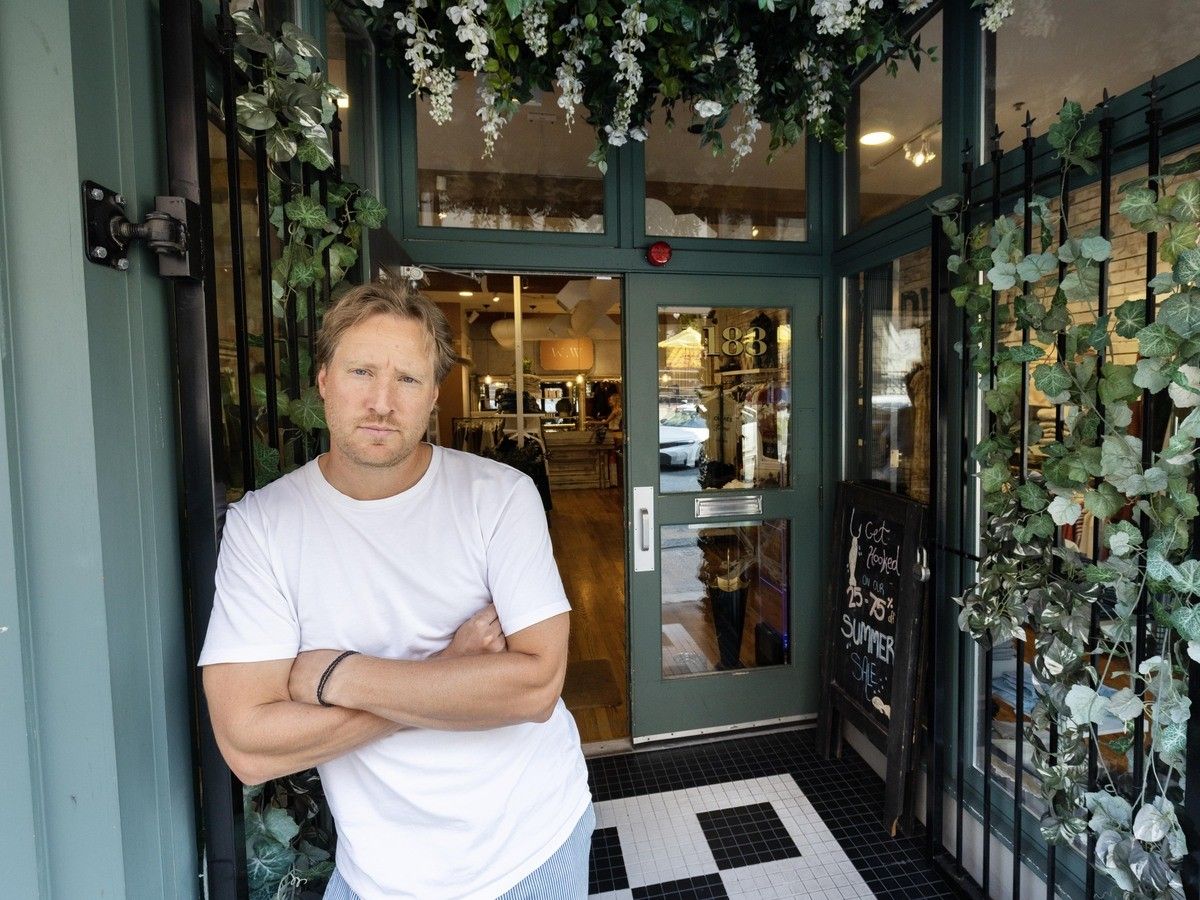
Vancouver shoppers will pay more for some American goods — or watch them vanish from shelves — when Canada’s new counter-tariffs take effect Sept. 8.
The measures are Ottawa’s dollar-for-dollar answer to U.S. tariffs, hitting $27.6 billion in American products at rates that match Washington’s — 50 per cent on goods such as clothing and furniture, 25 per cent on seafood and appliances, 15 per cent on electronics and tools. The counter-tariffs apply to goods that originate in the U.S.
For shoppers, that plays out three ways, several local owners said. A product’s price goes up, although usually by less than the tariff. It can drop, because the markup makes it unsellable or because the owner is cutting U.S. goods by choice. Or a store might steer customers toward something made in Canada or Europe instead.
Bryan Yu, chief economist at Central 1 Credit Union, said prices will rise in the targeted categories, but not necessarily by the full 25 or 50 per cent, since stores can absorb part of the cost, find a supplier outside the U.S., or drop a product line altogether.
“There actually might be a scenario where, yes, you’ll have higher prices. In some cases you just won’t see those products anymore on the shelf,” Yu said.
The sharpest surprises, he said, may be small everyday items — body wash, paper goods, imported fish at a restaurant — rather than the big purchases people brace for. His advice to shoppers: expect to hunt for substitutes, because stores will be doing the same.
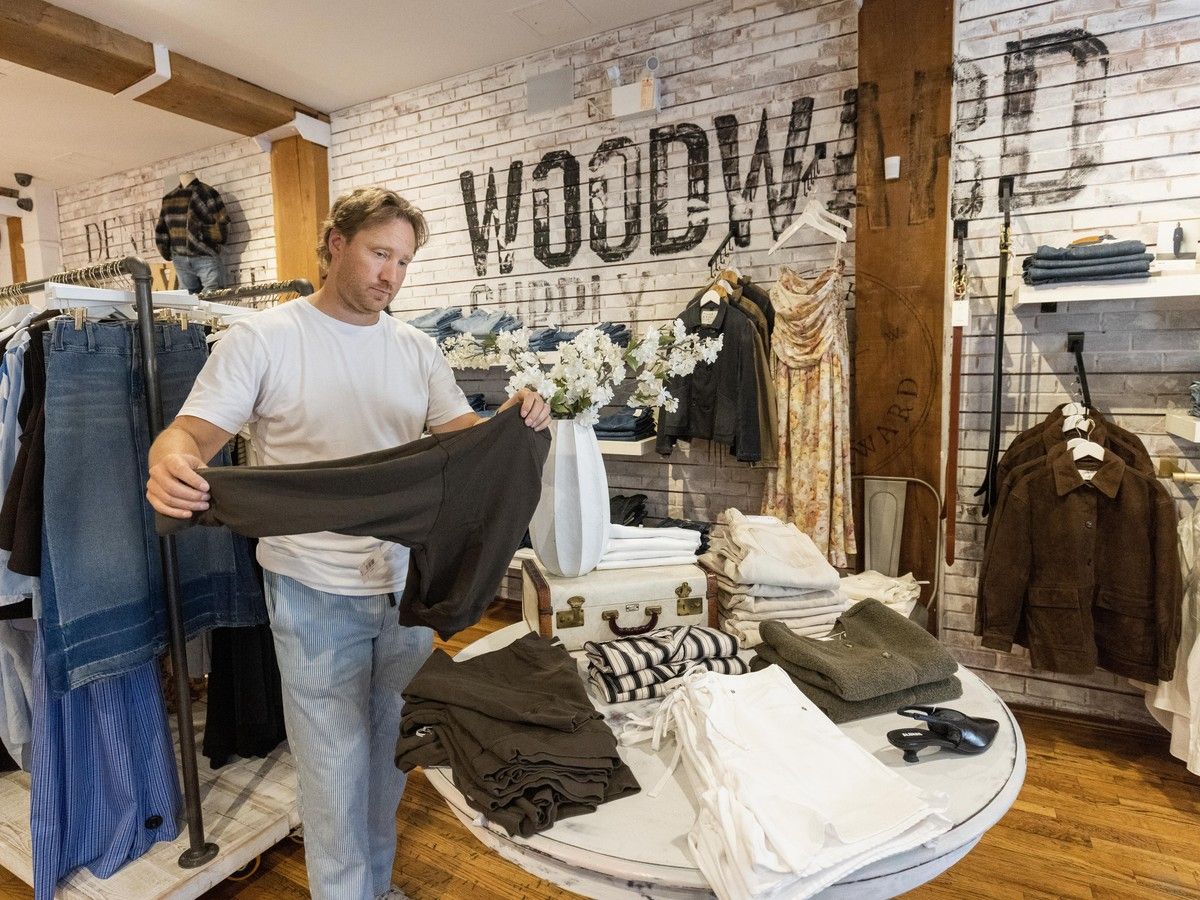
At West Of Woodward, a Yaletown clothing boutique, roughly half the stock is made in the U.S. — and owner Sean McGarva said a 50 per cent tariff is simply unworkable.
“If it’s 50 per cent tariff on cost, that makes it a 100 per cent increase retail,” he said, describing a $200 item that would land near $400.
Rather than charge that, McGarva said, he will pull most American lines, so the more likely thing a customer notices isn’t a higher tag, but favourite U.S. brands missing from the racks. Shipments already booked will arrive; after that, he said, those labels go on pause until he sees whether the tariffs hold.
For some stores, the change customers see has nothing to do with price. At the Point Grey fish market Hooked On Fish, owner Cato Feige is dropping his American sauces and dried goods no matter what the tariff does, part of a personal boycott.
“I’m boycotting American products. So I’m not bringing anything in from the U.S. anymore,” he said.
Feige said shoppers are mostly reaching for locally sourced fish and seafood.
At other stores, customers may not notice anything at all. Anne Pearson of Main Street’s Vancouver Special said about 90 per cent of her furniture is made in Europe, much of it Scandinavian, and clears the border duty-free under Canada’s trade deal with the EU.
“We’re not going to be as drastically affected as other small businesses, where a higher percentage of their goods are coming from the States,” she said.
Even her only American line — Loll Designs, a Minnesota outdoor-furniture maker — won’t cost shoppers more, she said, because the supplier has offered to absorb the tariff rather than lose its Canadian customers.
For customers, her advice is to let the tariffs guide where they shop.
“I’m hoping people will shop local. I’m hoping people will buy more stuff made in Europe,” Pearson said.
The effect on shoppers can be indirect, too.
Ed Hably, who owns Urban Decor Furniture on Davie Street, stocks no U.S. product — he buys locally and from Asia — so his prices will hold steady. His worry is what the tariffs do to customers’ wallets, regardless.
“People are going to be laid off from different industries, and that will affect people’s buying power,” he said.
A new couch, Hably said, is an easy purchase to put off when people are nervous about their jobs.
Shoppers at American chains may be shielded most directly. Asma Hussain, a design-centre leader at Ethan Allen, said head office has told staff that customers won’t have to pay the tariff, although she said the company hasn’t sent updated guidance recently on how the measures will affect the store.
Even so, Hussain said, sales are down about 15 per cent since the trade war began, as some shoppers avoid American brands regardless of price.
This round could bite deeper than the last, Yu said.
When Canada retaliated in 2025, many goods still crossed duty-free under the CUSMA trade deal. This time, those exemptions don’t apply, so more of the tariff is likely to reach the price tag.
Ottawa has paired the new measures with a support package for affected workers and businesses, which it valued at $7.5 billion.
For all the uncertainty, the steadiest advice came from McGarva, who has weathered a round of this before. Customers shouldn’t brace for him to double his prices, he said, but should expect some of the brands they know to quietly thin out, gone for a while, maybe back later.
Which is the part worth watching for shoppers — not just the price tag, but the empty space where an American product used to sit. And the fine print that tells you where a thing was actually made.