 BURST
BURST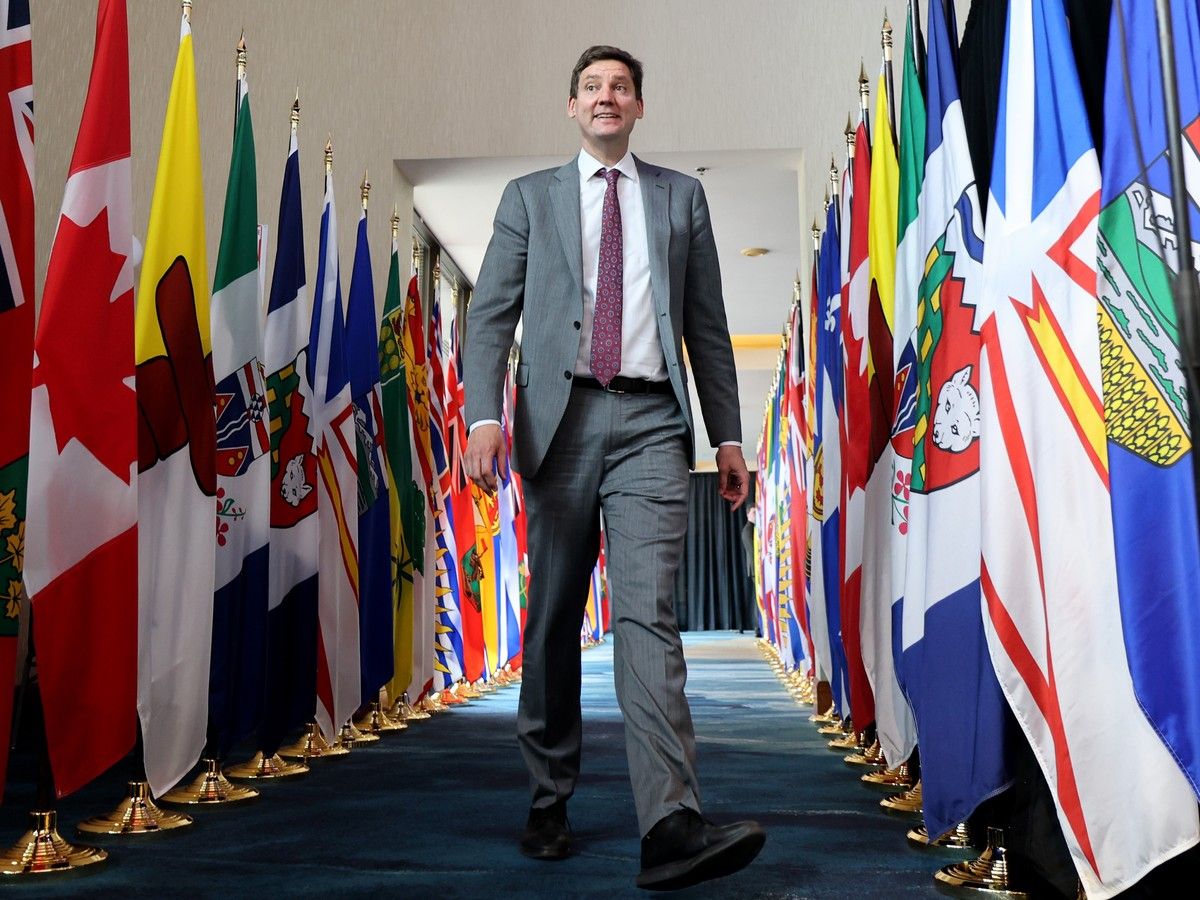
OTTAWA — B.C.’s premier argued Wednesday for blocking the U.S. from accessing Canada’s critical mineral supply in response to tariffs on his province’s lumber exports and other sectors.
B.C. Premier David Eby said at the first ministers meeting in Charlottetown that it was “inexplicable” for the U.S. to destabilize Canadian export industries, including forestry, while trying to gain greater access to Canada’s mineral wealth.
“We can’t have a country, on one hand, attacking one group of families and workers, while hoping to have access to the resources in Canada that the rest of the world wants,” said Eby.
He pointed to the U.S. ambassador to Canada, Pete Hoekstra, regularly meeting with top Canadian mining executives and calling for co-operation while the White House continued to crank up economic pressure on other industries.
Eby’s comments come after the Trump administration announced a new wave of 50 per cent tariffs on a range of targeted Canadian goods , starting Aug. 19. The White House said the tariffs were in response to Canadian trade actions, including provinces boycotting U.S. alcohol, Canadian tariffs on U.S. autos, and restrictions on dairy imports.
The list of newly targeted goods includes several forestry products made in B.C., including wooden furniture and tableware.
Analysts say the new tariffs are expected to hit Ontario, Quebec and B.C. the hardest, while leaving Alberta and Saskatchewan relatively unscathed. The latter two provinces have not been boycotting American alcohol. But Eby has said there’s “not a chance in hell” his province will put U.S. booze back on the shelf.
According to one estimate, 13.7 per cent of B.C. exports will be affected by the tariff, the highest proportion of any province in Canada.
Eby strongly suggested he was willing to leverage B.C.’s critical minerals as part of a national response to the newly announced tariffs. Several provinces have mines or projects for critical minerals, including B.C., Alberta, Saskatchewan, Manitoba, Ontario and Quebec.
“If the prime minister calls British Columbia and says he needs support with some big sticks to have conversations at the table, then we’ll be there,” said Eby.
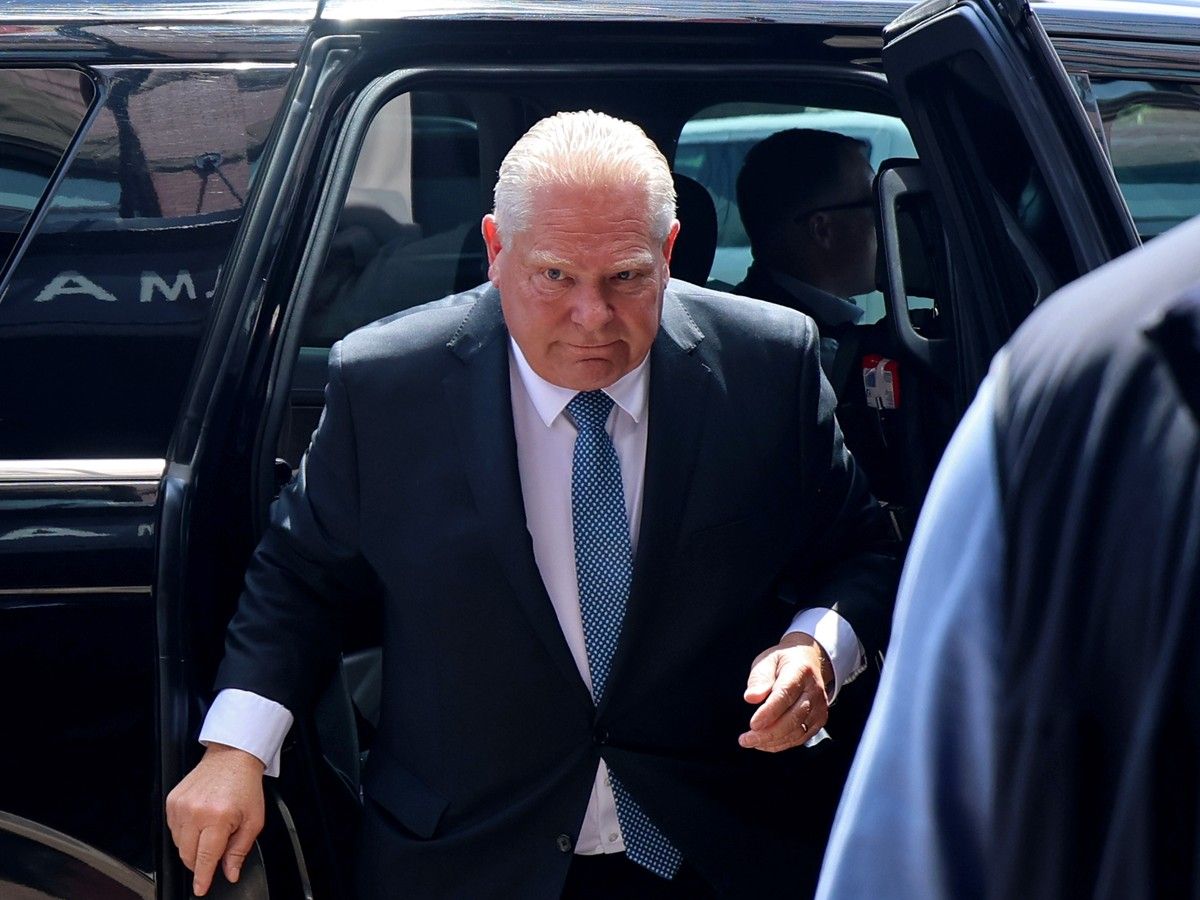
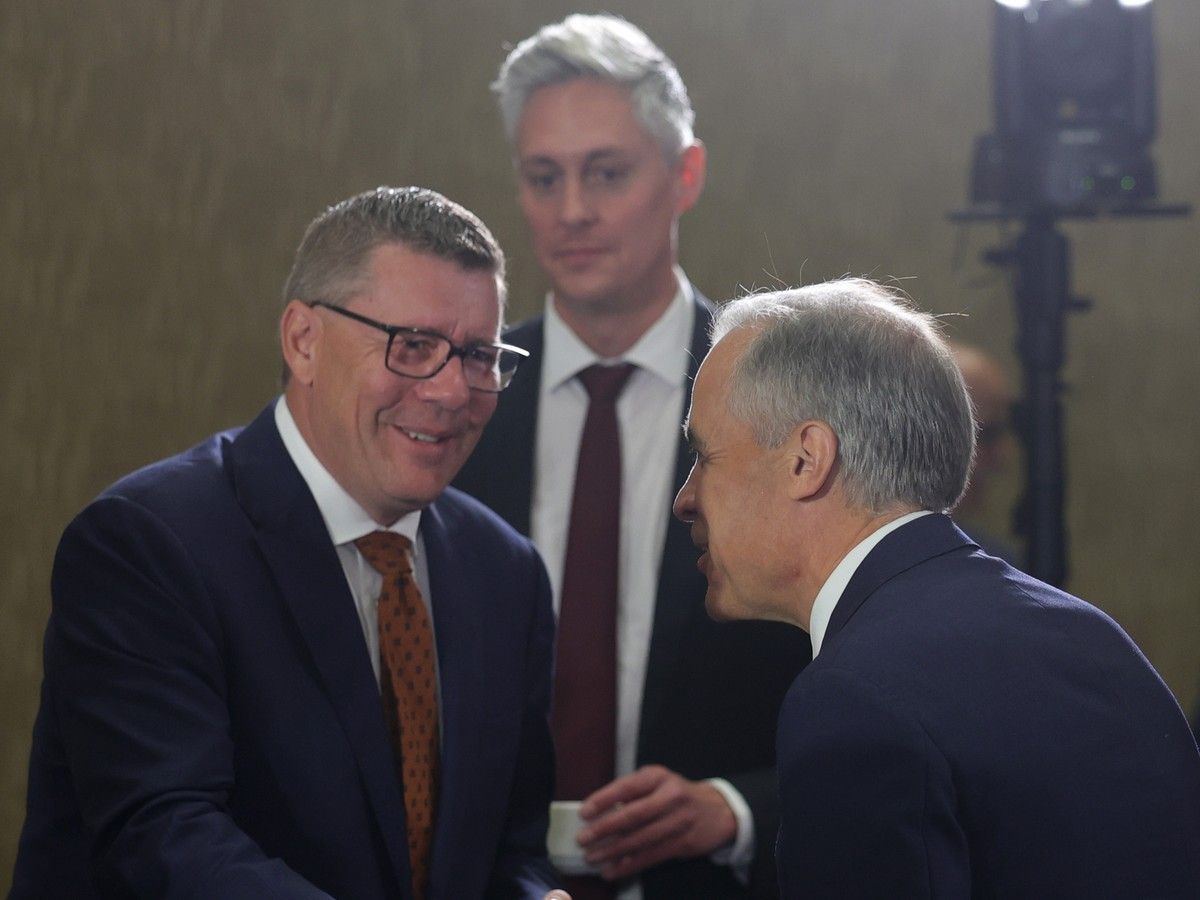
Ontario Premier Doug Ford suggested Tuesday that Canada block exports to the U.S. of oil and potash , a vital agricultural mineral used in fertilizer, in response to the new tariff threat. The idea was quickly shut down by Saskatchewan Premier Scott Moe, whose province is the country’s sole producer of potash .
Heather Exner-Pirot, director of energy research at the Macdonald-Laurier Institute, said that threatening U.S. access to Canadian minerals would be a dangerous escalation of trade conflict, given the importance of minerals in high-tech applications, including defence. China is currently dominant in global critical mineral supplies.
“Cutting off minerals is in a totally different universe of implications than taking booze off the shelves. One is a protest, the other is an act of war,” she said.
Exner-Pirot said that, given the prevailing geopolitical instability, Canada should be leaning into its hard-won reputation as a reliable and trustworthy trade partner. She added that Canada plays an especially vital role in critical mineral supply chains.
Prime Minister Mark Carney traveled to Charlottetown on Wednesday for the conclusion of the first ministers’ meeting.
Carney said in his opening remarks that he’d do “whatever it takes” to defend the Canadian economy from U.S. aggression.
The prime minister is expected to speak with reporters in Charlottetown at 2:30 p.m. ET.
National Post
rmohamed@postmedia.com
Our website is the place for the latest breaking news, exclusive scoops, longreads and provocative commentary. Please bookmark nationalpost.com and sign up for our daily newsletter, Posted, here.