 BURST
On Oct. 28, 1971, the United Kingdom launched its first satellite. The satellite was named Prospero, but it was also known as the X-3.
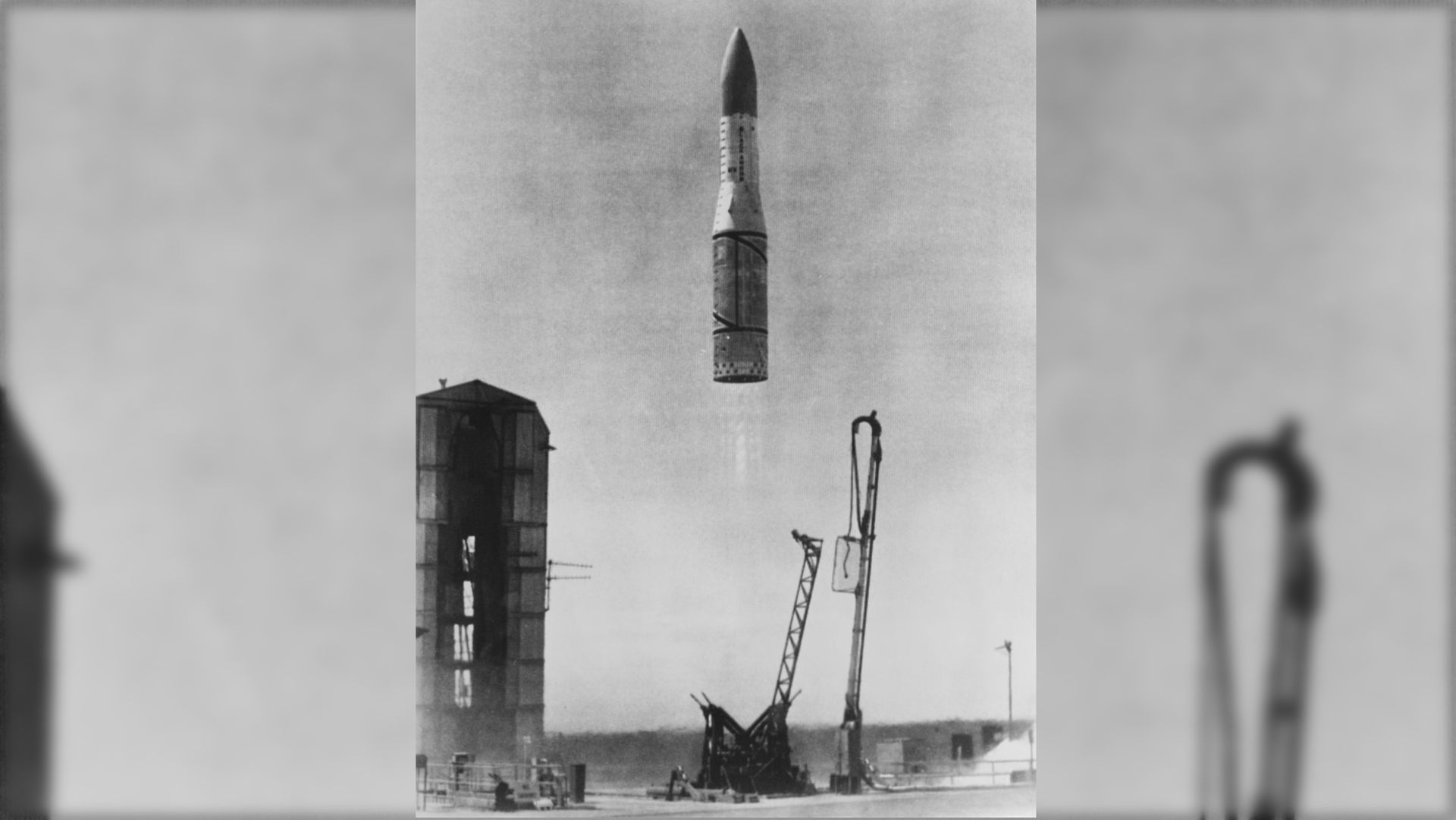
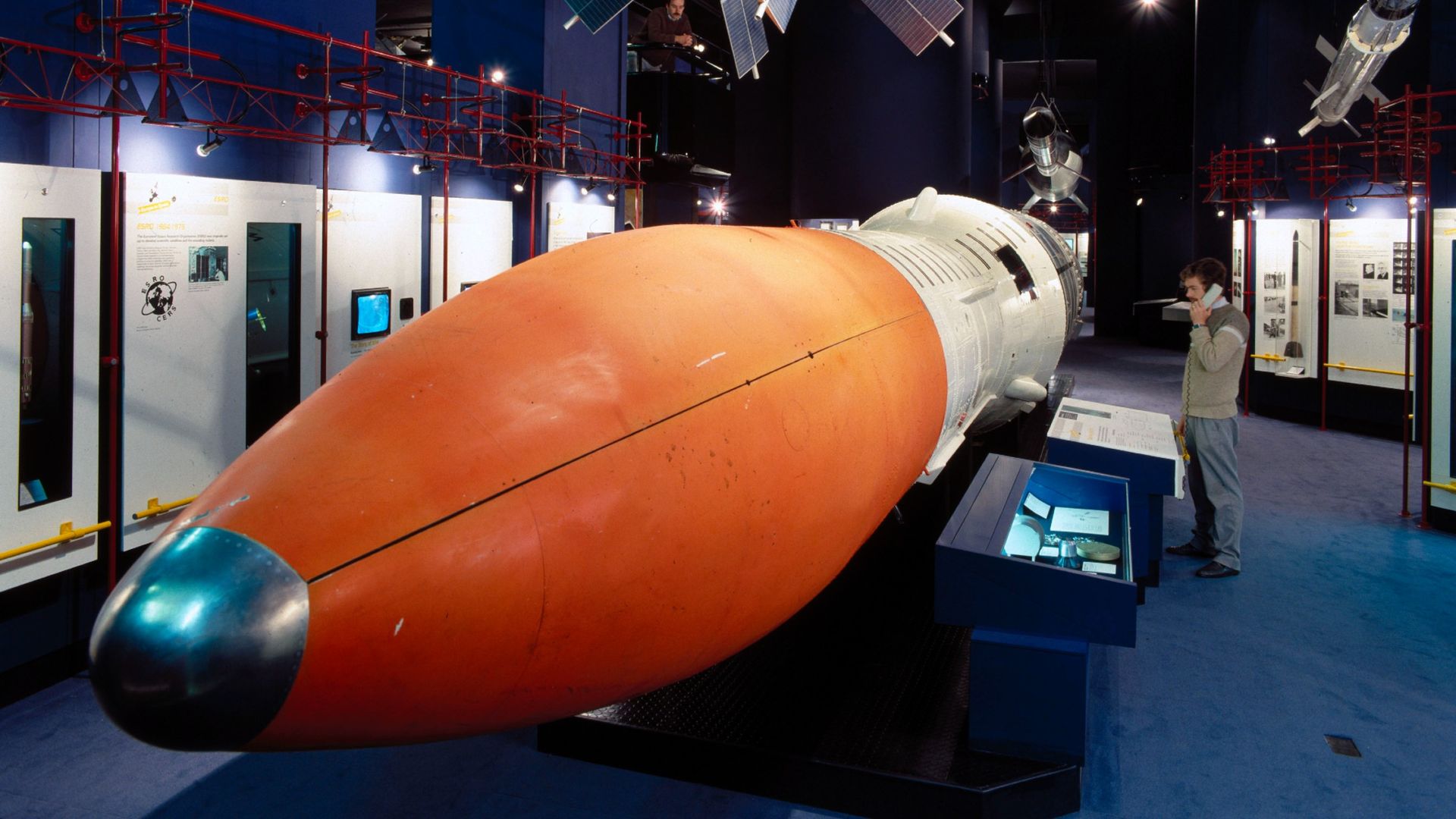
This wasn't Britain's first satellite, but it was the first and only one the British space program launched with one of its own rockets. The first six British satellites all launched from the United States on NASA rockets. Prospero launched on a carrier rocket called the Black Arrow.
The Prospero mission was the fourth and final flight of a Black Arrow rocket. Prospero was designed to study how the environment in space affects communications satellites. It tested things solar cells and telemetry systems, and even had a micrometeoroid detector that would determine small particles in space posed a threat to the spacecraft.
The mission lifted off from the Woomera Range Complex in Australia. While the launch was a success, the rocket's final stage bumped into the satellite after it separated, and the collision broke one of Prospero's four radio antennas. But the satellite still worked, and it remained operational until 1973.
Why it mattered
The launch of Prospero is etched in the history books of British spaceflight. To this date, it remains the first and last British satellite ever launched on a native rocket built in the United Kingdom.
The 66-kilogram satellite launched on a three-stage Black Arrow R-3 rocket and flew in an elliptical orbit that ranged between 522 km to 1,300 km above the Earth. The rocket itself was based on the smaller Black Knight research rocket and stood nearly 13 meters tall. While the launch was successful, the Black Arrow program, which had seen two failures and two successes, was ultimately canceled.
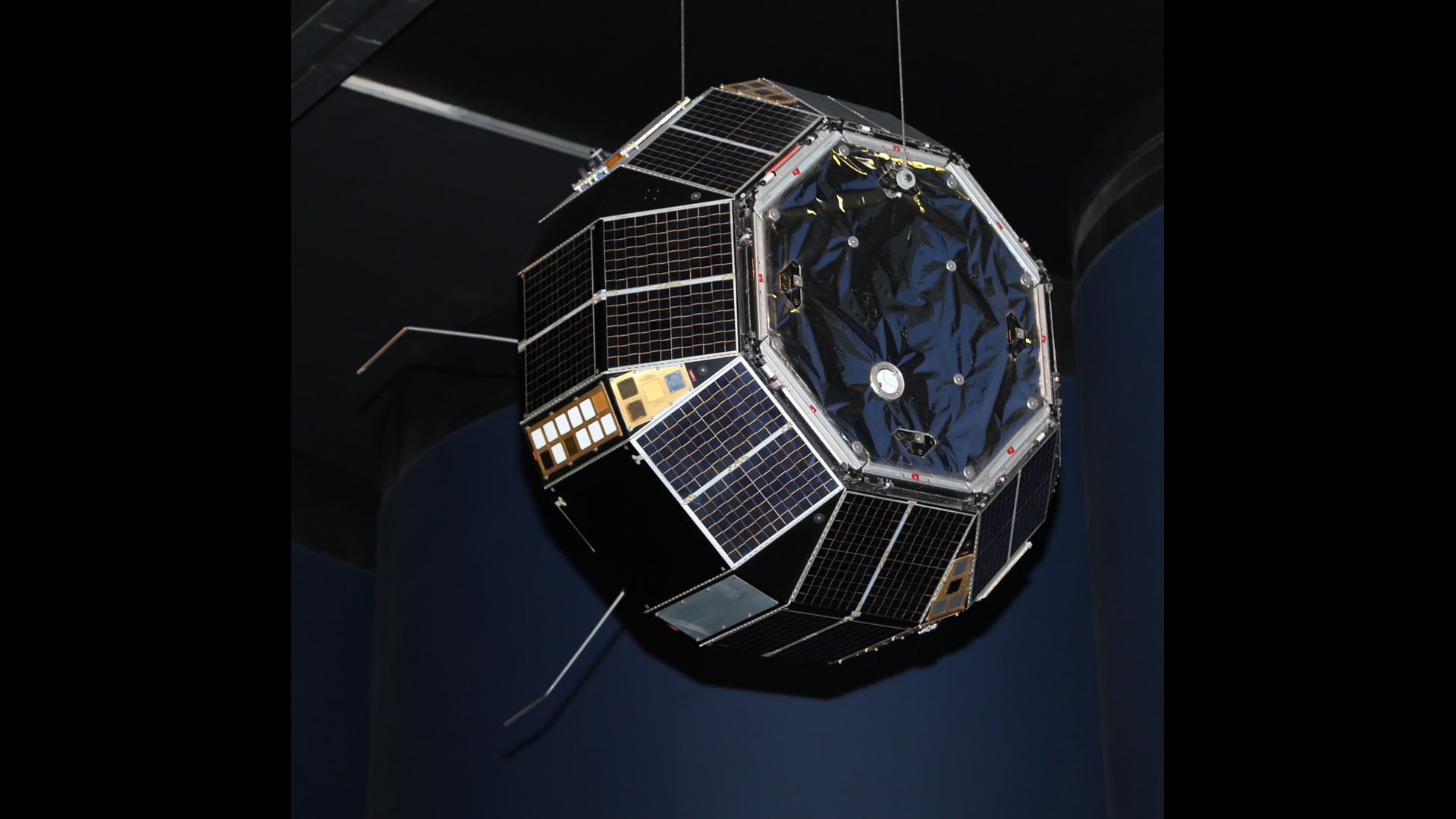
The Prospero satellite, meanwhile, operated in orbit for two years, with regular communications ending in 1973, though it was contacted at least once each year through 1996, according to the BBC.
The satellite remains in orbit today, its legacy such that at least one company - the Scotland-based space startup Skyrora, has announced plans to retrieve Prospero in orbit and deorbit in Earth's atmosphere.
That Skyrora plan, announced in 2021, would use the company's space tug to rendezvous with the defunct Prospero, latch onto it and pull it from space. The company aims to launch its Skyrora XL rocket out of a Saxavord Spaceport in Scotland.
"By recovering Prospero, we are not only coming together as a space nation and taking responsibility for what we have launched into orbit, but also confirming our commitment to the sustainable use of outer space," Volodymyr Levykin, Skyrora founder and CEO, said at the time.
Want more space history? Check out our full On This Day In Space Story archive and watch our On This Day In Space videos on YouTube.