 BURST
BURST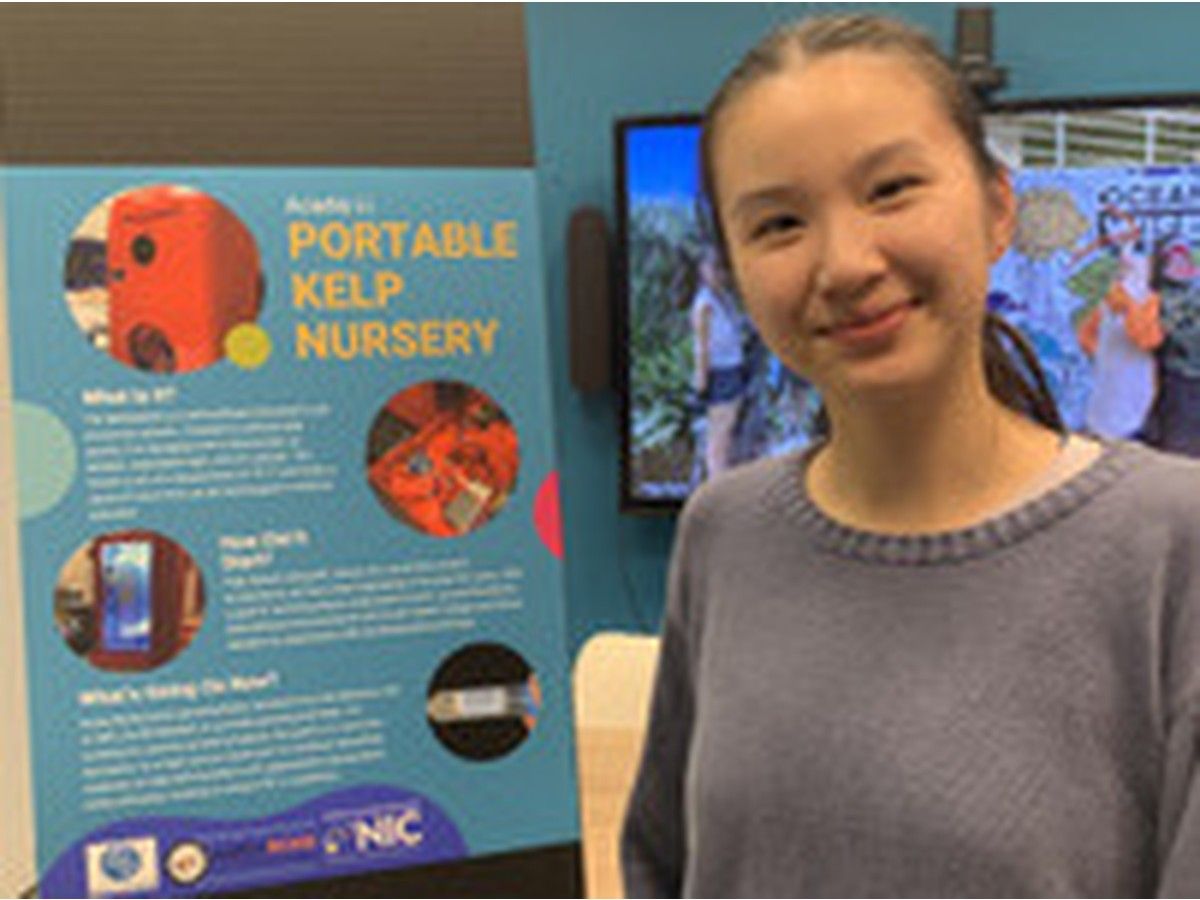
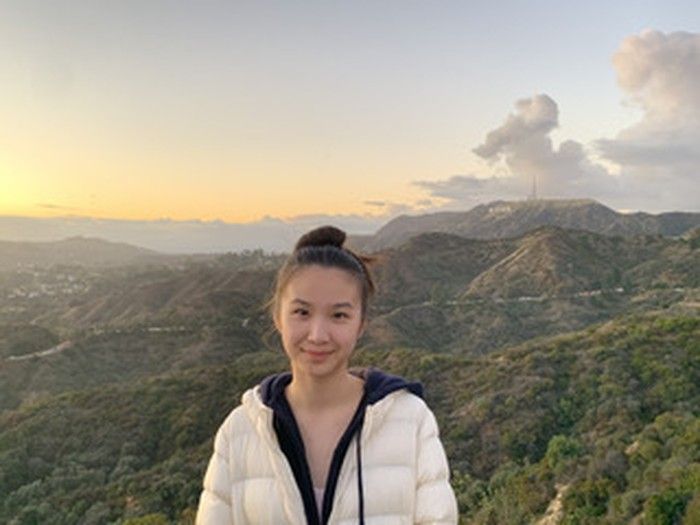
As a child, Acadia Li would take her time wandering through Vancouver’s Pacific Spirit Park on her walk to and from elementary school.
It was in the woods, under a canopy of Douglas fir and cedar trees, Li, now 18, developed a passion for nature conservation.
“In Vancouver, you have the forests, the ocean and the mountains all condensed into one. And I think just seeing all of this nature around me really fostered my love for it,” she said.
Now a senior at Lord Byng Secondary School, the teen was recently selected, along with 13 other young people from across North America, to join an international ocean restoration project as an ambassador with EarthEcho International to restore B.C.’s degrading kelp forests.
The non-profit group was founded in 2005 by siblings Philippe and Alexandra Cousteau in honour of their father Philippe Cousteau Sr., son of the legendary ocean explorer Jacques-Yves Cousteau.
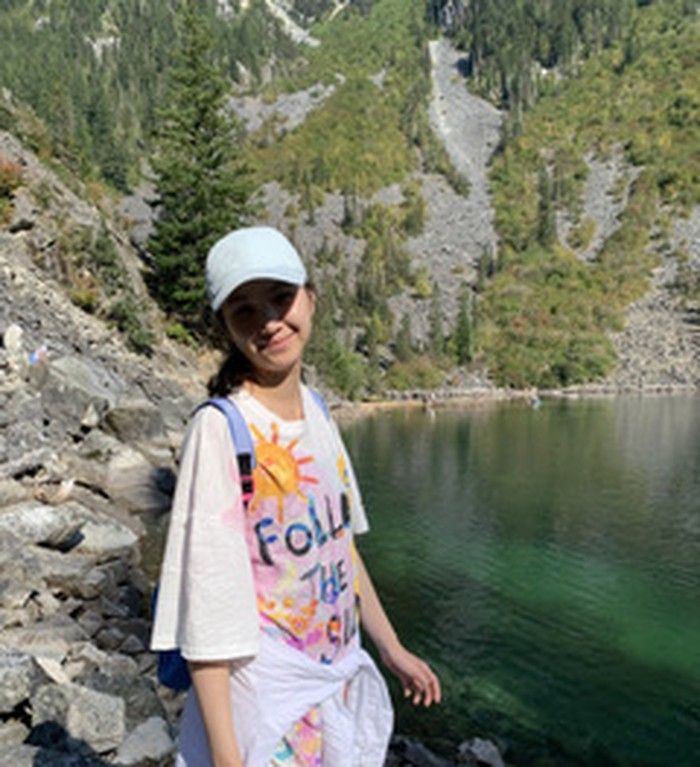
While many other kids were playing soccer or going to dance rehearsals, Li’s after-school hours were spent volunteering with the Pacific Spirit Park Society, and then later Ocean Wise in Vancouver.
She said working with these groups made her want to do more to protect the environment.
EarthEcho’s Blue Carbon Ambassador Program provides youth with hands-on experience designed to introduce participants to the role of blue carbon ecosystems such as kelp, seagrass, mangroves, and salt marshes to help fight the climate crisis.
The 14 ambassadors will develop their own projects to support the restoration of blue carbon ecosystems in their local communities, EarthEcho said in a news release Wednesday, to announce the ambassadors selected.
Last summer, EarthEcho funded a trip for the candidates to San Diego.
“There were people from Puerto Rico, New Orleans, New York … and we went to UC San Diego and the Scripps Institution of Oceanography, where we learned a bit more about regenerative kelp aquaculture, how they’re cultivating different seaweeds in kelp, and I had the opportunity to go over what I wanted my project to be with these researchers,” said Li in an interview Saturday.
Some of the ambassadors are working on restoring mangrove forests while others are planting Cypress trees. Both are important for ocean conservation because they act as a barrier for storms, prevent shoreline erosion and filter pollutants.
But for Li, it’s all about saving the kelp forests.
So EarthEcho recommended she partner with North Island College in Campbell River on BioSeedeX, a small-scale kelp nursery capable of cultivating kelp that can later be planted in the ocean.
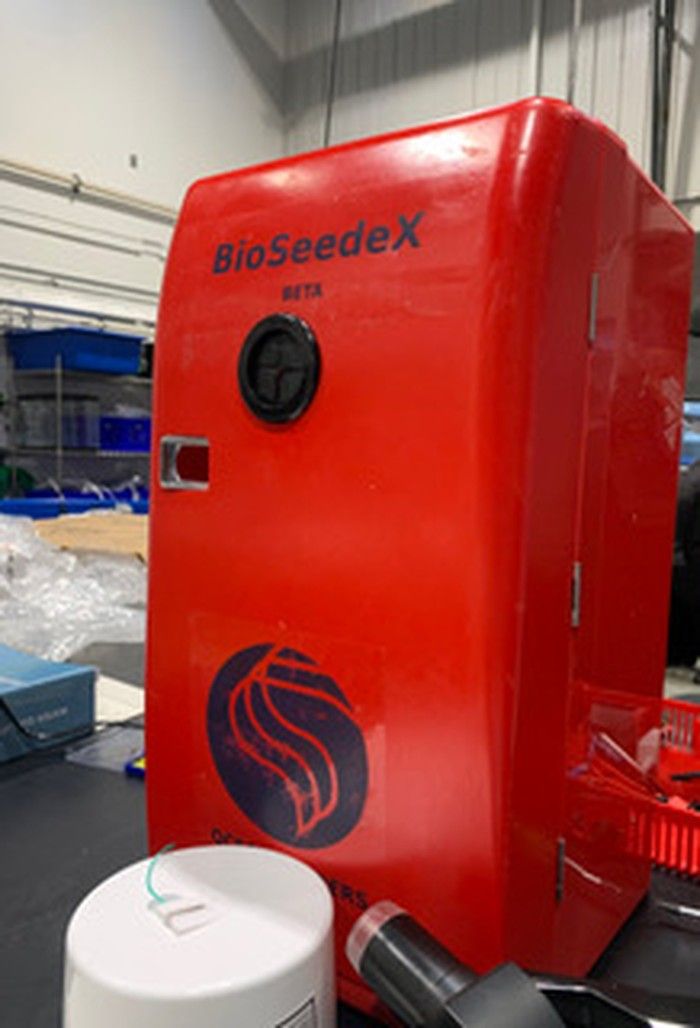
She is helping the college to test and refine the bioreactor. Inside the reactor, she is growing Nereocystis gametophytes — the microscopic, haploid stage in the life cycle of bull kelp.
“The goal was to go to a local beach and find some kelp blades. But because it was already late fall, early winter, it wasn’t really the season to get spores naturally,” she said.
So the determined teen reached out to scientists at UBC, who provided her with a vial of the bull kelp gametophytes.
“I cultivated that for a little bit in the test tube. And then once I was able to see some spores, I painted it on to the spool,” she said.
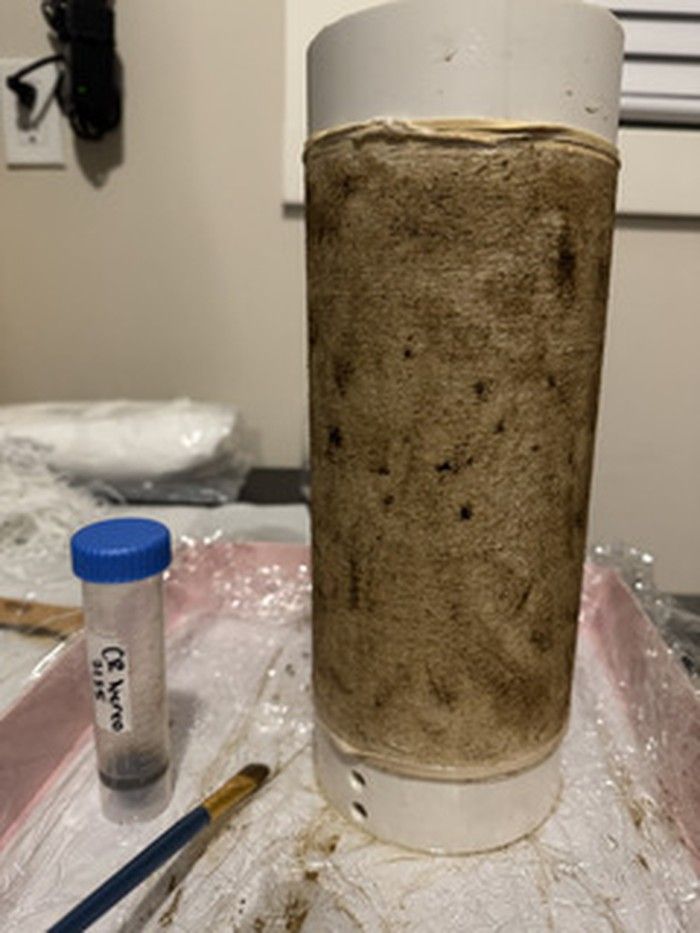
“I waited a couple of weeks, and I wasn’t really seeing any growth, and so I was a bit concerned. I didn’t know if there was something malfunctioning with the bioreactor, or if the gametophytes were not viable, so I reached out to the college again and they sent me some very concentrated vials of Nereocystis gametophytes … so now we are just waiting to see how they grow.”
She hopes the kelp will be ready to plant in the ocean in April.
Kelp forests are crucial blue carbon ecosystems, she said, because they protect the coastline from erosion and sequester carbon dioxide from the environment.
However, they have been rapidly degrading around the world.
In B.C., kelp forests have been decimated by ocean acidification, climate change and sea urchins, which have been thriving because of a sea star wasting disease that has nearly wiped out its main predator.
“I think this work is important because we can’t see kelp forests in our day to day life, it’s not something that’s on the top of our minds as high importance.”
As she prepares to go to UBC next fall to study science and conservation, Li will have a busy spring and summer with the kelp project. She also works part time as a lifeguard and hosts a podcast called Ocean Frequencies.