 BURST
BURST
The daughter of a B.C. couple who are missing after devastating floods in Nepal says the Canadian government isn’t doing enough to help, and has left families scrambling to get information on whether their loved ones are dead or alive.
Richa Shah’s parents, Megha and Dhaval Shah, are among 30 Canadians missing after last Tuesday’s flash floods in the Rasuwagadhi, Nepal-China border region.
“I don’t know if my parents survived. This lack of established protocol for an international emergency is completely unacceptable. I hope no Canadians ever have to go through something like this again,” said Shah.
She has been staying in her parents’ home in Port Moody with their cat since she learned of the tragedy.
“She’s all I have now,” said Shah.
Her father, a former associate dean at BCIT, and mother, a senior manager with the City of Vancouver in finance and logistics, were on the trip of a lifetime and travelling with another couple from Coquitlam, Sumit and Shubakshi Rawla, said Shah.
“My dad tried to call me two hours before the flood hit,” said Shah. “He messaged me with lots of photos and said he missed me.”
She missed the call.
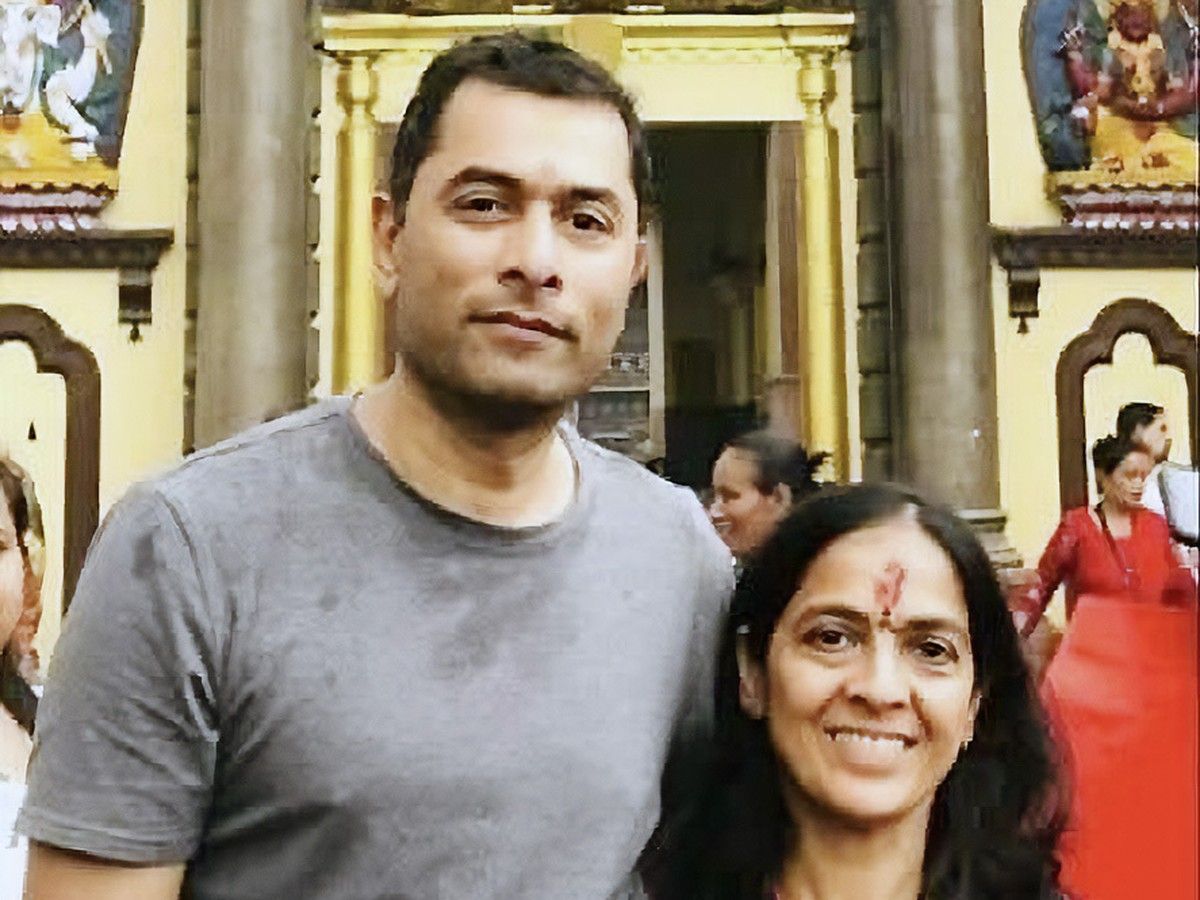
Shah learned of the disaster last Wednesday, when their tour group, Himalayan Glacier Adventure and Travel, added her to a WhatsApp chat to let her know there had been flooding in the region where the group was travelling. The group of 40 included 10 Canadians.
“I was optimistic at first,” she said. “My parents are athletic. I trusted they would run to higher elevation. I was pretty positive.”
Then she started to see online videos of the catastrophic scenes. The Hotel Kailash, where the tourist group had been staying, was completely washed away. Confirmation of the worst kind did not come from Canadian officials, but from the tour group.
“They weren’t able to make contact with anyone,” said Shah. “The hotel was completely gone.
“I was not informed by the government or Global Affairs Canada. We’ve been left to do our own investigation and advocacy through unofficial sources, and with families and friends.”
The process has been painful and frustrating. At first she tried to call her parents, but the calls did not go through. “Cell towers were wiped away,” said Shah.
She registered her parents with Canada’s Registration of Canadians Abroad website. Other family members registered with Canadian consulates in the region, and added them to lists in Nepal and with the Indian army.

Last Friday, she went to Port Moody police who advised her to contact Global Affairs Canada’s emergency services line based in Ottawa.
Shah said the person at Global Affairs Canada in charge of taking information for families lost in the Nepalese crisis was unfamiliar with the area where her parents went missing, despite the fact about 30 Canadians were unaccounted for in the region.
“I had to navigate her through Google Maps. She was chuckling as we did so,” said Shah.
“You are in charge of this crisis line and you don’t know where the main area Canadians are missing is located, on day three of this catastrophe?”
Shah said the crisis line was “unsympathetic, and there was no compassion at all.”
She asked if Global Affairs could give her updates on whether rescue teams had located her parents. “I was told I could not receive updates unless my parents gave consent.”
That would be impossible, said Shah. “They are the people who are missing.”
The official told Shah to look up Nepal’s strict privacy act herself.
“There’s a lot of red tape,” said Shah. “I know nothing about international policy.”
She spent hours poring over video of aerial surveillance online, looking for her parents’ faces, something that has been deeply traumatic. She says she has wondered why she was left to do this with no help.
“It’s a time-sensitive, life-or-death situation, and time is running out,” said Shah.

She did not hear back from Global Affairs Canada until Sunday, when she and other families were emailed an online link for a meeting that was held on Monday, six days after the catastrophe.
Shah said the meeting was short. They were informed the RCMP would contact them for DNA samples, but questions, such as whether Apple data could be retrieved to find their loved ones’ locations, were left unanswered.
“Each family should have been assigned a dedicated person from their team to liaise with,” said Shah. “My parents have been here 23 years. My father loves this country. He deserves better.”
The pilgrimage was a chance for her parents to express their spiritual beliefs, said Shah. “They both served their communities, and I know if they are alive they are helping others right now.”
Shortly after Postmedia reached out to Global Affairs Canada on Tuesday, they reached out to Shah by email to provide her with a contact name and number where she can leave a message.
“It’s something,” said Shah.
Global Affairs Canada did not reply to Postmedia’s questions about the matter.