 BURST
BURST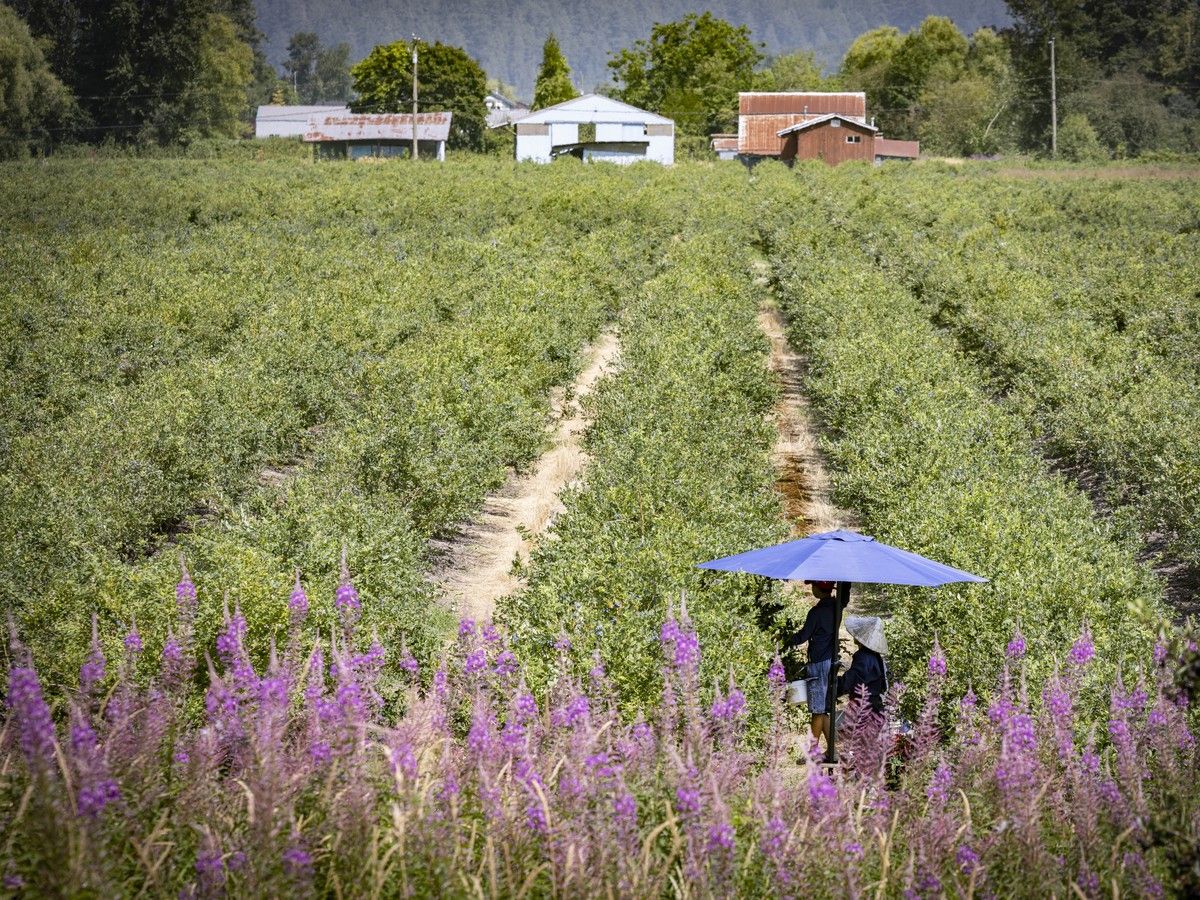
As many parts of B.C. experience heat warnings, advocates are sounding the alarm about extreme risks some workers continue to be in due to the gaps in adequate mitigation services.
Heat and air-quality warnings are in effect from Environment Canada for parts of Metro Vancouver and the Fraser Valley, with temperatures expected to climb to the mid-30s C.
WorkSafeBC requires employers to conduct workplace-specific risk assessments and develop plans that outline controls, training and safe work procedures. But some say the requirements are too vague.
“What we think is needed is more than just that general obligation. Give real clarity to the industry on what they should be doing,” said Brynn Bourke, executive director at the B.C. Building Trades Council, an organization supporting unionized construction workers in the province.
“We’ve been advocating for a trigger temperature approach, where when a threshold is hit, a number of proactive measures come into place, and that could be things like access to cooling spaces or shade, ensuring access to cold potable water close to the work site, access to electrolytes, specifications around rest breaks, and so really trying to make it clear and to be proactive in this heat so that workers never get to a dangerous situation.”
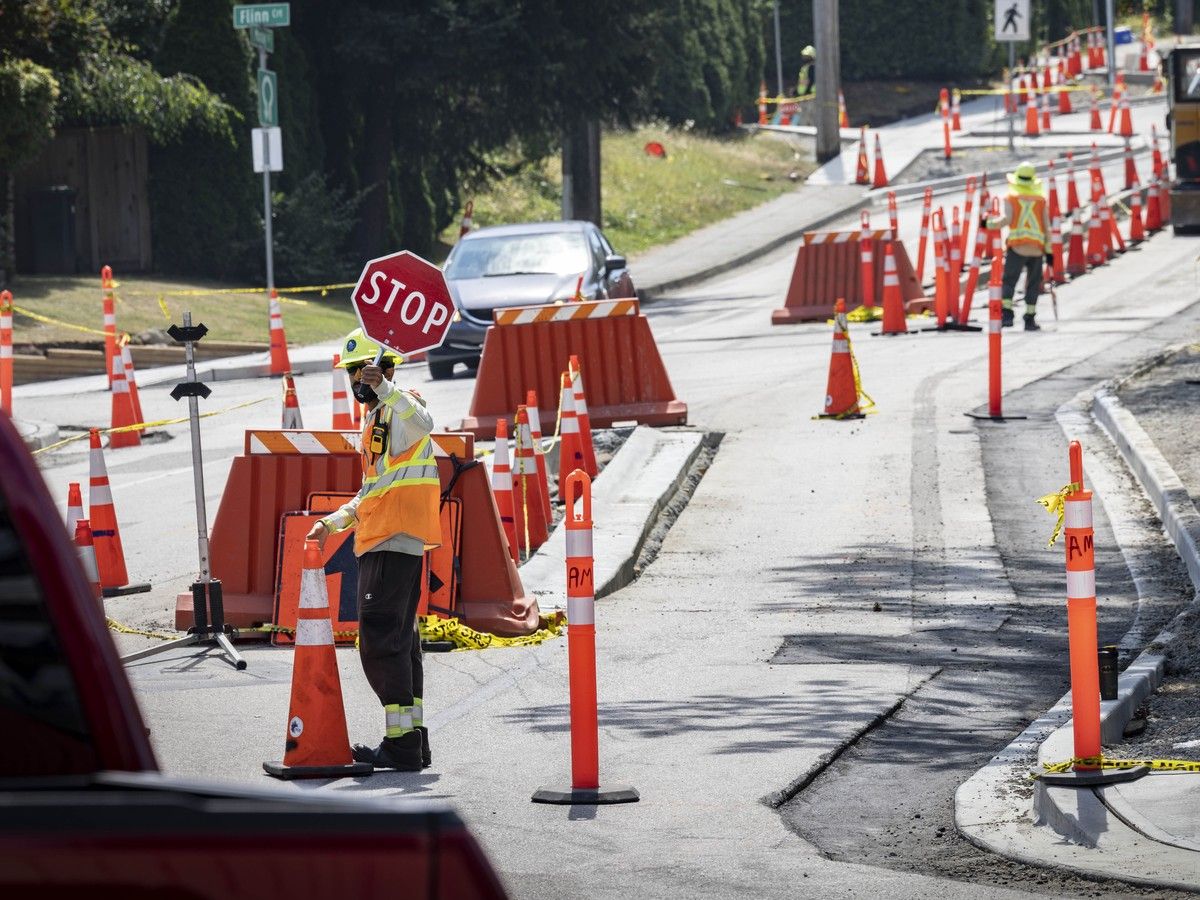
WorkSafeBC does make some recommendations for employers during heat warnings. It states in a news release that employers should provide cool drinking water, regular rest breaks, set up shaded or cooled recovery areas, schedule strenuous work during cooler parts of the day, improve ventilation and cooling in indoor work areas, rotate workers between hotter and cooler environments, and more.
“Elevated temperatures increase the risk of heat stress and heat stroke, which can be serious and even life-threatening,” Todd McDonald, head of Prevention Services at WorkSafeBC, said in a news release. “These illnesses are preventable, and employers have a responsibility to take steps to protect workers, whether they are indoors or outdoors.”
Raul Gatica, spokesman for the Dignidad Migrantes Society, says the stories he hears from migrant workers specifically are distressing. Many workers are telling him that headaches, dizziness and a lack of cold water or breaks are the norm.
“There is no shade for the worker to take a rest, there is no fresh, cold water, there is no cold towels, there is no breaks and there is no change of the schedule,” Gatica said. “Everything I mentioned is on WorkSafe’s website for employers, but there’s nothing to enforce it.”
Gatica says he and his group visit 50 farms on a regular basis around the province to check conditions, speak to workers about their rights and encourage them to report problems when needed.
“Some of the workers are sleeping outside, but outside, especially in the Okanagan, is dangerous because they have rattlesnakes. But their housing is so poor, without air conditioning,” he said.
Gatica says working conditions for migrant workers are staying consistently poor instead of getting better over time.
Since 2021, WorkSafeBC accepted 335 heat-related injury claims, with 47 of those from 2025. A breakdown shows that the industry with the highest number of accepted claims are from transportation workers, at 13. After that is public administration with five, while all other industries, including health care, construction, food and beverage, were all below five.
WorkSafeBC wouldn’t specify exactly how many for the other sectors, citing privacy reasons.
Gatica believes heat-related issues are under-reported, partly due to migrant workers being told that they’re lucky to be living and working in Canada, and fears around losing work as a result of reporting mistreatment.
“The labour minister should implement some actions to enforce employers to guarantee that the workers are protected. There is not enough, almost no action to enforce employers,” Gatica said.
Because of the broad obligation for employers having a responsibility to protect workers, Bourke says the actual action taken can be arbitrary in some cases, especially in cases where there are no union contracts.
“We’re very active in making sure that we’re mitigating those risks in the non-unionized sector. Workers have a lot less protections in place, so we’re trying to push for more clarity from WorkSafe,” Bourke said.
“Climate change is changing the environment where construction workers are working, and we need to make sure that everyone has the tools to keep workers safe. It is not safe to work exposed in full heat, without shade or without water for eight hours.”