 BURST
BURST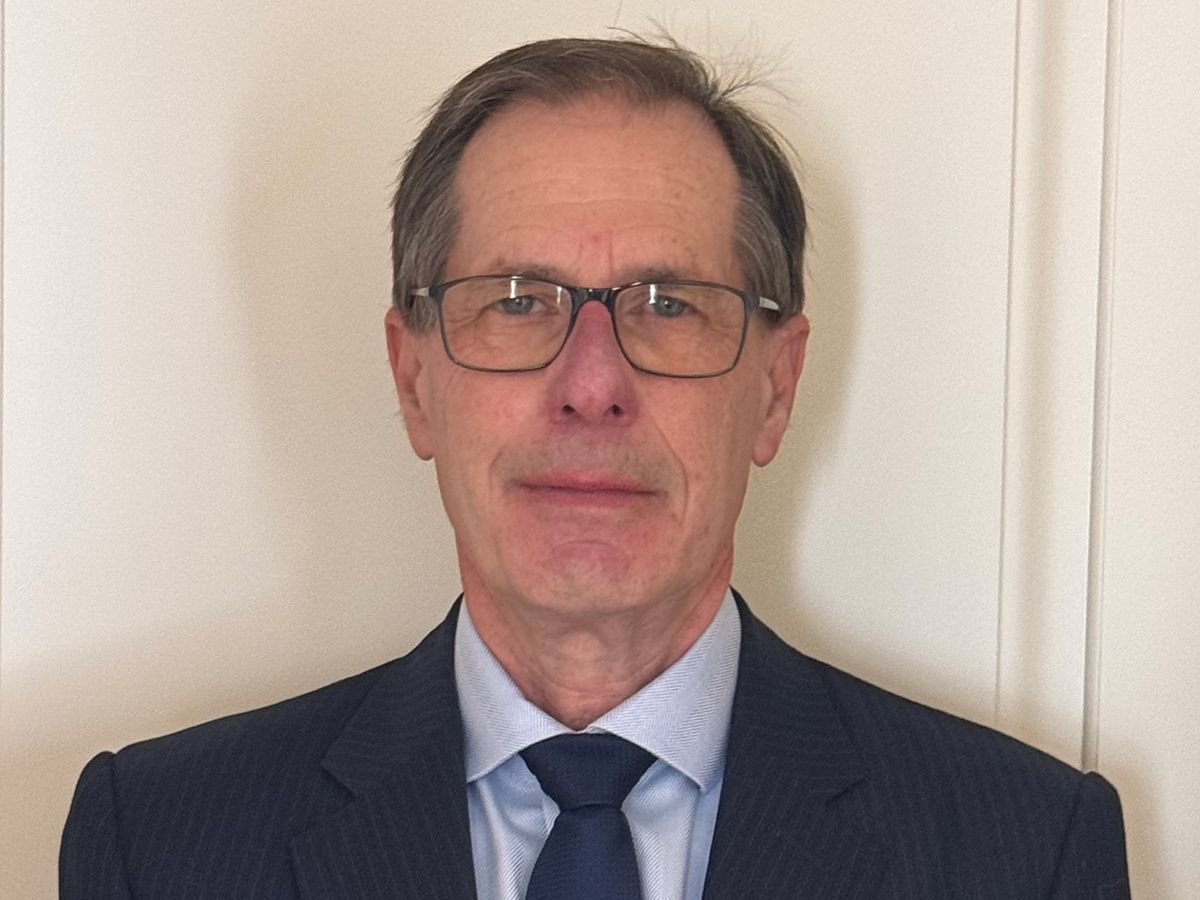
“Everyone wants to say this at the Petroleum Club, but no one wants to say it in public,” confides Bryan Gould, Shell Canada M&A veteran and now executive chair and founder of Aspenleaf Energy, a private Canadian light oil and gas producer.
The only politically viable path forward on energy, he tells me — however unpalatable for Prime Minister Mark Carney, given the worldview in his book Values — is to stop the games: strip away the barriers and let the free market work.
“This vilification of the extraction of the materials that are the foundation for our society, this has to stop, right?” he tells me. “It’s going to take grit and determination and willpower to confront the hard issues, and for me, a lot of this is about having more forthright, truthful conversations with Canadians.”
Bryan and I connected this week for an unfiltered conversation about the so-called grand bargain between Alberta and Ottawa: the pipeline MOU.
Early in the week, at the opening of the CERAWeek 2026 energy conference in Houston, Canada’s energy minister, Tim Hodgson, declared with gusto, “Canada is back!” — promising renewed ambition, pragmatism and urgency in energy policy. He even boasted about “building the biggest carbon capture project in the world.”
Behind closed doors, though, insiders are grumbling (as Bryan is doing publicly).
Sure, Ottawa could tweak methane rules or ease the tanker ban. But who exactly is going to pay for a multibillion-dollar decarbonization project for the oilsands in the middle of an energy crisis?
Phase one of the Pathways carbon capture and storage project is pegged at $16.5 billion — this at a time when Brent crude is hovering around $100 a barrel, hydrocarbon rationing and hoarding have begun, and Net Zero rhetoric is quietly dying.
A few big-company CEOs have grown bold enough to say, on investor calls and in speeches, that they still lack confidence Ottawa will deliver the conditions needed to unlock billions in new investment.
Bryan says it could be simple, if the government chose to make it that way.
“Getting rid of the tanker ban seems like a stroke of the pen,” he says. A revised Bill C-69 on impact assessments “is on the shelf, ready to go,” in his view. Ottawa could also drop its insistence on the Pathways carbon capture project as a precondition for any new pipeline. “Then at least you would see, in a more clean, unfiltered sense, what the market can do.”
“This is virtue signalling,” Bryan concludes. “The customer won’t pay for it, and the investor can’t — and won’t. So it’s on the taxpayer.”
Bryan knows competition for capital is fierce. With nearly 30 years at Shell Canada (including $30 billion in transactions he helped lead) and experience buying the gas that seeded LNG Canada — a project, he complains, that took 17 years from acquisition of the resources to first gas — he has little patience for idle capital.
“It’s deeper than just the carbon tax,” he adds. The real drag is the regulatory morass. Look at the cost and delays on twinning the TMX pipeline. Without a competitive regulatory environment, Canada simply won’t attract the capital needed to realize its potential.
Alberta Premier Danielle Smith echoed the urgency at CERAWeek: “We want to build new pipelines east, west, north and south — without delay, without hesitation — to supply Asian, European and American markets with safe, reliable, and responsibly produced energy products.”
Says Bryan: “I would argue the actual prize here is what I’ll call Fortress North America. I think there is a grand bargain to be done, but it’s not the grand bargain the premier talks about. There’s a grand bargain between Canada and the U.S. that would include energy, critical minerals, agriculture, uranium, security — and I know this for a fact because I have contacts with people there. That’s the deal they actually want to do.”
Bryan agrees the path of least resistance for incremental oilsands production heads south. “The lowest-cost, fastest route is to the U.S.,” he says. American refiners want more Canadian heavy oil, and when markets are balanced between production and pipeline capacity, the notion that we’re getting “screwed on price” doesn’t hold. The world oil market is remarkably efficient; it prices quality, distance, and end use. Shipping to Asia won’t magically command a premium.
Nor does he buy the idea that customers will pay extra for decarbonized oil. After years trying to do business with national oil companies in China and India, he’s blunt: “Never once did anyone even ask about emissions. The customer will not pay one red cent more for lower-emission oil — not in the United States, not in Asia, nowhere.”
Carbon capture is a pure cost. Someone has to pay, and that someone is ultimately the taxpayer. “Does the taxpayer want to pay for this, relative to all the other things they want to do?” he asks. “We owe Canadians a more forthright, truthful conversation on this. What are the costs? Who’s going to pay?”
When I ask about an eastbound, Energy East-style crude oil pipeline, built with Ontario steel, Bryan is skeptical. Crossing the Canadian Shield is tough enough; converting or building refineries equipped for heavy oil adds another layer of doubt. “Crude oil is great, but without a refinery, it’s actually not really worth anything.”
Bryan’s conclusions echo arguments made by those advocating for Alberta independence, yet he is no separatist.
“Canada’s really precious to me,” he says. His parents arrived as Jewish refugees from Czechoslovakia, because “this was the only country that would take them. I’m incredibly grateful. It’s worth fighting for.”
Our website is the place for the latest breaking news, exclusive scoops, longreads and provocative commentary. Please bookmark nationalpost.com and sign up for our daily newsletter, Posted, here.