 BURST
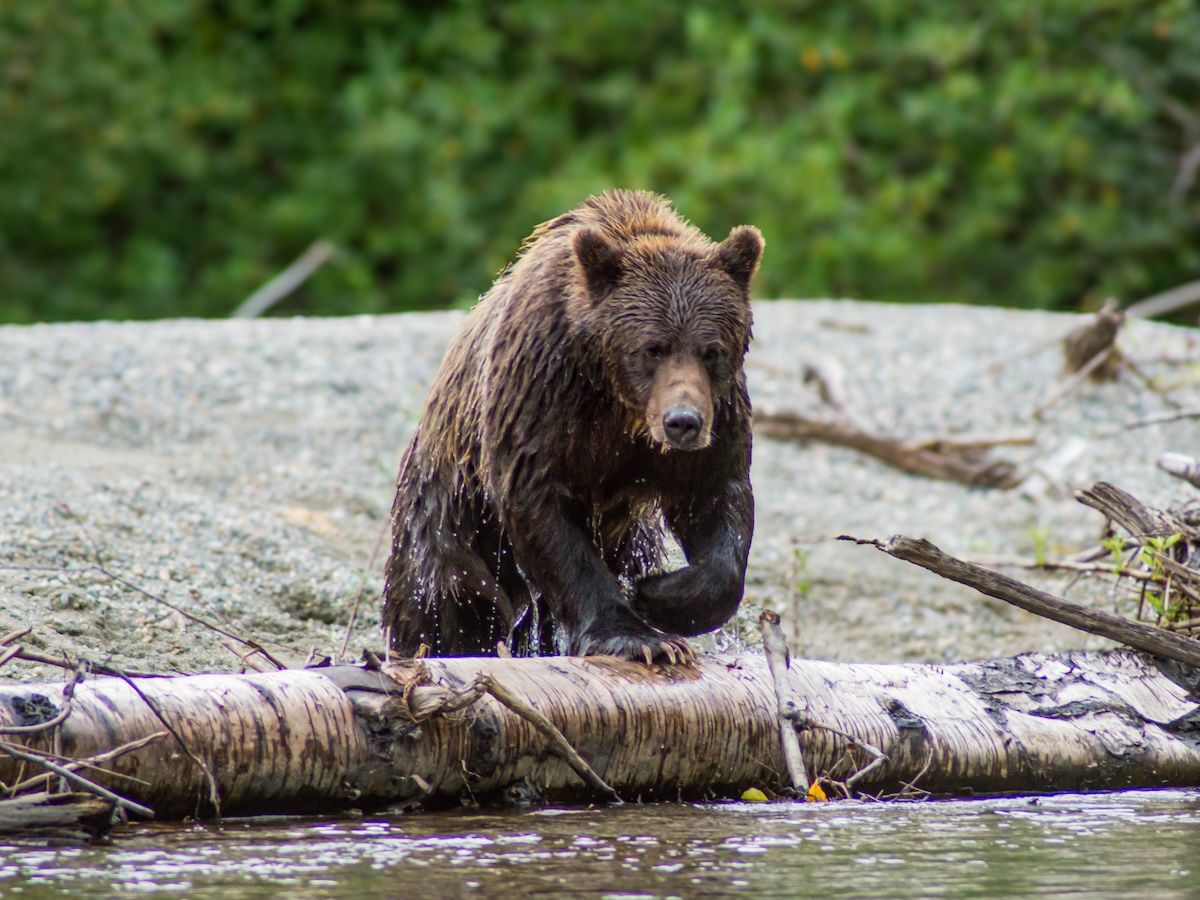
The B.C. Conservation Officer Service said Tuesday that the bears that killed two women last week in Bella Coola were exhibiting rare “predatory” behaviour.
The service’s Insp. Jeff Tyre said on Tuesday that a grizzly sow and her three cubs have been identified as the attackers and all four have been killed in the interest of public safety.
“Our investigation also found that this attack likely involved predatory behaviour, which I can tell you is very rare. We don’t know how it started, but we know how it ended,” he said.
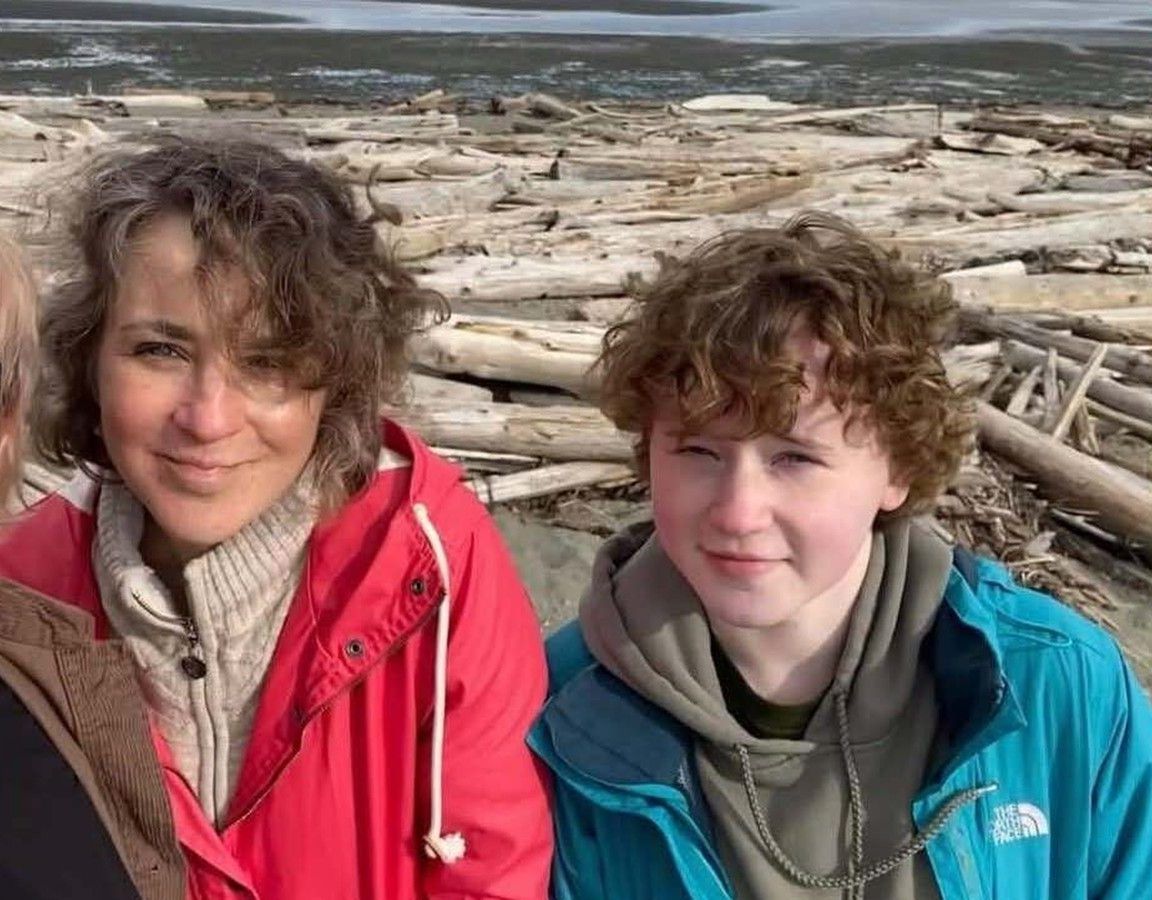
The bodies of Jenny Balcarras, 48, and her daughter Selah Reed, 20, were found 150 metres apart on the Snooka Trail system on Nov. 2 and 3, after being reported missing on Nov. 1.
He said killing the bears would “prevent similar attacks in the future.”
“They all had to be destroyed because bears that are involved in fatal attacks on people cannot be rehabilitated or relocated. This type of behaviour presents an extreme risk to the public.”
When asked to explain what predatory behaviour looks like in grizzly bears, Tyre would not elaborate: “Out of respect for the family, I’m going to decline to answer what predatory behaviour looks like, specifically in this case.”
Tyre only noted that this type of behaviour is rare, with only two fatalities recorded in B.C. since 2012 resulting from predatory bears.
According to Parks Canada, a bear is considered predatory when it no longer considers a human as a threat or when a defensive attack — normally only a few minutes in nature — continues. Predatory behaviour includes stalking people, using cover and circling slowly, and when the animal shows no signs of nervousness and maintains an “unwavering, direct gaze” fixed on a person.
More than a dozen conservation officers were involved in the investigation, Tyre said, and had spent the past week scouring the area and setting traps for grizzlies. Evidence from the investigation, as well as animal DNA that was analyzed by an Alberta laboratory, conclusively linked the animals to the attack, he said.
He added that the sow was believed to be in her teens, an age that will be verified by further testing, while the cubs were in their first year.
The community had experienced a traumatic bear incident a year earlier, when a group of children on a school trip were attacked by a grizzly bear, leaving 11 injured. But the Conservation Officer Service said the bears in this year’s attack wasn’t involved in the 2025 incident.
Samuel Schooner, the elected chief of the Nuxalk First Nation, thanked the authorities for bringing a measure of closure to his community.
“This was a deeply, deeply upsetting incident that required a co-ordinated approach, and it was carried out with the utmost care and respect,” he said. “This attack has been deeply retriggering for our community members as we continue to recover from last year’s attack, our thoughts remain with the victim’s family.
“We still have community supports in place, and they will they will remain there until we feel the timing is right to remove them. Our community is rightfully still deeply affected and will be for generations.”
There had been no evidence of increasing encounters between grizzlies and the community, Tyre said, again stressing the predatory attack was “very rare behaviour.”
It can occur from a loss of fear in bears habituated to human presence or nutritional stress through food scarcity, two factors that experts have previously stated of the bear population in the Bella Coola area.