 BURST
BURST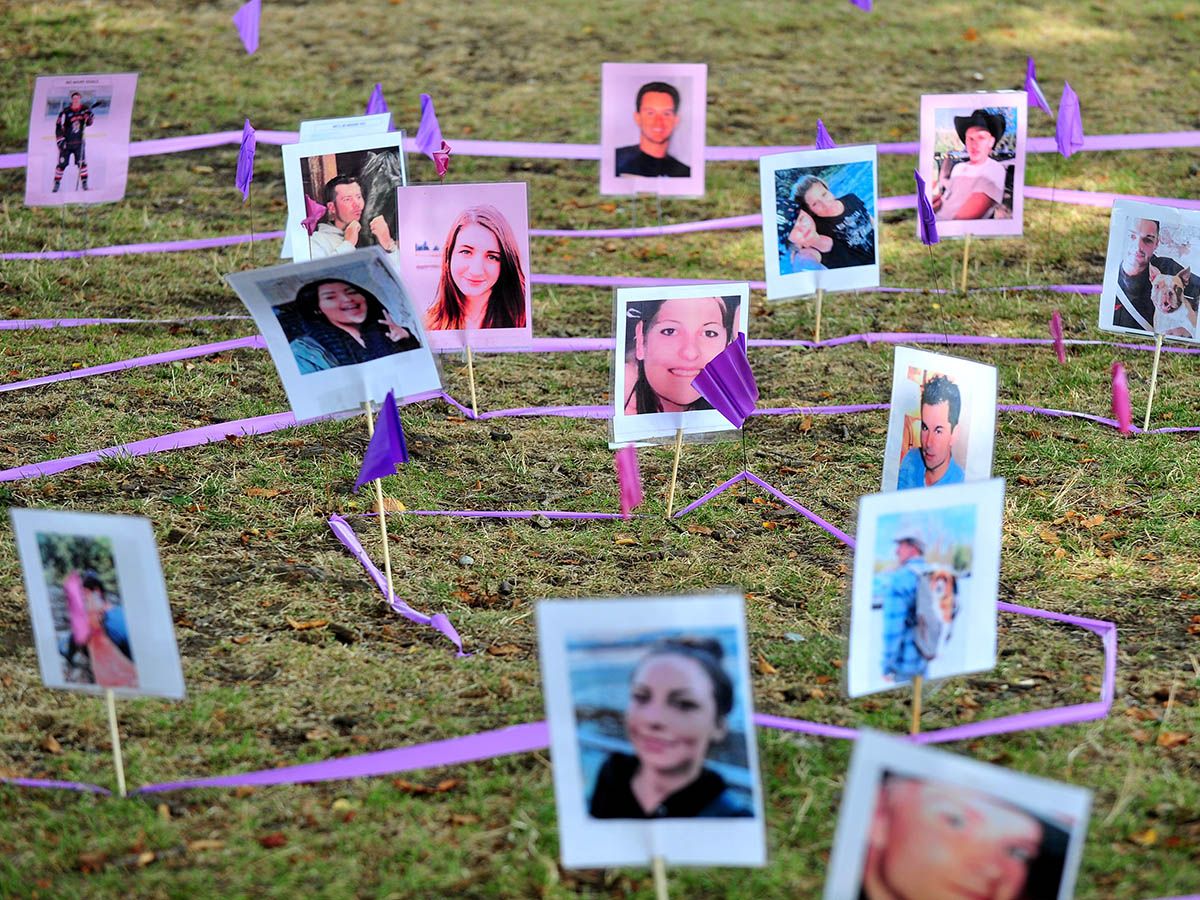
A public health emergency was declared 10 years ago this month as B.C. was hit by an unrelenting wave of toxic drug poisonings and overdose deaths. Health authorities, police, housing agencies, governments, Indigenous and social welfare organizations and many others have struggled to stem the tide, and the death rate is slowly — much too slowly — beginning to ease.
A report from Fraser Health’s chief medical officer released this week discusses the challenges, successes and failures, and lessons learned in facing the crisis. The report focuses primarily on the Fraser Health region and the more than 5,600 lives lost there since 2016, but its message is consistent with and relevant for all of B.C. — where upwards of 18,000 people have died by illicit drugs in the past decade.
“We are committed to acting on what we’ve learned from data, emerging evidence and from those who have lived experiences in our communities,” says Dr. Ingrid Tyler. “While we have made some important progress, we must continue strengthening our response.”
Here are six things we’ve learned a decade into one of the most devastating health crises in B.C. history:
1. It’s not just about fentanyl
Early in the drug crisis, fentanyl was synonymous with the emergency, but that’s evolving. Traffickers continue to introduce more toxic, powerful and unpredictable substances into the illicit supply. Monitoring of the supply shows there have been “continual shifts in unregulated substance composition, including the emergence of new additives and adulterants,” says Tyler.
In the Fraser Health region, fentanyl was present in over two-thirds of opioid samples checked. But benzodiazepine-like drugs such as etizolam were in about 40 per cent of samples, “complicating toxic drug poisoning management and diminishing the effectiveness of naloxone.” A veterinary sedative , medetomidine, that doesn’t respond to naloxone was detected in 38 per cent of opioids checked in November 2025.

2. It’s not just about the homeless
The lasting image of the toxic drug crisis might be of a user slumped over on a sidewalk or in a back alley, lost to the stupefying effects of opioids. But that’s just one part of the problem. The crisis has disproportionately affected those experiencing homelessness, it’s true, and getting people into housing — what’s known as the housing-first-approach — is considered a key to getting them help.
But private homes are where most overdose deaths happen, largely because the more public emergencies often lead to 911 calls and rescue by first responders. Men aged 30 to 59 are heavily affected, and the crisis has hit Indigenous and South Asian people hard. Also deeply affected are youth and young adults and those working in the trades and transport industries.
Each of these groups needs a collaborative response and customized, culturally appropriate support from peers, says Tyler — such as the construction industry rehabilitation plan involving industry leaders, trade associations, unions and employers working with health professionals.

3. It’s not just about those who died
As noted in recent public health updates, the rate of drug-related deaths in Fraser Health and across B.C. has been dropping since the end of the COVID-19. But that shouldn’t be interpreted as a sign of significant progress.
There are a wide range of reasons this might be happening: less fentanyl in the drug supply, more availability of and awareness about naloxone, and, crucially, the sheer number of people at highest risk who have already died. The cumulative loss of life is literally thinning the population of those most likely to overdose.
And then there are the large number of people permanently disabled by repeated overdoses. “For example, recent changes in the drug supply indicate that medetomidine and newer adulterants may be leading to fewer deaths, however the number of non-fatal toxic drug poisonings and subsequent hospitalization and associated disability may be increasing,” the report says.
In other words, don’t interpret the dropping death rate as anything like “success” in battling the crisis.
4. The pandemic made things worse
The drug crisis appears to have peaked during COVID. There are a bunch of reasons for that.
The lockdowns led to increased social isolation, stress and anxiety. Many were without jobs. The social distancing mandate was precisely the wrong message for those taking unregulated drugs, who are urged not to use alone. And the disruption to illegal drug routes led to a more toxic and unpredictable supply.
As with the entire crisis, Indigenous people were especially hard hit. Drug poisoning deaths increased 93 per cent in the First Nations population between January and May 2020. Public health restrictions “were layered onto the cumulative stresses of intergenerational trauma, systemic poverty, and pervasive racism and discrimination,” said Tyler.
5. Prevention sites are a complicated ‘fix’
As seen with Vancouver Mayor Ken Sim’s recent opposition to an overdose prevention site, this public health approach is controversial, and for good reason. The sites are designed to bring users indoors to be supervised and to avoid overdoses, but Fraser Health’s report notes they also disrupt neighbourhoods as those seeking the service and others who use drugs congregate around them.
“These impacts are unlikely to be eliminated entirely,” the report admits, calling for a co-operative response at all levels when nearby residents and businesses are adversely affected. Still, community opposition is real and the sites need to be only one of many ways to fight the toxic drug crisis.
Nonetheless, there were zero supervised consumption sites at the start of the crisis in 2016 and now there are 16 around Fraser Health. They appear to be here to stay.
6. More treatment beds and other therapies are needed
The provincial government has been criticized for the slow rate of opening new treatment beds, and more are needed as they’re clearly part of the solution for many struggling with addiction and mental health. Involuntary care, especially for addicted youth, has also been hotly debated and is still too rarely used to force people to get help.
Tyler’s report calls bed-based treatment for substance-use disorder part of a “broad continuum of treatment options” that includes outpatient programs, community supports and harm reduction strategies. It also says opioid agonist therapy — using drugs like methadone that help with withdrawal — has expanded. There was one service site for this therapy in 2016 and now there are 15. The report says it reduces deaths, cuts use of unregulated opioids and helps people get into treatment and other supports.
Flexibility in care models is key, says Tyler, including more rapid-access clinics, outreach teams, and virtual- and phone-based access for those facing stigma or geographic barriers.