 BURST
BURST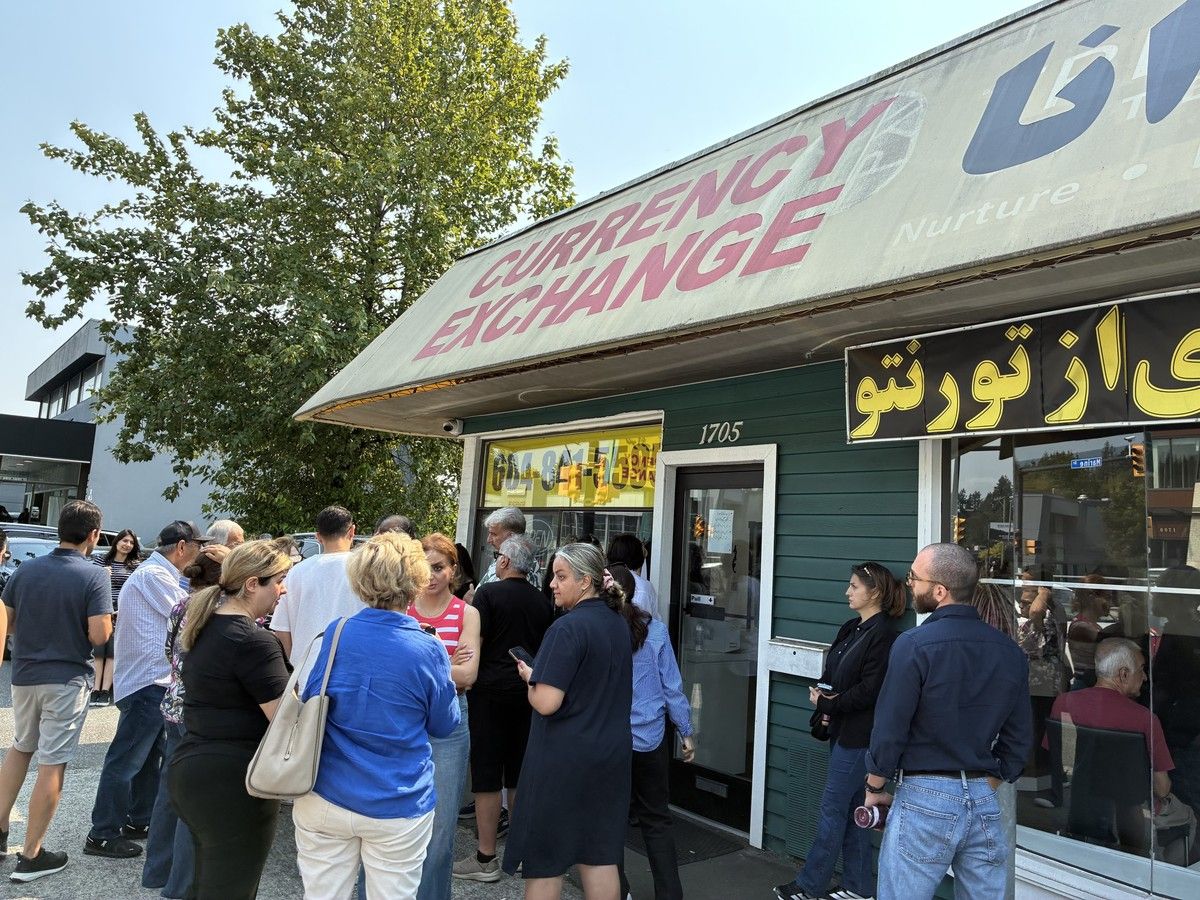
Customers of Apadana Currency Exchange in North Vancouver have started to file small claims lawsuits in B.C. Supreme Court in an effort to collect millions of dollars they say they are owed.
As of Wednesday, nine suits had been filed, claiming a total of more than $161,000.
Small claims suits have a monetary limit of $35,000.
Hundreds of customers of the currency exchange at 1705 Marine Dr., which specializes in moving money between Canada and Iran, have been demanding answers since the company suddenly froze all deposits, withdrawals and transactions this month.
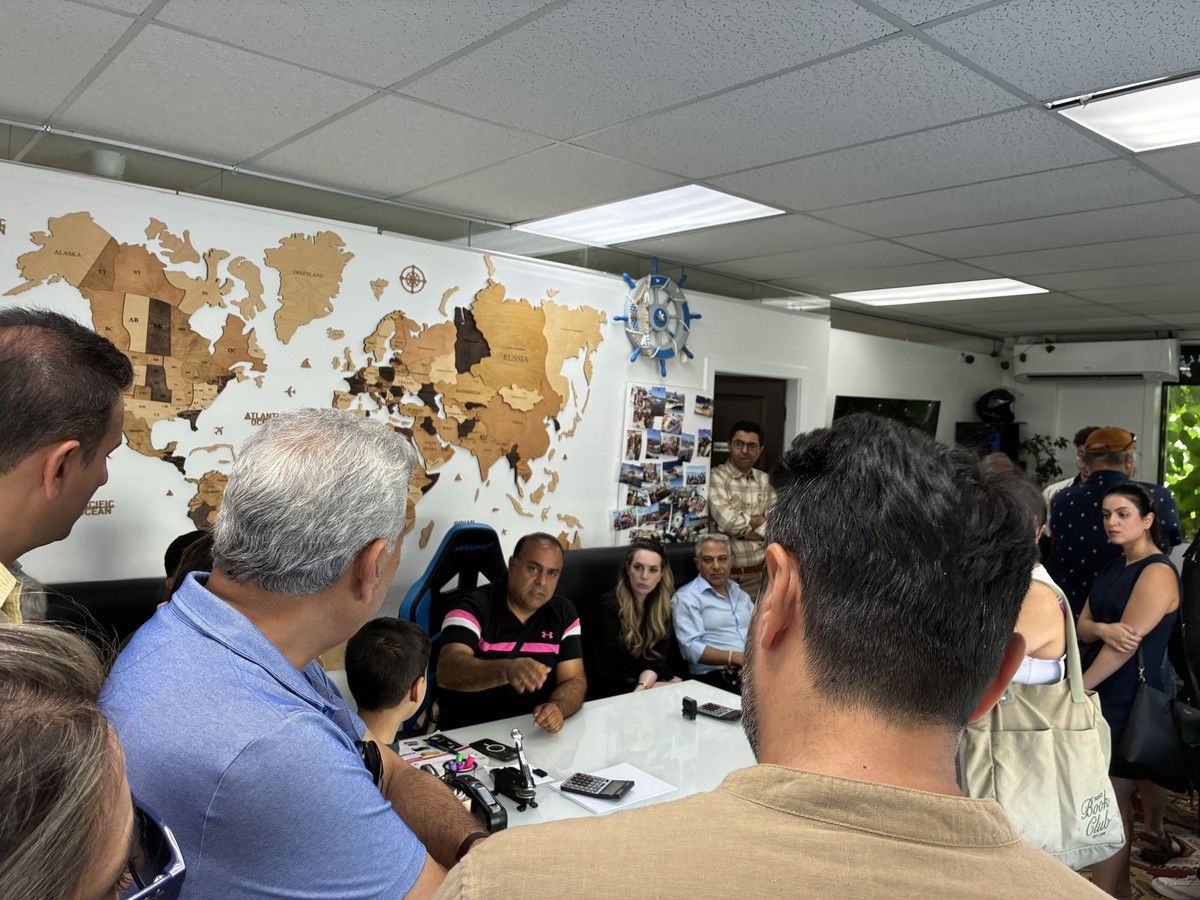
Apadana’s owner, Hamidreza Karimi, has acknowledged between 200 and 300 customers are owed between $4 million and $5 million. Karimi has said he is working with a committee of customers to declare his assets and somehow find a way to repay them.
One of the small claims filed in B.C. Supreme Court, for just over $34,000, outlines a customer’s efforts to collect money which was meant to be transferred from Iran to Canada.
It shows the customer was owed money in Iran. The person who owed the money deposited it on July 27 in an account at Bank Saderat Iran, stipulated by Apadana. That money was then meant to be converted into Canadian currency and deposited into an account in Canada within seven to 10 business days. Bank Saderat Iran is one of the financial institutions listed in Canada’s sanctions against Iran.
When the money was not transferred, the customer said they repeatedly contacted Apadana by phone and through WhatsApp and were told the payment would be made the same day or next day. “But the payment was not made,” said the customer in their small claims lawsuit.
The claim notes the customer filed a complaint with the North Vancouver RCMP.
The North Vancouver RCMP have said they are investigating, but would not answer questions this week on how many complaints they have received or how much money clients have allegedly lost.
According to court records, there is also a claim for more than $33,000, and others for $28,000, $20,000, $16,200 and smaller amounts.
One client of the exchange has told Postmedia his friend lost hundreds of thousands of dollars.
Saeed, one of the customers who lost money who only wanted his first name used and did not want to disclose how much money he had lost, said he will not be suing as he has no faith he could recoup his money.
He said there are also other customers that are not optimistic about recovering money through legal action.
He said one of the major concerns discussed among customers is whether there are actually any assets that could be recovered or seized through a court judgment.
“Many of the affected customers feel that there has been very little accountability,” said Saeed.

According to a Postmedia property record search through the province’s Land Title and Survey Authority, Karimi does not own any property in his name and Apadana Currency does not own the building it is located in.
Because Canada has sanctions against Iran prohibiting the transfer of funds using normal banking channels, people who wish to transfer money have to rely on informal networks that buy and sell Iranian currency in a third country, sometimes using currency exchanges to do so.
Karimi has told Postmedia that like most money-services businesses that facilitate personal payments to and from Iran, he uses a trusted partner in Dubai. He said that the office they used in Dubai couldn’t pay out the money to Canada. He said he reached a point he did not have enough liquidity to pay people back.
In response to questions Wednesday on the status of discussions with the committee, Karimi said there is no news yet.
He said he would provide an update next week.
Fintrac, the federal agency that oversees the required registration of money-service businesses, which includes currency exchange and operations that send money outside of Canada, has said that Apadana Currency Exchange is not registered as a money services business.
Karimi has said that Apadana is registered as an agent under Toronto-based Persica Currency Exchange. Fintrac said Wednesday Persica is registered as a money-service business.
Both Apadana and Persica are federally-created companies that have been dissolved for failure to file annual reports.
According to experts and the B.C. government , because funds in so-called money-service businesses are not protected in the way they would be in banks or credit unions, customers are left to try to get their money back from the company directly or through a lawsuit.
Premier David Eby’s government has said it intends to regulate money-services businesses because they can become conduits for money laundering.
But more than three years after the B.C. government passed the Money Services Business Act, the regulations that set out the rules and penalties have not been created . Those regulations are still to be worked out, and no deadline has been set, Postmedia reported earlier this month.
With files from Joanne Lee-Young