 BURST
BURST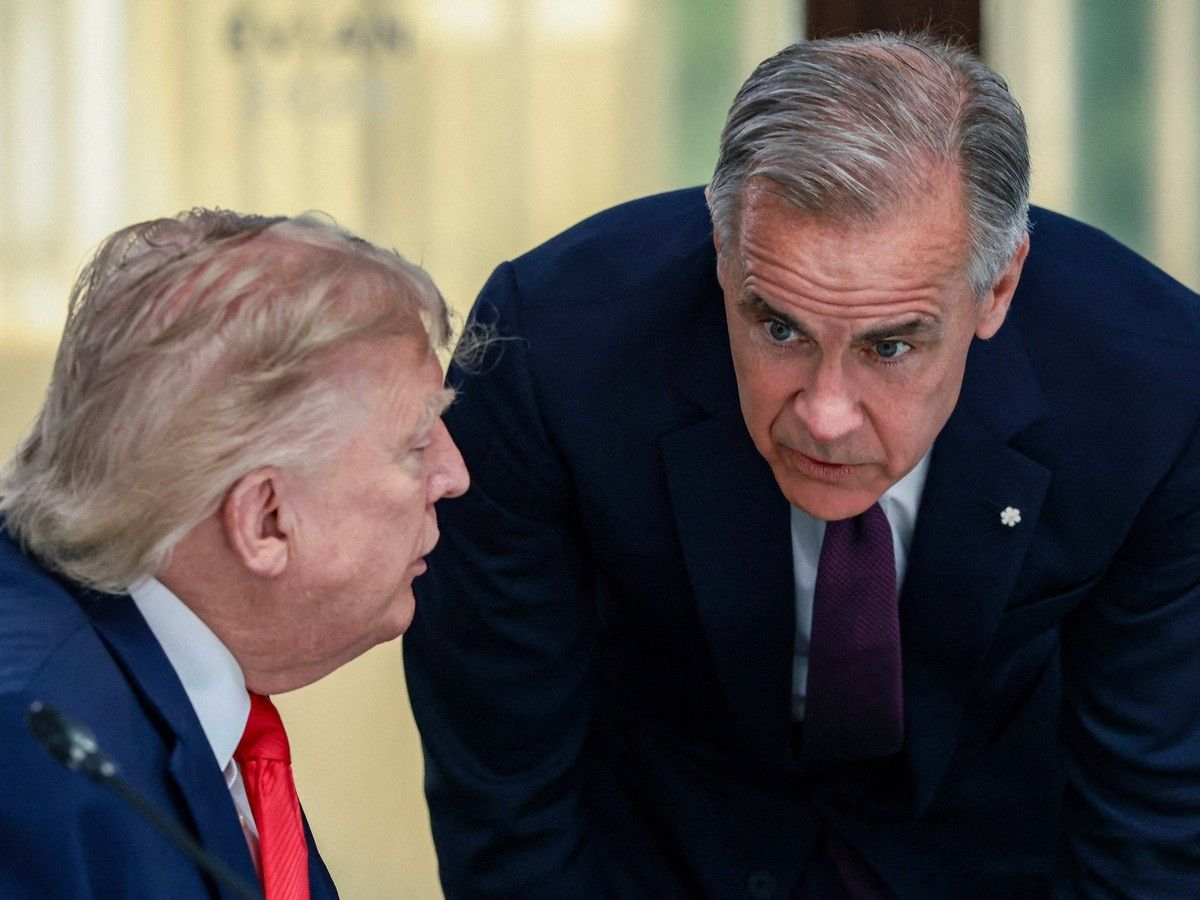
EVIANS-LES-BAINS, FRANCE — Prime Minister Mark Carney defended Canada’s Chinese electric vehicle deal with China to U.S. President Donald Trump on Tuesday, an agreement that has been criticized by the U.S. administration and the auto sector.
“Less than three per cent of our market, 49,000 cars…” the prime minister was heard saying to Trump, over the summit’s host feed, ahead of a working luncheon between the G7 leaders.
“…it’s a cap… I thought you’d actually like that,” added Carney.
The president replied, “that’s good, I like it.”
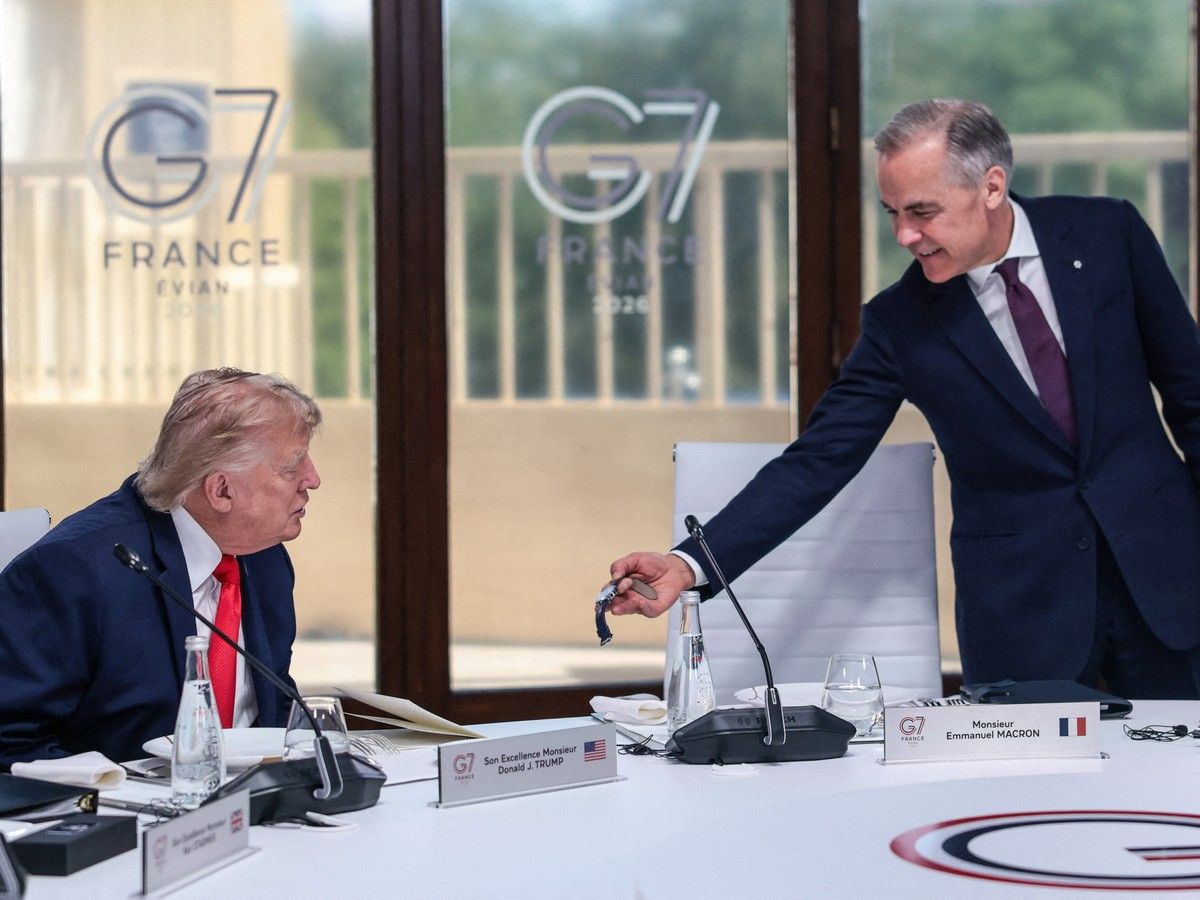
The exchange began with a joke between the two leaders about French President Emmanuel Macron leaving his watch behind on the table.
Carney arrived at the summit in France with no confirmed bilateral meeting with Trump. The G7 meeting marks the first time the prime minister and the president have been in the same room together this year.
In January, Carney signed a deal with Beijing that would allow 49,000 Chinese-made EVs access to the Canadian market at a tariff rate of 6.1 per cent. Since 2024, Chinese-made EVs have been subject to a 100-per-cent tariff, in line with U.S. trade policy.
The tariff quota agreement was made in exchange for lowered Chinese tariffs on Canadian canola and seafood exports and promises to provide affordable EV options for Canadian consumers.
The government has said in five years that more than 50 per cent of the vehicles will have an import price of less than $35,000.
The deal has been criticized for potentially undermining the Canadian auto industry and issues surrounding forced labour and national security have also been flagged by experts critical of the deal.
The Canada-United-States-Trade-Agreement (CUSMA) is up for renewal, and the auto sector is likely to be central in some of those trade talks.
Canada-U.S. Trade Minister Dominic LeBlanc and Chief Trade Negotiator Janice Charette are expected to meet with U.S. Trade Representative Jamieson Greer on the sidelines of the summit to discuss trade.
Last week, LeBlanc said he expects there will be bilateral deals between the U.S. and Canada and the U.S. and Mexico, adjacent to the trilateral CUSMA framework. Bilateral deals between Canada and Mexico are also expected.
Once those bilateral concerns are addressed, LeBlanc added that he was “hopeful” the trilateral deal would be extended.
Ahead of the summit, Carney downplayed bringing up any potential issues of trade with the U.S. president, adding that the leaders’ focus would be primarily on geopolitical events.
More to come.
National Post
Our website is the place for the latest breaking news, exclusive scoops, longreads and provocative commentary. Please bookmark nationalpost.com and sign up for our newsletters here.