 BURST
BURST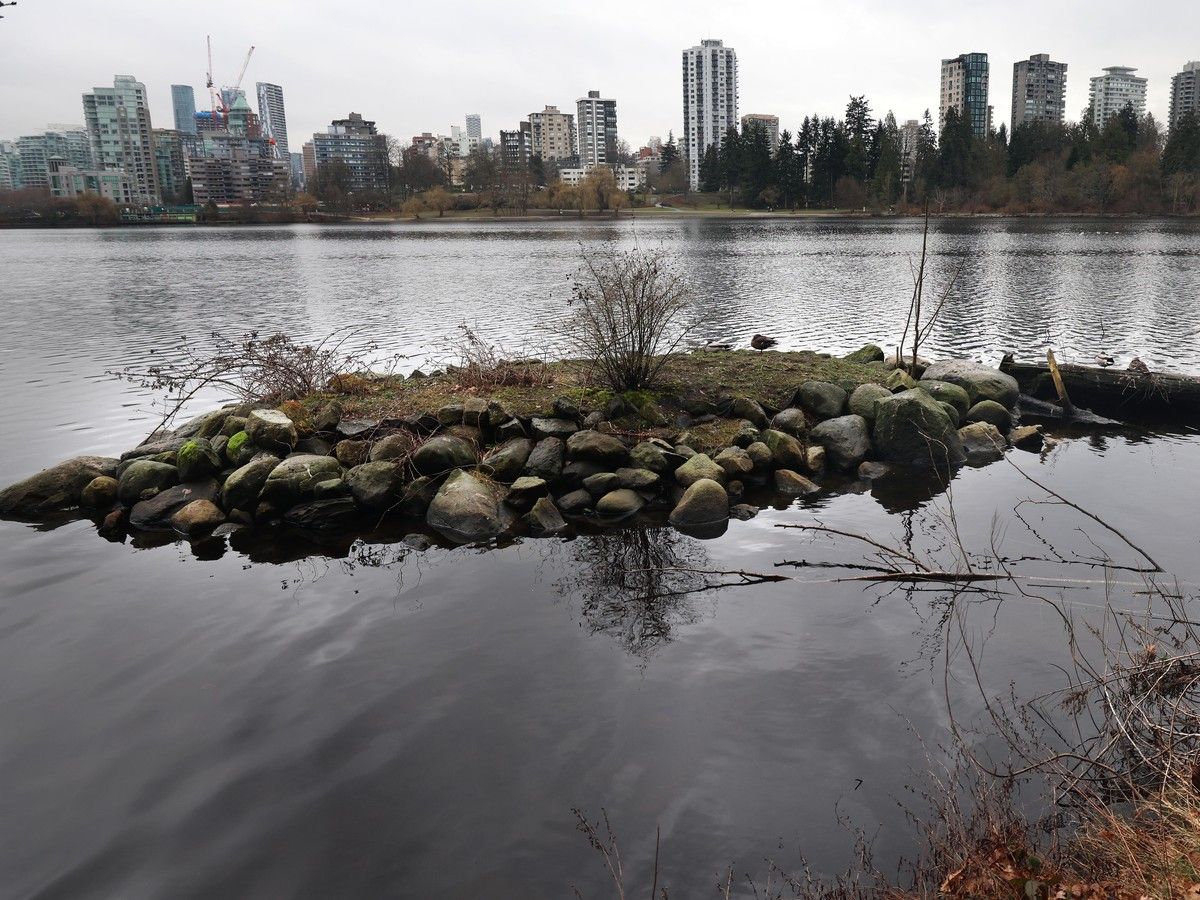
Vancouver park board will consider reconnecting Stanley Park’s deteriorating Lost Lagoon to tidal waters.
Next Monday, the board will be presented with the Lost Lagoon Reconnection Feasibility Study, that is already backed by the federal government, Port of Vancouver and the Tsleil-Waututh First Nation.
Park board staff will ask that the board “endorse the Lost Lagoon tidal reconnection concept and direct staff to engage with potential funding partners and regulatory agencies to enable its delivery through a multi-party funding arrangement reflective of its multiparty benefit.”
The project is expected to cost $30 million.
The staff report states “the environmental conditions at Lost Lagoon have been declining for some time, with poor water quality generating impacts to habitat, wildlife and visitor experience. The challenges at this site can be addressed by restoring a tidal connection to the ocean while maximizing water quality, habitat, biodiversity, and recreational values and working toward reconciliation.”
Lost Lagoon is a 17-hectare pond at the Coal Harbour entrance to Stanley Park with a water feature in the middle. It was originally a coastal salt marsh and tidal mudflat used by local First Nations, that during high tide made Stanley Park an island. In 1916 a causeway was built that turned it into a non-draining pond.
“Human interventions over the past 140 years at Lost Lagoon, particularly between the 1880s and 1960s, have created a disturbed environment that shows signs of significant decline and that is not sustainable nor resilient from environmental and visitor experience perspectives,” the report states. The lagoon is around one metre deep and experiences summer algae blooms.
The reconnection plan would see a water channel from Second Beach enter the lagoon area during high tides “enabling a full daily tidal flushing”, combined with culverts under the causeway.
“A reconnected lagoon would see less water accumulated, but more flush influx of water throughout the day, creating channels and tidal habitat with fluctuating depths. During periods of low tide, visitors might see mud flats, while during high tide, the area will appear more marsh-like,” the report states.
Tsleil-Waututh First Nation director of treaty, lands and resources Ernie George said the Lost Lagoon project was one of several supported by the First Nation. These include restoration of the Indian River, Maplewood mudflats, Seymour River and Lynn Creek estuary.
If approved by the board, detailed design work on the project would begin this year.
“Local, provincial and federal partnerships will be integral to advancing this project, which does offer benefits to several parties beyond the park board,” the report states. “Staff have initiated discussions with the city’s intergovernmental relations team to discuss an intergovernmental partnership approach.”