 BURST
BURST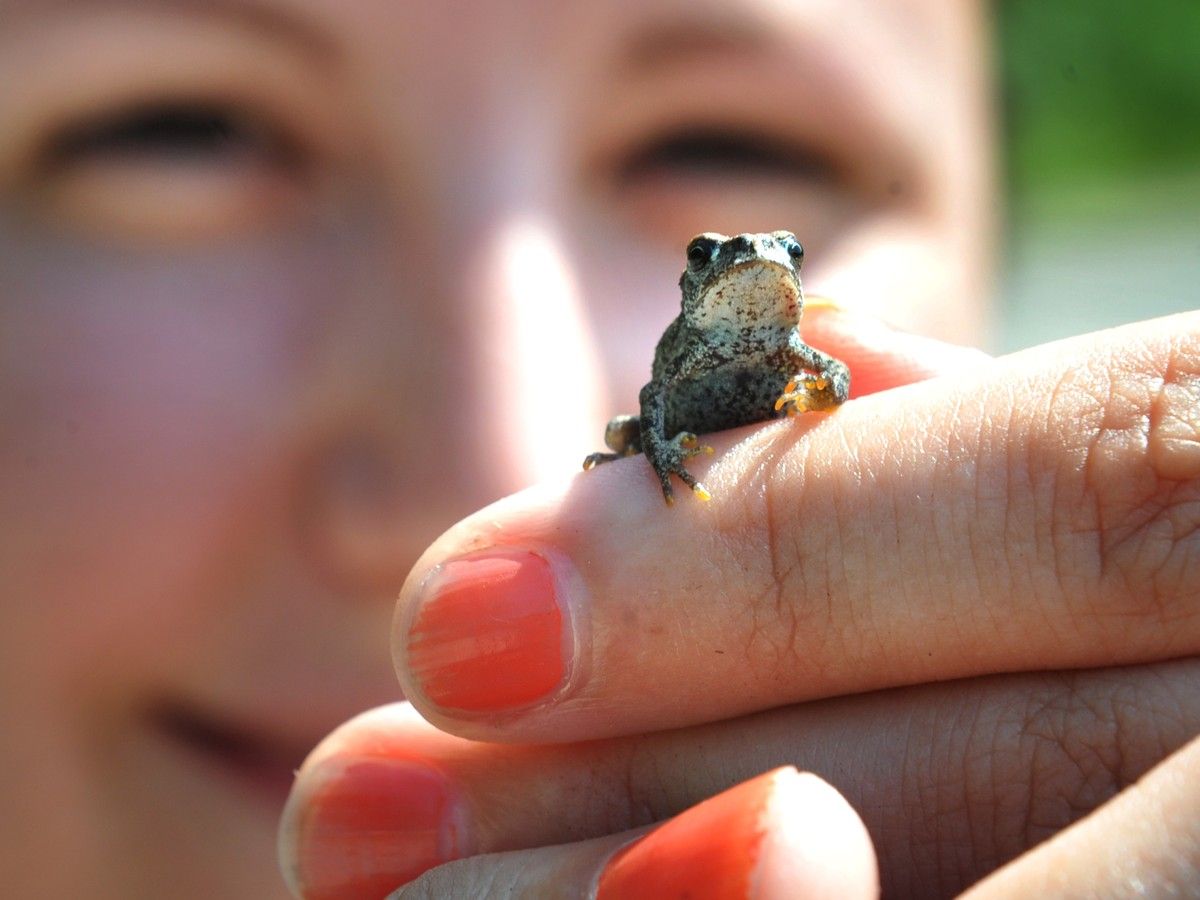
As hikers head out on long-weekend adventures in the Fraser Valley, they’re being asked to watch for tiny toadlets making their annual summer migration from wetland to forest.
The journey made by the western toad, an at-risk amphibian the size of a dime, is becoming increasingly perilous as more people visit the areas where they live, said Joanne Neilson, executive director of the Fraser Valley Conservancy .
The group has been working to save a specific population of toads in Chilliwack’s Ryder Lake, a rural community that experiences a surge of traffic on summer weekends as hikers head to the Elk Mountain trailhead.
“The area is very popular for recreation,” said Neilson. “If you look, you can probably find toads on the hiking trails.”
Each summer, the tiny toadlets make an annual migration from the wetland where they were born, across a pasture and into the forest. Roads border the wetland on three sides.
In 2015, the conservancy received funding to build a special tunnel beneath Elk View Road, the busiest of the three roads. Each summer since, temporary fencing has been installed to guide the toadlets to the tunnel. When funding was cut this spring, the group ran a fundraising campaign to pay for the fencing, raising $8,600.
But Neilson said some toadlets still find a way through the fencing and onto the road, or they take a different route, which puts them on one of the other roads. Detour signs are set up to guide drivers away from the toad’s preferred route each season. This year, fewer toadlets are using Elk View Road and the tunnel in favour of other roads.
“They come at the road in streams,” she said. “We used to count them and they’d go over in flows of 100 or more.”
As a result, a single vehicle can cause carnage on the road without even realizing it. While locals are aware of the toad migration, visitors may not be paying attention to voluntary detour signs or understand their significance.
The popularity of Elk Mountain has grown in recent years, due in part to its easy road access, stunning valley views and high social media visibility.
On a recent Sunday morning, the parking lot was full before breakfast, with cars parked on the side of the road leading away from the trailhead. Several cars drove quickly up Elk View Road past detour signs.
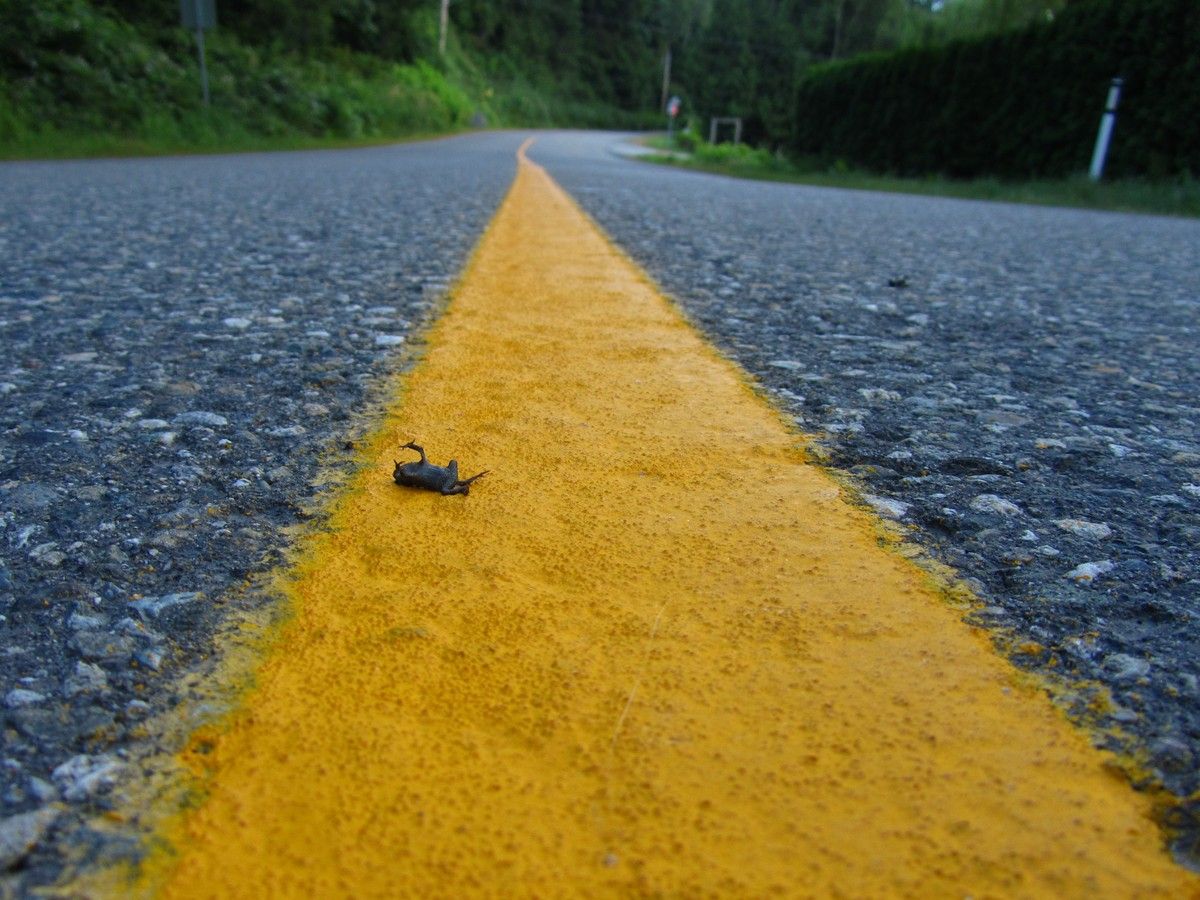
Neilson encouraged people visiting the area to be aware of the toads and “follow the detours when they are in place.”
Gravid female toads return to the wetland in spring, although they usually move on rainy nights when there is less chance of being squished. The loss of a female also means the loss of her eggs.
Western toadlet migrations happen across the Fraser Valley, but as the majority of the large, shallow wetlands that once dotted the region have been swallowed by housing development, they are becoming limited to large regional parks.
“In the past, all of these areas used to have this habitat,” said Neilson. “Now you have agriculture land on the valley bottoms, and the development goes up the mountainsides.”
The conservancy works with private land owners to help protect habitat for various at-risk species. The wetlands in Ryder Lake are home to six different species of amphibians, including the western toads and another at-risk frog.
The number of toadlets varies from year to year, with some years bringing less than 10,000 and others up to 100,000. The amphibian is considered a species of special concern in Canada and has a wide distribution in western North America, from Baja California to Alaska, and from the Pacific coast to Colorado and Alberta.
In addition to vehicles, threats include logging, pollution, fungal disease and climate change.
With Postmedia files