 BURST
BURST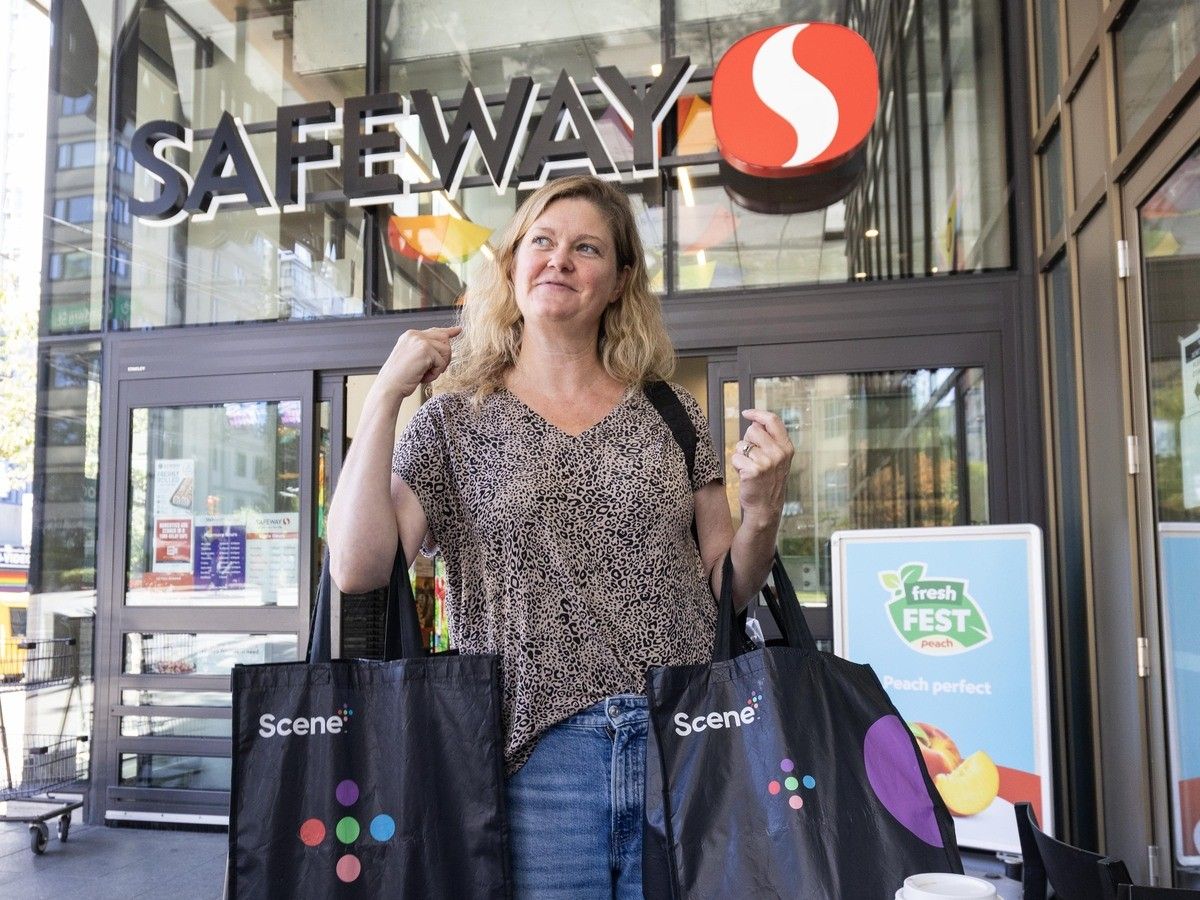
Britt Kirkpatrick came out of the Safeway on Vancouver’s Davie Street on a sunny Monday morning with three bags of groceries and a small act of defiance inside them — B.C. produce she had chosen over the cheaper American stuff on the same shelf.
“I’m willing to pay a little bit more if it’s from Canada, and kind of, in our own way, fight back,” said the West End nurse. “I think the consumer can fight better than our government.”
She is exactly the shopper the “Buy B.C.” campaign is counting on. Whether most British Columbians will follow her — and whether they even can, aisle by aisle — is an open question.
The trade war turned sharply over the weekend. After negotiations collapsed late Friday, U.S. President Donald Trump imposed 50 per cent tariffs on roughly $20 billion in Canadian goods, and Prime Minister Mark Carney vowed to match them dollar for dollar starting Sept. 8.
A new Angus Reid Institute poll released Saturday found 77 per cent of B.C. residents think Ottawa was right to walk away rather than accept a bad deal, and 65 per cent called the coming counter-tariffs “about right under the circumstances.” But the resolve comes with a flinch — nationally, nearly nine in 10 worried the dispute will drive up the costs of goods and services.
Six shoppers Postmedia spoke with at two West End stores on Monday told a more complicated story than the poll numbers alone.
Nearly all said they try to buy Canadian, and everyone backed Carney’s decision to walk away from the negotiations. But the resolve frayed at the price tag and the produce bin. Some pay the premium without blinking, some weigh every dollar, and some can’t always find a local option to buy even when they want one.
The produce aisle is where much of it plays out. On a walk through the Davie Street Safeway, potatoes, tomatoes, cabbage and broccoli were mostly or entirely Canadian, all flagged with a Maple Leaf or “Buy B.C.” tags.
Fruit is where it fell apart.
Daniel, a retiree who didn’t feel comfortable giving his last name, had just come out of a No Frills store onto the Davie Street sidewalk, a grocery bag in each hand. He reads every label to buy Canadian.
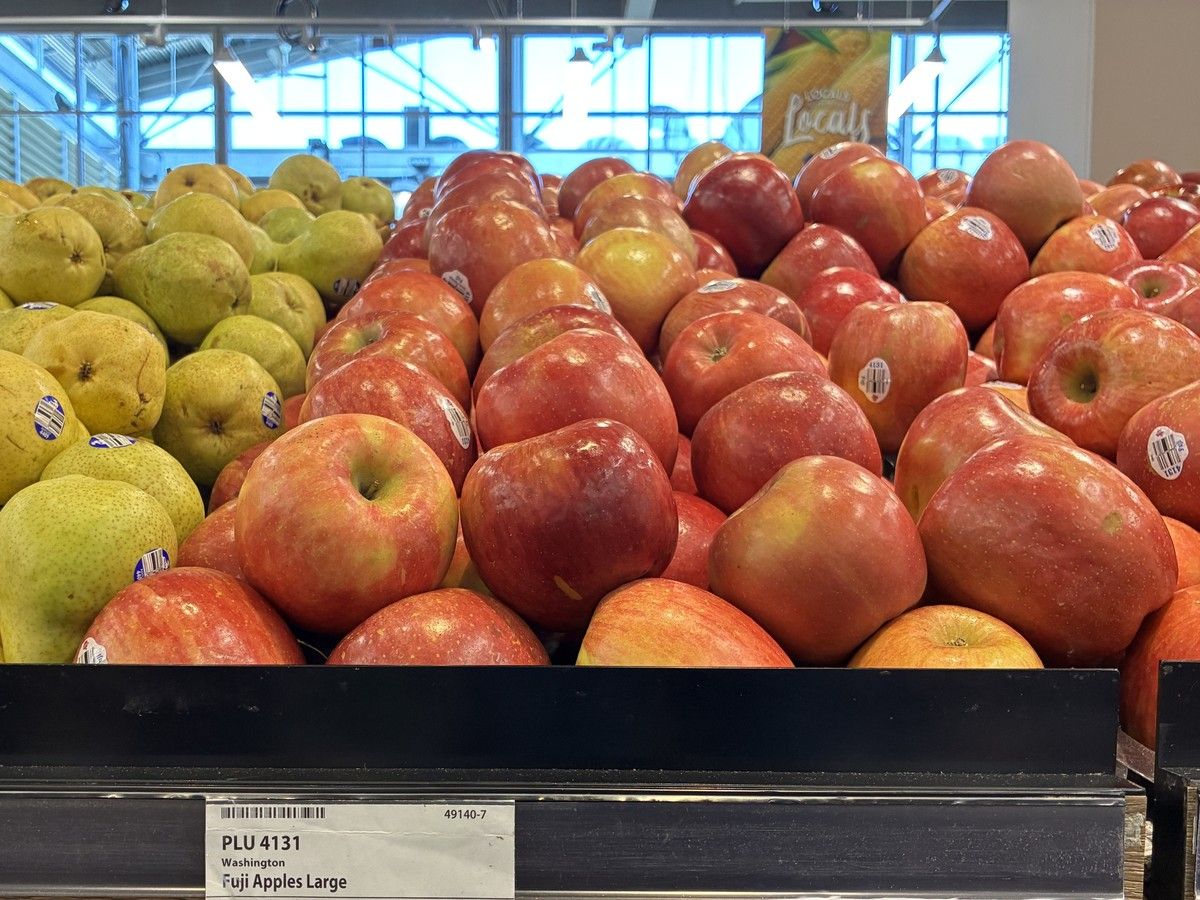
“I’m still young enough, I can read the label,” he said. “I won’t Buy American apples. I’ll look for Canadian apples.”
But there were none to look for. At both the No Frills where he had shopped and the Safeway down the street, apples this week came from the U.S. or New Zealand, none from Canada.
Price isn’t Daniel’s obstacle. He rattles off local bargains — Okanagan peaches he picked up at $6.44 for three litres — and buys carrots with the green tops still on because he knows those are local. He had walked out of the No Frills happy with one small win: corn, 39 cents a cob, Canadian.
For him, buying Canadian isn’t a response to Trump but a lifelong habit he traces to his grandmother, a Ukrainian immigrant who warned a century ago that leaning too hard on the Americans would cost Canada its independence.
“Here we are,” he said. “That’s money that could be going into our economy, and not the U.S. economy.”
For Kirkpatrick, the labels do a lot of the work.
“Safeway is really good. They usually tell you if it’s made in Canada, which really helps,” she said.
A few blocks away at the No Frills, they don’t. Loose apples sat in bins with prices, but no country of origin, leaving shoppers to guess. The discount store, where tighter budgets tend to land, is also where buying local seems a harder task.
Kirkpatrick’s own resolve runs in waves.
“The more (the issue of tariffs) comes up again, it’s a reminder,” she said. “When they put signs up by food that says ‘Made in Canada’, that catches my eye and reminds me.”
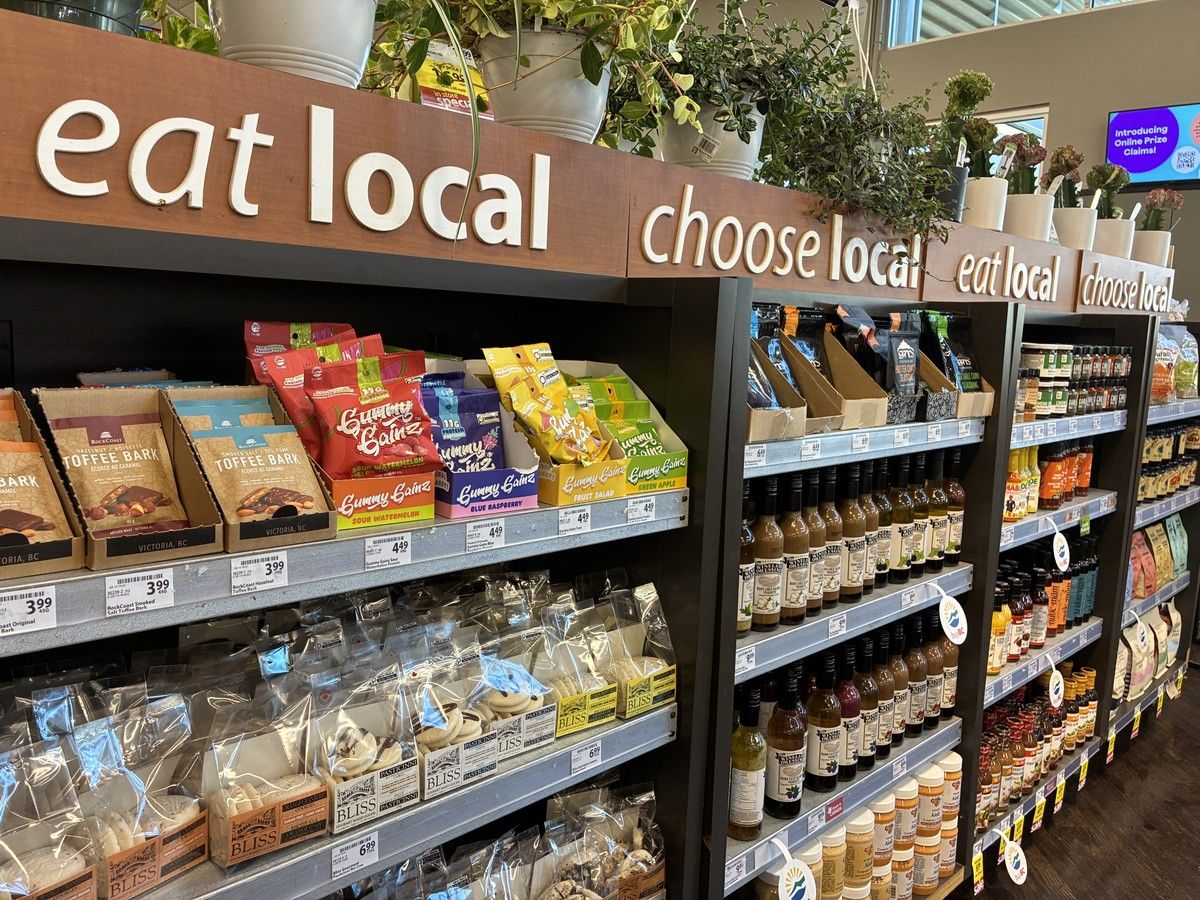
Across much of the fruit aisle, buying local wasn’t even an option. Grapes, strawberries and raspberries were mostly America. The rest came from South Africa, Mexico or Peru. B.C. turned up mainly in cherries, blueberries and Okanagan stone fruit.
Jill, a self-employed shopper who gave only her first name, buys local when she can, but when something local is “ridiculously” more, she skips it.
“I’m a single-income, self-employed person with high rent, so I do watch what I spend” she said.
Others put price first, but not always by choice.
John Lord, a retiree leaving No Frills with a small black bag, gave a short answer when asked what guides him: “First, price.”
Groceries have gotten “too expensive,” Lord said, and on a fixed income, there isn’t much room to shop on principle.
“Ever since COVID, everything’s going so high. You buy it, or you can’t.” He would buy local when the price is right, but often it isn’t.
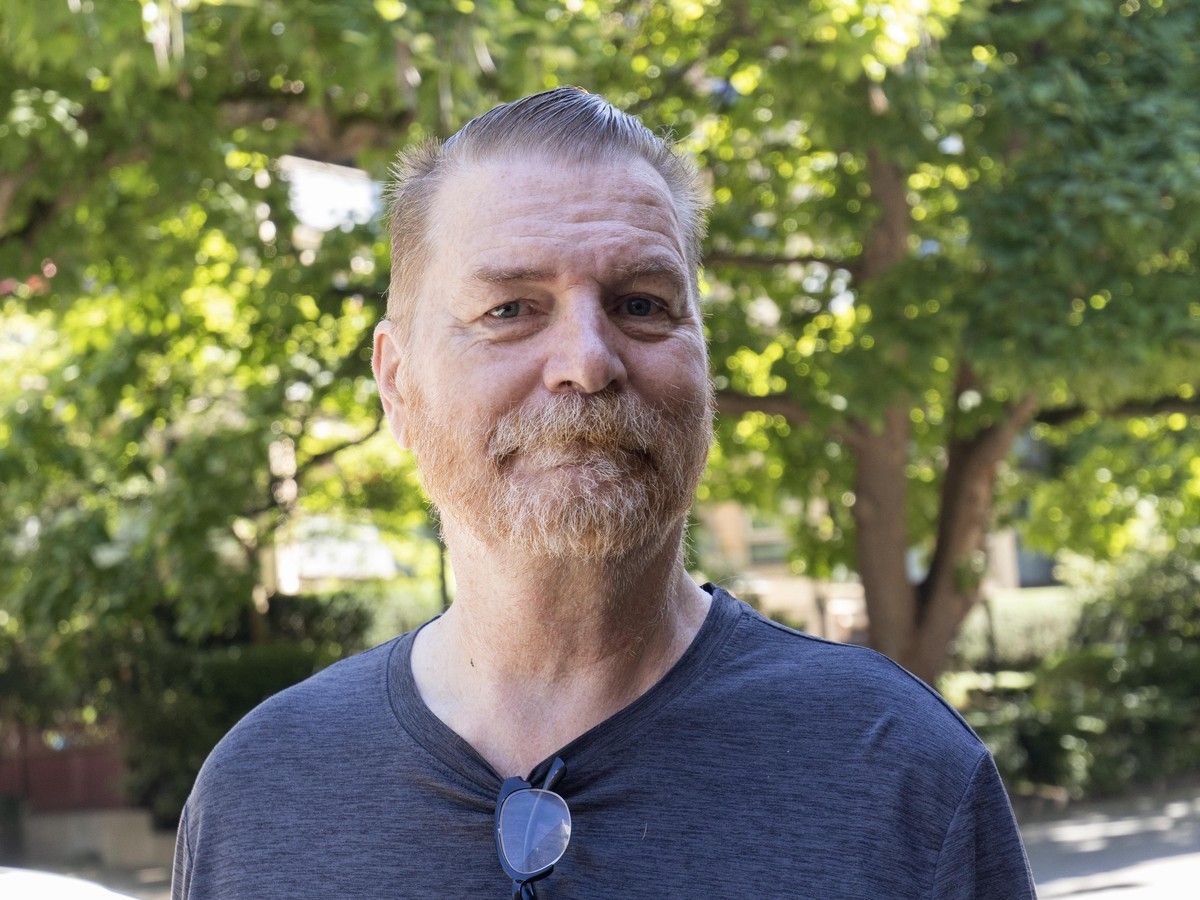
Dylan Morim was working the same math from a younger vantage point.
With a big plastic jug of milk under his arm outside the No Frills, he and his husband were on a tight budget well before the tariffs, he said, and price decides most of what goes in the cart.
He wouldn’t pin rising grocery bills on Trump alone. Costs have been climbing for five years, he said, since “the COVID era,” with the trade war “exacerbating the issue” rather than causing it. Between two products at the same price, though, he lands local every time.
“I’m always going to pick the local option, just because I know it has better cash flow through the local economy,” Morim said.
Not everyone was tracking it. Outside the Safeway, a man in his 80s waited for a cab beside a full cart and asked what a tariff was. Told, he shrugged. He doesn’t follow trade wars, he said, and just buys what he needs.
The resolve holds for now. In B.C., 60 per cent told polling firm Angus Reid the country can weather the storm, and 70 per cent believe Canada will come out of it stronger.
Back on the sidewalk on Davie, Daniel wasn’t waiting on Washington to make it easier. He will keep buying Canadian regardless, he said — the way he always has, long before Trump gave anyone a reason to.