 BURST
BURST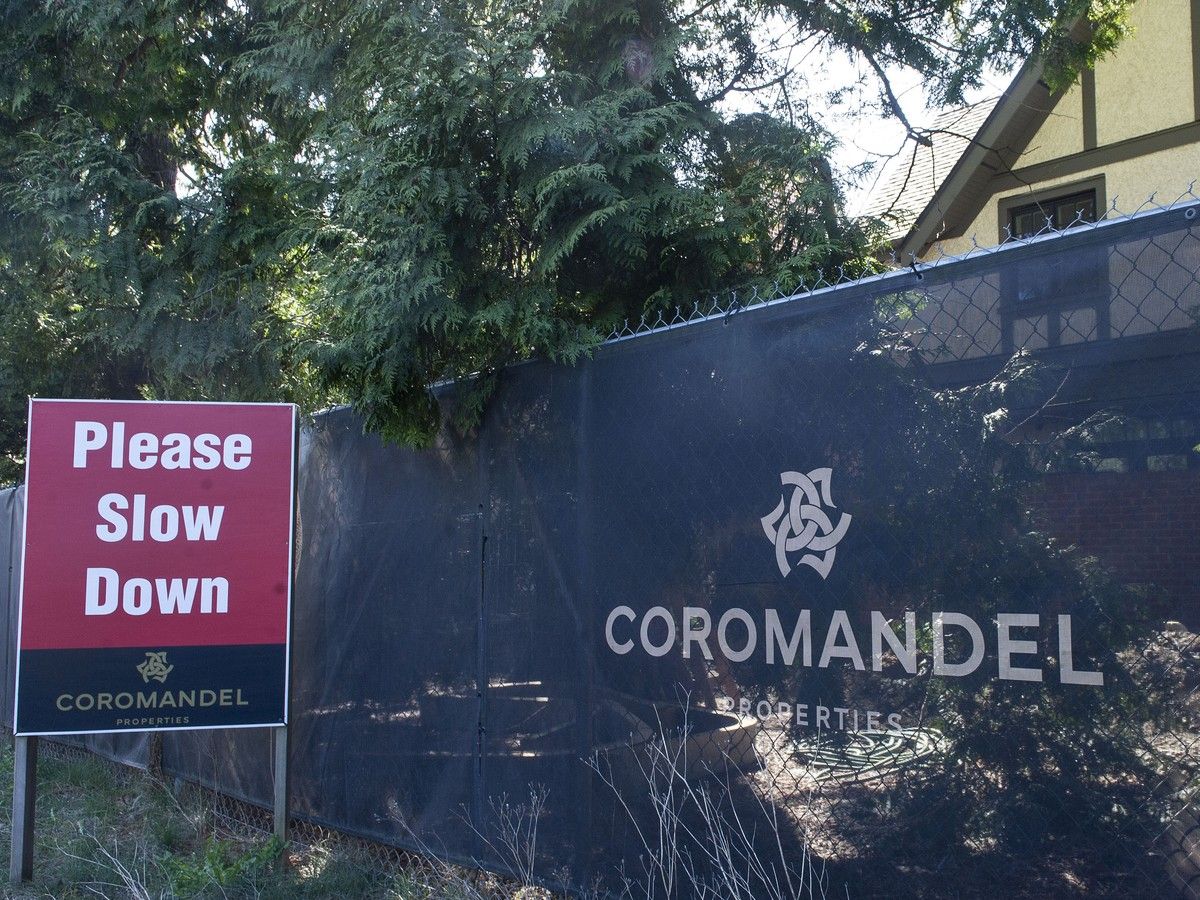
Behind the spectacular collapse in 2023 of Vancouver developer Coromandel Properties — leaving $700 million in debt spread over 16 properties — lies allegations of a massive fraud by Coromandel’s CEO against a Chinese investor he befriended.
In 2023, Coromandel part-owner Junchao Mo and his sons filed a lawsuit against Coromandel Properties CEO and co-owner, Jerry Zhong.
Mo and his sons allege Zhong enticed them to invest in his various Vancouver-area real estate projects through five family trusts and three B.C. numbered companies and then misappropriated those millions to purchase houses and condos, pricey art from Vancouver galleries and expensive life insurance policies, and to provide a large slush fund to Zhong.
Zhong’s denies all the allegations and the lawsuit has not been tested in court.
The lawsuit filed by the Mo family alleges a story of a long friendship that ended in betrayal and collapse of 82 Coromandel companies.
The lawsuit alleges the Mos put up and lost more than $151 million and are on the hook for $358 million in guarantees on the company debt because of years of deliberate fraud by Zhong and more than two dozen relatives, senior company employees and lawyers.
The lengthy lawsuit, still alive in B.C. Supreme Court, listed several west side Vancouver mansions and downtown condos worth $50 million that it alleges Zhong purchased with the money. It also lists million-dollar life insurance policies and almost $7 million in art from two Vancouver art galleries, including four paintings by Jean-Michel Basquiat and four by Javier Calleja.
Mo alleges Zhong purchased the art while the company was in financial difficulty and used several paintings and two sculptures as collateral to take on more debt.
The lawsuit alleges Zhong transferred money out of the company to him and other family members, the greatest single amount of which was $20 million to him.
Zhong and most of the other defendants have filed responses denying all allegations, including that senior employees cooked the company’s books to deceive Mo about company finances and that a lawyer forged Mo and his wife’s signatures to secure more loans against them.
Zhong, in his response, said he “did not engage in a conspiracy designed to embezzle, misappropriate or conceal investment funds, as alleged or at all.”
The case was in court recently when one of the defendants, lawyer Jason Wang and his law firm, asked to have three lawsuits against him, including this one, heard together. The judge granted his request.
The original lawsuit alleges Mo, who lives in Macau, met Zhong through Zhong’s father, whom Mo had known for a long time as a friend and business partner. He and the younger Zhong became friends.
The elder Zhong persuaded Mo to invest $150 million his son’s Vancouver development company around the time Coromandel burst on the scene with a number of high-profile condo developments, including a condo tower and hotel complex on Cambie Street across from the new Oakridge Park development, according to the lawsuit.
Zhong offered Mo a chance to be a silent partner and to own 70 per cent of the company because Mo was accepting the greater risk. Zhong as director and officer of each of the 82 Coromandel companies had autonomy in managing Mo’s investments.
Mo and his family invested $73 million in 2016, $36 million in 2017, and varying additional amounts up to 2023, the lawsuit alleges. That included $27.8 million five years ago when Zhong told Mo he wanted to expand the portfolio and he needed Mo to guarantee repayment of additional mortgage financing, according to the lawsuit.
The fraud continued after Zhong had sought creditor protection, with Zhong telling Mo he needed an immediate payment of $5 million to pay some pressing debts during restructuring and if Mo paid it, which he did, he wouldn’t be required to guarantee the company debts, the lawsuit alleged.
During the insolvency proceedings, Zhong misappropriated Mo’s investment and “bought assets that were beyond the plaintiffs’ reach,” it alleged.
“Mr. Mo was in a vulnerable position to Zhong in that he resides primarily outside of B.C., does not speak English, entrusted Zhong to manage his Canadian business interests and the investment funds in Canada, and generally reposed great trust in Zhong,” the lawsuit says.
Zhong and the other defendants then converted investment funds “with the intent of negating the plaintiffs’ interest” in them, it alleged.
That included selling Coromandel’s interest in some of the development projects and then keeping the proceeds instead of returning them to the company to pay its debts, and it was through this that “Zhong caused Coromandel’s solvency,” it said.
Mo was unaware of the financial difficulties Zhong faced and said he only learned of Coromandel’s filing for creditor protection in early 2023 through news reports.
When confronted, Zhong blamed high interest rates and a drop in the market and assured Mo the media reports were overblown or exaggerated by lawyers seeking to increase their legal fees, the lawsuit alleged.
Mo filed documents in court to stop the “fire sale” of Coromandel properties, but Zhong told him to co-operate while the company restructured, it said.
Coromandel’s collapse left dozens of contractors owed money. Several lawsuits related to that are still making their way through the courts.