 BURST
BURST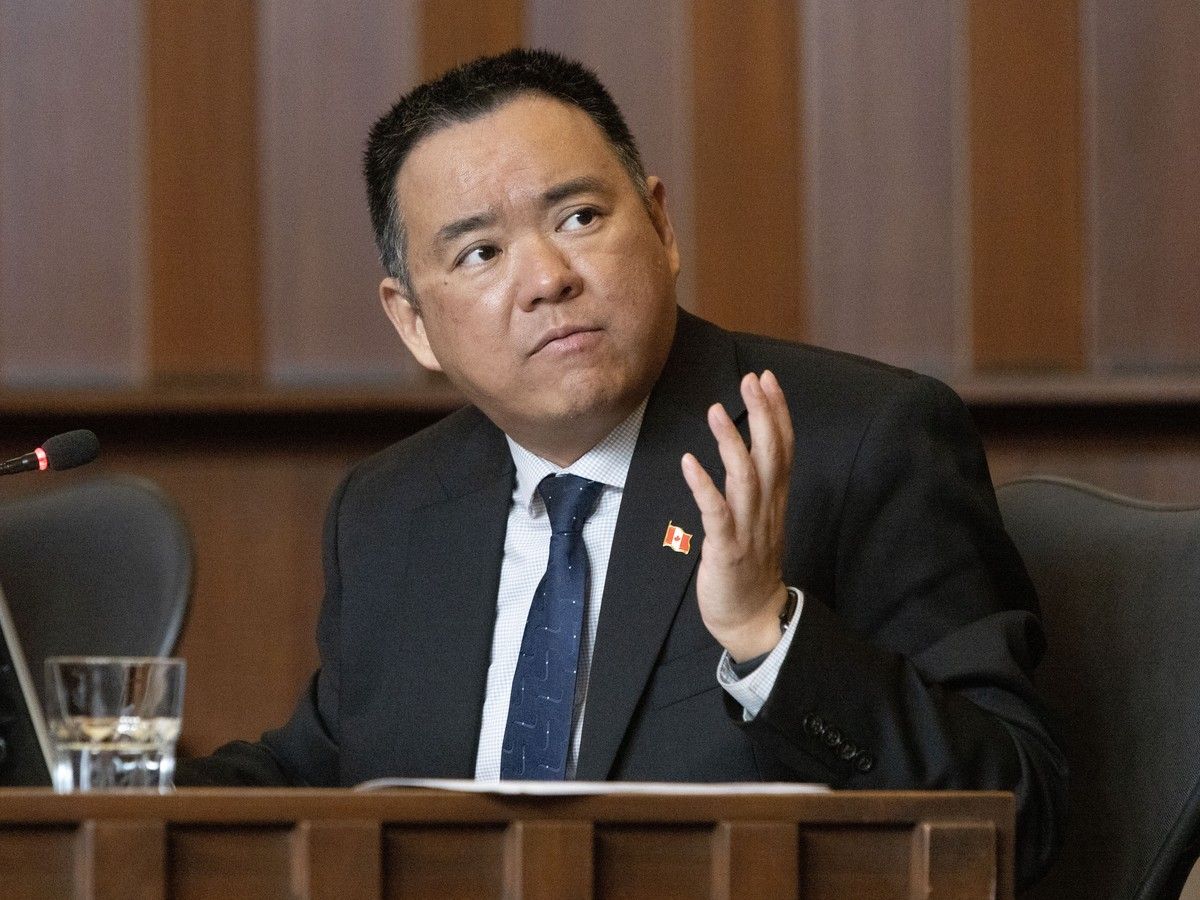
Two rival City of Vancouver council candidates are united in a fight to have their Chinese-character names included on next month’s municipal election ballot.
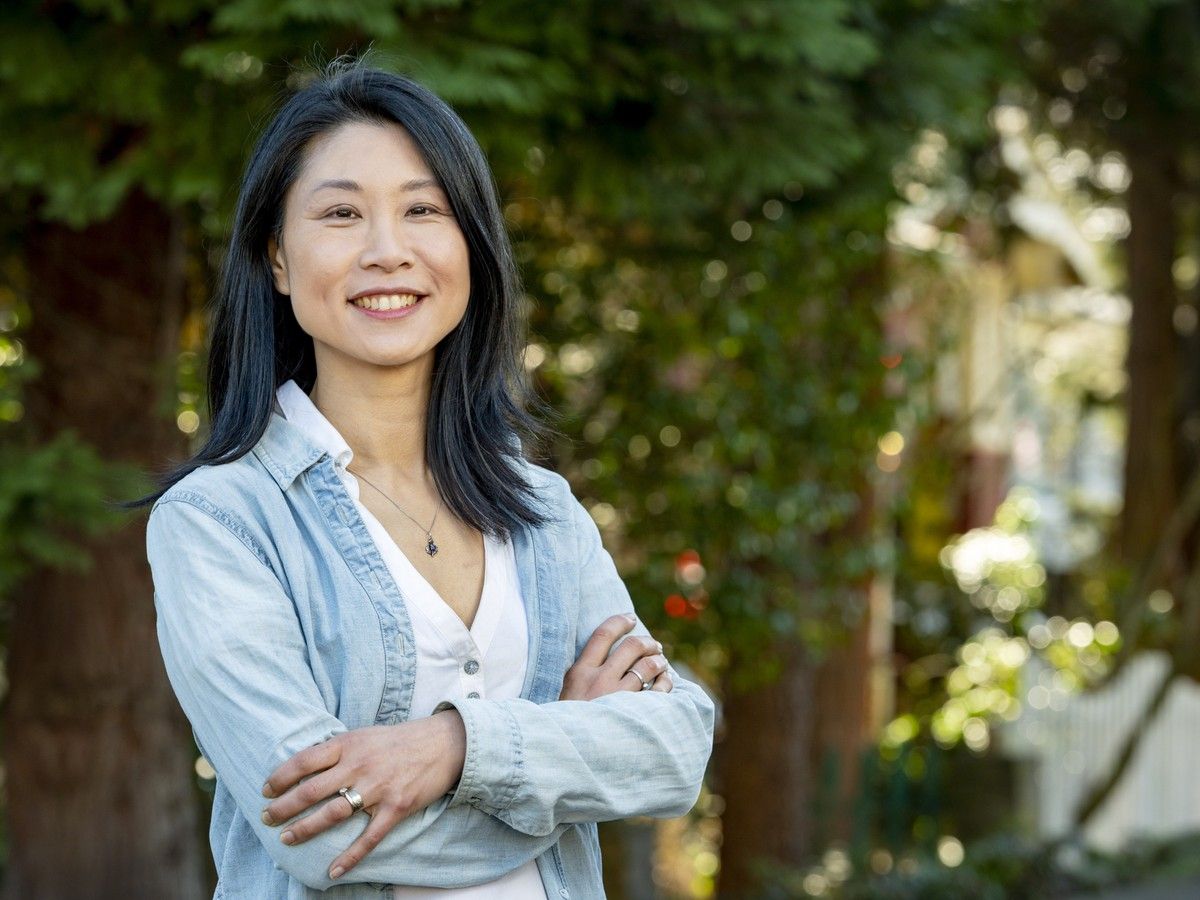
Iona Bonamis of OneCity Vancouver and Lenny Zhou of ABC Vancouver filed nomination papers with their usual names, which include their legal names in English and their Chinese names.
Bonamis, whose Chinese name is To Sie Wing, said she was told at the time of filing that the city’s chief election officer would likely legally challenge whether her usual name provided was acceptable under the Vancouver Charter.
According to the Vancouver Charter, nomination papers must include the full name of the person nominated and “the usual name of the person nominated, if the full name of the person is different from the name the person usually uses.”
In next month’s election, there is a council candidate whose usual name is Rollergirl.
“They are arguing my Chinese name is not part of my usual name,” said Bonamis, who is also a city employee.
“This is a name that I have been given by my parents. I’ve used it throughout my life and my relatives, my family and many people in the Chinese community, that’s how they refer to me. I also use it professionally at work and all my social media accounts. I don’t understand why they think it’s not part of my usual name.”
Zhou said he was in the same boat, having been told when he submitted his nomination papers at last Friday’s deadline that the chief electoral officer would challenge his usual name, which is composed of his English name and Chinese name in Chinese characters.
“My English name is Lenny Zhou. My Chinese name is Zhou Na. That was the name my parents gave to me at birth,” he said.
“This is not a name I invented for the campaign. This is the name I’ve already been using for 40 years, and it’s the name people already know me by.”
On Monday, the City of Vancouver confirmed that chief election officer Jason Twa had filed applications before the B.C. Provincial Court seeking a ruling on whether “certain candidates” are entitled to have their usual name provided in their nomination documents used on the 2026 ballot.
Zhou said he understood the electoral officer’s right to seek clarity. However, “What is actually being questioned here is not technicality. It’s whether the name I was given at birth, the name my community, my own family, know me by, counts as the usual name on a ballot.”
Bonamis said she was served legal papers on Monday that listed her, Zhou and OneCity school board candidate Christopher Lee as respondents.
Of the 123 candidates for council, park board and school board published on the City of Vancouver’s website, seven have their Chinese name included.
Bonamis said she was baffled why four candidates’ combined English and Chinese character usual names were accepted by the chief election officer. She also said it was odd that Rollergirl was an acceptable usual name when hers was not.
“I feel like I am being told I can only be part of my identity on the ballot,” she said.
A month before the 2022 municipal election, the city’s previous chief election officer asked the provincial court to make a ruling on the usual names provided by 15 candidates — including Bonamis.
Unable to make a decision in time for the following month’s election, the judge adjourned the case and all those candidates were able to have their nominated usual names on the ballot.
In 2024, the case was taken up again by the provincial court and it was ruled that the Vancouver Charter does not provide the court the right to adjudicate challenges made by the chief election officer around what names go on the ballot.
Related