 BURST
BURST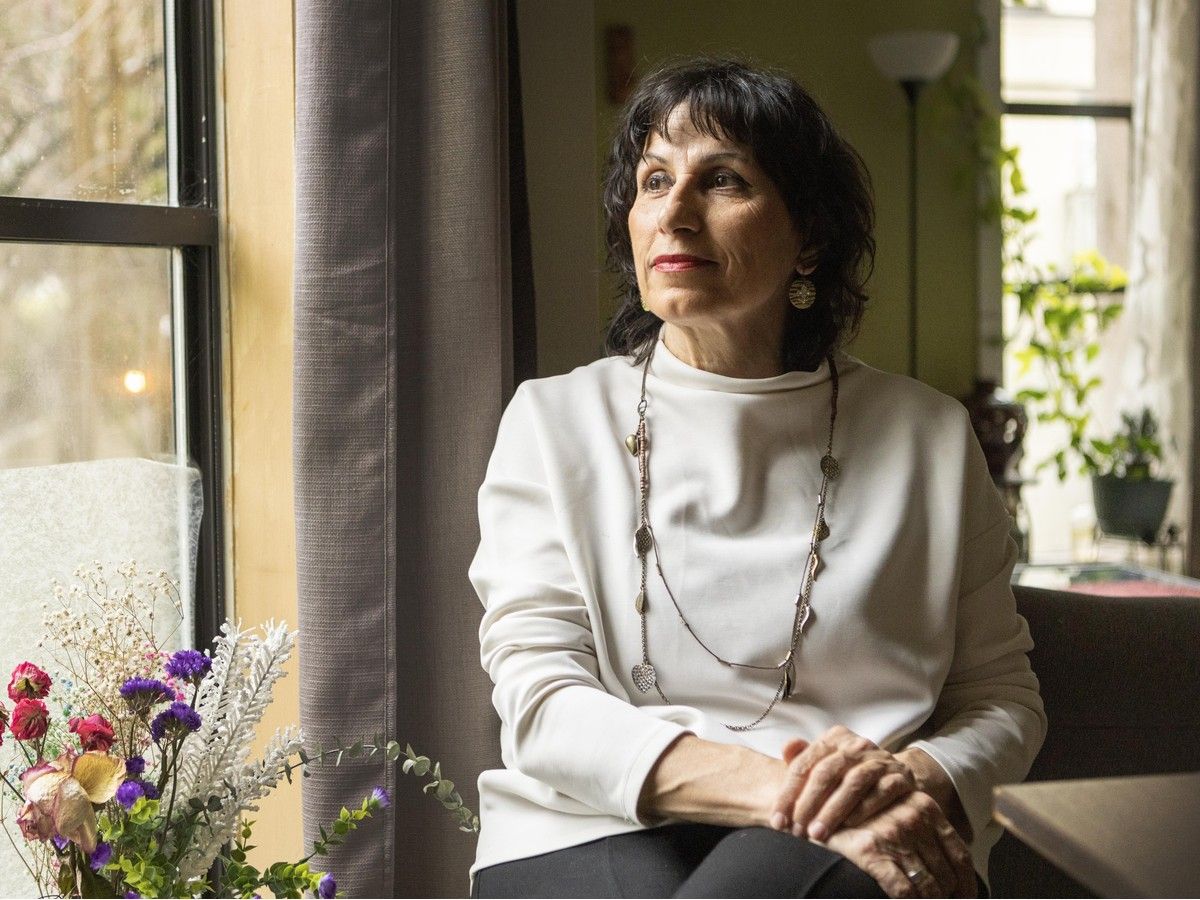
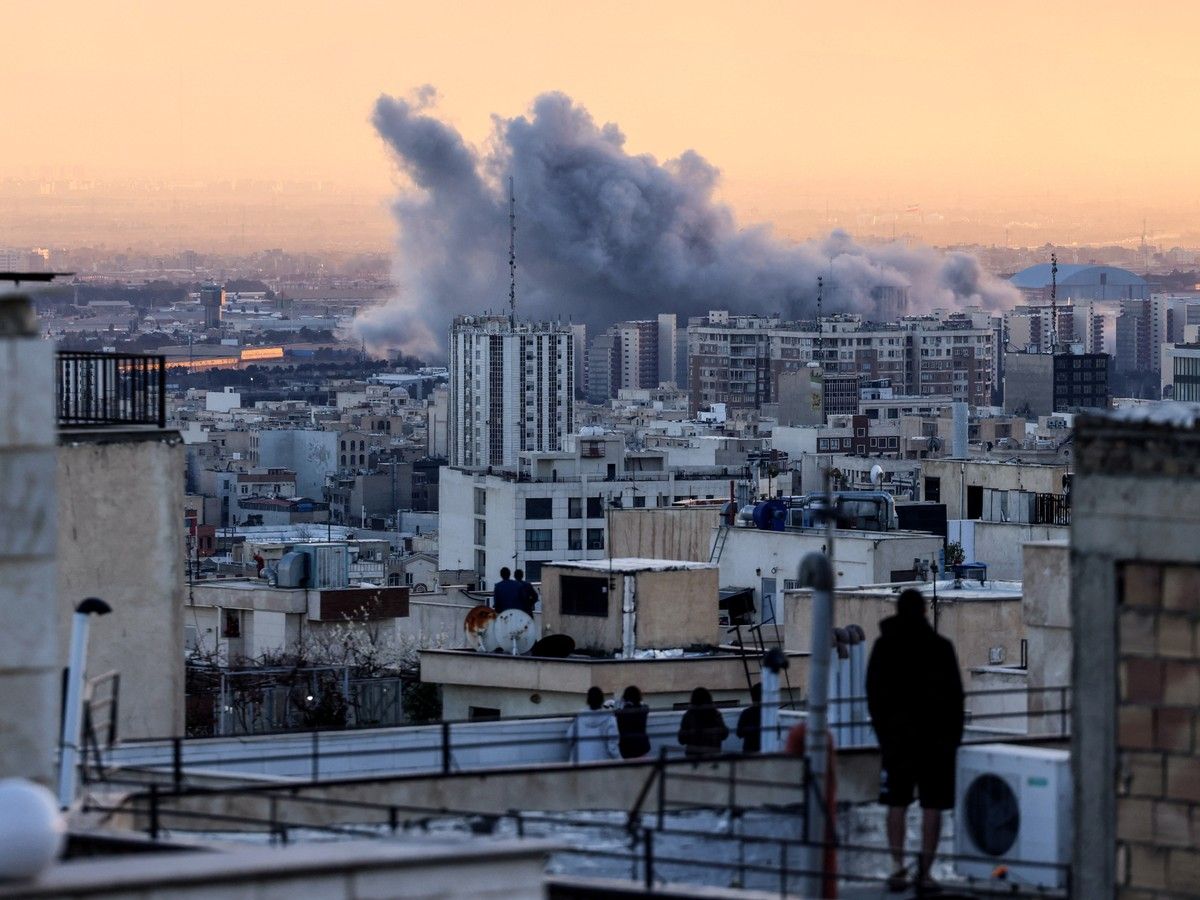
The jubilation felt by Vancouver’s Iranian community after learning that Iran Supreme Leader Ayatollah Ali Khamenei had been killed in military strikes by the U.S. and Israel was short-lived as news emerged of civilian deaths in the country.
Early Saturday, Iranian authorities said a missile directly hit Shajareh Tayyebeh school, in Minab, southern Iran, killing 150 children, and on Tuesday t he Iranian Red Crescent Society reported over 700 civilians had been killed.
Amnesty International has issued an urgent call for the protection of civilians in Iran.
“It’s a mix of different emotions. I was happy at first, then I was sad,” said Saba Aminaghaie, 41, who fled Iran just four months ago, and is now living with her sister in Port Coquitlam. “There is so much violence. This is the Islamic Republic’s war, it’s not the war of the people.”
Still, Aminaghaie, who was an active part of the Women Life Freedom resistance movement, and was detained more than once by the Morality Police for going without a hijab in Iran, is hoping this will make a difference.
“It’s a chance for us. Another step in our revolution.”
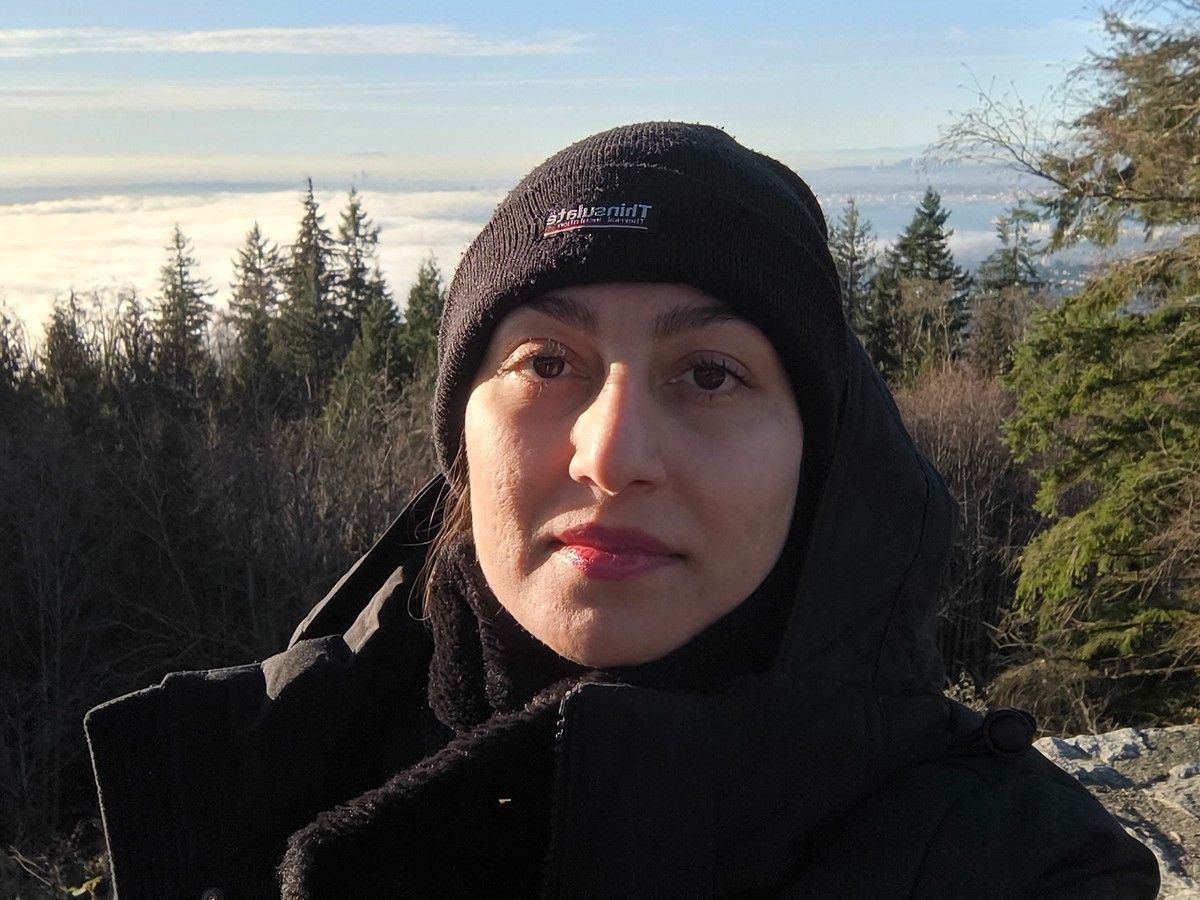
She can’t reach family in Iran due to an internet blackout imposed by the regime in its struggle to retain control over the country. Internet blackouts have been a frequent tool used by the clerical regime to quell protests and suppress information.
Tahmineh Sadeghi said the local Iranian community is divided, despite months of unified protests calling for regime change.
“Our regime is brutal and savage. The majority are desperate for change,” said Sadeghi.
She worries the desperation for political change from clerical rule to democracy could swing more support to Reza Pahlavi, son of the late Shah, Mohammad Reza Pahlavi, and lead to another “totalitarian regime.”
“This could be history repeating itself,” said Sadeghi, who was just 14 when Mohammad Reza Pahlavi was deposed in 1979 after a broad-based populist movement united to oust him and install Ayatollah Khomeini.
“Everybody on the left, the right, in the centre said lets topple the dictator and then we will bring democracy. But if one person or one idea has too much power, money and legislative control, they are not going to let democracy go ahead,” said Sadeghi.
In 1979, Khomeini quickly consolidated power, established a theocratic state and created the Islamic Revolutionary Guard Corps, a brutal security force.
The life defined by freedom and equality that the young teenager had been looking forward to was brutally curtailed as Khomeini curtailed women’s rights.
The Revolutionary Guard has continuously cracked down on internal dissent, and was involved in the killings of thousands of people in the January protests.
Calls by U.S. President Trump on Sunday for Iranians to rise up and take to the streets aren’t realistic, said Sadeghi.
“If there are bombings happening, how can we be safe in the streets? After Reza Pahlavi called for people to go onto the streets in January, the regime started shooting.”
Sadeghi said peaceful protests that emerged in December in Iran could have been supported through international diplomatic pressure. Now she worries the current crisis could evolve into a civil war, regional instability and further civilian casualties.
“It’s scary.”
Analysts caution the co-ordinated U.S.-Israeli airstrikes on Iran, and killing of Khamenei, are likely to destabilize the country, but unlikely to lead directly to regime change.
“The U.S. and Israel were hoping to conduct a decapitation strike to destabilize the Islamic Republic,” said Parsa Alirezaei, a researcher at Simon Fraser University’s Centre for Comparative Muslim Studies.
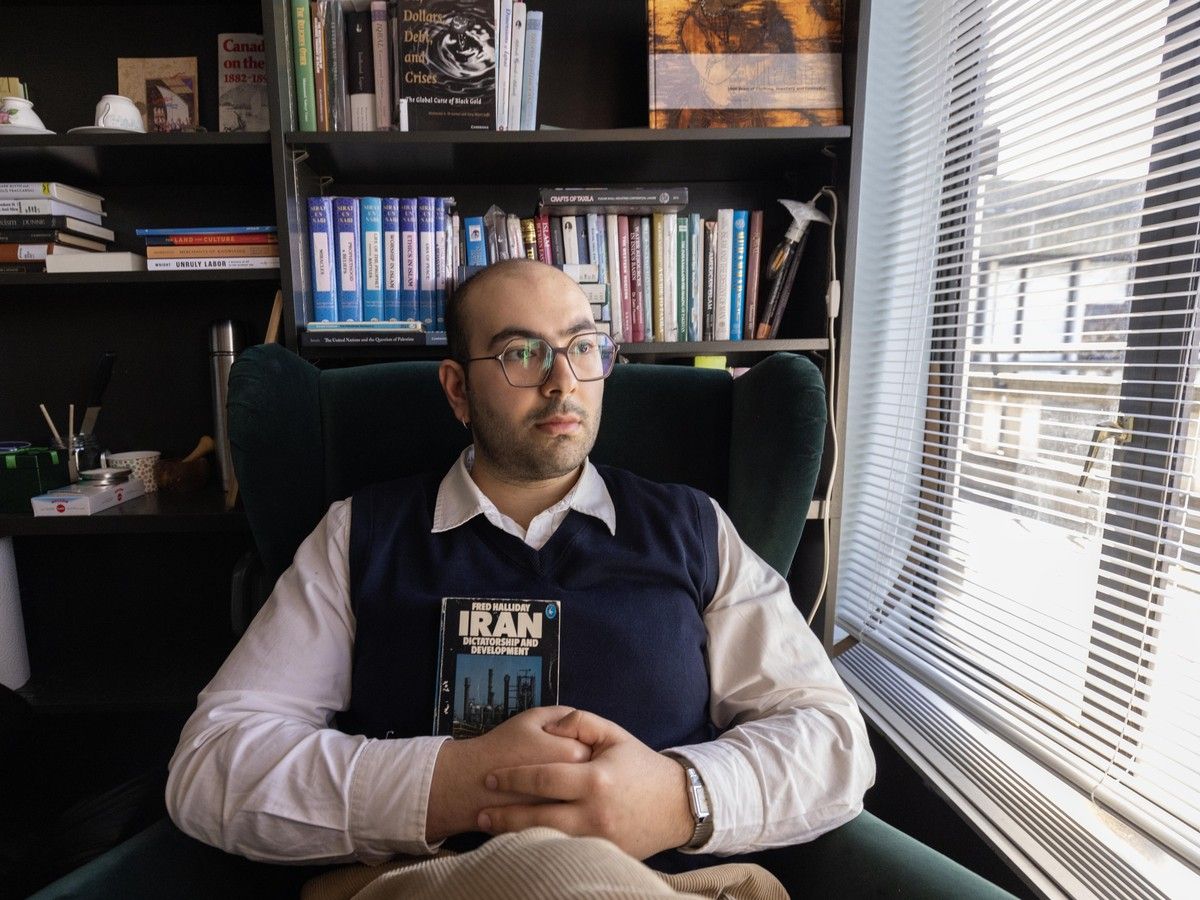
The airstrikes may weaken Iran’s position in the region, but aren’t enough to bring about a revolution or a lasting regime change in the territory, said Alirezaei.
Alirezaei said he doesn’t believe democracy in Iran is the goal for the Americans, rather the goal is to cripple its network of “non-state actors” in the region, including Hezbollah in Lebanon, the Houthis in Yemen and other regional militias. “They want Iran to become so constrained by its own problems within its borders that it becomes a non-factor in the region.”
Alirezaei said it’s a misconception to believe Iran is a theocracy.
“While it has theocratic elements, it is primarily a security state, a hyper-securitized and bureaucratic environment where (much of) the economy and the major industries are in the hands of the IRGC.”
He believes Ali Larijani, the former Revolutionary Guard officer, and current head of the Supreme National Security Council of Iran will be influential in the selection of a new supreme leader.
“Ali Larijani is a major figure due to his relationships with both the IRGC and to the political establishment that emanates from this security structure.”
Any possible replacement for Khamenei would have to “go along to get along” with the IRGC, said Alirezaei.
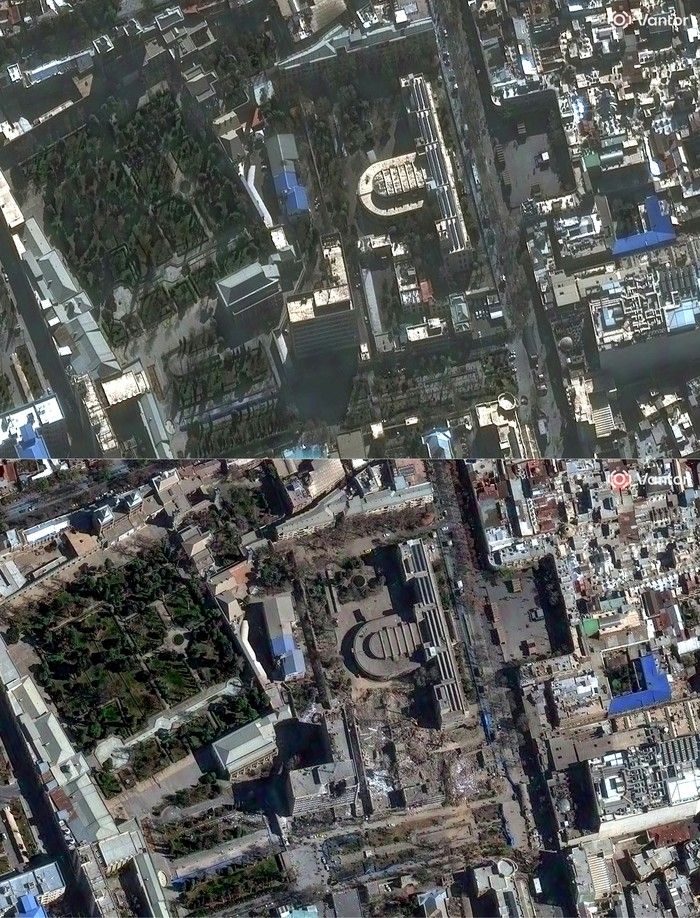
Alirezaei said: “The U.S. and Israel hoped to contain how the Islamic Republic conducts itself in the region and don’t want this to spill over to the Gulf States, to Lebanon, to Iraq because of the economic spillover effects this will have.”
Those spillover effects are already evident. Iran has launched retaliatory strikes on targets in Israel, and U.S. military sites across the region, and closed critical oil-shipping lanes in the Strait of Hormuz.
Kei Esmaeilpour, founder and director of the Civic Association of Iranian-Canadians, said Iranians in the diaspora are worried about their families, outraged about the military operation and the risk to their families with the bombardment, but puts the blame squarely on the regime in Iran.
In a statement, he said: “While no freedom-loving person welcomes war, destruction and bloodshed, the destructive and threatening policies of the Iranian government have brought about these conditions.”