 BURST
BURST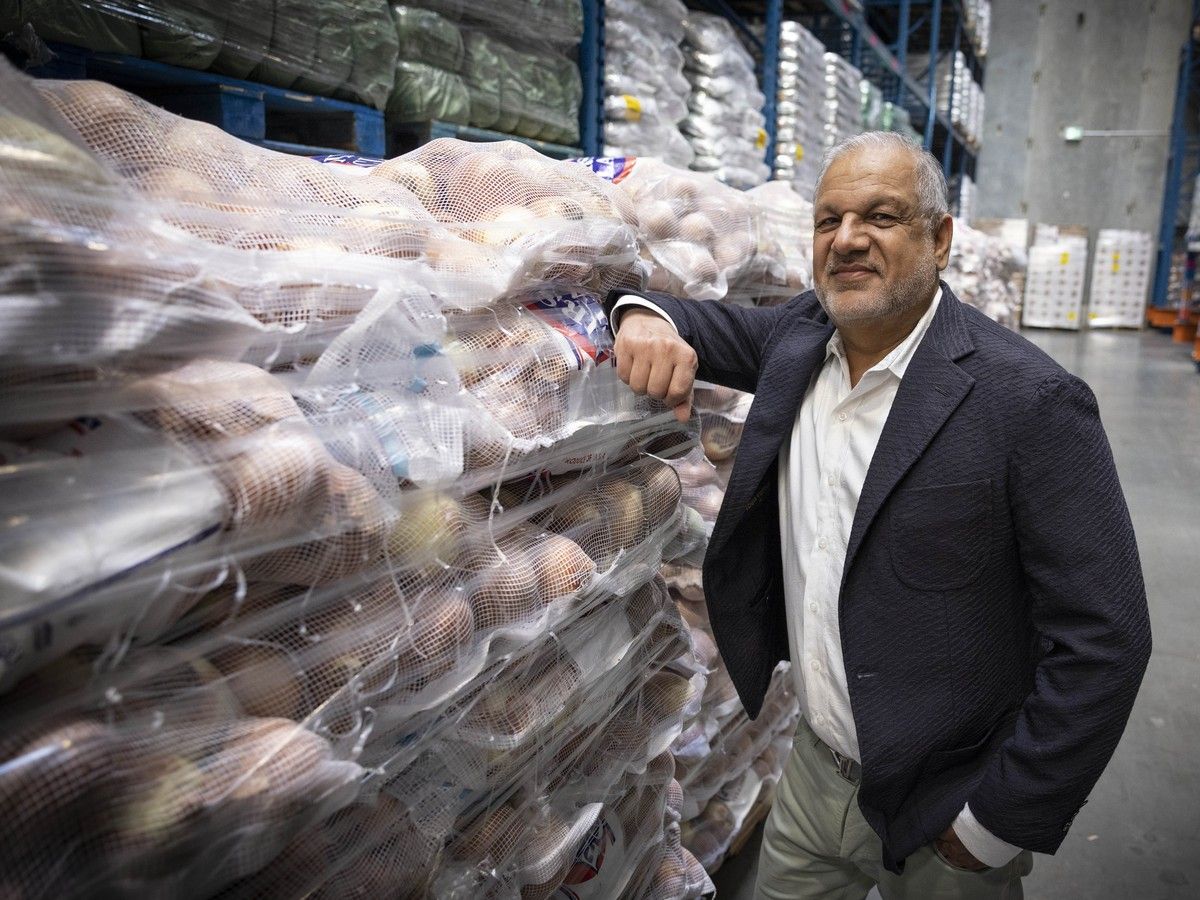
When Tony Singh first participated in Surrey’s Vaisakhi parade 22 years ago, he could count the number of people going to his food stand.
Now, the founder of a popular South Asian grocery chain Fruiticana can only give a ballpark number.
“We went from a small, 10-by-10 tent with just five people serving food to a small crowd in those days, to an 80-by-80 tent with around 70 people serving food all day from morning to night to around 100,000 people at our tent each year.”
Singh is gearing up once again for Surrey’s Vaisakhi parade, considered the largest such celebration outside India, on Saturday. It is a major spring harvest festival marking the birth of the Khalsa, a spiritual order founded by Guru Gobind Singh in 1699.
Vancouver’s parade, which first started in 1979, was held last weekend and drew tens of thousands of people. While Surrey’s parade didn’t start until the late 1990s, it has often been recognized as the among the most popular in the world, drawing more than 600,000 people in recent years.
The parade’s popularity coincides with the growth of the community, with Surrey having the highest South Asian population in B.C.
“It’s a good feeling, just being a part of the community there. Everyone’s welcome. Doesn’t matter what your religion or background is, everybody just comes together,” Singh said.
He opened Fruiticana in 1994 in Surrey to serve the growing South Asian population, which was yearning for a piece of home. Produce popular in South Asian countries, such as guavas, sugar cane and okra, were hard to find at the time so Singh decided to fill that gap.
Today, Fruiticana has 24 locations across B.C. and Alberta.
Singh said he feels proud seeing how far South Asians who “came into this country with $10 in their pocket” have come in Canada and “how they have made this Canada very culturally rich” — running businesses, practising law and holding political office.
Many non-Sikhs turn out each year to the parade to enjoy the day. Seeing that image today in contrast to how it was at the beginning, Singh said, feels surreal.
“They used to be very empty streets,” he said. “You could walk up and down the street, greet people along the way, chat with everybody, but now, you can’t even walk on the street anymore. I can’t even get out of my tent, that’s how crowded it is.”
At the very first parade, it was likely a few thousand people who turned out, Singh said. By the time he started participating, numbers had grown to around 40,000 people.
The parade was started by the Gurdwara Sahib Dasmesh Darbar in Surrey, aligning with the Sikh temple’s opening.
“I have seen it growing from a few thousand to 100,000 to 150,000 and then gradually, to over 500,000,” said Dr. Pargat Bhurji who has been walking in the parade since the very first one in 1998. “It’s grown so big and we have people from all over coming — it’s a global event.”
The pediatrician also provides medical support during the day.
A significant tenet of Sikhism is Seva, which is the selfless voluntary service of others. This is why during the parade, many participants run free food and drink stalls.
Bhurji’s family is involved in this aspect of the day, beginning food preparations at 2 a.m.
It’s hard work, he acknowledged, but, “the more you give, the more you get back,” Bhurji said.
Singh’s favourite part of the day is also serving the community, with the day being especially important to him as the son of a farmer, he said.
“It takes a month in advance of preparing these things,” Singh said.
“Our most popular one is sugar cane juice, so we serve that every year. It takes time to bring it here into Canada, getting proper permits, setting everything up. It makes me really proud and happy.”
Singh came to Canada, first to Montreal, as an immigrant from India at the age of 12.
“I was the only brown person at my school. So from that to right now, seeing how far this community has come, from one small temple where no more than 100 people on Sundays, to 1,000 now, it’s a great feeling to be Indian and Canadian on that day.”