 BURST
BURST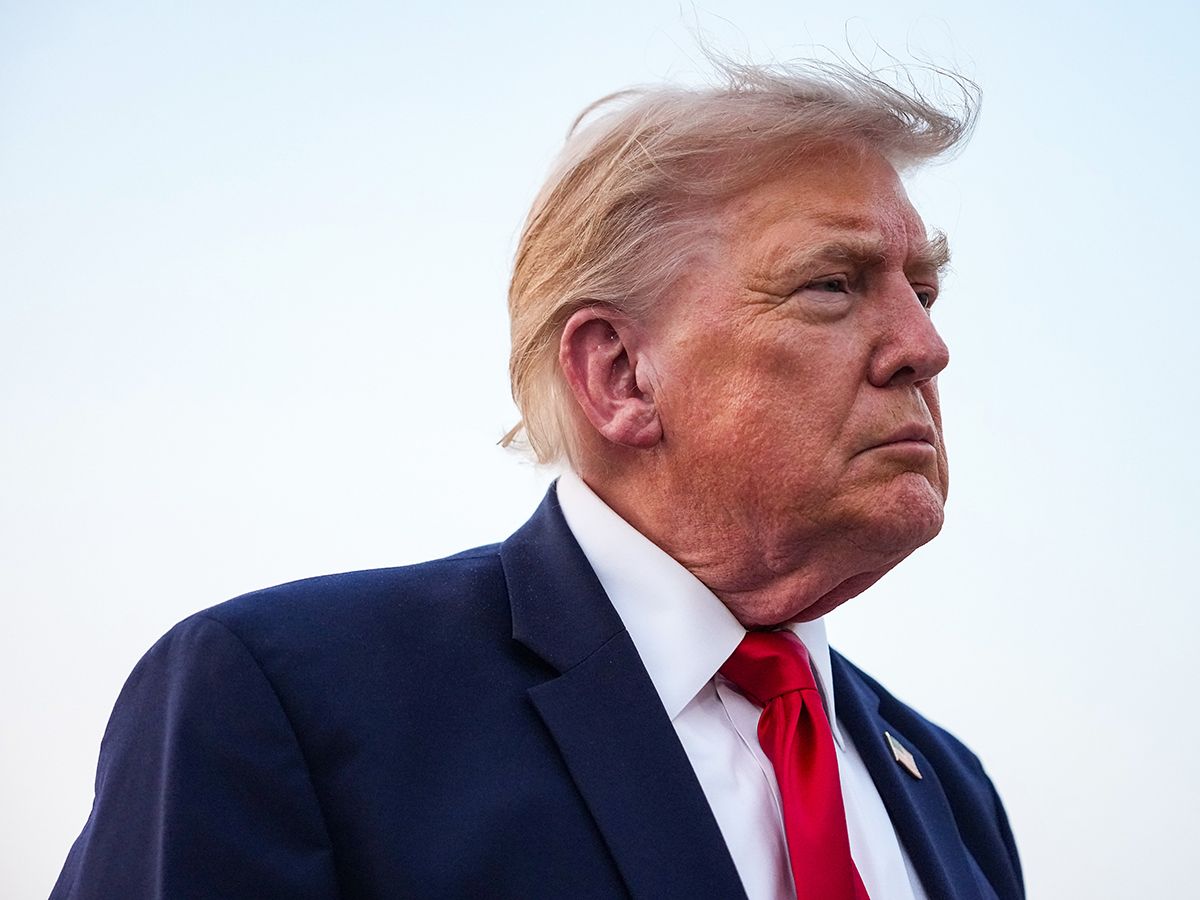
U.S. President Donald Trump signed an executive order on Monday to impose new 50 per cent tariffs on certain Canadian goods set to begin Aug. 19, including goods previously exempted under the Canada-United-States-Mexico Agreement (CUSMA).
The tariff is in response to what the U.S. administration views as discriminatory trade practices by Canada, including Canadian tariffs on American autos, U.S. alcohol bans in some provinces and dairy import limits.
“Today, President Donald J. Trump signed three Proclamations pursuant to Section 338 of the Tariff Act of 1930 to impose additional 50% tariffs on certain goods of Canada in response to Canada’s discriminatory treatment of American products,” reads a release on the White House website. “By doing so, President Trump is offsetting the burden and disadvantage on U.S. commerce from Canada’s discriminatory treatment of U.S. commerce and is leveling the playing field for crucial American exports—cars, alcohol, and dairy.”
Trump used Section 338 of the Tariff Act of 1930, which allows a president to impose duties on a foreign country that discriminates against U.S. commerce.
The Canadian products subject to the new tariff include; paper products; cement; wood products; dairy, honey, hockey equipment and several alcoholic beverages.
According to the White House release, the Section 338 tariff will “not apply to energy, potash, products subject to tariffs under Section 232, and certain other goods, such as fish or critical minerals.” Section 232 tariffs currently apply to Canadian steel, aluminum, and copper as well as pharmaceutical products.
Trump’s trade action comes just a few days after he threatened new tariffs on Canada after smoke from Canadian wildfires blanketed U.S. skies.
Prime Minister Mark Carney was in New Jersey on Sunday for the FIFA World Cup final game, where he met with Trump and Mexican President Claudia Sheinbaum. All three of them congratulated each other on a successful event, according to a statement provided by the Prime Minister’s Office.
Members in the U.S. administration, including U.S. Secretary of Commerce Howard Lutnick and U.S. Trade Representative Jamieson Greer, have expressed their opposition to the boycott of U.S. alcoholic products by provincial liquor commissions in every province except Saskatchewan and Alberta.
The federal government has said that any decision to reverse the alcohol bans remains with the provinces.
Between March 2025 to February 2026, Canadian imports of U.S. alcohol have decreased by 81 per cent, or the equivalent of U.S.$582 million, compared to the year before, according to the White House release.
More to come.
Our website is the place for the latest breaking news, exclusive scoops, longreads and provocative commentary. Please bookmark nationalpost.com and sign up for our newsletters here.