 BURST
BURST
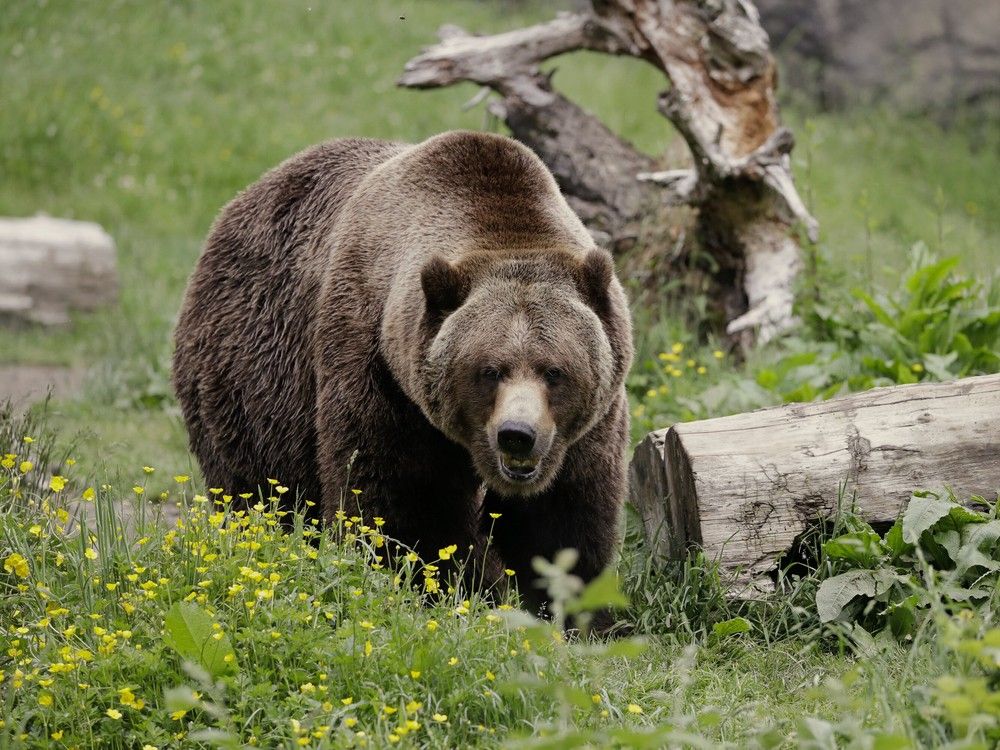
Two days after a grizzly bear attacked a class of elementary students and teachers near the Bella Coola River, the animal remains at large while conservation officers try to capture it and two other bears.
Additional conservation service officers arrived Saturday to assist, the B.C. Conservation Officer Service said. Based on witness accounts, two other grizzlies were seen in the area during the attack.
“I really need to stress how dangerous this situation is with this bear at large,” said Conservation Officer Service Insp. Kevin Van Damme, who urged locals to avoid the area of the 4 Mile subdivision, remain indoors, and only travel by vehicle until further notice.
“We can appreciate people want to be involved but this is a fluid and dangerous situation,” he said Saturday. “For the safety of residents and our officers, please avoid the area and allow them space to do their work.”
Several traps and cameras have been set up as part of the investigation, which includes assessing the site, collecting evidence and interviewing witnesses and victims.
Three seriously injured students and one teacher remain in Metro Vancouver hospitals after being transported by ambulance and air for emergency care. No further information is being released at the families’ requests for privacy.
About 20 students — part of Grade 4 and 5 classes from Acwsalcta School — were on a land-based learning field trip on Thursday afternoon. The group had stopped for lunch around 1:30 p.m. along a forested trail across the highway from their school when the attack occurred. Seven people received first aid at the scene but did not require hospital treatment, according to B.C. Emergency Health Services.
A woman who said her granddaughter was among the victims taken to hospital wrote on social media Friday that the child required 100 stitches, suffered three broken bones, and underwent emergency surgery.
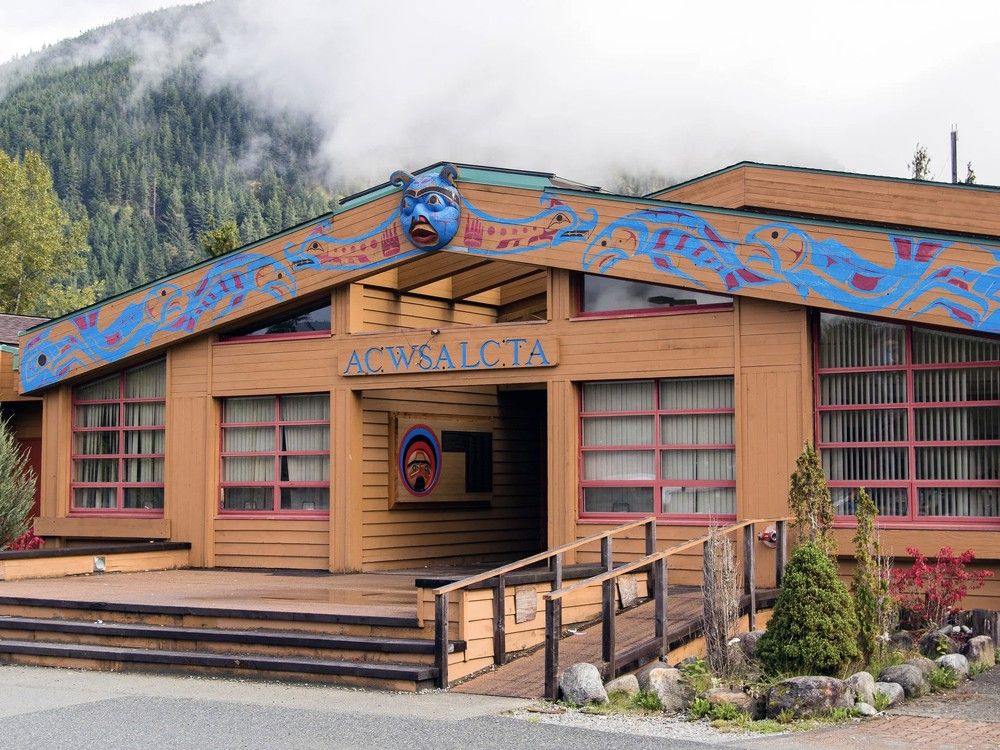
Noel Pootlass, the head Nuxalk hereditary chief, said all of the students and Indigenous teachers are relatives of his. He identified one of the victims as a cousin, a teaching assistant at the school who “took the main onslaught” of the injuries, which included severe head trauma.
“I’m so thankful for the three teachers who intervened,” he said. “My cousin was jumping on the bear, kicking it, while another teacher was spraying with bear spray two feet from its face. He used two cans on it and it wasn’t phased. So, one woman teacher was using her crutches to hit the bear.”
Pootlass said that a dual tragedy is unfolding.
“It’s the ecosystem being out of balance that means grizzly bears are getting desperate,” he said, citing recent clear-cutting and forest fires pushing bears from of their habitat.
“They’ve been breaking into homes, log houses and shops here — it’s heartbreaking that it has come to this.”
Pootlass said the community’s goal is healing for the students and the teachers. He said the Nuxalk Nation’s deep connection to the land and its creatures is reflected in the community’s history of coexistence with wildlife.
“We used to hunt bears in our valley to keep the population in order.”
Acwsalcta School has suspended all outdoor field trips and land-based programming.
“We will be sure to keep everyone informed once we begin the process of moving forward,” according to a statement Saturday.
Students are expected to return to classes on Tuesday, with staff working on trauma-informed ways to best support students.
At an unrelated news conference, B.C. Premier David Eby praised the teachers who intervened during the attack.
“I want to thank the teachers for their heroism,” he said, describing “their willingness to confront this vicious animal.”
Eby said he hopes for a quick recovery for all those affected.
The Nuxalk Nation’s Youth Centre was open 24 hours on the weekend to provide counselling, meals and cultural support. Various fundraisers are being held in the community to support families who have travelled to Vancouver hospitals to be with their loved ones.
As the Nuxalk Nation community turns its focus to healing, wildlife experts warn against speculation about the bear’s behaviour or motivation.
Nicholas Scapillati, executive director of the Grizzly Bear Foundation conservation group, told The Canadian Press said he couldn’t comment on the Bella Coola attack, but previous cases fall into two categories: a surprise encounter with a startled mother bear and her cubs, or an injured or otherwise compromised bear that’s unable to feed.
He dismissed suggestions that bears may be more aggressive before hibernation because the animals do not look to human prey.
Scapillati said he worried about pro-hunting groups using the attack to spread inaccurate information about bears being aggressive.
“That’s so inappropriate at a time when we’re focused on holding the children and families and all those affected in our hearts and focused on them,” Scapillati said.