 BURST
BURST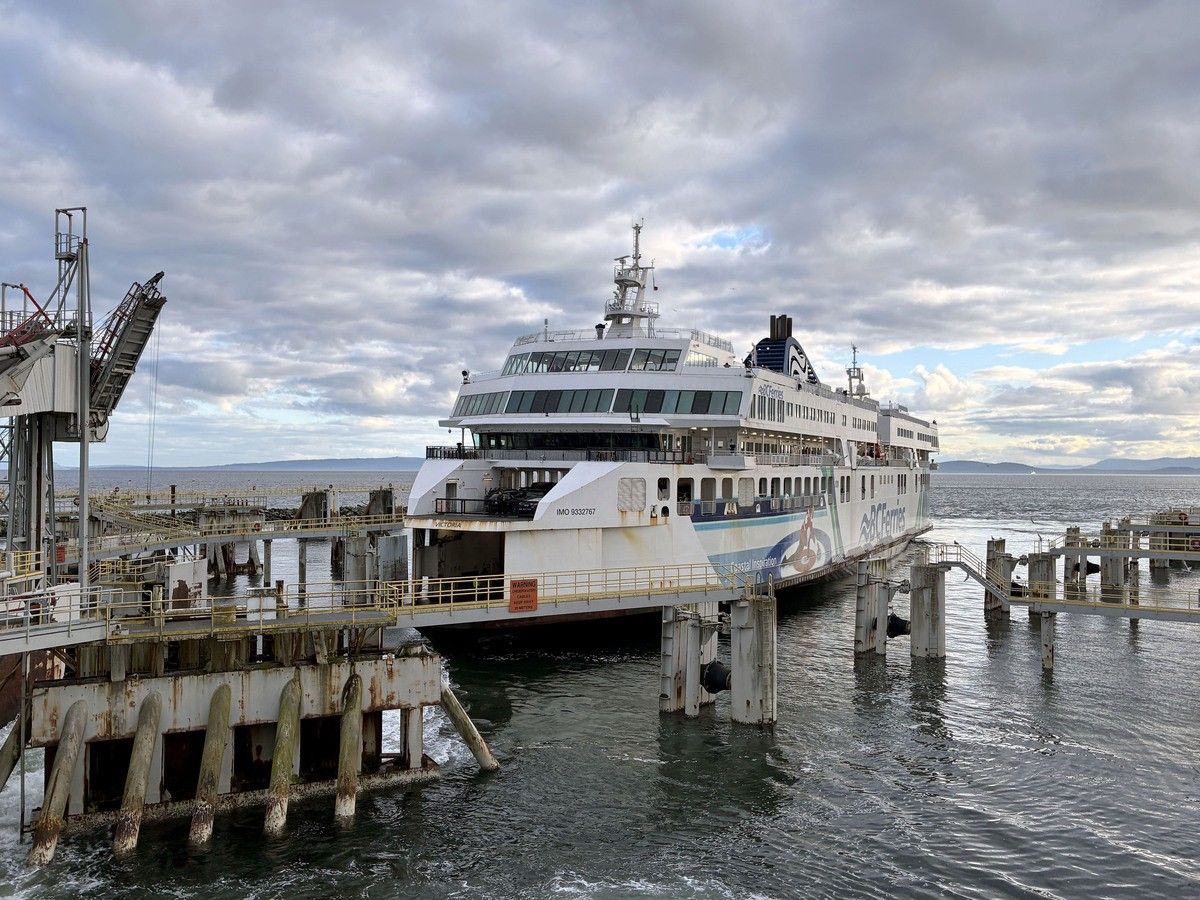
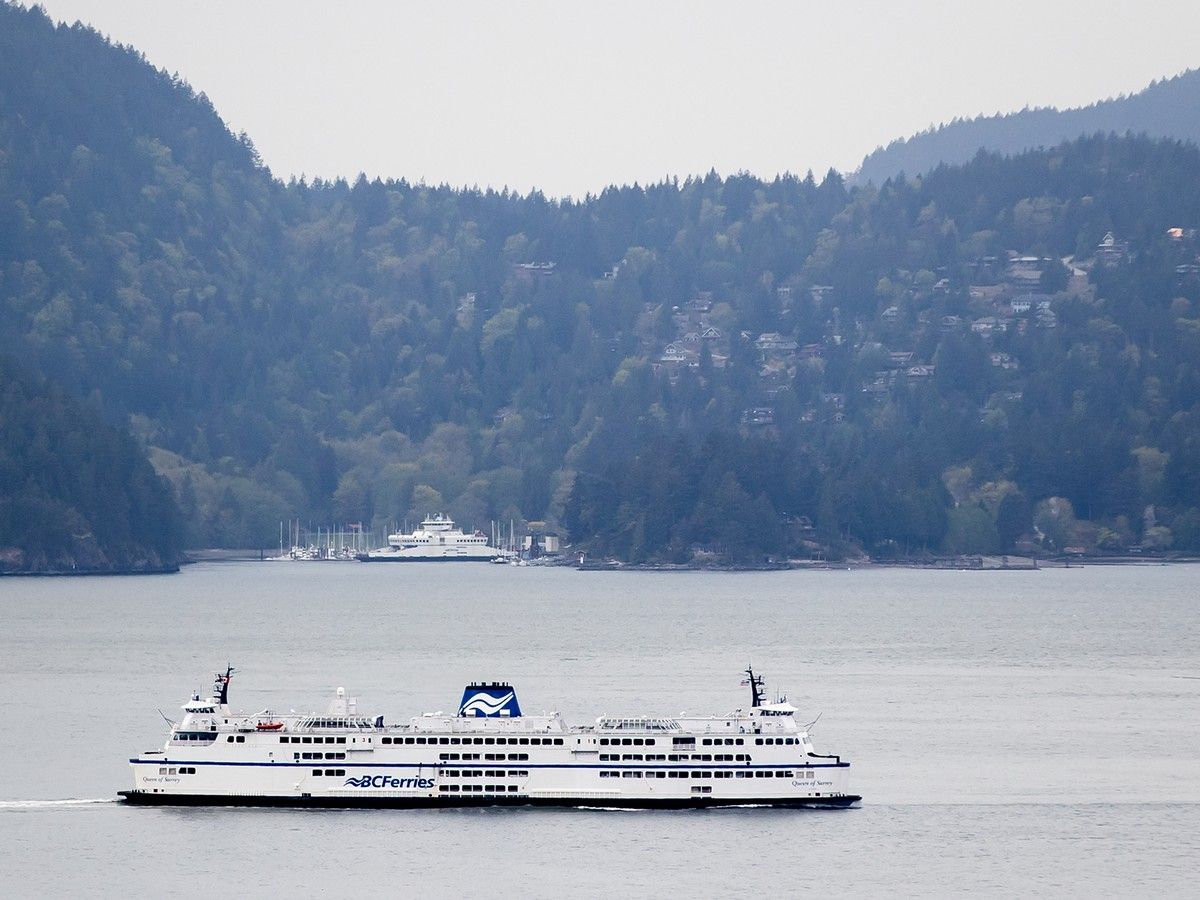
The breakdown of the ferry Queen of Surrey on Wednesday led to the cancellation of a number of sailings between the Sunshine Coast and Horseshoe Bay, renewing questions about the reliability of B.C. Ferries.
Over the Easter weekend, three vessel breakdowns also led to the cancellation of several sailings.
B.C. Ferries CEO Nicolas Jimenez said in the wake of the Easter breakdowns that 99.8 per cent of scheduled ferries trips leave as planned, but acknowledged that any delays or cancellations are frustrating for customers.
But what is the process for a refund? Should there be a passenger advocate like there is for airlines? And is it possible for a bridge to be built from the mainland to Vancouver Island?
Here are three things you need to know:
Are passengers entitled to refunds or compensation?
B.C. Ferries will reimburse customers if their sailing is cancelled and they aren’t able to be moved to another one, with the fee deposited back into the customer’s account, according to the company’s website .
If the company is able to move a customer to a different sailing, a refund will be issued if the customer says they can’t make the sailing and asks to be reimbursed.
Passengers can also be refunded if they cancel their sailing, but will be charged a cancellation fee of $20 if it is less than four days before the sailing. If customers cancel four days or more before the sailing, there is a $5 cancellation fee.
There is no reimbursement for missed hotel bookings that are a result of cancelled sailings, although if a passenger decides to walk on instead of drive after a cancelled sailing, B.C. Ferries will cover “reasonable parking fees” or a water taxi provided by the company.
Why isn’t there a customer advocate like there is for airlines?
There are multiple levels of protection for Canadians using air travel, with the Canadian Transportation Agency setting standards concerning compensation for flight delays, cancellations and lost baggage. A hotel room must also be provided for customers whose flight is delayed or cancelled and are required to stay overnight.
A non-profit organization called Air Passenger Rights also regularly challenges airline policies and pushes for greater protections.
B.C. doesn’t have that for the ferry service. The B.C. Ferries commissioner is supposed to regulate the company and set limits on fares. However, the office functions more like a regulator and less like an advocate.
Infrastructure Minister Mike Farnworth dismissed the idea of setting up an independent body that would push for policy changes on behalf of B.C. Ferries customers.
“We have a ferries board. We have a ferries commissioner. I don’t think we need any more bureaucracy. And I think the media does a pretty good job of advocating when something goes wrong with ferries. So no, thank you,” he said at the legislature.
Conservative critic Harman Bhangu says that isn’t good enough, and pointed to B.C. Ferries’ disbandment of 13 volunteer advisory committees last year.
He said there needs to be a way for the public to be involved in the decision-making process and for there to be some avenue for complaints.
“There needs to be some local input from these communities that are affected by it,” said Bhangu.
In some communities, B.C. Ferries is a “lifeline” for residents, he said. “This is their way of work, way of business, way of everything. And it’s a heavy impact on their lives and livelihoods.”
Why isn’t there a bridge to Vancouver Island?
The idea of a bridge from the mainland to Vancouver Island has been brought up many times. But for many reasons, experts have deemed it impossible.
John Readshaw has been a coastal engineer for five decades and worked for a variety of different companies, including SNC Lavalin and AtkinsRéalis.
He said the idea of a bridge is great in theory, but would be a massive feat in reality.
“If you think about it for a minute, where will you put the abutments? In West Vancouver, you’re going to destroy an entire area. Are you going to do it in Richmond?” said Readshaw.
“You’re going to have one bridge. Where are you going to put the abutment, the on and off ramps, all the road networks on Vancouver Island? Yes, technically, I’m sure it would be a iconic bridge, and it’s probably feasible, but it’s more than a bridge. It’s all the road networks on both sides.”
UBC economist Werner Antweiler said a bridge isn’t feasible for the simple reason of economics.
He said that a ferry system is still the most efficient way for traversing B.C. waterways, whether it is between the mainland and Vancouver Island, to the Sunshine Coast, or to one of the province’s many islands.
“Building any bridge or tunnel has a particular cost, and that cost needs to be recovered through usage and tolls. There’s no free lunch here. Nobody’s going to step up and say, ‘Oh, we’re going to flow $15 billion or $20 billion into building a bridge,’ and then, ‘Let’s go with that,'” said Antweiler.
“For a whole lot less money, we can get a whole lot more ferries.”