 BURST
BURST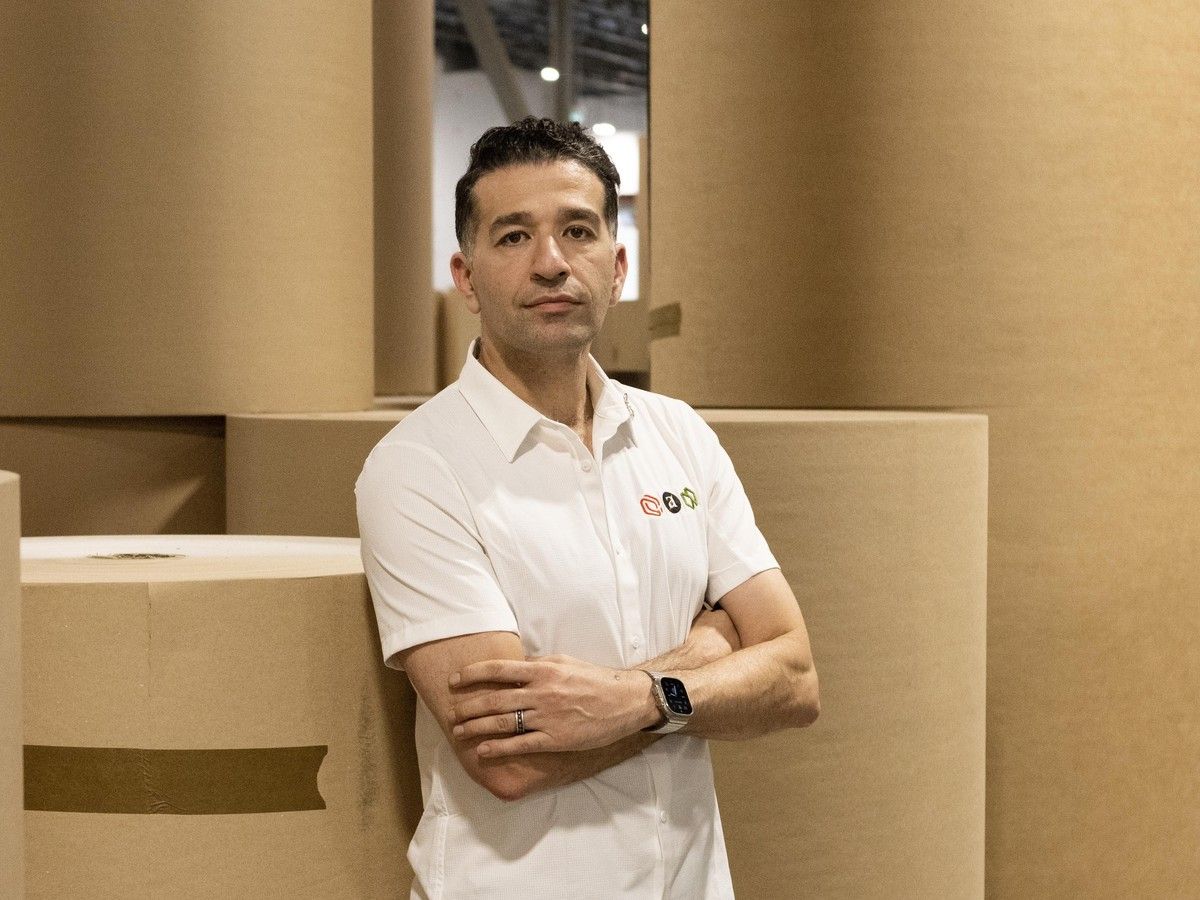
Hundreds of stunned B.C. businesses are scrambling to sort out how to adjust as the next round of on-again, off-again U.S. tariffs took hold over the weekend.
“I thought this thing was going to be resolved Friday night and everything put to bed,” said Doug Pauze, president of Coastland Wood Industries.
Canada was in last-ditch talks to head off a new round of U.S. tariffs on some $28 billion in Canadian exports.
Instead, Pauze woke up Saturday in an escalating trade war with a 50-per-cent tariff target on the wood veneer that Coastland produces. With about 50 per cent of its product typically exported to the U.S., Coastland is left “taking contingency plans” as of Monday morning.
Pauze said that means scaling back production by at least 50 per cent at company operations split between Nanaimo and Annacis Island in Delta. For now, he’ll will avoid layoffs among his 320 employees.
What the industry needs from counter-tariffs, he added, is for Canada to put an equal focus on the same amount of competing wood products coming into Canada, because “there (are) no other market options.”
“It’s the Canadian market where it’s going to be key.”
Coastland’s exports are among the almost $1 billion a year in value-added wood products B.C. exports to the U.S., according to figures from industry analyst David Elstone in a publication for his firm the Spar Tree Group, making the small sector one of the most deeply affected.
Trump levelled the tariffs under Section 338 of the Depression-era Smoot Hawley Tariff Act, accusing Canada of “discriminatory” trade practices.
And just by dint of the schedule of exports they hit — including wine, agricultural products, wood products and furniture — B.C. has gone from being the least-affected province in Trump’s trade war to one of the most affected in this escalation, according to Cory Redekop, CEO of the Greater Langley Chamber of Commerce
“The unique items on this list are now catching us,” Redekop said.
“It’s tough,” Redekop said. “I’m talking to a few people in the (agriculture) space and the horticulture space — they’ve got greenhouses full of products that are on the tariff list.”
The drill for those businesses now, he added, is to comb through their inventories to figure out which are on the list, and which ones have enough margin to maybe absorb continued shipments and which ones they’ll have to stop shipping.
“And that is money and time and energy that ought to be spent on making that business more profitable and more innovative,” Redekop said. “And people (are) talking about what they want government to be doing, all because of some short-sighted, self-inflicted decisions coming out of the States.”
Prime Minister Mark Carney has vowed to levy counter-tariffs on U.S. imports on a “dollar-for-dollar” basis, and as he’s doing so, B.C. business owner Baha Naemi hopes his government focuses on markets where Canadians can fill any voids the counter-tariffs create.
Naemi’s company, CanCorr, makes corrugated cardboard and boxes at a modern facility in Surrey, which typically does about $80 million in sales to the U.S., which are now at risk with the new tariffs.
However, Naemi, managing partner of CanCorr, said B.C. imports more corrugated paper products from the U.S. than it exports, creating opportunities for Canadian producers hit by tariffs.
“Yes, we do believe that this will have real effects on the overall industry, as well as some price escalations initially,” Naemi said. At CanCorr, he expects they will have to reduce shifts for workers in the short term.
“However, with a proper response from Ottawa, we do think in the medium to long term, (that) will benefit the overall supply chain, particularly in our industry.”
He believes “we are going to be able to decouple this industry completely from dependence on the U.S.”
Naemi said other business sectors need to take a similar approach to trying to build capacity in Canada, because he believes the change in the underlying relationship between Canada and the U.S. “is not a temporary thing.”
He recalled that after Trump’s first term, although his political opponents railed against his protectionist tariffs, his successor, Joe Biden, “didn’t get rid of any of them.”
“Come September, hopefully with the retaliatory tariffs, that’s when we will be in a level playing field, at least,” Naemi said.