 BURST
BURST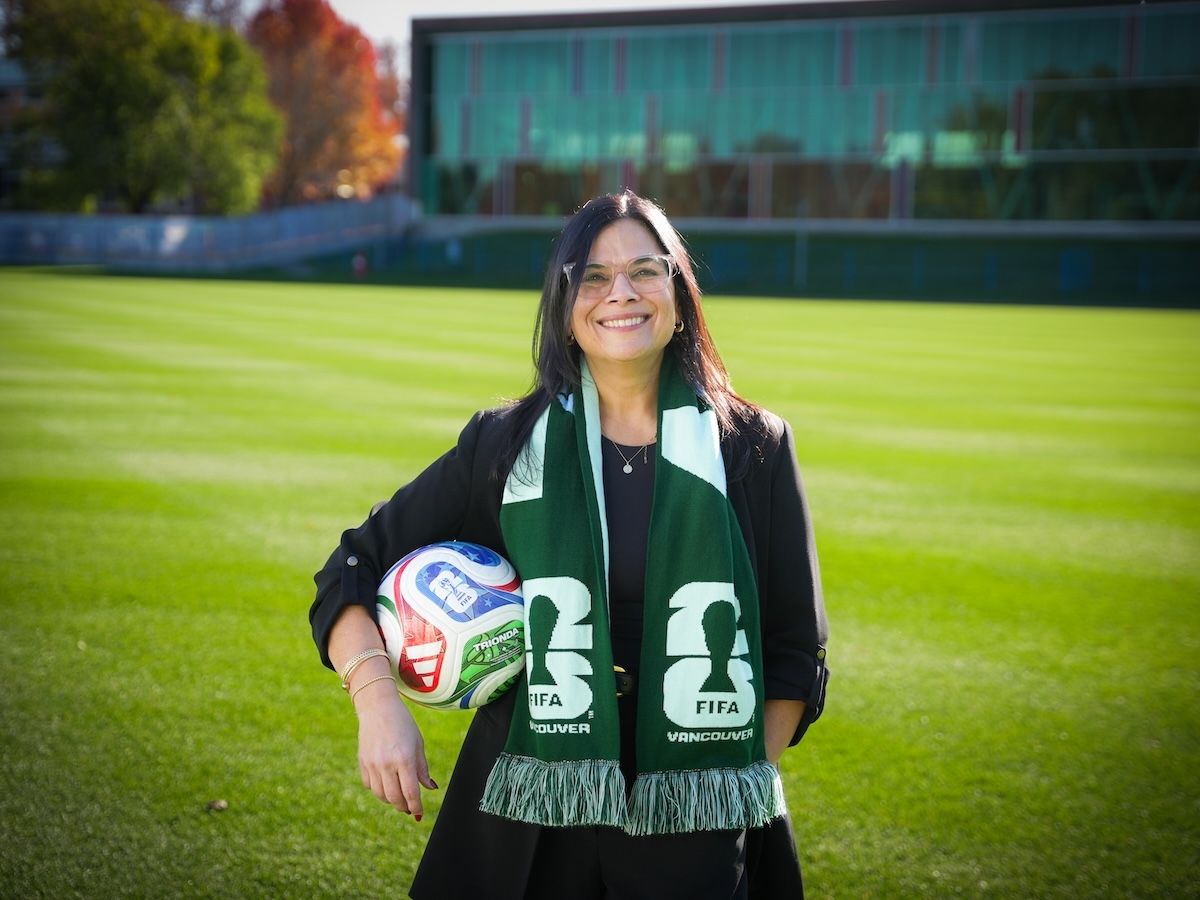
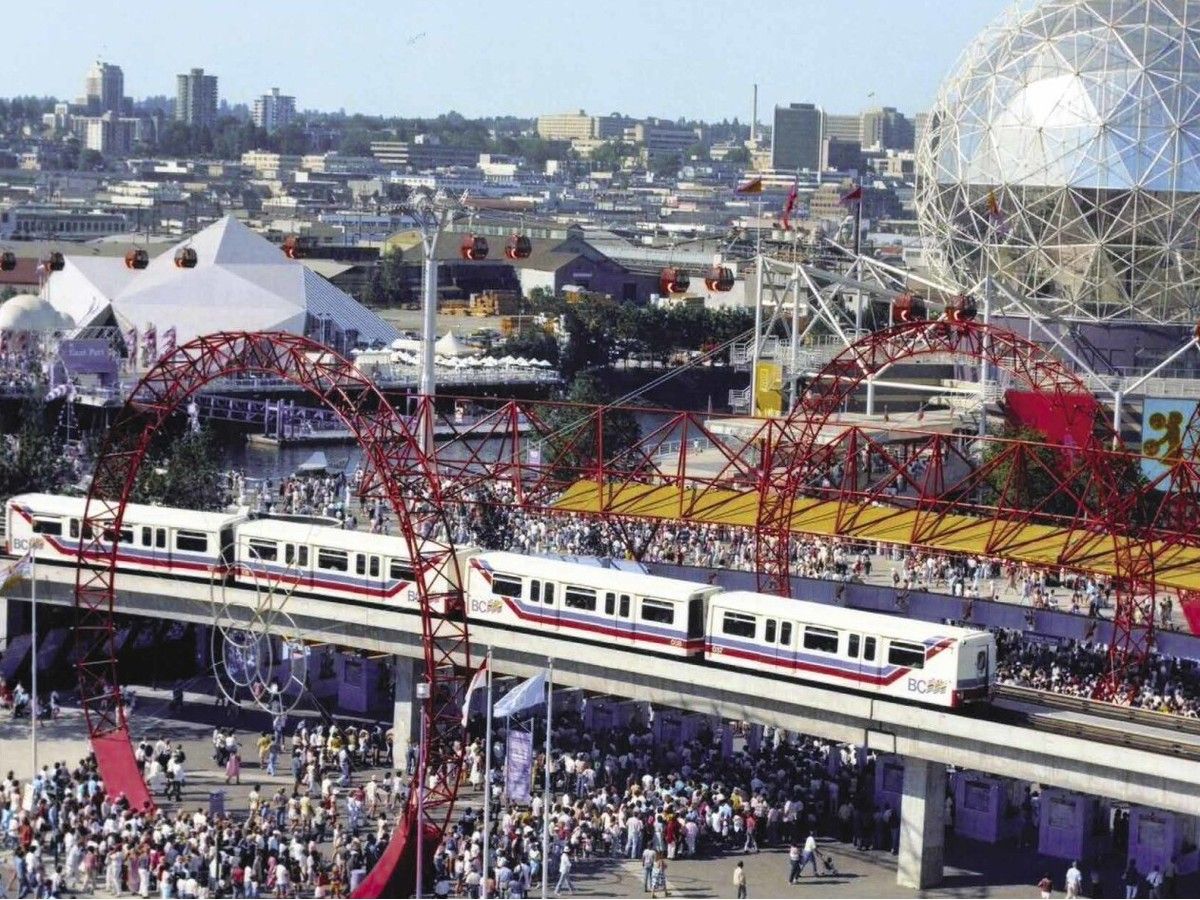
The Grade 7 girl in Jessie Adcock has vivid memories of what Vancouver was like during Expo 86.
“I remember just being taken back by the splendour of it, just being a little kid and being wrapped up in it. The theme of it. The science and the futuristic stuff, the SkyTrain … I just remember being fascinated by all of it and how advanced everything was … The colours and the images of False Creek.”
Her family’s hotel in Surrey was also packed with visitors from around the globe experiencing Vancouver for the first time.
Expo was a pivotal moment in the city’s history, the exposure from the 22 million who visited beginning the metamorphosis of a sleepy Pacific Northwest logging hub into a burgeoning metropolis.
“We had Expo 86 and handed out our business card to the world, and they kept it,” Vancouver condo marketer Bob Rennie famously said.
Forty years later, Adcock is the host committee lead for Vancouver’s World Cup organizing committee, charged with putting on an event she hopes can have the same cultural and historical impact.
“I wholeheartedly believe that. This is the largest-watched sporting event on the planet,” she said. “And I have absolutely no doubt that this is going to result in sustained, long-term growth and lasting legacies.
“It’s not every day that you have the whole world watching your city. We’re trying to create this amazing vibe throughout the city … and ultimately, create those lifelong memories that many of us have from Expo 86 or from 2010 or from Taylor Swift. We want to be part of that collage of memories in people’s minds.”
Expo 86’s physical impact remains in the SkyTrain, Canada Place, B.C. Place and Science World.
Expo 86: When Vancouver wooed the world — 30 photos, 30 years later
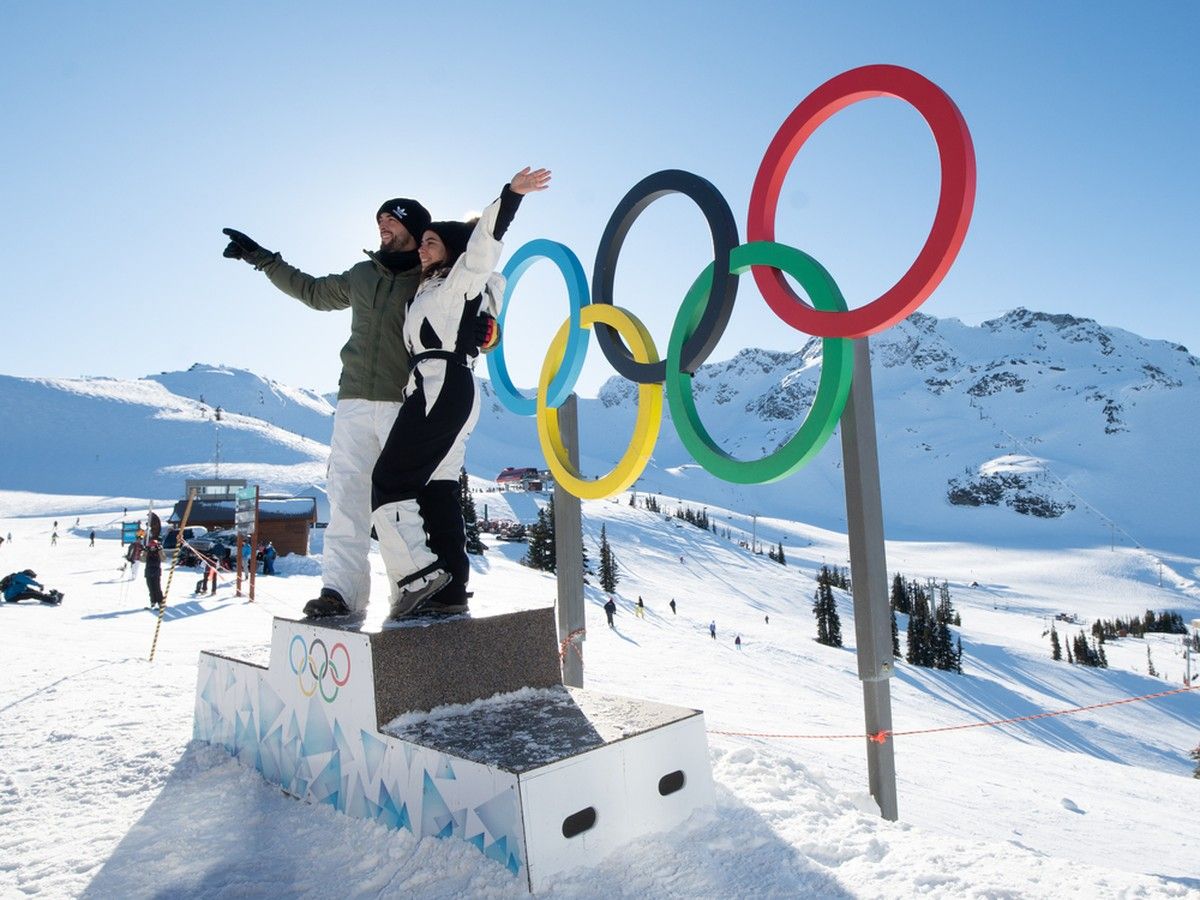
Looking around Metro Vancouver and north to Whistler, you can see the remnants of the 2010 Olympics. There’s the Richmond oval, the Sliding Centre and Olympic Park in Whistler, the boa-constrictor-turned-ruler straightening of the Sea to Sky Highway and the iconic torches at Jack Poole Plaza.
And both are now significant threads in the history of the city’s cultural tapestry.
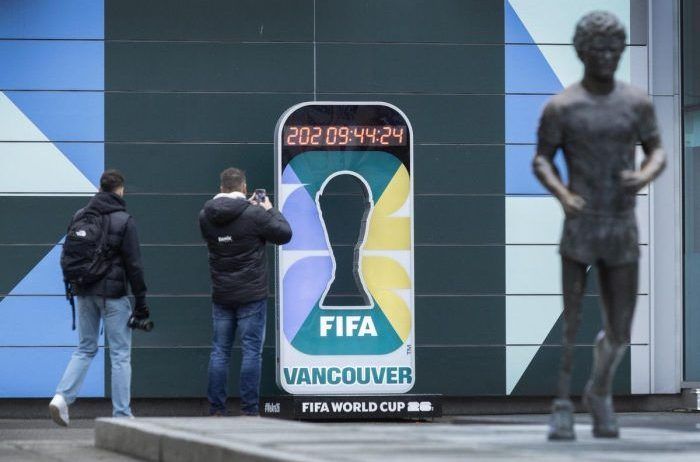
But what will the legacy of the Cup be? There won’t be any notable construction projects that will serve as reminders for decades, no temporary fixtures like the McBarge (RIP) to spark nostalgia.
“With the Olympics, there’s a very visible legacy that we see. I think with the World Cup , it (will be) less overtly visible — but a legacy nonetheless,” she said.
Hosting the Cup will provide both short- and long-term economic boosts, she said, pointing to Destination B.C.’s projection of a billon dollars from repeat visitors to the city, directly linked to promotion of the city by the Cup. Local businesses will be exposed to a global market, increasing their market scope.
British Columbians are hoping that billion-dollar figure comes true, now that the “blank cheque” John Horgan feared in 2018 has a number on it.
When the former premier first rejected the idea of hosting the FIFA event, it was because of the unknown costs. Four years later, when the province flipped a 180 on the idea, the initial projection was between $240 million and $260 million.
The latest projection: $650 million.
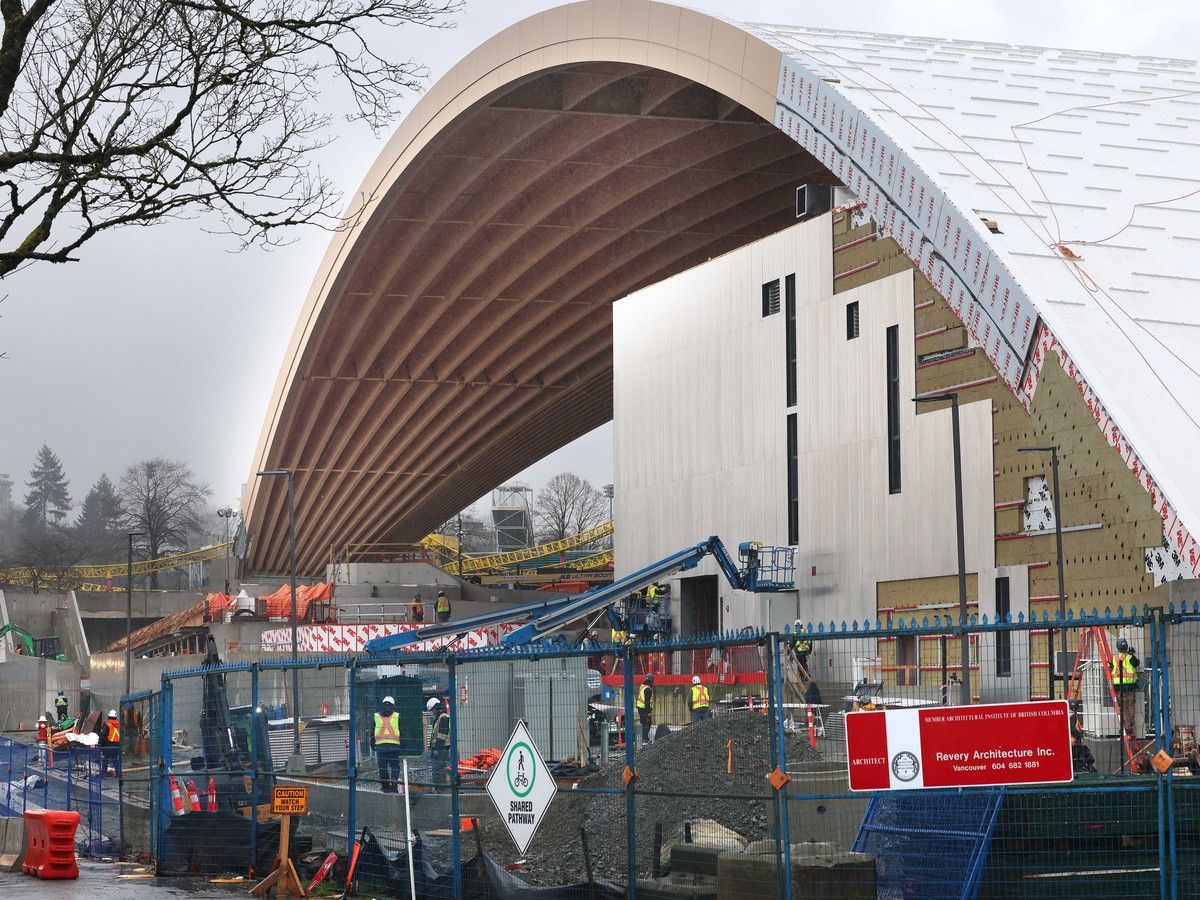
A spring 2025 news release from the province had it pegged at $ 624 million . It outlined $345 million for safety and security, the fan fest, traffic management and other public sector services; $181 million for stadium improvements and operational costs; and $98 million for co-ordination of essential services in the city. The newest numbers, Adcock said, will come in May.
“We’re making a strategic investment, and a lot of this is a financial plan,” she said. “A lot of this modelling was done without understanding what teams and players and matches were going to be coming. And I think what we’ll see now is more information about that financial plan as we get closer to the event.”
What the final bill comes to is one thing to watch. Here are five more questions:
Can the fan zone avoid the fate of others?
New York — well, technically MetLife Stadium in East Rutherford, N.J. — is the site of the Cup final. The shining metropolis jewel in the Cup crown also just cancelled its fan fest , which was supposed to run at Liberty State Park.
Citing logistical and financial concerns, the local organizing committee pulled the plug on it. There will be two smaller, shorter festivals at other sites, in Queens and Manhattan, but the massive party that was planned has been scuttled.
They’re not the only ones scaling back. Daunted by a price tag that some reports put at US$1 million a day to stage these events, Seattle is distilling its fan fest to smaller parties scattered throughout the city, Boston has reduced its festival to just about half the length of the tournament, and Miami is threatening to cancel its fest if they don’t get additional funding.
But the Vancouver fan fest is a go. The PNE event is going on as planned and, keeping in line with FIFA historical precedents, admission will be free.
“Our commitment to having a free fan festival has been out there since the beginning,” said Adcock. “There are different realities across the different cities. “My understanding is that there’s still some degree of festival happening in New York, maybe just not as originally perceived. But even in Washington state, Seattle, L.A., I think what you’ll see is a different type of fan festival in and around each city that is kind of more reflective of what they want to do locally.
“In our case, we have this beautiful site at PNE Hastings Park. It’s a central location that we can make accessible to all of our neighbouring municipalities. We really want to open it up. Our commitment was always to create an environment where we would be able to include everybody, whether or not they got a ticket to the match.”
Are there enough rooms for visitors?
Are there enough beds for the expected 350,000 visitors?
“Absolutely,” said Adcock. “We’ve talked about this a lot with our partners at Destination B.C. and Destination Vancouver, and their modelling shows that between the existing stock of rooms available across the region, with the enhanced transportation options that will be in place, and the movement of folks in between the matches that, yes, we will have enough accommodations.”
While the bid organizers and the city continue to be positive and bullish on accommodations for fans during the Cup — estimates put the number of available hotel rooms and short-term rentals at around 41,800 for Metro and 22,700 in Vancouver itself — availability still falls short by nearly 70,000 “accommodation nights ,” according to a Deloitte report.
Airbnb has pushed to have short-term rental rules relaxed for the tournament, but both the city and province remain unmoved. Currently, should you wish to list on Airbnb, you must register with the city at a cost of $1,108 for the year. Renting out on your own, you still need to register, with partial or primary residence licences costing you $100, or $450 for secondary suites or non-principal residences , in areas that allow short-term rentals.
That cost could be mitigated with Airbnb offering potential clients up to $1,000 to list entire homes on their site, on top of their estimates of an average of $4,200 in profit .
How many games will Canada play here?
With no warm-up matches scheduled, Canada will play two games at B.C. Place.
But in a perfect world, it could be four.
B.C. Place gets two knockout-round games, and it’s conceivable that Canada could play in them.
To make the first knockout-round match, Canada has to top Group B.
They have beat Qatar in the past, 2-0 in a 2022 Cup warm-up game, and took a Belgium team ranked second in the world to the brink in a 1-0 loss at the last Cup. So the 29th-ranked Canadians beating the 18th-ranked Swiss isn’t out of the question. It’s the third, yet-to-be-known team, that could make or break Canada’s hopes. Should Italy come through the playoffs, it might be a Burrard Bridge too far.
But should they top the group, their knockout-round game would be at B.C. Place. If they win that one to advance to the Round of 16, that, too, would be at The Dome.
Dare to dream.
Will we get any more games?
As bombs fall across the Middle East, so do the hopes of Iran playing in the Cup.
The chances of Asia’s second-ranked team playing in the tournament were already dwindling because of the expanding war sparked when the U.S. launched missile attacks on the oil-rich country, killing Supreme Leader Ayatollah Ali Khamenei and much of the country’s ruling body on March 1.
Their chances were sealed Wednesday when the I ranian sports minister, Ahmad Donyamali, told state TV that Iran wouldn’t be playing.
“Given that this corrupt government assassinated our leader, under no circumstances can we participate in the World Cup,” Donyamali said. “Our children are not safe and, fundamentally, such conditions for participation do not exist. Given the malicious actions they have carried out against Iran, they have forced two wars on us over eight or nine months and have killed and martyred thousands of our people. Therefore, we certainly cannot have such a presence.”
Iran was supposed to play two games in Los Angeles and one in Seattle against Egypt, which previously led to speculation that their games could be moved to Canada or Mexico — at least for the group stage — and avoid the U.S. entirely.
Then there was the outburst of gang violence in Mexico after the killing of drug lord Nemesio (El Mencho) Oseguera Cervantes that had elicited the same idea — that the Canadian cities could absorb more games in their schedule.
But Adcock threw some cold water on that idea.
“One of the rate limiters that often isn’t talked about is just how many games can be played on the pitch,” Adcock said of the natural grass surface. “For us, it would be very unlikely for Vancouver to receive more games. It’s also logistically, very, very difficult. The schedule is very intricate. It’s the largest World Cup ever. So at this stage it would be very unlikely.”

Soccer swan songs
Unless the soccer gods cut a swath through the perambulatory knockout-round math, there’s little chance we’ll see Lionel Messi or Cristiano Ronaldo at B.C. Place in what could be their final Cups.
Argentina could make a visit should they finish third in their group and be one of those eight third-place teams that make the Round of 32, but Portugal would only come through if they topped Group K, then won their first knockout-round game.
But the slate of games at The Dome means you can still see some soccer luminaries in what might be their final games.
Belgium midfielder Kevin De Bruyne turns 35 in the tournament, but his knees and hamstrings are probably closer to 70. His long, long list of injury woes could mean this will be his final Cup. The Rode Duivels take on New Zealand at B.C. Place on June 26 — two days before his birthday.
Another birthday boy, Liverpool legend Mo Salah, turns 34 a week before taking on the Kiwis for Egypt on June 21. There are signs in the Anfield sandbox that the winger might leave his club team for the Saudi League next year, which — with apologies to MLS detractors — is one step closer to retirement.
Lastly, while he’s not a lock for Qatar’s roster, we could see Sebastian Soria take the pitch for the Maroons when they face Canada on June 18. He would be 42 by then — making him the third-oldest player in Cup history, behind Egypt’s Essam El-Hadary (45 years and 161 days), and Colombia’s Faryd Mondragon (43 years and three days).
Bonus questions: Can Whitecap Thomas Müller help Canada win Cup?
Don’t laugh. You might get asked this question by a casual. Believe it or not, despite The Beautiful Game being the world’s most-popular sport, not everyone watches or knows the game.
So, no, Müller can’t help Canada win the Cup. Club, or pro soccer, is completely separate from international soccer. He may be a member of the Vancouver Whitecaps, but in international play, he represented Germany. He retired from international competitions, like the Cup, in 2024.
He’ll still be a presence, however, joining Germany TV to be an analyst for the duration of the tournament.
Could war cost Iraq its chance at a return to the Cup?
The war in the Middle East may yet cause another soccer casualty — Iraq.
Iraq is set to take on either Bolivia or Suriname in a playoff game in Mexico on March 31, with the winner qualifying for the Cup.
But Middle Eastern airspace is closed in the region because of the Iran war, meaning the national team — primarily made up of players from its domestic league — can’t get out of the country.
FIFA had proposed the team and staff make a 25-hour road trip to Turkey before flying to Mexico, but Iraq declined, and made a formal request for a game postponement. Iraq coach Graham Arnold has already cancelled a training camp, and suggested that FIFA let Bolivia and Suriname play, and Iraq could face the winner in the weeks before the Cup.
A few Iraqi players based outside of the country were issued visas by Mexico in Saudi Arabia and Qatar on Thursday, but there was no word on which players they were or how many had got approved.
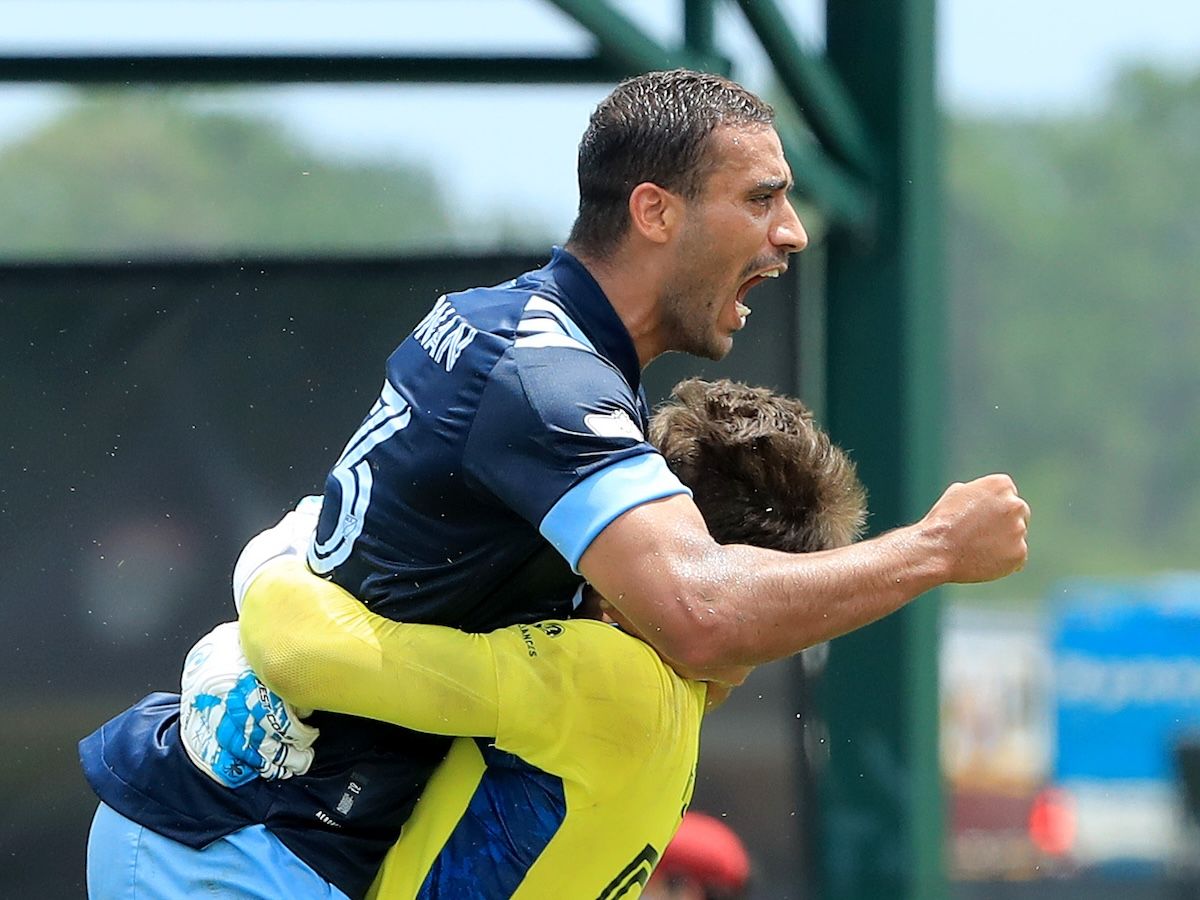
A former Whitecaps fullback, Ali Adnan, plays for the Iraqi team, which hasn’t qualified for the Cup since 1986, and knows how much it would mean to his country.
“That’s always in my mind when I play for the national team: ‘How can I make these people happy?’ ” he told FIFA in the last qualifying run .
“If you know the Iraqi people, they love football … I’ve been playing for the national team for a long time now and, for me, it’s still the best — there’s a different feeling than playing for your club. You can feel the millions of people looking to you, wanting you to win, and that’s very special.”