 BURST
BURST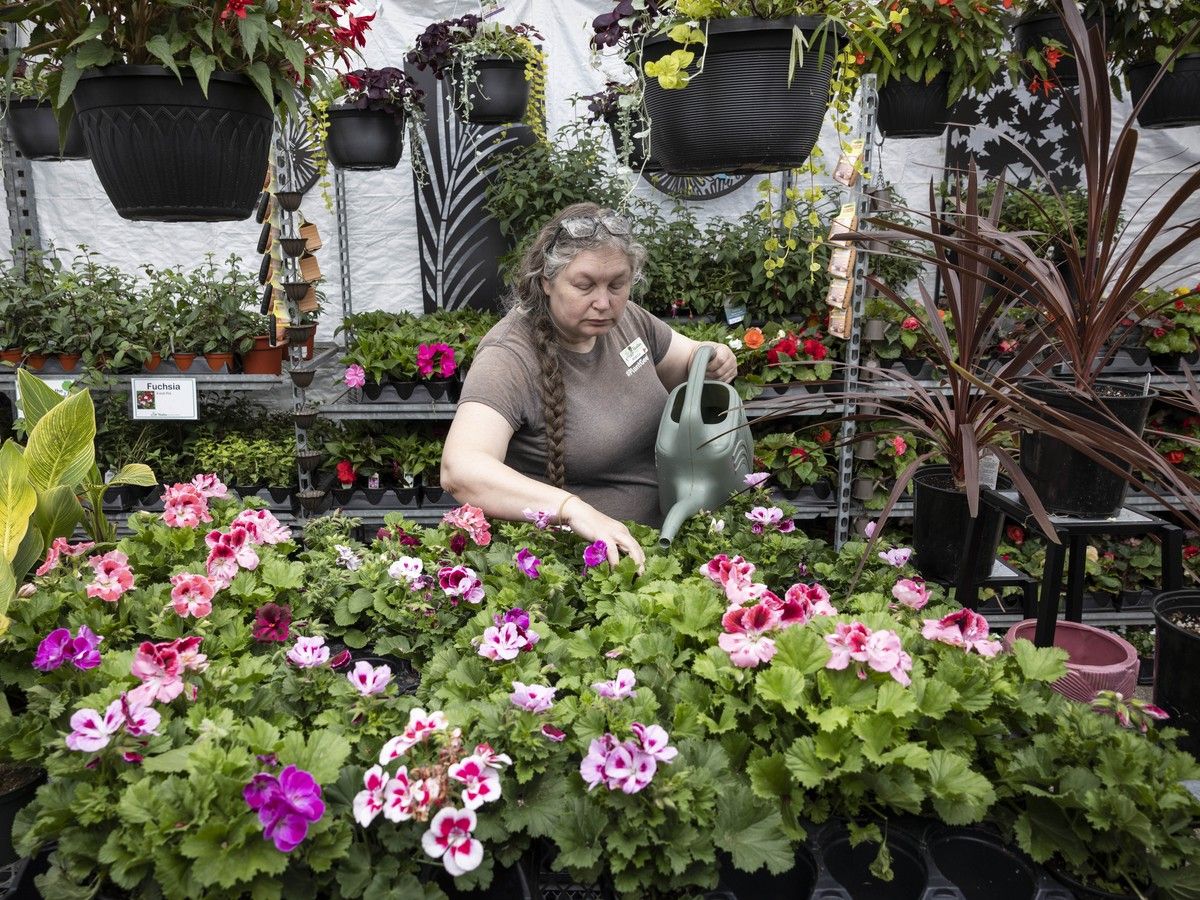
Metro Vancouver water restrictions will move into Stage 3 beginning June 8.
Here’s what you need to know about Stage 3 water restrictions:
When does Metro Vancouver’s Stage 3 water restrictions begin?
The latest round of water restrictions will take effect on June 8.
What’s allowed or not allowed under Metro Vancouver’s Stage 3 water restrictions?
Under Stage 3, all lawn watering is banned, though trees, shrubs and flowers can be watered any time with a water container, drip irrigation or hoses with spring-loaded nozzles. All sprinklers and soaker hoses are banned under Stage 3.
Vegetable gardens can still be watered at any time, but pools, hot tubs and decorative water features can’t be filled or refilled.
To wash your car, you’ll have to visit a commercial car wash instead of hosing it down in your driveway, though you are still allowed to wash windows, lights, mirrors and licence plates, as well as boat engines for safety.
Power washing driveways and sidewalks is also banned “except in limited circumstances.”
Why is Metro Vancouver moving into Stage 3 water restrictions?
Metro is responsible for ensuring the region’s drinking water supply remains at adequate levels despite a low snowpack and a hot-and-dry summer. Restrictions also ensure that water use doesn’t decrease pressure and impact first responders’ ability to use water in emergencies.
Also impacting this year’s pace of water restrictions is a project underway to build a new water supply tunnel through Stanley Park. To allow for that work, one of the region’s key water pipes connected to the North Shore reservoirs has been out of use since the fall.
Last month, the region skipped directly to Stage 2 water restrictions.
“This year is unique, with warm, dry weather, a low snowpack, and construction on the Stanley Park Water Supply Tunnel impacting our water supply,” said Metro chairman Mike Hurley. “When the summer-like weather hits, water use can increase by more than 50 per cent, and in order to complete projects like Stanley Park that increase capacity and resilience, we need to work together and bring down our water use so the system is protected while work is underway.”
Forecasts for this summer say it could be one of the hottest on record, with above-normal temperatures and below-average rainfall for B.C.’s South Coast.
With files from Tiffany Crawford.