 BURST
BURST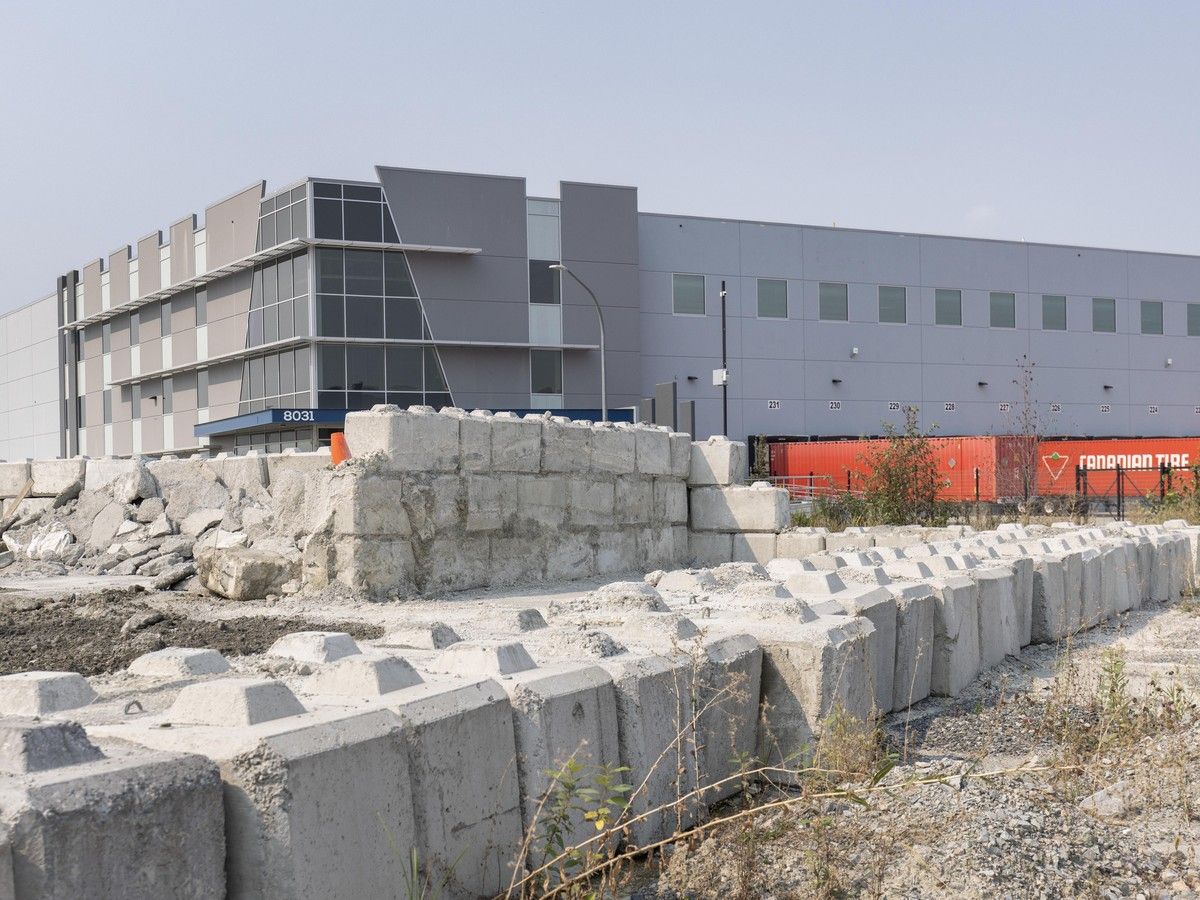
A Richmond company is appealing a B.C. Supreme Court ruling that threw out its bid to reopen the Cowichan Tribes Aboriginal title case.
Last year’s landmark court decision found the Cowichan held Aboriginal title to a swath of land in southeast Richmond, including privately owned lands.
Montrose Properties, which owns warehouses, a Coca-Cola distribution centre and other facilities in the area, filed the appeal Tuesday with the B.C. Court of Appeal.
The appeal seeks to overturn B.C. Supreme Court Justice Barbara Young’s dismissal of Montrose’s bid to reopen the case and add it as a party. The company’s aim is to allow it to file arguments on limited issues such as whether it was appropriate for the court to make findings of Aboriginal title over Montrose land holdings when it was not part of the court proceedings.
In announcing it had filed the appeal, Montrose president and CEO Ken Low said: “We are going to do everything we can to ensure our interests are heard and our rights are respected. And we do not feel they have been to date.”
The company was not involved in the trial that led to the 2025 ruling, but has said the ruling affected the status of its property and, in one case, led to a potential deal being put on hold .
Low pointed to a recent New Brunswick Court of Appeal ruling, which said courts should not be making declarations of Aboriginal title over private land as it would be the death knell of reconciliation. The Supreme Court of Canada declined to hear an appeal from the Wolastoqey First Nations on that ruling.
Montrose has noted that reopening a case is rare but not unprecedented.
In a June 29 decision, Young dismissed the company’s application for re-litigation as an “abuse of process.”
She said the proper place for Montrose to make its case was through an appeal of the decision itself.
“Although Montrose did not have formal notice of the (original) proceeding, it had knowledge of the proceedings, and chose not to apply to be added as a party until long after the conclusion of the trial,” Young wrote in her 34-page decision.
Young said she agreed with the Cowichan lawyers that reopening the trial could open the floodgates, with numerous other private landowners and persons with commercial or other interests in the Cowichan title lands seeking to join the case.
“This sort of sprawling process, long after trial has concluded, would be inefficient, disruptive for the parties, and would not enhance the integrity of the administration of justice,” wrote Young.
Allowing the application could also give third parties incentives to take a wait-and-see approach on other cases, then try to join after a ruling, said the judge.
In the hearing on its application, Montrose argued its financial interests were directly and significantly affected by Young’s decision to grant the Cowichan Tribes Aboriginal title to just under four square kilometres of southeast Richmond.
The ruling found the Cowichan Tribes held Aboriginal title to land in the City of Richmond, including federal port lands and city-owned lands, as well as private homes, farms and commercial lands.
It was the first time a Canadian court had included private land as a remedy.
The Vancouver Island-based Cowichan had historically used the area along the Fraser River as a summer village, where as many as 2,000 people gathered to fish for salmon. The land was sold to private landowners by the government starting in 1871.
While the Cowichan did not directly target the private land held by individuals, Young said in her 2025 decision that Aboriginal and private landowner rights coexist, and the province had a duty to negotiate compensation with the Cowichan.