 BURST
BURST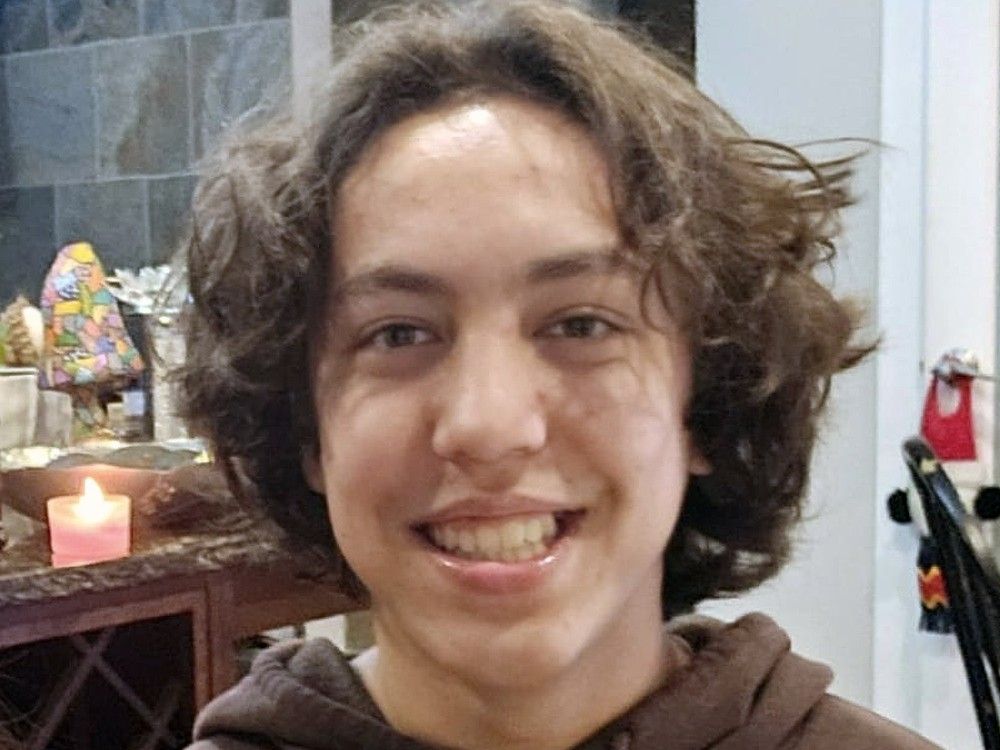
To be the first person in the world cured of chronic granulomatous disease, a rare genetic condition, feels a little surreal to Ty Sperle.
Gone is the fear of infection, the canker sores, and the daily regime of pills. But being “Participant 1” in a paper recently published in the New England Journal of Medicine, which describes the gene editing process that led to the cure, hasn’t significantly altered his life.
“I feel pretty similar to before,” said the 18-year-old UBC Okanagan student.
Sperle was diagnosed with CGD when he was five. The disease impacts the immune system, specifically the white blood cells that engulf and destroy bacteria by releasing a substance similar to bleach. In someone with CGD, the cells don’t make the chemical, severely reducing the body’s ability to fight infection.
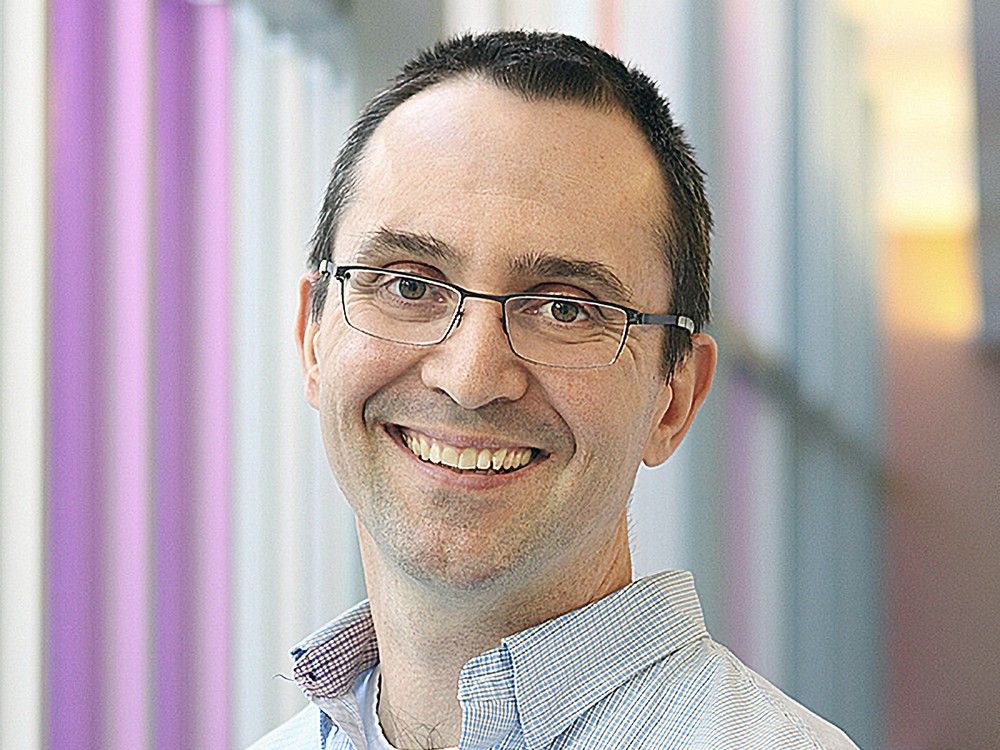
“You can think of it like there was a big hole in his protective armour,” said Dr. Stuart Turvey, a pediatric immunologist at B.C. Children’s Hospital and a clinician at the B.C. Children’s Hospital Research Institute who has been Sperle’s doctor since he was young. “There was always this fear that a bacteria would slip in and infect him.”
Despite preventative care, including long-term antibiotics and anti-fungal medication, Sperle had been hospitalized several times. A severe bacterial lung infection when he was very young led to his diagnosis, while an infection in the bones of his skull when he was in Grade 6 took about two years to bring under control. For some patients, infections can be fatal.
Turvey said in recent years, a standard treatment for CGD has become a bone marrow transplant, but in Sperle’s case that wasn’t an option because they couldn’t find an optimal match.
The immunologist had been keeping up on advances in gene editing , so when American company Prime Medicine announced a clinical trial that was being run out of CHU Sainte-Justine in Montreal, he spoke to Dr. Élie Haddad, the lead doctor and a friend and colleague, to say he had a perfect candidate.
Sperle said the toughest part of the process was the uncertainty of the transplant itself.
“I was kind of nervous about it,” he said.
While he had heard of gene editing, he didn’t think it would happen so soon. But he trusted Turvey.
“He’s been my doctor for as long as I’ve known,” he said. “He’s a smart guy and he knows what he’s talking about. And his confidence in the cure helped me.”
Gene editing is widely believed to be on the cusp of revolutionizing medicine , with basic research on targeting and repairing the genes that cause various diseases beginning to move into clinical applications.
Turvey said blood stem cells from Sperle were enriched and treated with a gene editing product that targeted and corrected the mutation in the gene responsible for CGD. As a result, his white blood cells can now make the chemical that fights infections.
The cure provides hope that gene editing can be used to cure other rare diseases, he said. Although by themselves, many genetic diseases are rare, together children who are admitted to B.C. Children’s Hospital with a rare disease make up about one in three patients.
“No one jurisdiction can do it alone,” he said. “This work relies on collaboration.”
In a statement, B.C. Minister of Health Josie Osborne said Sperle’s story shows the “power of public health care, research, and global collaboration.”
“It’s amazing to see a young person from B.C. cured of a life-threatening genetic disease through innovation from clinical teams,” she said. “This gives hope to families facing rare conditions and shows how smart investment in science can lead to life-changing care.”
Sperle said he isn’t sure how to feel about being part of a groundbreaking moment in medicine. He is in his second year at UBC after taking half of last year off to travel to Montreal for the treatment. After several weeks in isolation, he has returned to campus. He is majoring in science, but thinking about switching to engineering. He continues to be careful of his health, but said this year doesn’t feel too different from last.
“It is really crazy to think about,” he said. “We’re definitely at a turning point in medicine, and to be cured through gene editing is amazing. But I’m not sure what to say.”
Related
For more health news and content around diseases, conditions, wellness, healthy living, drugs, treatments and more, head to Healthing.ca – a member of the Postmedia Network.