 BURST
BURST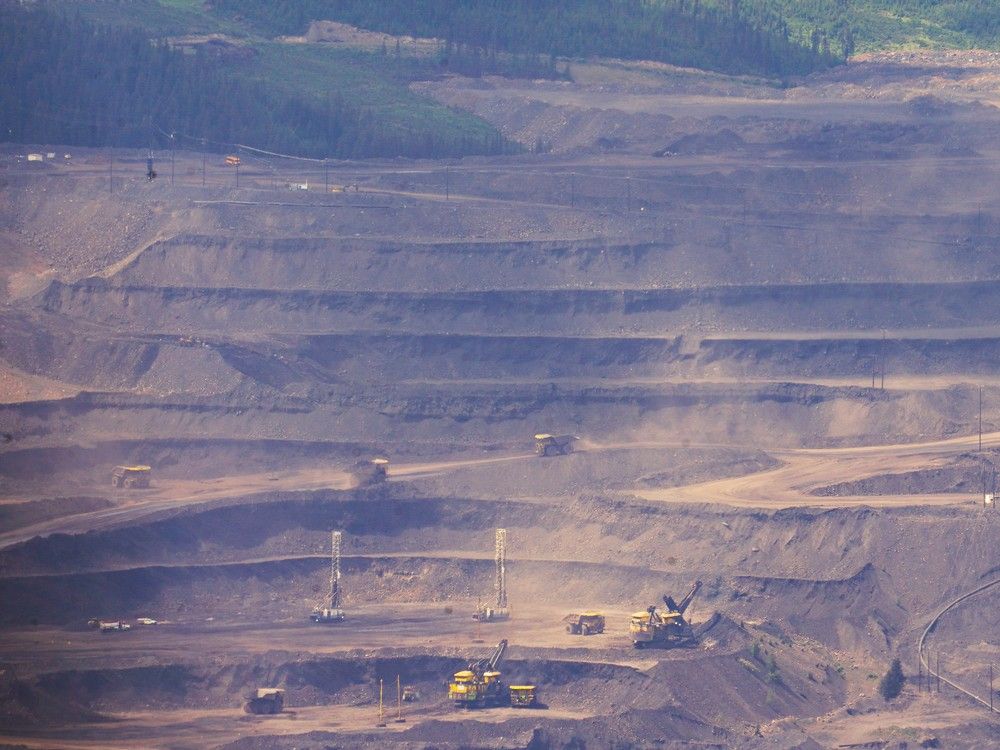
B.C. residents can now weigh in on whether a coal mine in southeastern B.C. should be allowed to proceed with plans to expand operations despite cross-border water pollution concerns.
Glencore-owned Elk Valley Resources, which operates four steel-making coal mines, has renewed a proposal to extend Fording River operations for another 35 years. The company is also proposing to expand operations by mining in a new area south of the existing mine, located about 15 kilometres northeast of Elkford.
The proposed expansion of the steel-making coal mine — which would expand the mine by 20 square kilometres— entered B.C.’s environmental assessment process public comment period on Wednesday.
Those who want to comment can do so on the government’s EPIC engage website. The process runs from Wednesday to Feb. 15.
In November, the federal government said more work was needed to address cross-border water pollution risks to fish and fish habitat, migratory birds and the Indigenous.
Critics of the proposal say waste rock from the mines is the primary source of the selenium pollution that’s threatening aquatic ecosystems in the Elk Valley and all along the Kootenay River.
“The fact that this expansion is being proposed while existing Elk Valley mines pollute aquatic ecosystems and drinking water should be grounds alone for the B.C. government to reject this proposal,” said Simon Wiebe, mining impacts and policy lead at Wildsight, in a statement this week.
“This public comment period is an opportunity for everyone affected by this crisis to speak up and make sure that B.C. listens.”
The pollution, which was confirmed by the U.S. geological survey, comes from waste rock which causes selenium and other pollutants such as nitrates, nickel and calcite to leach into rivers.
While rarely harmful to humans, selenium and calcite can damage fish populations by lowering reproductive success.
In 2021, the former owner Teck was fined $60 million —the largest fine ever under the Fisheries Act—over these pollution concerns. In 2023, it was fined again for $16 million.
Since taking over, Elk Valley Resources says it has been in talks with local First Nations to reduce the project’s environmental footprint, including reducing disturbances to habitat and bringing in new water quality measures. The company says it has implemented the Elk Valley Water Quality Plan, a long-term plan to reduce selenium and improve the health of the watershed, while allowing for continued mining.
In 2024, B.C. agreed to the International Joint Commission investigation into water pollution in the Elk-Kootenay watershed. The investigation is ongoing and involves both federal governments, along with B.C., the states of Montana and Idaho, and six Indigenous communities.
Although the coal is for making steel — not burned for energy — critics say the process still releases a large amount of greenhouse gases that contribute to climate change, and that toxic levels of minerals continue to contaminate rivers.