 BURST
BURST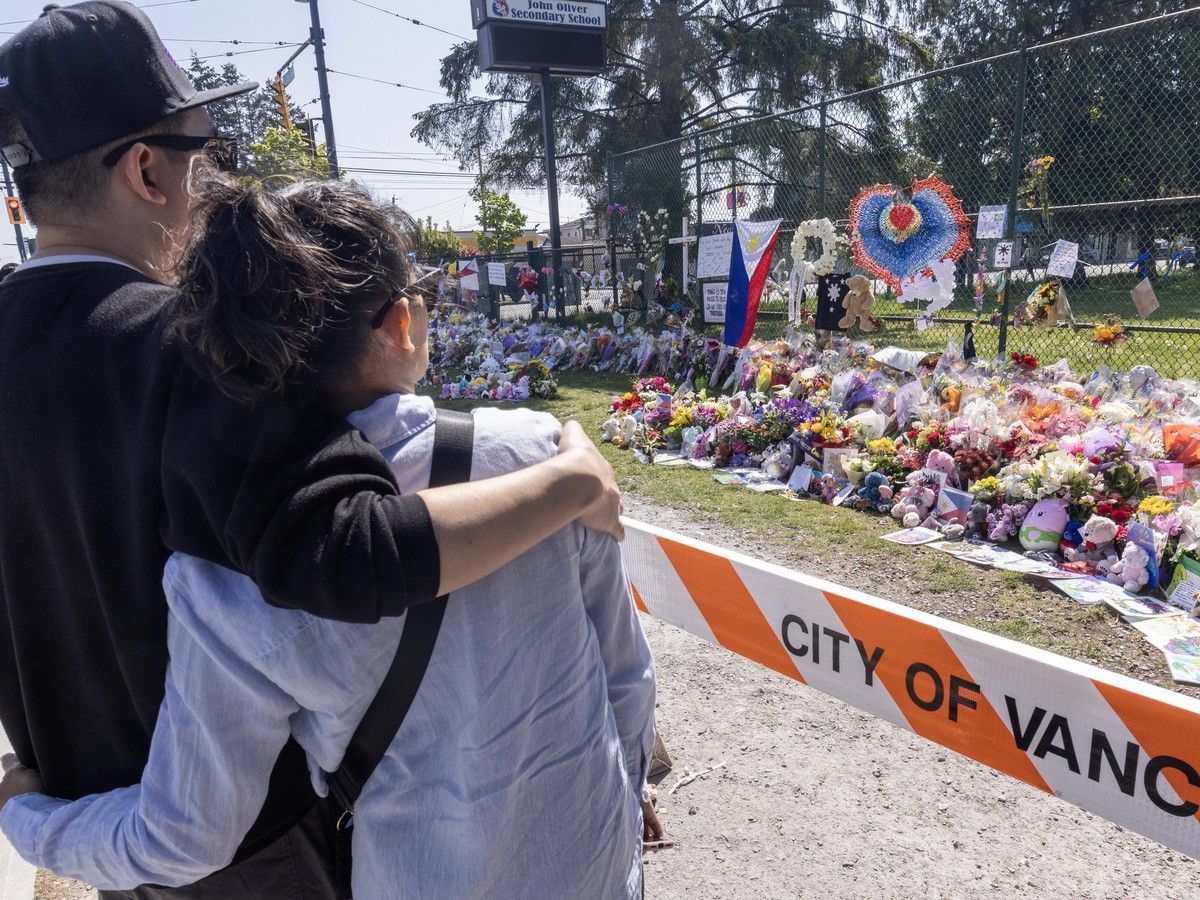
One year after the Lapu Lapu festival tragedy last April, which inflicted pain and horror across the Filipino community and the entire province, changes are happening to improve public safety at large events.
The modifications include new mass-casualty training for paramedics and a proposed expansion of safety measures, such as installation of permanent barriers, to avoid future “hostile vehicle” incidents in the City of Vancouver. Many municipalities in Metro Vancouver have also adopted event safety plans recommended by a provincial commission of inquiry.
The head of Vancouver’s FIFA organizing committee said her team has worked with Vancouver police and the province to learn from the Lapu Lapu Day tragedy and apply lessons learned.
“Safety is a priority for us,” said Jessie Adcock, Vancouver host committee lead for the seven World Cup matches scheduled for Vancouver in June and July.
She would not reveal specific changes made, but spoke generally about improvements related to crowd control, securing venues and road safety.

On April 26, 2025, a black SUV plowed into the Lapu Lapu street festival in East Vancouver, killing 11 people and injuring many more. A man with a history of mental health interactions with police faces 11 counts of second-degree murder and 31 counts of attempted murder.
Six dozen paramedics were involved in the response.
Since March, B.C. Emergency Health Services has offered new mass casualty-incident training to staff. It involves a four-hour online course and an eight-hour classroom session focused on decision making, coordination, and teamwork during complex incidents with multiple patients, a BCEHS spokesperson said.
Katryna Bowland-Kwok, BCEHS’s Vancouver coastal south operations director, said the ambulance service held operational debriefings in the aftermath of the attack, adding that the tragedy has influenced preparations for large events in the future, such as the World Cup.
“To make sure that we are as prepared as possible,” she said. “If this were to happen again, have we created enough resources to support that sort of incident?”

Last August, BCEHS switched 190 temporary paramedics to full-time, and hired 20 new people. This helped increase capacity for emergency services, including mass-casualty events, the provincial health ministry stated in an email.
After the horrific attack, the City of Vancouver and Vancouver police boosted measures to deter “hostile vehicles” from injuring people. Last summer, more barriers, such as concrete blocks or parked trucks, were placed at large public events, according to a September report by the two agencies.
A City Hall spokesperson said staff are working on implementing some of the eight recommendations in the report, including proposed funding in the 2027-2030 capital plan for permanent barriers to stop vehicle attacks in public spaces; new ways to support event organizers, such as information sessions and creating standardized planning tools; and collaboration with other Canadian municipalities and senior governments to create event-safety practices.
The Lapu Lapu festival was not organized by the city, but by a community group.
Antonio Ortega with the Lapu Lapu Society of B.C., a new organization created to help victims of the attack, said he appreciates the city’s efforts to make continuous safety improvements.
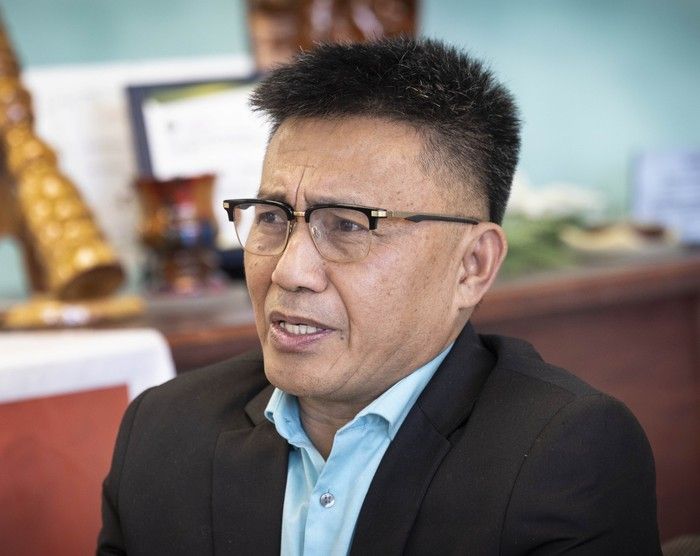
When it comes to community-organized events, Ortega said he wonders if groups could borrow the city’s portable barriers, and return them afterwards. That was a process he used in the past when organizing community festivals in the Philippines.
He also suggested police visibility is crucial at community events, but noted smaller organizations may not have enough money to pay for the officers.
Many organizers of community events rely on volunteers with little formal training, according to a provincial commission of inquiry report into the festival rampage issued by former chief justice Christopher Hinkson.
He also found that while a large city may have the means to beef up security measures, smaller and under-resourced communities may struggle because of staffing concerns and limited funding for safety equipment.
To provide a low-cost solution to assist these groups, Hinkson’s report includes templates for event-safety planning and event-risk assessment. Questions posed in the documents cover topics such as first-aid, security, crowd safety and preparations for emergencies.

Several municipalities, including Abbotsford and Richmond , have posted versions of these templates on their websites for organizers to use.
Hinkson’s report made six recommendations to improve safety at events, particularly for under-resourced communities, include provincial funding to offset security costs and the creation of a provincial hub with advice for safety planning and volunteer training.
In an email, the public safety ministry said it continues to review options for implementing Hinkson’s recommendations.
Since the Lapu Lapu Day attack, there have been changes to how various organizations, such as municipalities, police and the health ministry, prepare for possible crisis situations with Health Emergency Management B.C., a provincial program that provides leadership during major emergencies.
Program executive director Mary Charters said this includes a streamlined notification system with the ambulance service to prepare hospitals for the number of incoming patients, and improved plans for coordination at the sites of emergencies.
“It has really strengthened how we all work together, and being able to apply that for FIFA, but also across the province too, about what are those lessons learned,” Charters said.