 BURST
BURST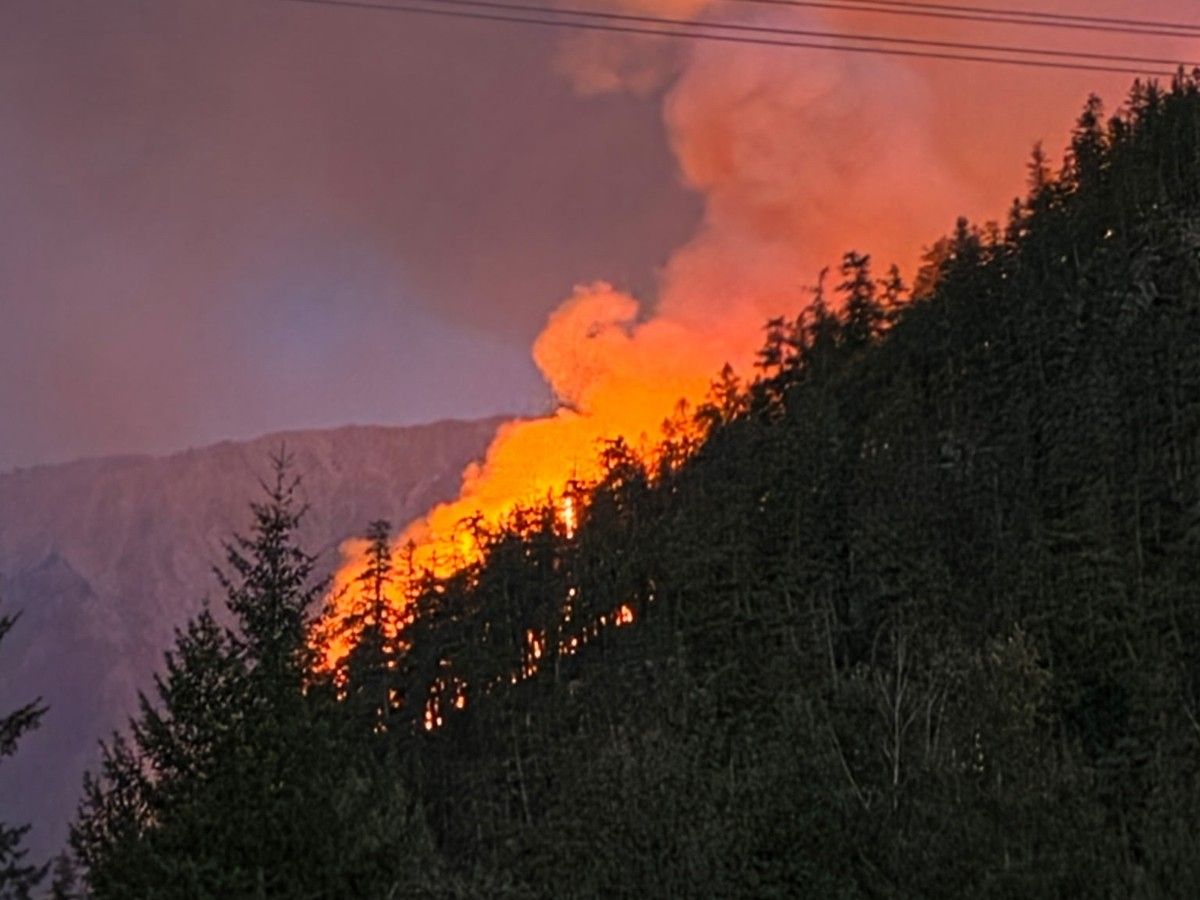
Here’s the latest news concerning climate change and biodiversity loss in B.C. and around the world, from the steps leaders are taking to address the problems, to all the up-to-date science.
Check back every Saturday for more climate and environmental news or sign up for our Sunrise newsletter HERE.
In climate news this week:
• Little reprieve expected in hot, dry weather as B.C.’s wildfire season heats up
• Evacuation orders issued for Village of Clinton, Boston Bar
• More than 250,000 people flee wildfires ravaging France and Spain
Human activities like burning fossil fuels and farming livestock are the main drivers of climate change, according to the UN’s intergovernmental panel on climate change. This causes heat-trapping greenhouse gas levels in Earth’s atmosphere, increasing the planet’s surface and ocean temperature.
The panel, which is made up of scientists from around the world, including researchers from B.C., has warned for decades that wildfires and severe weather, such as the province’s deadly heat dome and catastrophic flooding in 2021, would become more frequent and intense because of the climate emergency. It has issued a code red for humanity and warns the window to limit warming to 1.5 C above pre-industrial times is closing.
According to NASA climate scientists, human activities have raised the atmosphere’s carbon dioxide content by 50 per cent in less than 200 years, and “there is unequivocal evidence that Earth is warming at an unprecedented rate.”
As of July 5, 2026, carbon dioxide in the atmosphere was 431.44 parts per million, down slightly from 432.34 ppm the previous month, according to the latest available data from the NOAA measured at the Mauna Loa Observatory, a global atmosphere monitoring lab in Hawaii. The NOAA notes there has been a steady rise in CO2 from under 320 ppm in 1960.

Quick facts:
• The global average temperature in 2023 reached 1.48 C higher than the pre-industrial average, according to the EU’s Copernicus Climate Change Service. In 2024, it breached the 1.5 C threshold at 1.55 C.
• 2025 was the third warmest on record after 2024 and 2023, capping the 11th consecutive warmest years.
• Human activities have raised atmospheric concentrations of CO2 by nearly 49 per cent above pre-industrial levels starting in 1850.
• The world is not on track to meet the Paris Agreement target to keep global temperature from exceeding 1.5 C above pre-industrial levels, the upper limit to avoid the worst fallout from climate change including sea level rise, and more intense drought, heat waves and wildfires.
• UNEP’s 2025 Emissions Gap Report, released in early December, shows that even if countries meet emissions targets, global temperatures could still rise by 2.3 C to 2.5 C this century.
• In June 2025, global concentrations of carbon dioxide exceeded 430 parts per million, a record high.
• There is global scientific consensus that the climate is warming and that humans are the cause.
(Sources: United Nations IPCC , World Meteorological Organization , UNEP’s 2025 emissions gap report , NASA , Copernicus Climate Change Service , climatedata.ca )

Latest News
Little reprieve expected in hot, dry weather as B.C.’s wildfire season heats up
The wildfire season in B.C. is starting to ramp up.
Following a quiet early-season start, wildfire activity has jumped significantly since mid-July, after about 34,000 lightning strikes hit the province in a week-long period.
So far, about 975 square kilometres have burned, or less than one third the size of Metro Vancouver. Most of that in the southern half of the province. The total is much smaller than the 20-year average of 5,100 square kilometres or the area burned in extreme years which has topped more than 10,000, and even 20,000 square kilometres.
But there are two months left in the fire season — and there are fires raging in parts of the province where it is expected to continue to be hot, dry and windy, and where the forest is loaded with fuel. There’s also more lightning in the forecast.
“I think we are just now starting the core of the our wildfire season here in British Columbia,” Ravi Parmar, B.C.’s forests minister, said in an interview on Friday.
—Gordon Hoekstra
Evacuation order issued for Village of Clinton
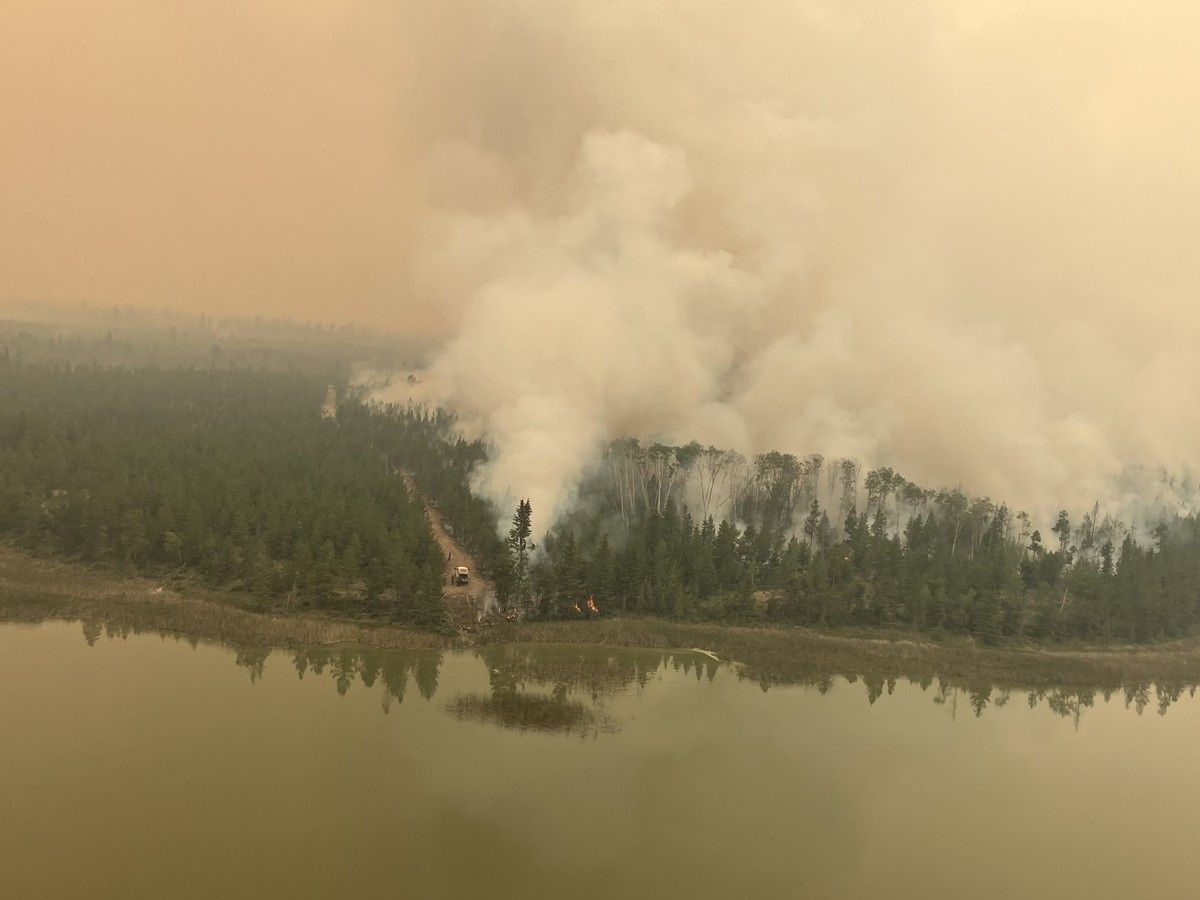
Shortly after noon on Friday, an evacuation order was issued for Clinton, a village of about 570 residents on Highway 97, midway between Vancouver and Prince George. The order was issued for the entire village because of the immediate danger to life caused by the Pear Lake wildfire.
Residents were expecting it.
Meantime, fire officials confirmed late Thursday that three fast-spreading wildfires have destroyed several structures and houses north of Clinton.
Kevin Skrepnek, director of emergency operations for the Thompson-Nicola Regional District, said there are about 20 properties damaged, which could mean anything from melted vinyl on the side of a house to a structure that has been razed.
He added that the majority of the damage is on the south side of the lake. People who lost property have been informed.
Skrepnek said hundreds of properties are covered by evacuation orders and alerts because of the Fiftynine Creek, Pear Lake and French Bar Creek wildfires, known together as the Big Bar Complex.
—Tiffany Crawford
More than 250,000 people flee wildfires ravaging France and Spain
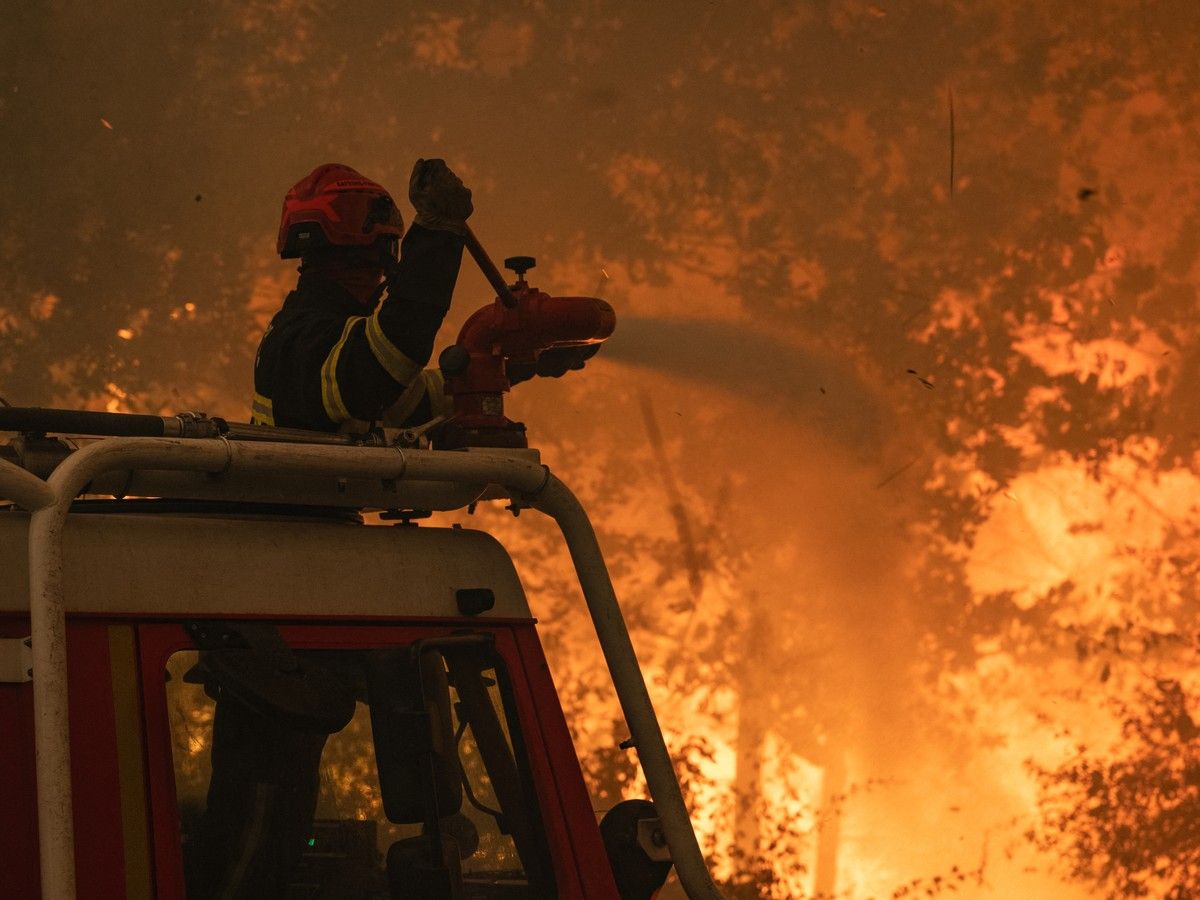
More than 250,000 people fled towns and villages in Spain and France into the weekend as uncontrolled wildfires moved ever closer to Madrid and Bordeaux, metropolitan areas that are home to more than eight million people combined.
Authorities ordered the immediate evacuation of some western suburbs of Bordeaux, a city in southwestern France famed for its wines, in an area that includes the regional airport.
Some 197,000 people were evacuated in the Gironde and surrounding areas, Interior Minister Laurent Nunez said at a press conference in Paris. As of Saturday, almost 98,000 hectares of land have been scorched in the blazes, a record in France, he said.
While increased humidity overnight means the conflagration in Gironde is no longer convective, or generating its own winds, the effort to get it under control “will be long and very difficult,” Nunez said.
The French government ordered more than 1,000 military personnel to support firefighters, Nunez said, adding that an Airbus A400M military transport plane will join Canadairs and other aircraft helping contain the fires in the coming hours.
—Bloomberg News
France, Spain, Portugal battle wildfires amid intense heat
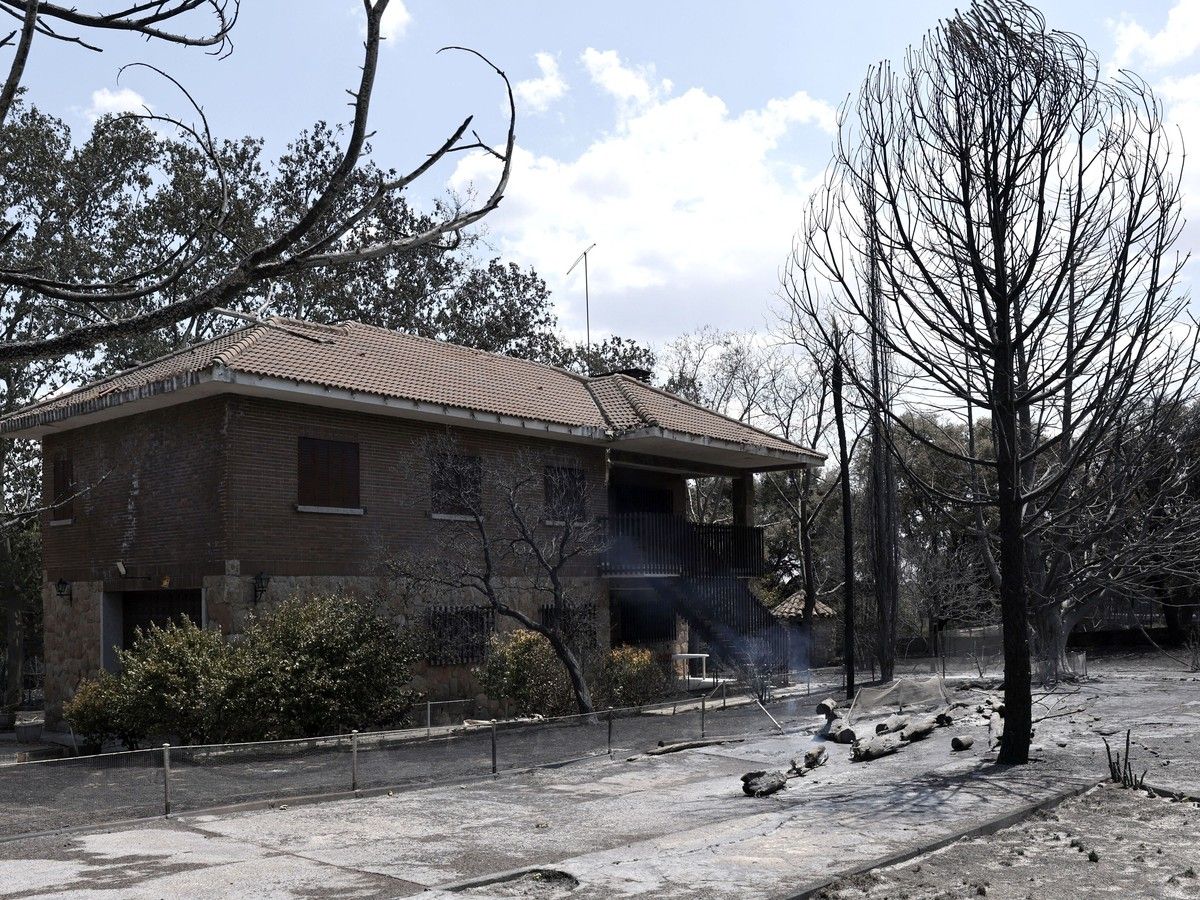
Authorities across southern Europe battled on Sunday to control huge wildfires in countries including Spain, Greece and France, where thousands of people have been evacuated in soaring temperatures.
In Spain, helicopters dropped water on the flames as searing heat and often mountainous terrain made the job harder for firefighters.
National weather agency AEMET issued high temperature warnings for Sunday, with highs of 42 C forecast in Aragon, Navarra and La Rioja, in the north. It said the heat wave would end on Monday, but warned temperatures would remain “abnormally high.”
Spain has been experiencing a nearly week-long heat wave, with highs of 45.7 C.
—Reuters
More needed to ensure worker safety during B.C. heat warnings: Critics
As many parts of B.C. experience heat warnings, advocates are sounding the alarm about extreme risks some workers continue to be in due to the gaps in adequate mitigation services.
Heat and air-quality warnings are in effect from Environment Canada for parts of Metro Vancouver and the Fraser Valley, with temperatures expected to climb to the mid-30s C.
WorkSafeBC requires employers to conduct workplace-specific risk assessments and develop plans that outline controls, training and safe work procedures. But some say the requirements are too vague.
“What we think is needed is more than just that general obligation. Give real clarity to the industry on what they should be doing,” said Brynn Bourke, executive director at the B.C. Building Trades Council, an organization supporting unionized construction workers.
“We’ve been advocating for a trigger temperature approach, where when a threshold is hit, a number of proactive measures come into place, and that could be things like access to cooling spaces or shade, ensuring access to cold potable water close to the work site, access to electrolytes, specifications around rest breaks, and so really trying to make it clear and to be proactive in this heat so that workers never get to a dangerous situation.”
— Sobia Moman
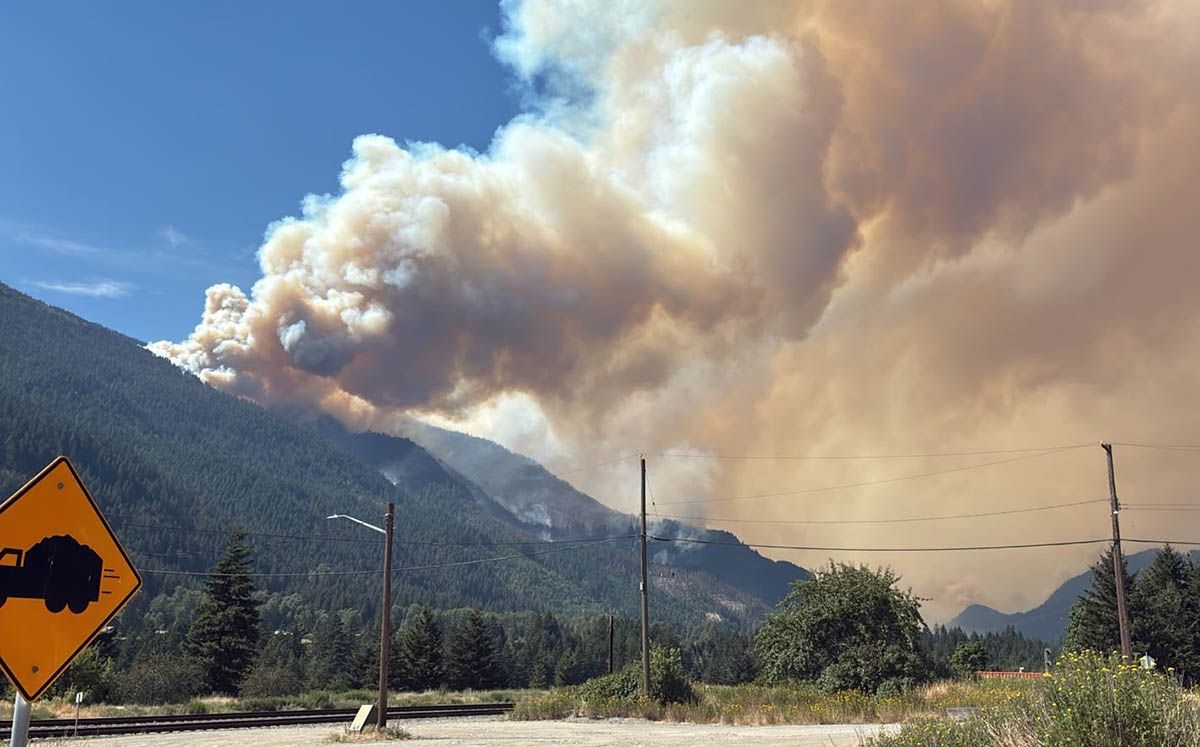
All Boston Bar residents ordered out as new wildfire erupts
The Fraser Valley Regional District has ordered residents who have remained in the Boston Bar area to leave immediately as a new blaze has erupted south of the Brunswick Creek wildfire complex.
On Tuesday, at 5 p.m., the district said the new fire was spreading quickly due to strong winds, and anyone in the area was in danger.
“For your safety, residents who have remained in the community, must leave now. You are in danger and need to evacuate immediately. Highway 1 will be closing immediately, you must drive north on Highway 1,” the statement read.
The area in B.C.’s Fraser Canyon has been under evacuation order since last Thursday, but some residents have remained.
The wildfire complex comprises the Brunswick and Ainslie creeks wildfires that were discovered July 4.
—David Carrigg
$69 million in flood protection upgrades completed in Grand Forks
Upgraded flood protections have been completed in Grand Forks, a B.C. community that was devastated by high waters that overflowed rivers in 2018. Hundreds of homes had to be evacuated and the military was called in to help.
In 2019, the federal and provincial governments announced $50 million in funding to increase flood resilience, including money to help buy about 90 properties in the highest-risk flood prone areas in the community of 4,300 near the B.C.-Washington border and east of Osoyoos.
With contributions from the City of Grand Forks and the Regional District of Kootenay Boundary, spending on flood protection reached nearly $70 million.
The money was used to build four new dikes, new stormwater and drainage systems including two pump stations, and restore a floodplain, including an off-river habitat channel.
“In the wake of the devastating 2018 flood, we made a commitment to rebuild stronger and reduce the risks posed by future flood events. Today, our neighbourhoods, businesses, industries and critical infrastructure are better protected because of that commitment and the strong partnership between the city, the province, the federal government and our community,” said Grand Forks Mayor Everett Baker. “This investment not only enhances public safety, but also provides greater confidence and resilience for generations to come.”
—Gordon Hoekstra
Pension funds try to come to grips with scariest global warming scenario
Institutional investors are trying to figure out what it would mean for their portfolios if continually rising temperatures trigger what JPMorgan Chase & Co. is calling “climate black swan risks.”
The scenario is one that investors including Allianz Global Investors and Standard Life Plc say they’re taking increasingly seriously.
It’s “something we really need to think about,” said Hetal Patel, head of sustainable investment research at Standard Life. The investor plans to do an “initial development” of its risk management around climate tipping points next year, he said. That will include running simulations across the firm’s £317 billion ($425 billion) portfolio to see how assets would be impacted.
Any investors not thinking seriously about such risks by mid-2028 would “really be out of the mainstream,” Patel said.
Climate tipping points are critical thresholds in the Earth’s interconnected natural systems including air, land, oceans and ice. JPMorgan’s “black swan” analogy reflects the fact that, though treated as a tail-risk, the impact of any single tipping point being breached would be “highly consequential.”
—Bloomberg News
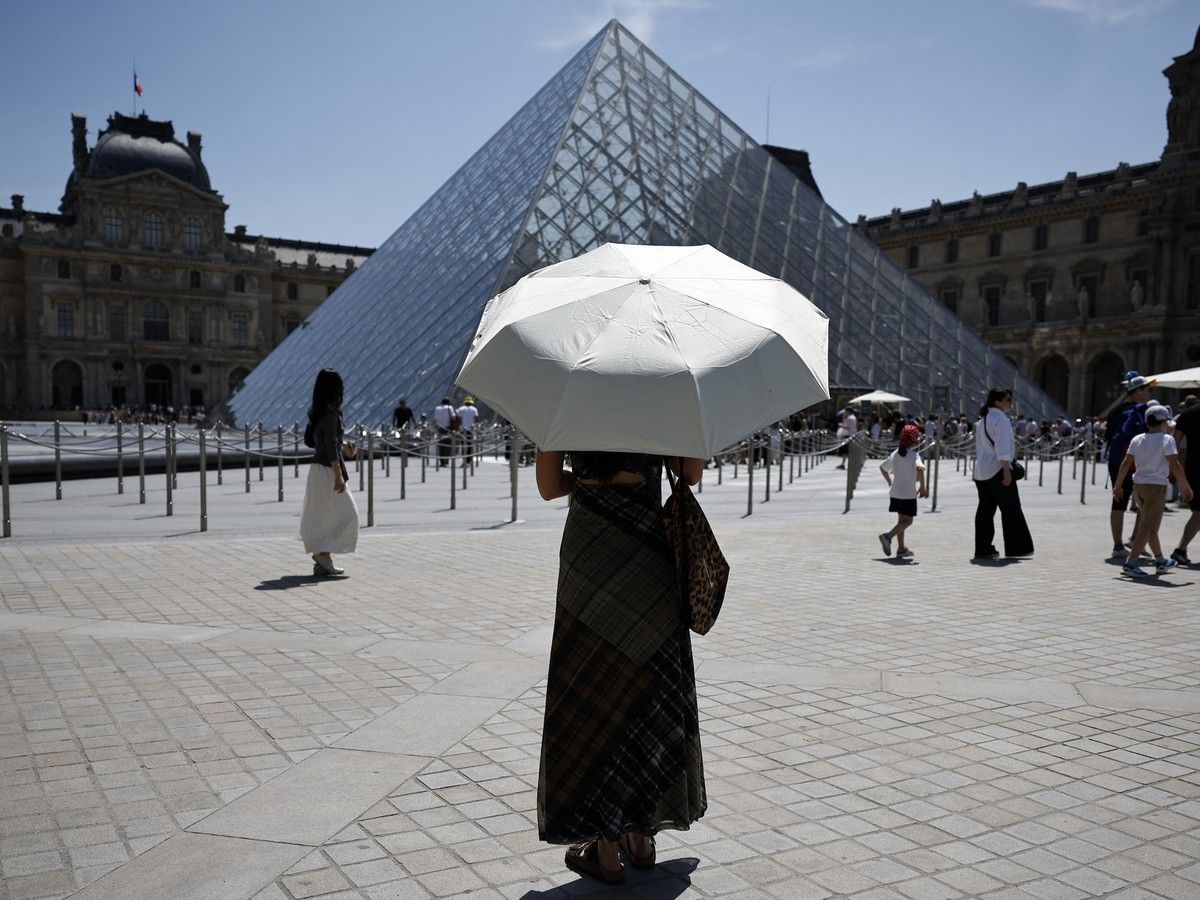
Heat morphs Into a major economic shock for an unprepared Europe
Europe’s status as the planet’s fastest-warming continent is becoming a serious drag on its economic prospects.
The region, where temperatures are rising at a pace that’s roughly twice the global average, can no longer afford to ignore the economic impact of global warming, according to economists interviewed by Bloomberg. They say governments will need to invest billions of euros in the years ahead to protect citizens from increasingly dangerous heat waves that are already cutting productivity, hurting industry and resulting in significant numbers of deaths.
This summer’s heat waves should be a “wake-up call for all European policymakers,” Carsten Brzeski, global head of macro at ING Group NV, said in an interview. The temperature extremes have “really gripped all of Europe.”
The economist, who spends most of his time forecasting key macroeconomic measures such as inflation and gross domestic product, says the thermometer has now “become a leading indicator” that people like him need to track.
The European Commission this year estimated that EU member states should be spending close to €70 billion ($80 billion) each year through 2050 to adapt to the fallout from rising temperatures. Allianz SE, Europe’s largest primary insurer, recently published heat-impact simulations showing that Germany, the biggest EU economy, faces economic losses through 2030 of about $130 billion. For France, the amount is $240 billion.
—Bloomberg News