 BURST
BURST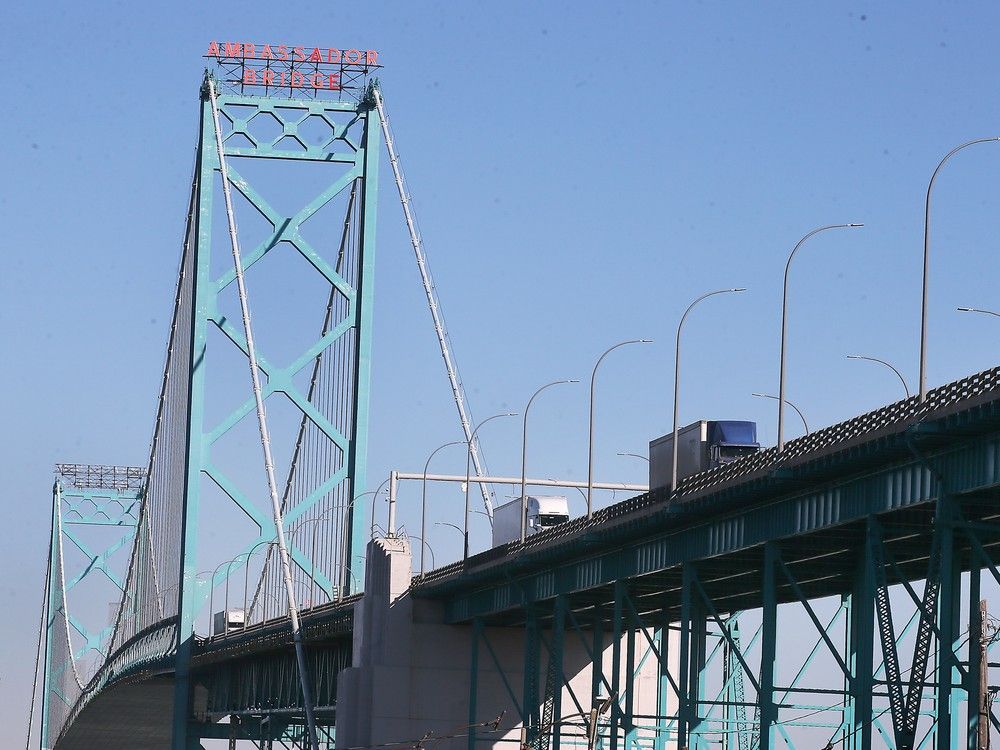
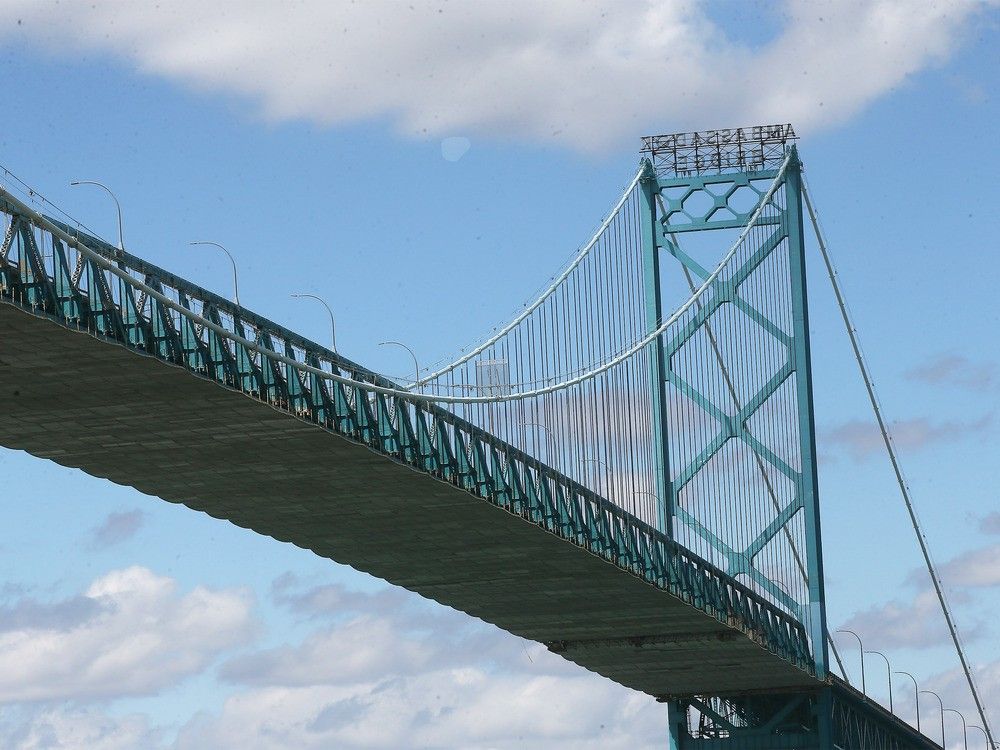
At first glance the story of late Ambassador Bridge baron Matty Moroun reads like a template for the American Dream.
The son of a poverty-stricken immigrant family, he started out cleaning ashtrays at his father’s struggling Detroit gas station. He ended up a billionaire.
But in Windsor-Detroit, the secretive empire builder is often remembered not just as a successful businessman but as a controversial figure who protected his interests by launching lawsuits and blighting neighbourhoods.
The controversial family legacy continued this month when Matthew Moroun, his only son and heir, allegedly wielded ties to U.S. President Donald Trump to block the opening of the rival, publicly owned, Gordie Howe International Bridge.
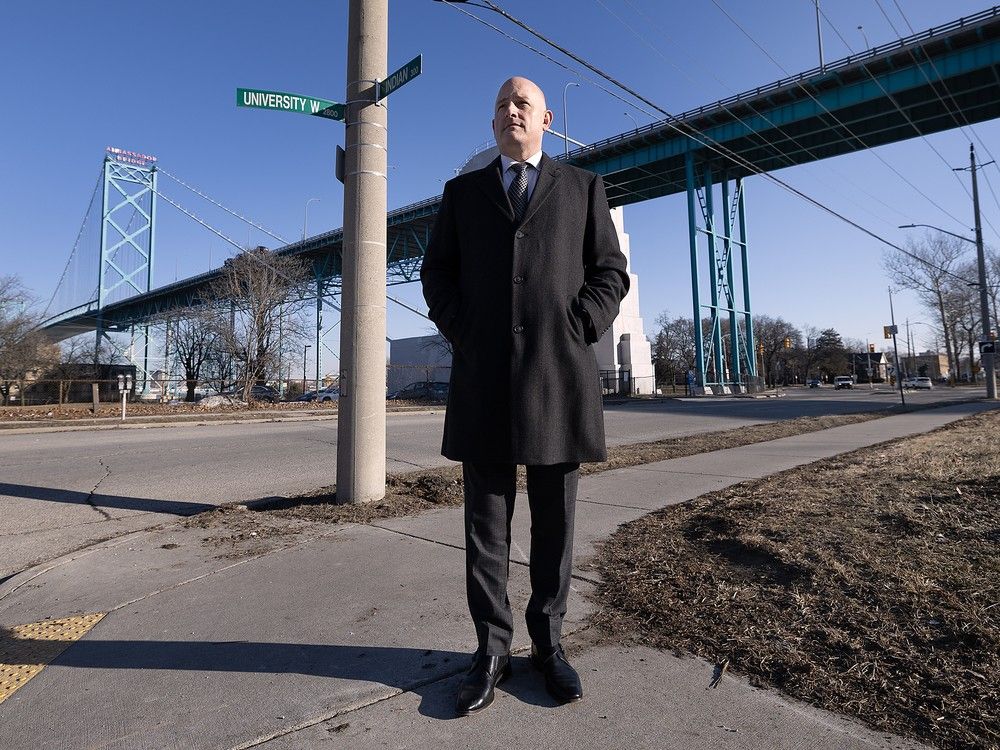
It reminds Windsor Mayor Drew Dilkens of the first time he was booed.
Back in 2007, the Morouns had already spent years fighting government efforts to build a competing bridge. And they had burned through a lot of goodwill.
Then a rookie councillor, Dilkens made the mistake of telling a townhall audience that “sensible minds will prevail. We’ll come up with a solution that both sides can agree on.”
“The people in the room basically started jeering and booing me,” he told the Star.
“I remember being so taken aback at the thought that what I said had been offensive in any way. But perhaps these people were a little wiser to the tactics of the Ambassador Bridge than I was. When I reflect on what I said at that time about finding the solution, I realize how naive I was back in early 2007, that this was not a normal situation with normal business actors.”
The Ambassador Bridge company has not acknowledged multiple requests for comment from the Windsor Star.
Why have the Morouns fought so hard to stop the publicly owned bridge?
Matty Moroun wrestled private control of the Ambassador Bridge away from famed tycoon Warren Buffett in 1979. That gave him a monopoly on commercial truck traffic tolls at North America’s busiest border crossing, and he intended to keep it that way.
MP Harb Gill (C — Windsor West), whose riding includes the Gordie Howe and Ambassador bridges, did not respond to requests for comment.
But former Windsor West MP Brian Masse, an NDP member who represented the riding from 2002 to 2025, remembers the Morouns fighting talk of a new public crossing in the 1990s.
“Even back then, you already had the Ambassador Bridge lobbying against it, saying ‘Just twin our span and everything will be fine,’” said Masse, a city councillor at the time.
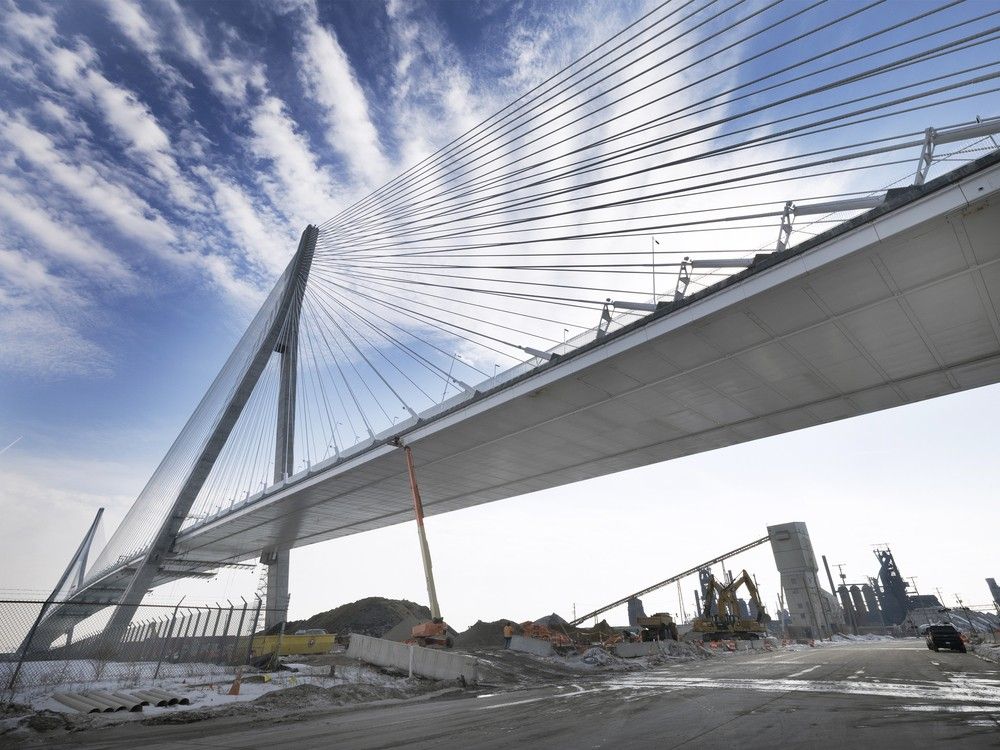
With the expected opening this year of the $6.4-billion Gordie Howe International Bridge — funded entirely by Canadian taxpayers — there’s a lot at stake.
A January report from the U.S. Department of Homeland Security (DHS) stated that nearly three million commercial vehicles crossed the Ambassador in 2025.
The bridge charges commercial trucks US$15 to $20 per axle to cross each way. A typical tractor-trailer can have five axles.
The DHS projects that when the Gordie opens, the Ambassador’s commercial traffic will drop to about 1.6 million vehicles.
It’s likely that the Morouns’ vast transport fleets under various companies will continue using the Ambassador Bridge, and the U.S. duty-free gas station they also own.
What’s the latest controversy?
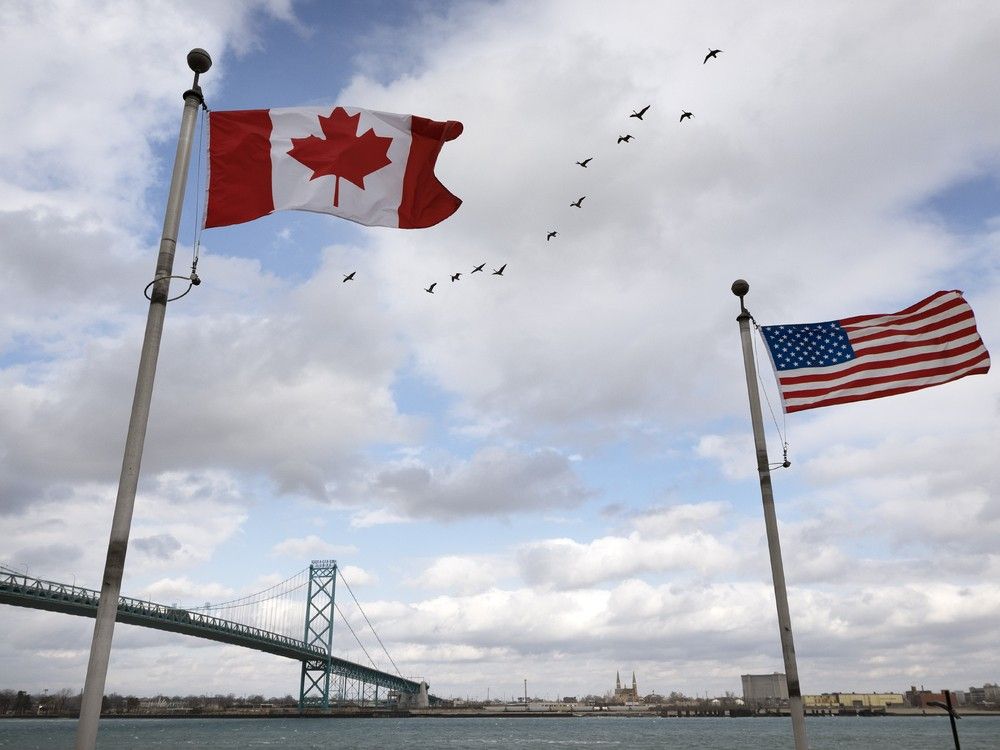
On Feb. 9, President Donald Trump fired off a social media post stating he will block the imminent opening of the Gordie Howe bridge.
The New York Times later reported that post followed a meeting in Washington between Matthew Moroun and Howard Lutnick, Trump’s secretary of commerce. The paper attributed the report to anonymous sources.
The paper has also reported that in January, Moroun donated $1 million to the Trump-supporting MAGA Inc. super PAC.
Who are the Morouns?
The family that owns the Ambassador Bridge also presides over a globe-spanning trucking and transportation empire with hundreds of different entities.
Matthew T. Moroun now runs things. But the empire building began with his father, Manuel (Matty) Moroun, who died in 2020 at age 93. At the time, Forbes estimated his personal fortune at US$1.7 billion.
Matty Moroun was born in Detroit in 1927, two years before the Ambassador Bridge opened.
His grandfather fled Lebanon before the First World War, landing in South America and then Windsor. Before Matty was born, they moved to the Motor City when the company building the Ambassador Bridge bought and demolished their home.
Matty Moroun went to the University of Detroit Jesuit High School before studying chemistry and biology at Notre Dame University.
“I wanted to be a doctor,” he told the Star in a rare 2006 media interview. “I studied physics, math, chemistry, biology.”
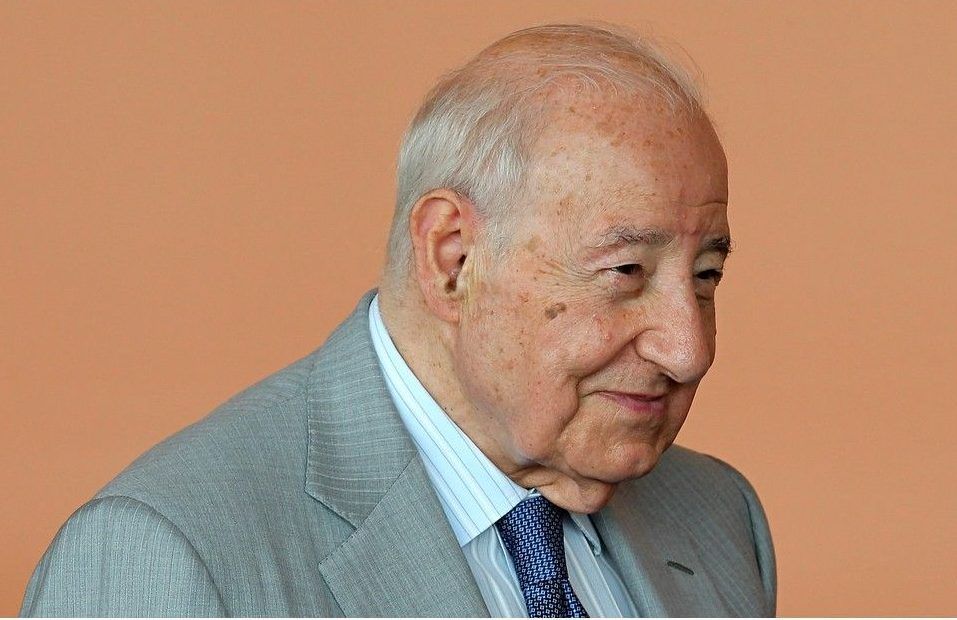
After he failed to get into medical school, Moroun went to work at the Detroit gas station run by his father, Tufick. He told the Star that his family was “almost penniless” during that period.
The rise from poverty began around 1950, when Tufick took over Central Cartage, a failing truck company that owed him money. The company later became known as CenTra Inc.
Tufick struck up a relationship with Teamsters union president Jimmy Hoffa, giving him an edge over other companies facing clashes for using non-union drivers.
By the time Matty Moroun took over Central Cartage in 1970, it had grown to 900 employees. His goal was expansion. That included a move into Canada under the name McKinlay Transport.
Central Cartage became the main transporter for General Motors, and a growing player in cross-border shipping.
The road to bridge titan also began in the 1970s. With fleets of his trucks crossing the border, Moroun started buying shares of the Ambassador Bridge to have a say in its operations. He eventually gained 25 per cent ownership.
That led to a showdown with Warren Buffett, who also owned 25 per cent. Moroun won control in July 1979 when he used his company’s credit line to buy out Buffett. Shortly after, Moroun secured full ownership from remaining shareholders.
He faced a far more personal showdown in the 1990s, when he almost lost control of the family business to his three younger sisters.
When Tufick Moroun was on his deathbed in October 1991, his daughters requested a secret meeting. Matty wasn’t invited.
In that meeting, and in his will, Tufick pledged his shares in the family company to the daughters. The ensuing legal battle between Matty Moroun and his sisters lasted eight years.
One of the settlements included Agness Anne Moroun agreeing to sell her shares to her nephew — Matty’s son, Matthew — for about $20 million. That gave father and son, in his early 20s at the time, 64 per cent of the company.
The plan was always for Matthew T. Moroun to go into the family business.
“I didn’t have any plans to be a doctor or lawyer,” Matthew Moroun, then listed as vice-chairman of family business CenTra Inc., told Crain’s Detroit in 2002.
Matthew T. Moroun, who seems to keep a low online profile these days, graduated from Dickson College in Pennsylvania with an economics degree in 1995.
Since 2004, he has been a director and chairman of the board of directors for Universal Logistics Holdings, another family-owned business, according to the company website.
The website states he also “controls other family-owned businesses engaged in transportation, insurance, business services, and real estate development and management.”
He has been a director of P.A.M. Transportation Services, Inc. since1992, when he was about 19 years old. He has been chairman of P.A.M. since 2007.
His son, Matthew J. Moroun, is also a Universal Logistics board of directors member, a director of P.A.M. Transportation since 2020, and is “employed in other Moroun family-owned businesses engaged in transportation and business services.”
Dilkens called the elder Matthew Moroun a “very cordial” and “very intelligent” person.
“It’s just that his interest is to protect his business operation, that being the Ambassador Bridge, and keeping the revenue stream going as high as possible as long as possible,” said Dilkens. “And my interest as mayor of the city is to protect my community and do what’s right for my community. And we don’t see the pathway for his business success and the protection of my community the same way.”
While they’re not as famous for it as their bridge battles, the family has used their fortune to help charitable causes.
The family financially supported charities including Forgotten Harvest, which provides food to people in need. Forgotten Harvest Farms also sits on about 95 acres of land that the Moroun family donated, according to its website.
Matty Moroun’s wife, Nora, was also a director of the board for the Forgotten Harvest Detroit chapter.
Art Windsor Essex lists Matty and Nora Moroun as donors on its website. They also started the non-profit Moroun Family Foundation in 2011.
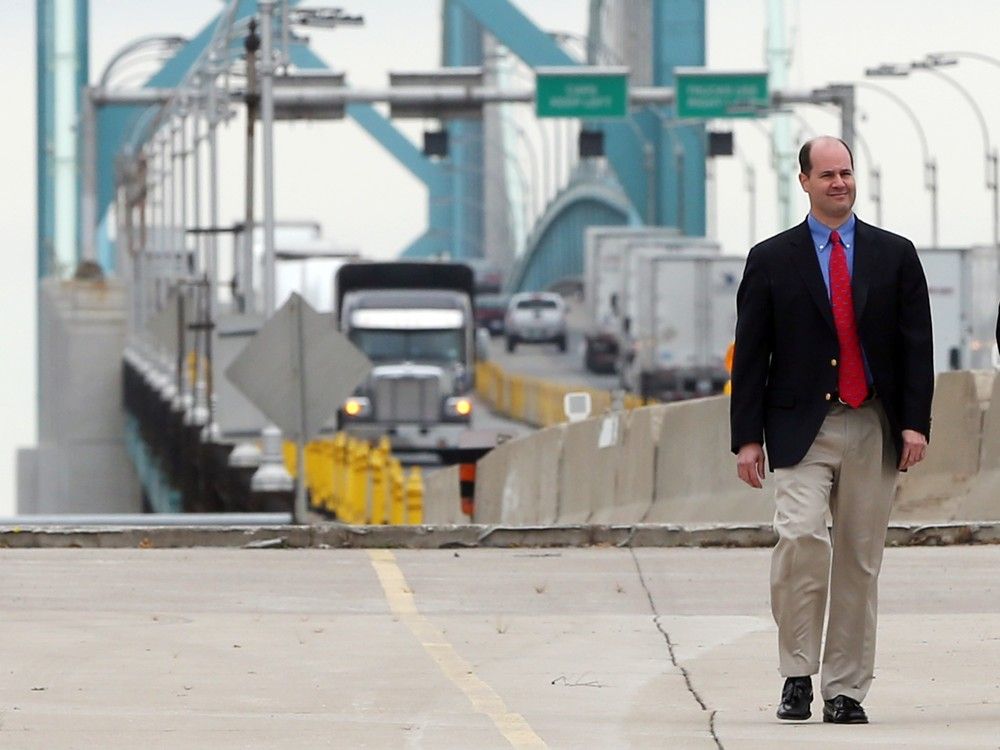
What tactics has the Ambassador Bridge used to block the competition?
In June 2018, five months before groundbreaking on the Gordie Howe bridge, the Ambassador Bridge company ran a TV ad aimed at Trump.
It contained inaccuracies that foreshadowed Trump’s Truth Social post eight years later, stating the public bridge would be only Canadian-owned and Canadian-made with Canadian labour and steel.
In 2012, the Morouns spent about US$30 million on a failed Michigan ballot proposal to block Gordie Howe bridge construction.
Also in 2012, an 84-year-old Matty Moroun spent a night in a Detroit jail after ignoring repeated court orders — related to the state’s Gateway project — to directly connect the Ambassador Bridge to I-75. The state project, meant to keep thousands of trucks off city streets, interfered with Moroun’s plans for a second bridge span.
“This entire legal process has clearly become a personal vendetta by the judge against these individuals,” Matthew T. Moroun said in a statement while his dad was behind bars.
As suggested by Matthew Moroun’s recent Washington controversy, political donations and lobbying have long been tools the bridge company uses.
Former Michigan Gov. Rick Snyder had to convince the Canadian government to pay for the Gordie Howe bridge entirely after his state legislature, under heavy lobbying from the Morouns, refused to approve the spending.
The Ambassador Bridge also spent money on the Canadian side, hiring former politicians.
“There was a time where they asked if they could support the party,” said Masse, who was the NDP’s prominent border critic. “Nothing illegal. But I just said ‘thanks, but no thanks.’ It was my policy not to take money from border proponents.”
The company also famously spent millions of dollars on lawsuits, many still outstanding, fighting Windsor, Detroit, federal governments, and whoever else stood in his way.
James Blanchard, a former U.S. ambassador and former Michigan governor, recently told the Windsor Star that the Morouns and their companies have been involved in several border-related lawsuits.
In one court case against the Canadian government, Matty Moroun argued he had the “exclusive right of franchise to build, operate, maintain, and collect tolls on a bridge across the Detroit River,” without competition.
A judge dismissed that claim in 2015.
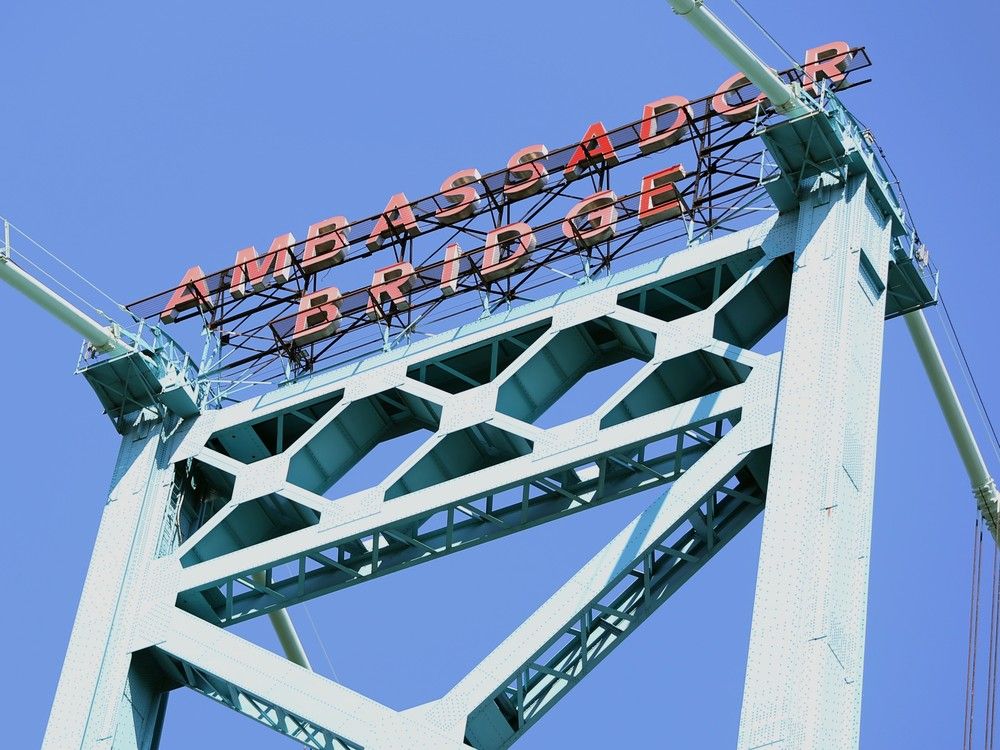
Could the Ambassador Bridge build its own second span?
As traffic volumes increased and their bridged aged, the Morouns naturally looked for ways to expand or build anew. They bought up properties in Windsor and Detroit to increase their bridge’s footprint — then largely left the properties to rot.
A Windsor Star investigation in 2013 found Matty Moroun had spent $52 million on 182 Windsor properties since 1996. But the Star also noted that since the bridge company often registers ownerships with lawyers or numbered corporations, it’s possible they owned even more.
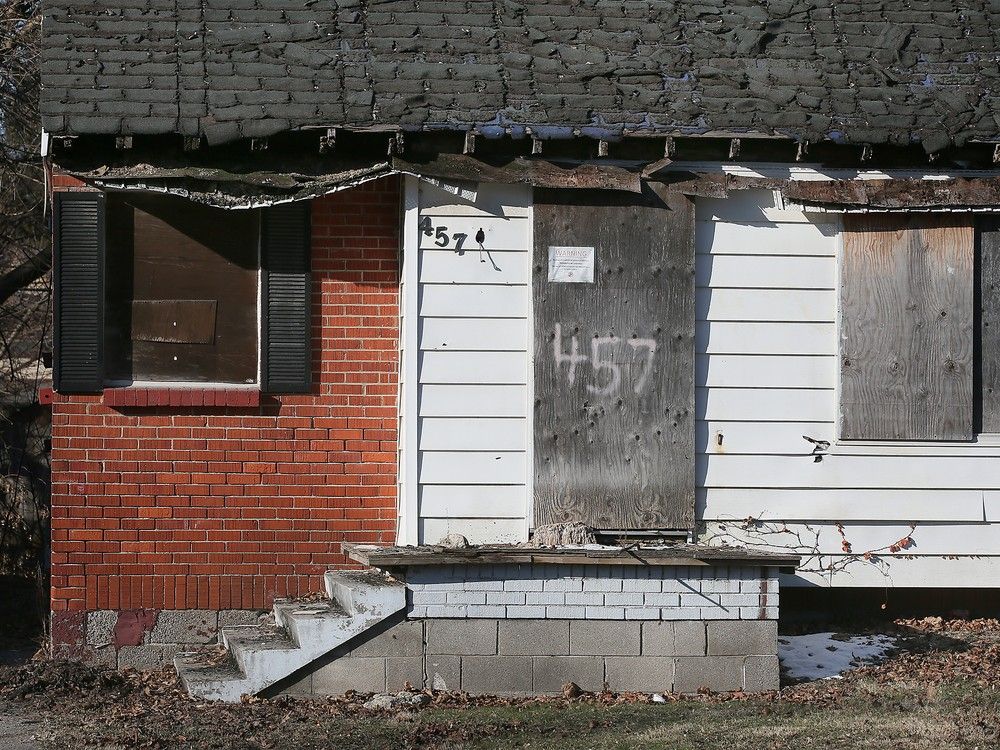
The company boarded up the homes and let them decay during a years-long legal fight with the City of Windsor. Moroun wanted to demolish the homes to make way for his expansion. The city refused to issue demolition permits out of fears the neighbourhood would be destroyed.
The fight over the fate of the homes in Windsor’s west end went all the way to the Supreme Court of Canada in 2016, but still remains unresolved. The Supreme Court sided with the city and pushed for a quick decision on the issue, saying the “side-show” needs to stop.
But the country’s highest court also said it did not have jurisdiction to rule on whether city bylaws applied to the bridge company’s Canadian arm, which owned the homes, and sent the case back to Ontario Superior Court. Dilkens said this week the case has remained there “in limbo.” He said neither side moved forward on that hurdle as they tried to work out a “comprehensive agreement” to deal with a host of issues, including that one, which has so far stalled.
And the Windsor west-end neighbourhood remains marred by crumbling buildings.
The company also focused on property on the other side of the bridge.
Soon after his 1979 takeover of the bridge, Matty Moroun began an aggressive campaign to buy property and expand his bridge plaza in Detroit. The company gobbled up at least 150 homes and parts of several streets.
In 2006, the Windsor Star reported that he was then the second largest property owner in Michigan, behind only the state itself.
Related
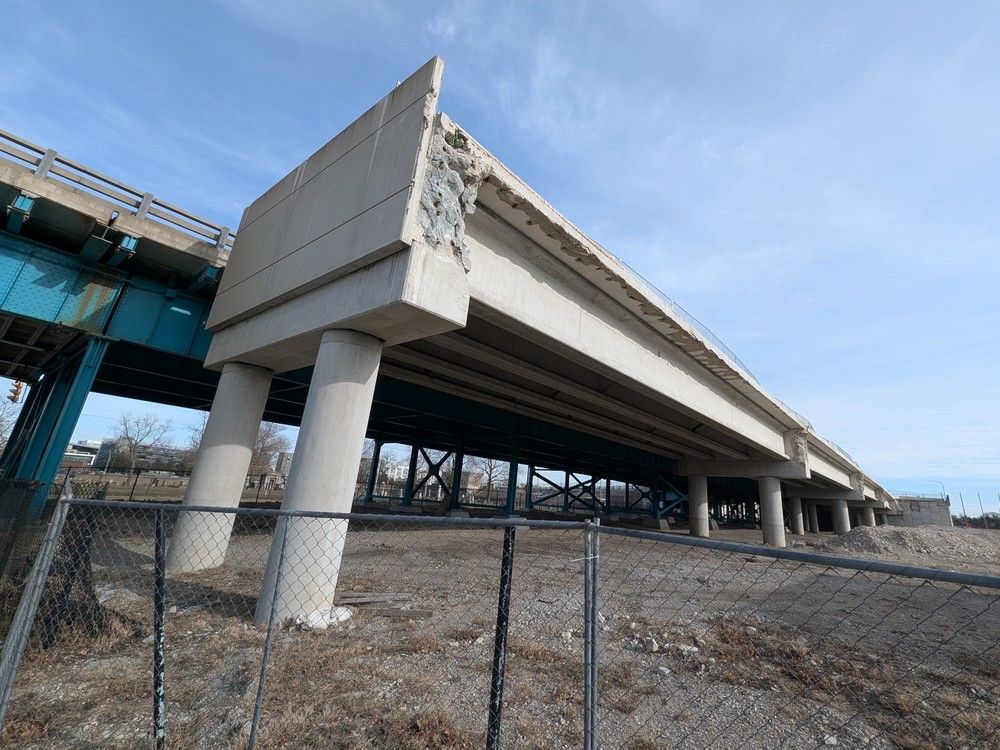
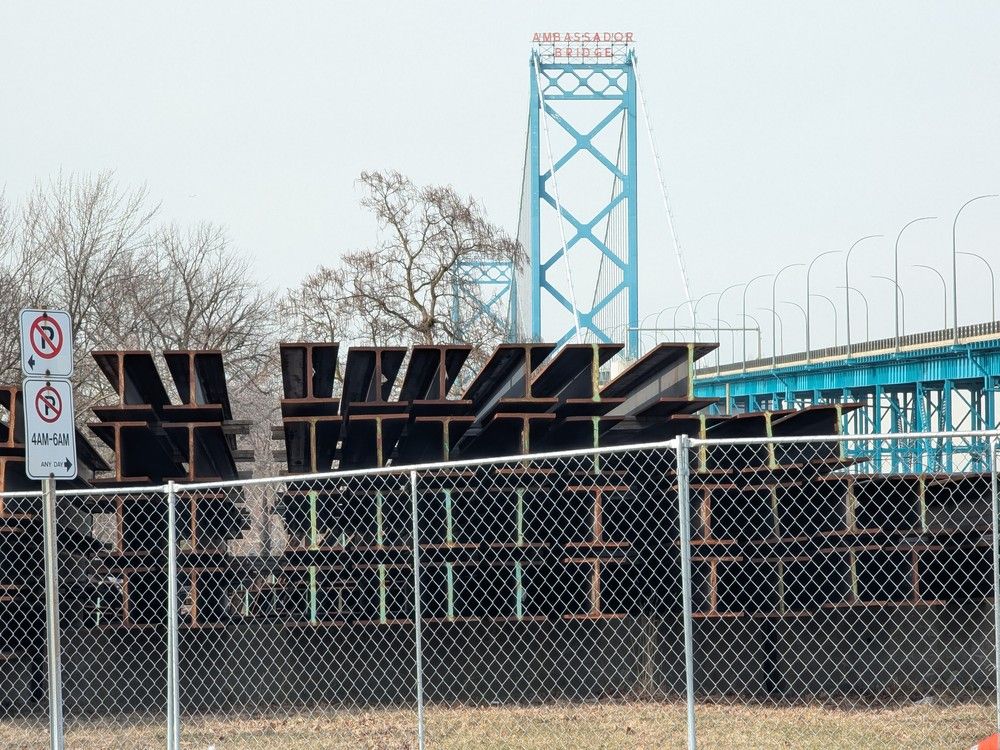
The company built the start of an on-ramp in Windsor to a potential new bridge in 2007. The Canadian government did give the company a conditional permit to build a new crossing, immediately west of the Ambassador Bridge, in 2017. But The permit expired in 2022 when the government said the company failed to meet multiple conditions. The company partially tore down the ramp to nowhere in 2025. Dozens of steel beams still sit neatly stacked on bridge property in Windsor.
Dilkens said he understands a company’s urge to protect its business interests. What’s unusual, he argues, is how the Morouns have gone about it.
“Most companies care about the money they spend and/or their reputation,” said Dilkens. “The Ambassador Bridge, they are willing to spend unlimited loads of money on issues and they don’t really care how the public perceives them.”