 BURST
BURST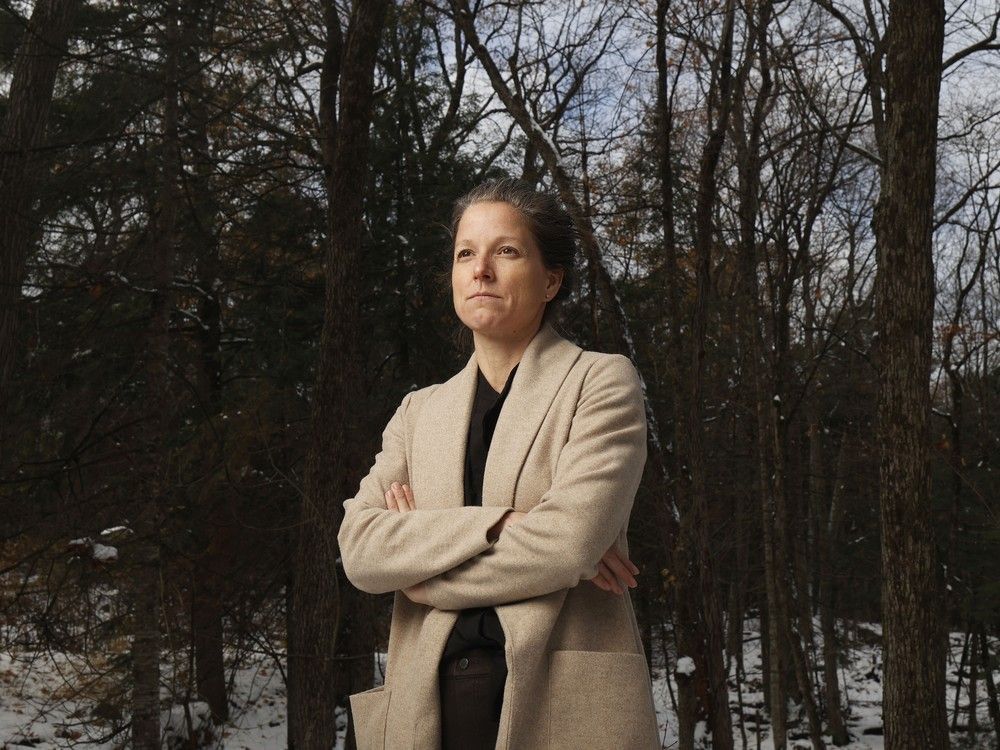
After stints working in Ottawa and Toronto, Dr. Emmanuelle Britton returned to her home province of Quebec in 2017 to join a family medicine practice in Wakefield.
Britton, who grew up in Wakefield, was drawn to work in Quebec, in part, because of the intense need for doctors in the area.
“I felt compelled to take care of my community on this side of the border,” she said.
In addition to treating patients, Britton became a physician consultant to the provincial government, playing a pivotal role in helping to plan for a new model of family medicine.
That model was ready to launch when everything changed .
Earlier this year, Britton said, she was abruptly dismissed from her consulting role with the Quebec government after raising concerns about new legislation changing the way physicians were paid and worked in the province. She was told her questions were making people uncomfortable. Government officials have said her firing was for budgetary reasons.
Today, she is on sick leave from her medical practice and is considering her future as a doctor in Quebec.
Britton is one of the faces of a growing furor in Quebec over new provincial legislation overhauling the way doctors are compensated, connecting their pay to performance targets, imposing fines for collective action against government policy and setting up a system of surveillance.
She notes that she speaks as an individual, not as part of any “concerted action” — something the bill says could bring hefty fines. Britton says introduction of the legislation has been corrosive and confrontational.
Quebec, like many provinces, has a physician shortage, but the controversy is already sparking an exodus of doctors from the province, many of them making plans to go to Ontario.
“Quebec physicians are fleeing,” Britton said.
The College of Physicians and Surgeons of Ontario has received more than 270 applications for licences from Quebec physicians since Oct. 23, two days before Bill 2 was passed.
In Ottawa, Montfort Hospital has received more than 55 applications from Quebec physicians since Oct. 1, spokesperson Martin Sauvé said. “This represents a notable increase compared to the usual few applications per month,” he said.
The Eastern Ontario Physician Recruitment Alliance (EOPRA) is working with some Quebec doctors interested in moving to Ontario. Ottawa is part of the alliance.
Meanwhile, an initiative co-sponsored by Quebec and the federation representing family doctors in the province aimed at attracting more doctors to family medicine has been put on hold.
Quebec government officials have made efforts to turn down the heat around the bill in recent days, appealing to doctors’ organizations to return to the negotiating table and offering to suspend some controversial parts of the legislation.
But demonstrations against the legislation have continued. Last weekend, there were demonstrations at children’s hospitals in Montreal. On Saturday, a public rally in support of doctors is planned for noon in Wakefield.
Meanwhile, two national pediatric organizations are warning Bill 2 will “weaken the already fragile health services available to children” not just in Quebec but, potentially, across the country. They are not the only national medical organizations raising concerns about the broad impact of the legislation.
The bill imposes a new contract on Quebec doctors, who have been without one since 2023. Under the bill, which becomes law on Jan. 1, 10 per cent of doctors’ salaries are tied to performance standards with clawbacks if they are not met. The government says its aim is to improve access to health care.
Critics say the legislation undermines physicians and prioritizes quantity over quality of care, which could compromise patient care. It also imposes fines of up to $20,000 a day on doctors who take “concerted action” to challenge the government’s policies.
The Royal College of Physicians and Surgeons says it supports initiatives to improve access, quality, safety and delivery of compassionate care; “however, policy changes must be implemented in ways that are sustainable and with the support of those providing patient care.” Doctors, it said, should not be made solely responsible for meeting health-care performance targets that require “system-wide attention.”
Britton was optimistic about the future of primary health care in the province with the collaborative development of a new model for family medicine that she says was similar to what Dr. Jane Philpott is working on in Ontario. That model was never launched.
Today, she is watching a wave of her colleagues make plans to leave the province, especially those from the Outaouais. Some will set up practice in Ottawa or elsewhere, while others might look for non-clinical roles within the federal government, and some will take early retirement.
“The departures are real.”
Britton says she has not decided yet what she will do, but she has requested that her licence to practice medicine in Ontario be renewed.
“My concern really is for the people of Quebec. It is real and profound. As a physician, we are trained to help all people,” Britton said. “The question for me and many of us is whether we will have the strength to rebuild what is being fractured.”
Related
Our website is your destination for up-to-the-minute news, so make sure to bookmark our homepage and sign up for our newsletters so we can keep you informed.