 BURST
BURST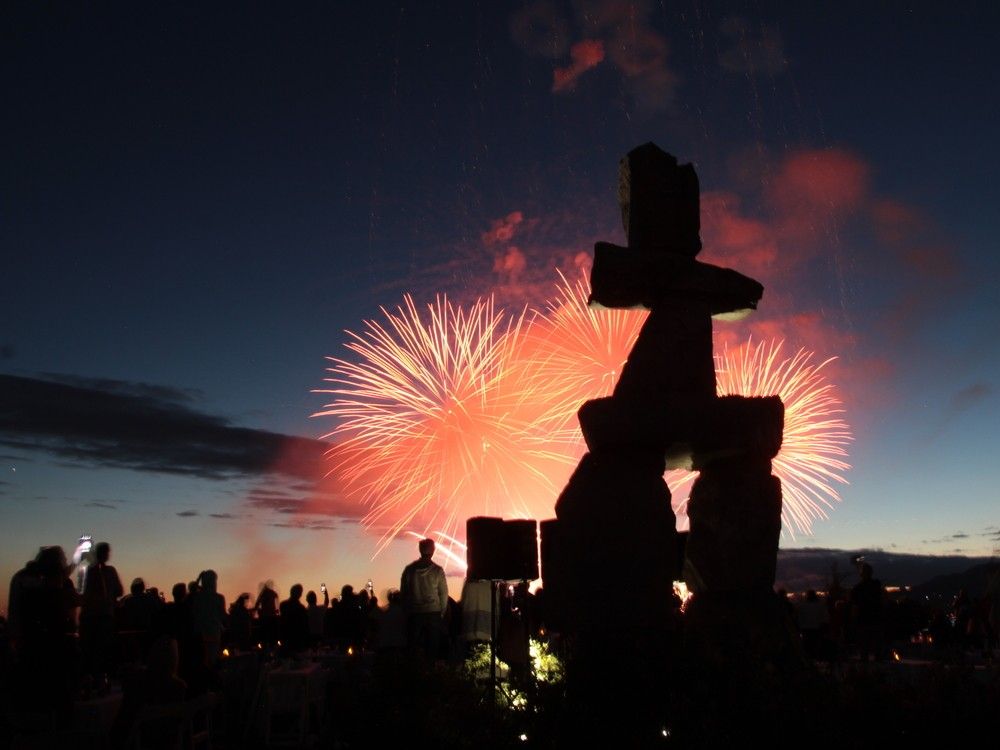
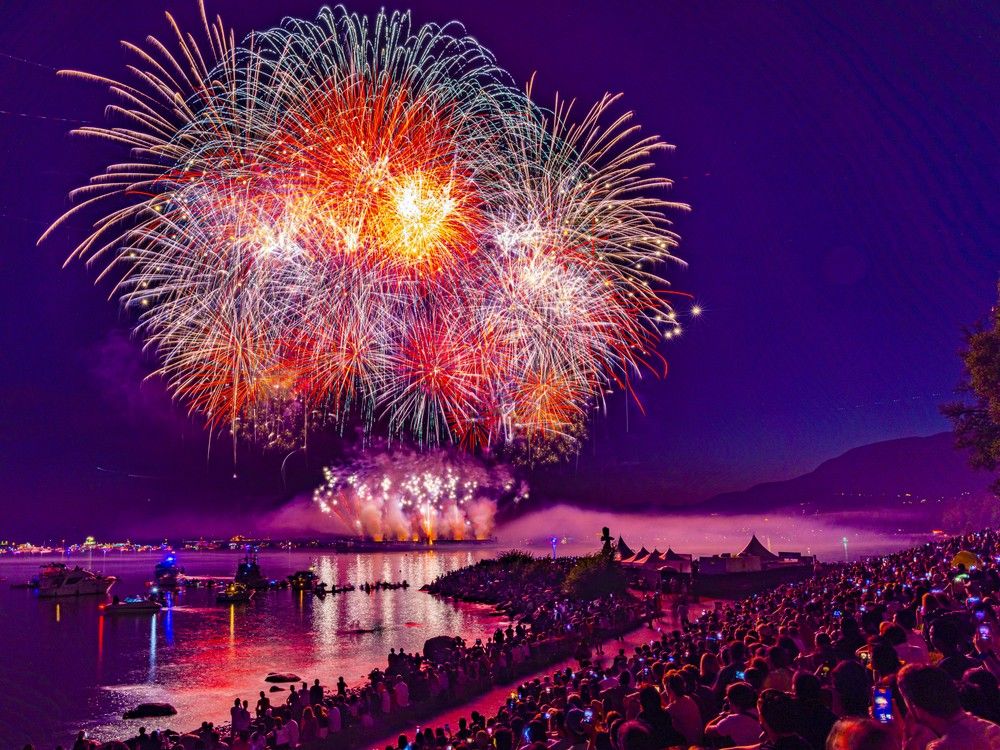
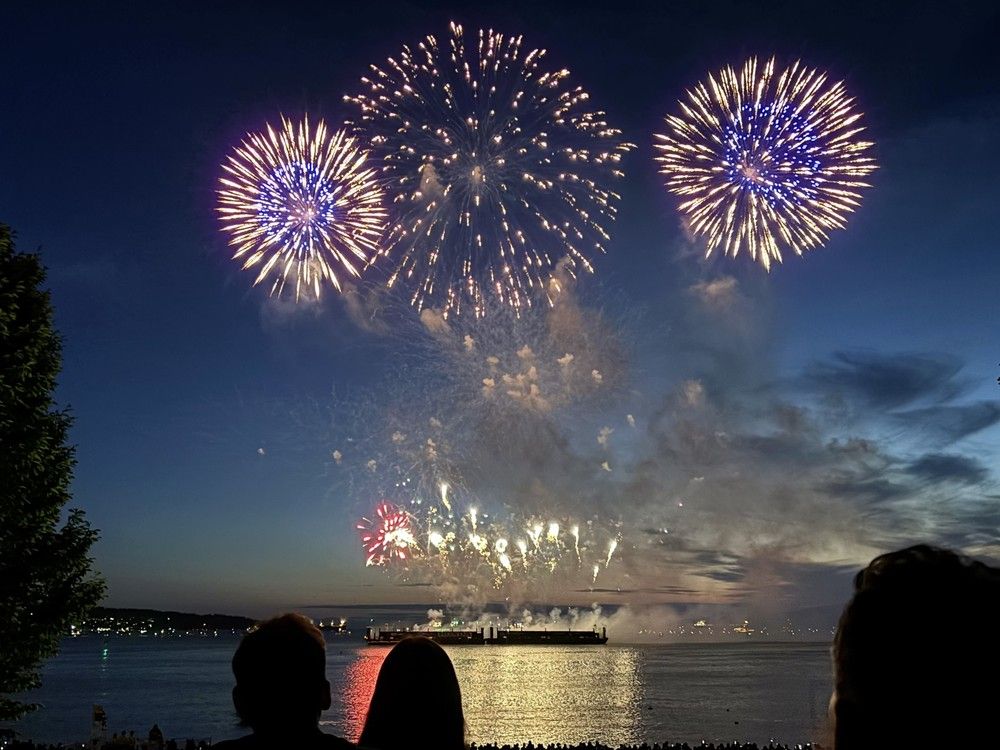
After more than three decades, Vancouver’s Celebration of Light fireworks, one of the city’s highest-profile and most popular public events, has fizzled out due to escalating costs and dwindling government and private funding.
The fireworks show, which attracts enormous crowds to the shores of English Bay each summer, has been cancelled for good, said organizers.
“The numbers don’t add up anymore,” said executive producer Paul Runnals. “We’ve literally exhausted every means that we can. We’ve been talking to everybody we can the last few months — the last few years, quite frankly — and at a certain point you have to make the hard decision.
“It’s really unfortunate and very disappointing.”
Organizers sounded the alarm last summer, warning the long-running event, which started in 1992 as the Symphony of Fire, could be in jeopardy without stable funding.
Runnals said it has been a “perfect storm” of factors that has made the $3 million event financially unfeasible.
Costs have soared while federal and provincial governments pulled back on arts and culture funding.
Federal funding has dropped from $450,000 in 2023 to $250,000 in 2024, and was cut entirely this year and in 2026. Provincial funding has stayed steady at $250,000 for the last 15 years — unchanged in absolute dollars, but eroded by inflation. That budget was to be slashed to $100,000 next year.
At the same time, every line item in the event’s budget has gone up, including labour, supplies, materials, and insurance costs, said Runnals. The event’s annual budget has jumped by about $700,000 in the last four years, a 35-per-cent increase from before the pandemic.
Economic uncertainty, inflation, higher borrowing costs, and tariffs also mean companies are hesitant to spend money on sponsorship, he said.
Last year, the festival lost sponsors Scotiabank and Seaspan. Organizers managed to cobble together enough funding to put on a show, but with a shortfall.
“We’ve always operated at a pretty thin margin. We were able to go forward, but at the end of the day, we lost money,” said Runnals, whose company BrandLive produces the event for the non-profit Vancouver Fireworks Festival Society. “We can take a little hit here and there, but we can’t do that repeatedly.”
Michael McKnight, co-chair of the festival society, said the society can’t keep on scrambling each year to keep the event afloat.
“For 33 years, this event has been a cornerstone of Vancouver’s summer — a shared experience that brought families, friends, and visitors together from across the province and around the world,” he said in a statement. “Ending that tradition is incredibly painful, but we simply can’t continue.”
The announcement would likely come as a blow for Vancouver, which has been fighting to shed its reputation as No Fun City.
The demise of the fireworks, which draws an estimated 1.3 million people, including 200,000 out-of-town visitors, to the city will also have a significant impact on the provincial economy.
The festival generated an average $214 million in economic activity per year over the last five years, organizers say. A key driver for tourism, it raised about $6 million in annual tax revenues from hotel stays.
“Taking us out is going to have a bigger hit to the provincial government’s tax base than them continuing to fund us,” said Runnals.
Free events are difficult to monetize, he noted. In recent years, BrandLive had introduced several revenue-generating initiatives, including ticketed seating, viewing lounges, and VIP hosting areas. In 2011, it cut the festival’s four-night run to three, partially as a cost-cutting measure.
But the measures have proved insufficient, even with the City of Vancouver’s “tremendous” support in shouldering costs for policing, sanitation, engineering and street cleaning.
“The economics don’t work without (federal and provincial) government support. That’s the bottom line,” Runnals said.
This isn’t the first time the festival has been in danger of being extinguished.
In 2000, the festival faced an uncertain future after sole sponsor Benson & Hedges pulled out because of federal restrictions on tobacco industry advertising.
After much scrambling, organizers landed major sponsors HSBC Bank and B.C. Hydro to help bankroll the then-$2 million event for the next year. Vancouver city council also stepped in to pick up costs for police and clean-up, which was previously covered by the tobacco company.
In 2012, Honda became the main sponsor for the festival.
Asked if he holds out hope the festival could be revived, Runnals was realistic, adding the event needs a long-term funding solution in order to be sustainable.
“We’re event people, we’re eternal optimists, but the likelihood is extremely low,” he said.