 BURST
BURST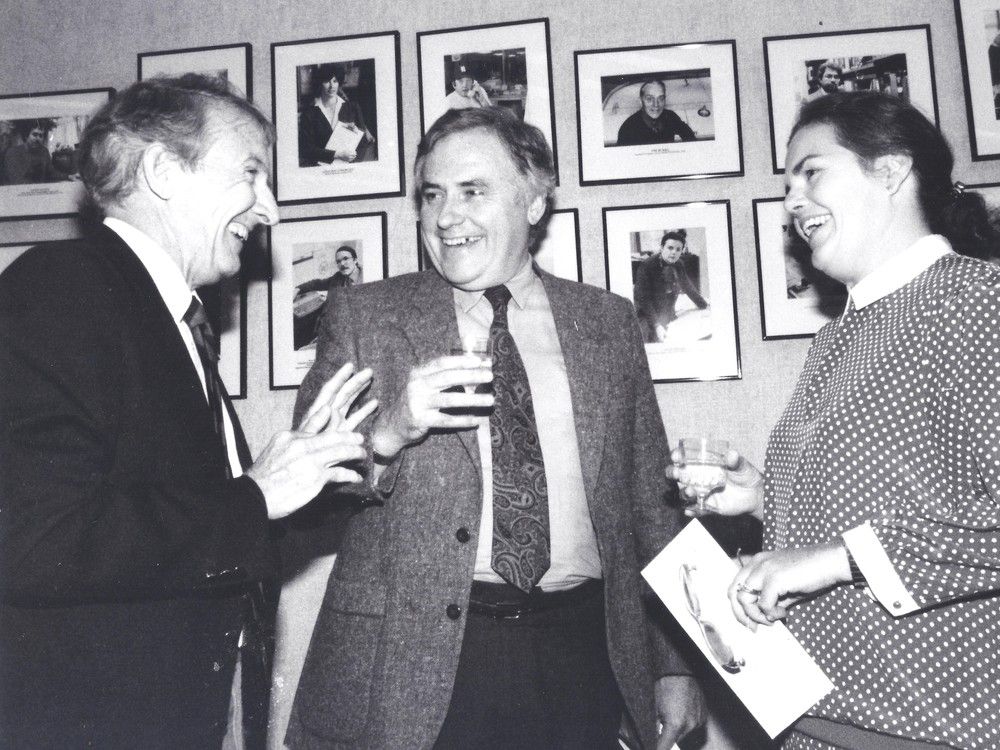
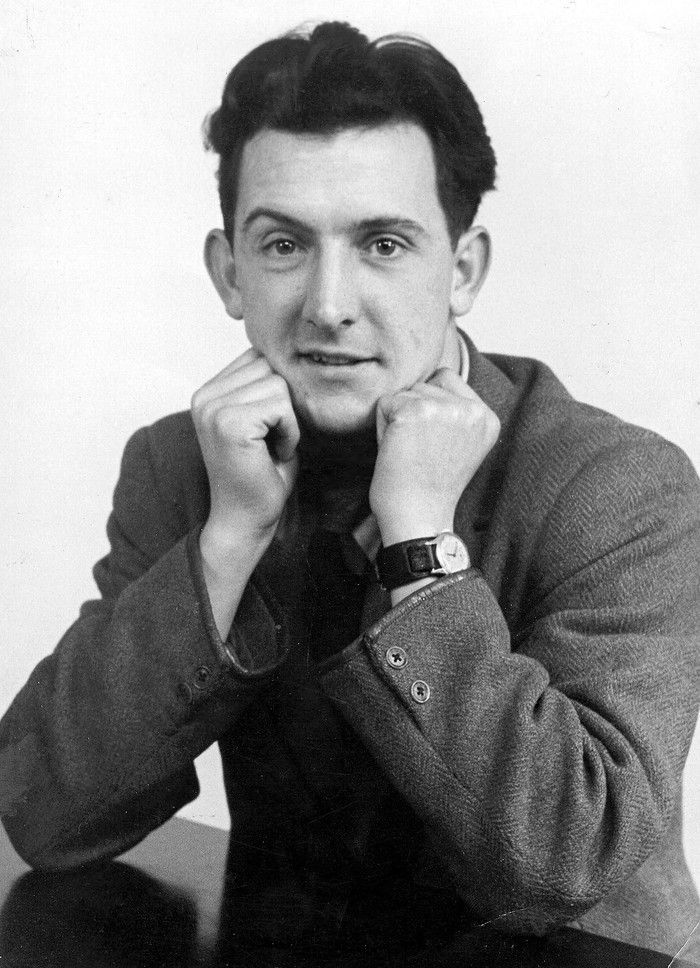
Paddy Sherman was an avid mountain climber. But his biggest success was climbing the ranks in Canadian newspapers.
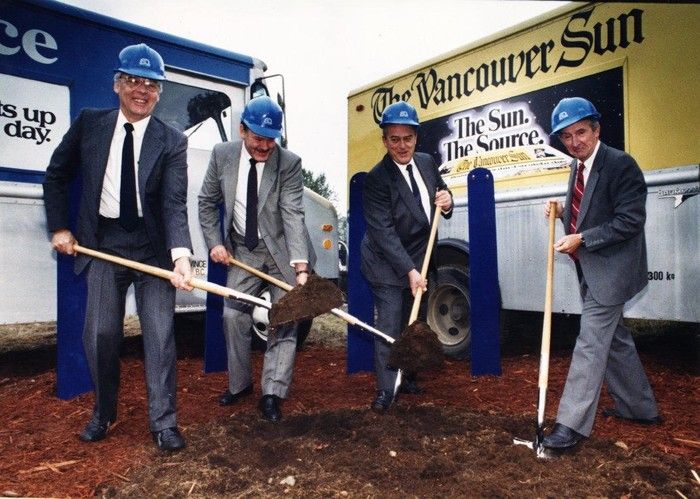
He started out as a reporter at The Province in 1952, and over time became the newspaper’s legislative columnist (1960-65), editor (1965-72) and publisher (1972-82).
In 1982 he went east to become publisher of the Ottawa Citizen, then capped his career in 1985 when he was named president of the Southam Newspaper Group — the first person outside the Southam family to hold the job.
Sherman died Jan. 20 at Lions Gate Hospital in North Vancouver after falling at his home in West Vancouver. He was 97 years old.
Patrick Sherman was born March 16, 1928, in Newport, Monmouthshire, Wales. His father was a longshoreman, but Sherman wanted to become a journalist.
“His dad said he was crazy getting this sort of unpaid job articling at the local newspaper (in Newport),” said Sherman’s son Michael.
Sherman proved to be a natural journalist, moving on to Leeds, England, to work for the Yorkshire Post.
At some point someone told him Canada had great mountains. So in August 1952 Sherman and his wife Maureen moved to Vancouver, where he had a brief stint at The Vancouver Sun before moving to the rival Province.
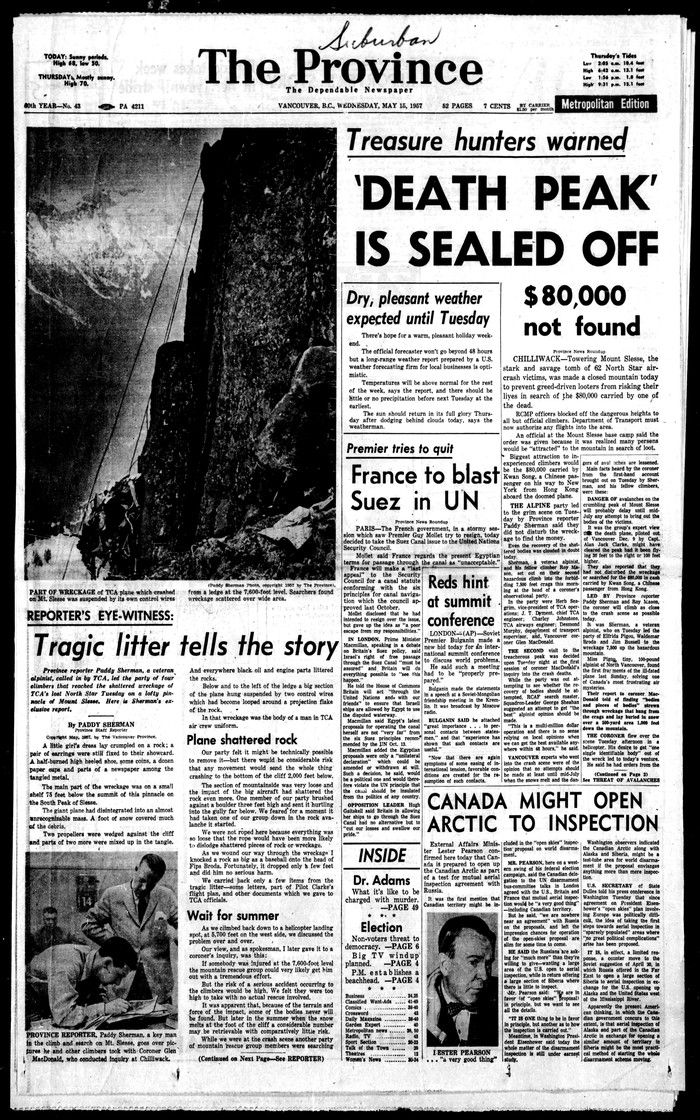
His mountain-climbing skills proved handy on May 14, 1957. A Trans-Canada Airlines North Star had crashed on Mount Slesse near Chilliwack on Dec. 9, 1956, killing all 62 people on board, including five CFL football all-stars. But winter conditions and the difficult terrain meant the wreckage wasn’t found until five months later.
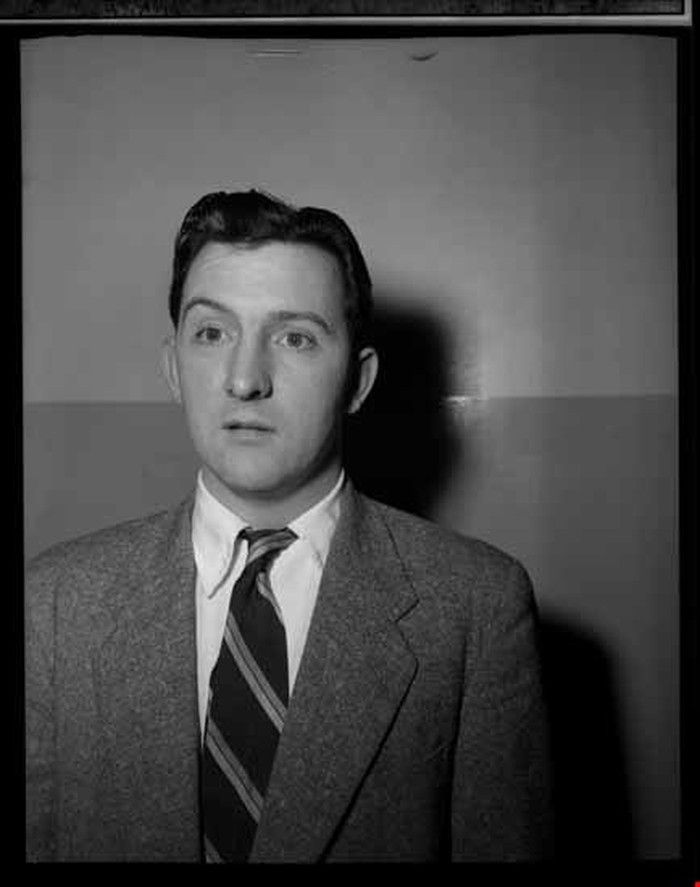
Sherman had helped start the first mountain rescue group and was called in by the airline to search for the wreckage. He led a group of four climbers that found the plane, and wrote an exclusive story and took photographs of the wreckage for The Province.
He was proud of his alpine skills. He wrote his own obituary a few years before he died, and noted that “(in 1958) he organized and led the B.C. Centennial Expedition that made the first Canadian ascent of B.C.’s highest point, Mount Fairweather, 15,300 feet.”
Sherman was only 5-foot-7 and slight, but stayed in tip-top shape.
“He used to climb up Grouse Mountain under the old chairlift (before the Grouse Grind was built) with a packsack full of rocks, and he got up and down twice with the packsack full of rocks to get in shape,” said Michael Sherman.
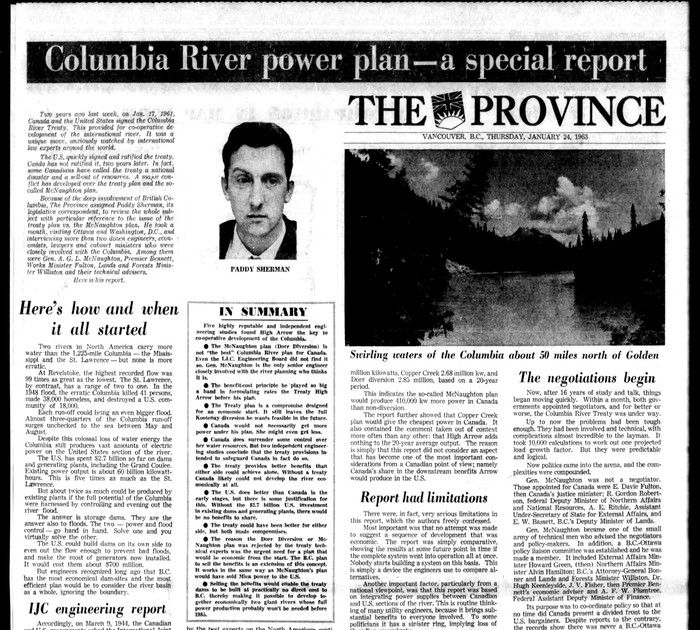
His biggest story was a four-page special on the “Columbia River power plan” and the international treaty to build it on Jan 24, 1963, which explained the complex dam so readers could understand it.
Sherman didn’t always see eye-to-eye with Socred Premier W.A.C. Bennett and his cabinet, but he received positive feedback for the Columbia River stories, and it kick-started his career into management.
But Sun columnist Vaughn Palmer said Sherman still retained his reporter’s instinct as editor and publisher.
“He had all those business jobs and publishing jobs and all that, but his focus was he’d been a working reporter,” said Palmer, noting that Sherman’s photo is still on the walls of the B.C. legislature press gallery.
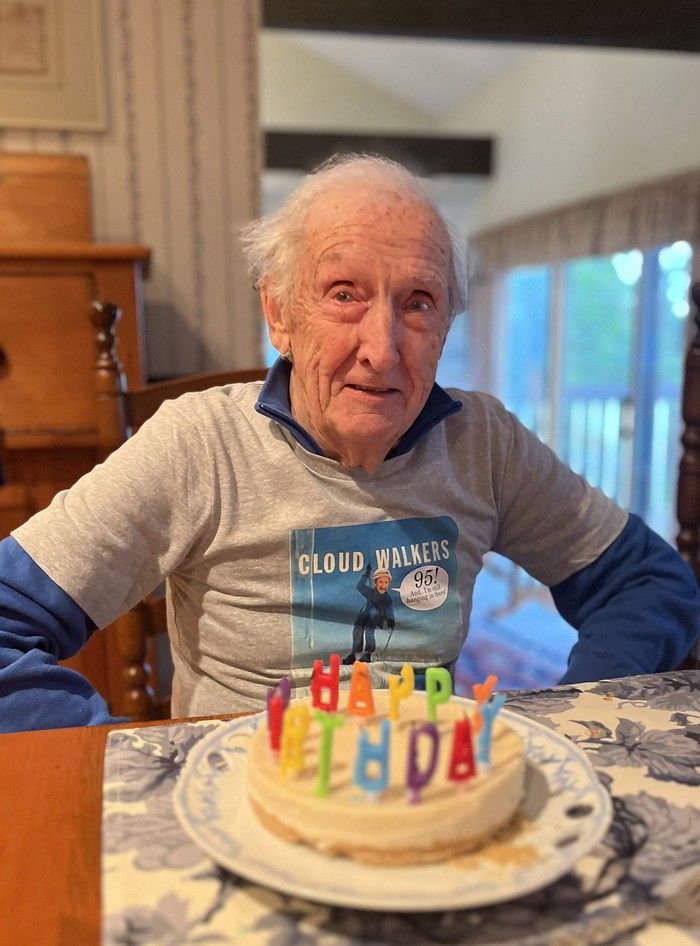
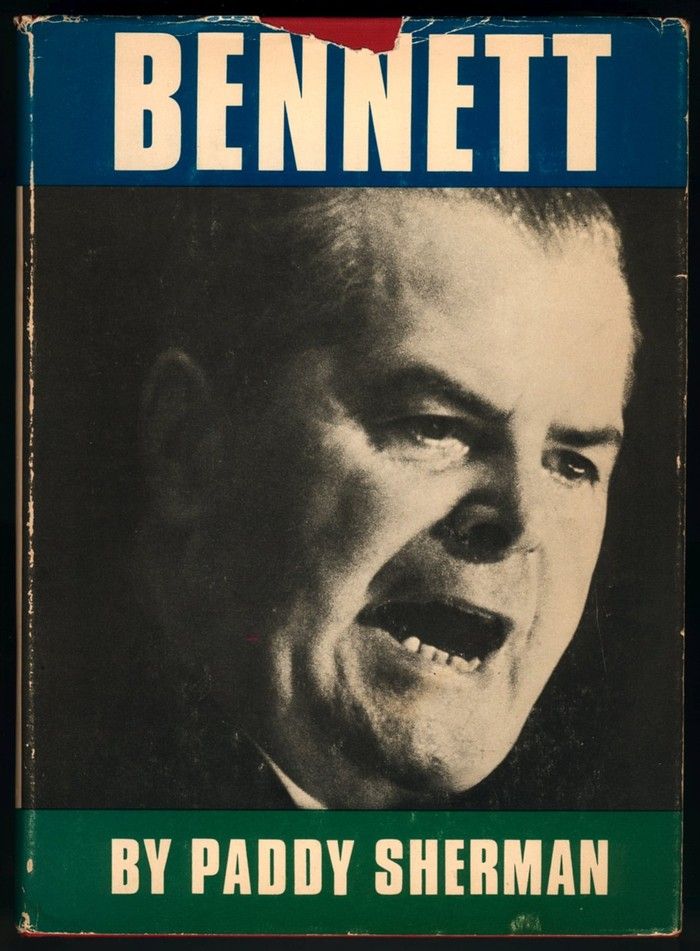
He wrote a book on W.A.C. Bennett in 1966 and two books on mountaineering, Cloudwalkers: Six Climbs on Major Canadian Peaks (1965), and Expeditions to Nowhere (1981).
Sherman was also a big scuba diver and skier, but mountaineering was his passion. In a 1982 Province story, his friend and fellow mountaineer Skip Merler said Sherman’s character was summed up when he was on an expedition in Peru on a 22,205-foot mountain called Huascaran.
“On that climb, Paddy had to take care of a sick person,” Merler recalled. “As leader he could have delegated that job and gone on to try for the top, but he didn’t. He considered it more important to get that man off the mountain.”
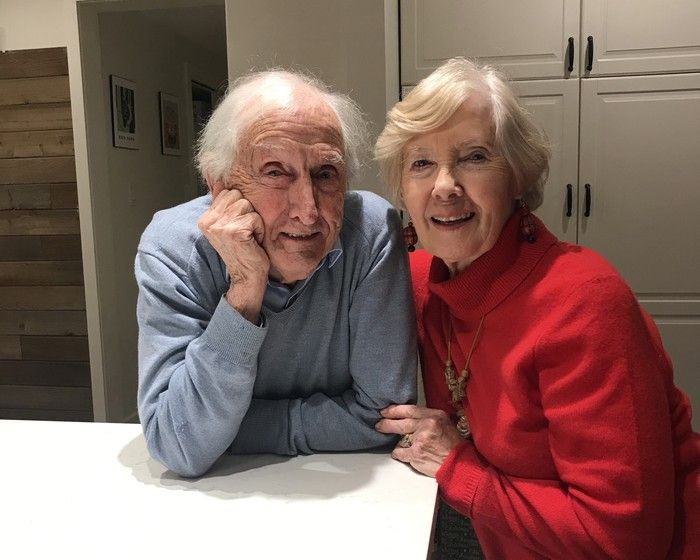
Sherman leaves behind his wife Maureen, four children, Michael, Susan, Janet and Wendy, two grandchildren, Brenden and Heather Duey, and three great-grandchildren, Taylor, Emma and Kai. At his request, there will be no service, just a private reception for family and friends.
Related