 BURST
BURST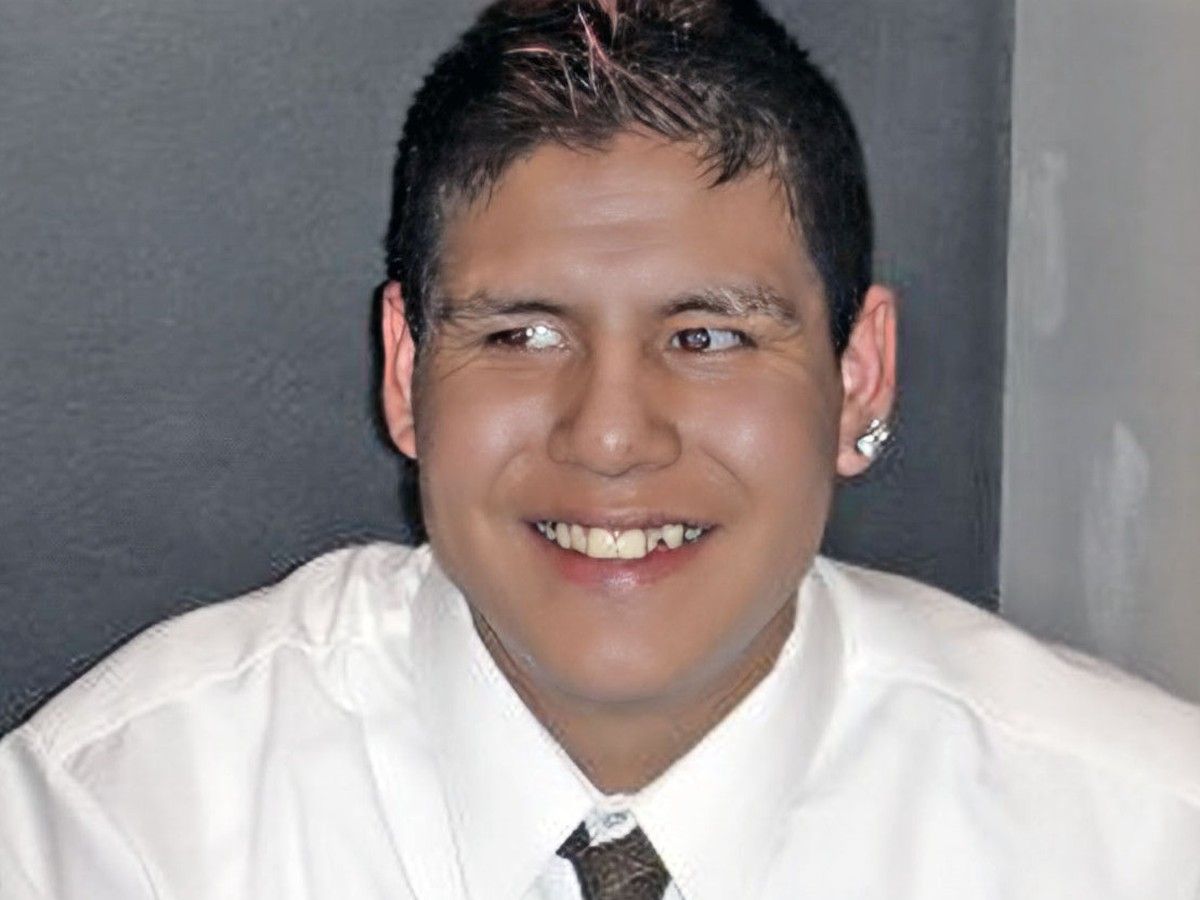
A jury at a coroner’s inquest into the death of a 28-year-old Indigenous man has recommended all RCMP officers wear body cameras and all be trained in and carry Tasers.
The jury ruled Julian Jones’ death a homicide from a gunshot wound to the chest, from a handgun fired by an RCMP officer in a house in the tiny community of Opitsaht off of Vancouver Island.
The jury also recommended the RCMP consider having Indigenous liaison workers with the RCMP in Tofino, which is where local Mounties are based, across the water from Opitsaht.
“The jury heard evidence that the RCMP could do more to learn about and incorporate cultural aspects in their policing of Indigenous people,” a jury member said in reading out the recommendations.
The jury also recommended the B.C. Emergency Health Services consider contracts with water taxi services to be available 24 hours a day for the exclusive use of paramedics in Tofino.
RCMP Staff Sgt. Kris Clark, a senior media relations officer, said Thursday that when coroner recommendations are made, the RCMP determines appropriate implementation where necessary.
Clark said 1,650 body cameras were being used this spring by officers or just under half of the province’s Mounties. The plan is to have 3,600 body cameras in place by the fall of 2027.
Previous coroner’s inquests have also recommended body cameras for police.
A coroner’s inquest is not designed to find fault, but instead determines facts and makes recommendations to prevent future deaths under similar circumstances.
Jones, a member of the Tla-o-qui-aht First Nation, was killed after police responded to a 911 call at about 9 p.m. on Feb. 27, 2021, from a woman who said she had been sexually assaulted and was being held against her will.
Two RCMP officers travelled from Tofino by boat to Opitsaht on Meares Island, about a two kilometre distance.
The jury heard from the RCMP Cpl. Daniel Macintosh, who was at constable at the time, that Jones had brandished what he believed to be knives and threatened to kill him and his partner, and advanced on them. It was his partner, Const. David Robichaud, who shot Jones.
Macintosh testified that Jones had clashed two long objects together and the entire room lit up with sparks.
They later turned out to be long metal files, of the type used to sharpen tools, the jury was told.
Macintosh had testified that when Jones was told to drop the objects, he did not.
Robichaud, who has retired from the RCMP and no longer lives in B.C., chose not to testify at the inquest and could not be compelled to do so because coroners can only compel testimony from people in B.C.
The jury heard that Robichaud used his Taser to try to stop Jones’s advance, but Jones got back up. Macintosh did not have a Taser because he was not trained in their use.
While it was Robichaud who shot Jones, the jury heard that Macintosh believed he had also fired a shot and was prepared to shoot Jones as well.
Jones’ brother, John Lucas Jr., told the jury his brother was not being aggressive, they had not sexually assaulted the woman, and were trying to get her to leave the house.
Patrick Dudding, the lawyer for the family of Jones, had asked MacIntosh whether there wasn’t an opportunity to get the woman out of the house immediately.
Macintosh said he did not believe there was because when they started handcuffing Lucas, Jones immediately appeared with what they believed were the knives.
He also noted that because Lucas only partly opened the door and he believed he had moved a sofa that had been blocking the door, it lent credibility to the woman’s 911 call.
The jury also heard that Jones had a complex medical history that included fetal alcohol syndrome, attention deficit disorder, disruptive behaviour, sexually intrusive behaviour, alcohol and drug misuse, auditory hallucinations and suicidal thoughts, and that he had demonstrated self injury and had an intentional drug overdose in 2019.
The jury was told Jones had a criminal record that included assault, including of police officers, uttering threats and an incident where he had set up a camera at a Tofino hotel to secretly record nudity.
The jury heard that blood and other samples from Jones were tested at a lab in the U.S. and showed he had a moderate level of alcohol in his blood and THC, the main chemical compound in cannabis.
The jury was told by David Paruk, a probation officer who works in Port Alberni, that Jones’s cognitive deficits were profound, including fetal alcohol spectrum disorder and having a very low IQ of 50.
That made it hard to discern whether Jones understood what was he being told or directed to do, such as to check in with his parole officer, said Paruk.
ghoekstra@postmedia.com
x.com/gordon_hoekstra