 BURST
BURST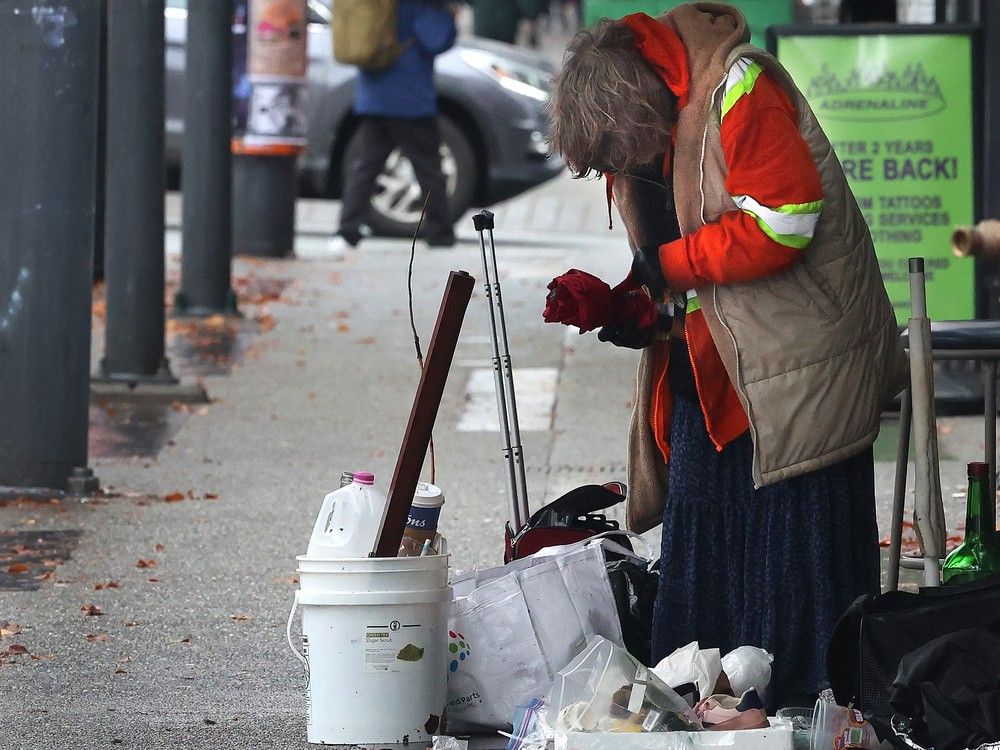
Opening nightly at Cabana Lounge in Vancouver now comes with rubber gloves and a front-row view of the chaos on the downtown Granville Street strip.
Before the lights flip, staff clear human feces from the club’s entrance and ask groups of people smoking drugs to move so patrons can line up down the block. Owner Dave Kershaw says it has become routine since 2020, when B.C. bought and converted three single-room occupancy hotels, including one above his nightclub, into social housing for nearly 300 people.
“What is happening is continual public disorder, open drug use, and mental health episodes that are frankly scary,” Kershaw said from inside the Roxy Cabaret.
Earlier this month, B.C. Housing began to close the single-room occupancy building, The Luugat above Aura Nightclub near Davie Street, with a timeline set ahead of the 2026 FIFA World Cup.
At a news conference Thursday, the Hospitality Vancouver Association demanded the province set firm closure dates for the two remaining SROs — St. Helen’s Hotel and Granville Villa, both within a block of The Luugat — as part of urgent action to restore public safety in the Granville Street Entertainment District. Vancouver Mayor Ken Sim also called on the province to create new involuntary mental-health care beds in the city.
The news conference, held four months after a similar media briefing at the nearby Good Co. pub, reinforced earlier calls for action, with business owners saying rising crime and disorder are making Granville’s nightlife and tourism district untenable.
Kershaw said nearly 31 fires and the water flowing down from units at St. Helen’s Hotel, the SRO above his club, have caused more than 100 floods in his business, while repeated false fire alarms have driven away customers
“The loss of sales due to this disruption, for me personally, is now in the six figures.”
“We’re asking the NDP government to move quickly to relocate these residents to supportive housing that properly serves their needs, and allow business owners to restore the entertainment district Vancouver deserves,” Kershaw said.
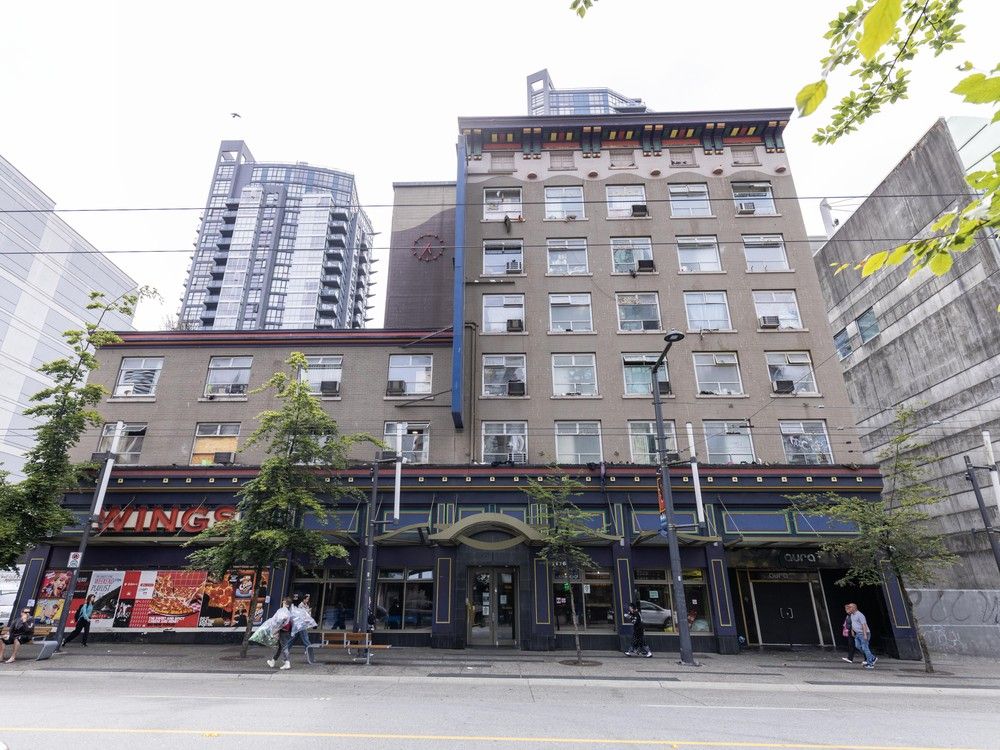
Crime and emergency calls have surged in the area since the SRO conversions, according to Vancouver Police Department data collected by the Hospitality Vancouver Association. Police and fire services responded to roughly 6,641 calls at the three SROs between 2020 and 2025, an increase of more than 800 per cent compared with the year before the conversions, spokesperson Laura Ballance said.
“We give you a snapshot of the past 10 days on this street: a daytime murder in the middle of a busy work week, a major fire with a resulting flood, other smaller floods, and a sharp escalation in street disorder,” Ballance said.
Vancouver Police Chief Const. Steve Rai said Thursday that the three social housing buildings in question have generated 18 times more police calls per capita than the rest of the city.
“Residents in these buildings are 12 to 16 times more likely to experience violent crime,” Rai said. He added that B.C.’s closing of The Luugat hotel was a step in the right direction.

Sim said city council has invested in police initiatives, such as task force deployments and increased patrols, which he says have helped bring Vancouver’s violent crime rate to a 23-year low.
Despite these efforts, he warned the city’s most vulnerable residents remain at risk without provincial action on the remaining SRO closures and increased involuntary mental-health care capacity in the city.
“Over a year ago, Premier David Eby stood on the steps of City Hall and announced the beginning of mandatory care in British Columbia,” Sim said. “But one year later, what do we have?”
While some involuntary care beds have opened in Metro Vancouver municipalities, including in Surrey, Sim said there has been “not a single new bed to serve the city with the most severe mental health cases in the entire province.”
“This is about saving lives, this is about protecting businesses, this is about restoring confidence in our downtown core.”
Postmedia reached out to B.C.’s Housing Ministry for comment, but the ministry did not respond by publication deadline.
The B.C. Ministry of Health said that the province currently has more than 2,000 mental-health beds capable of providing involuntary care and is working urgently to open additional beds in communities across the province.
It also said in an emailed statement that it is “conducting a review of the Mental Health Act to ensure the province has the best mental health care possible for people in British Columbia.”