 BURST
BURST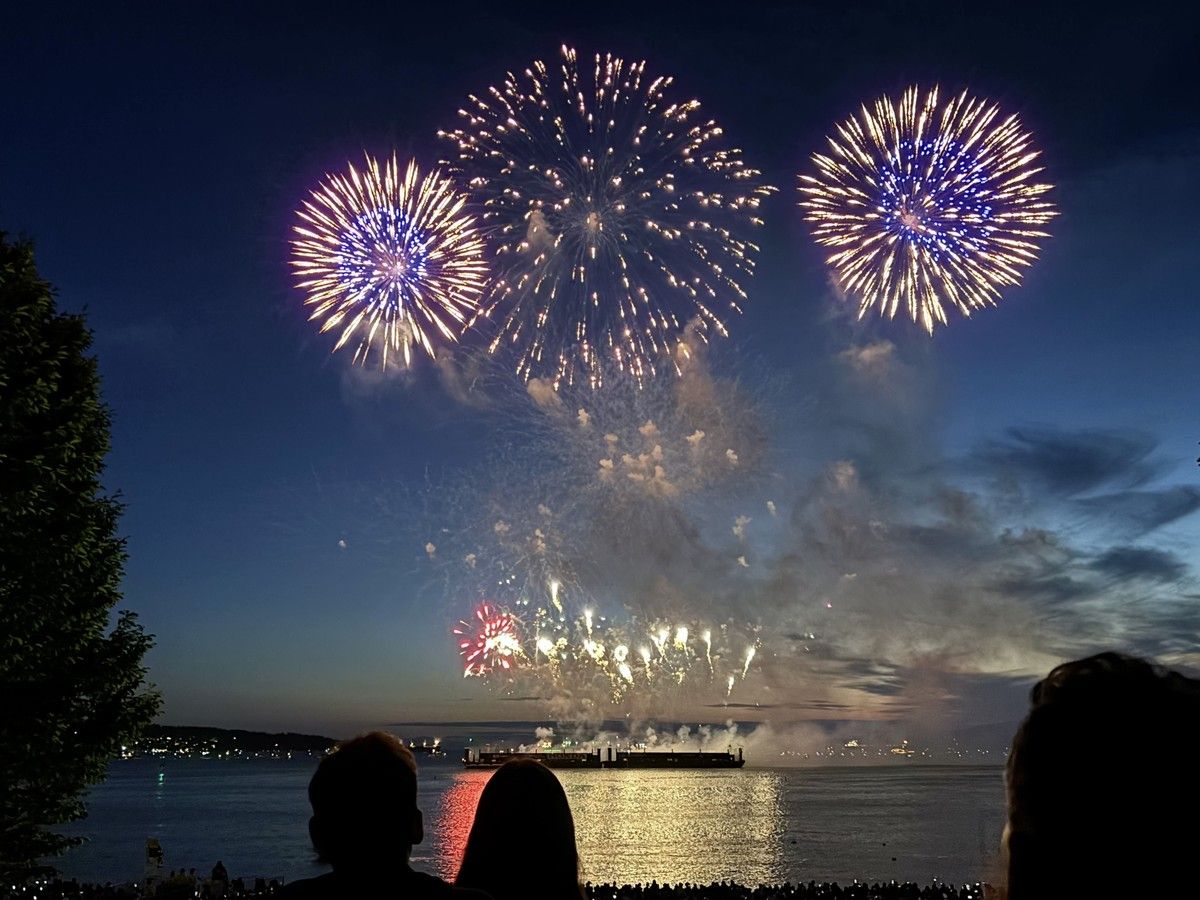
For nearly two decades, a 20-block stretch of Main Street in Vancouver has been closed to vehicle traffic one weekend every summer and burst to life with pedestrians — families weaving among food stalls, bands playing on makeshift stages and small businesses spilling onto the pavement.
Car Free Day was a hallmark of the city’s summer festival season.
This year, it won’t take place.
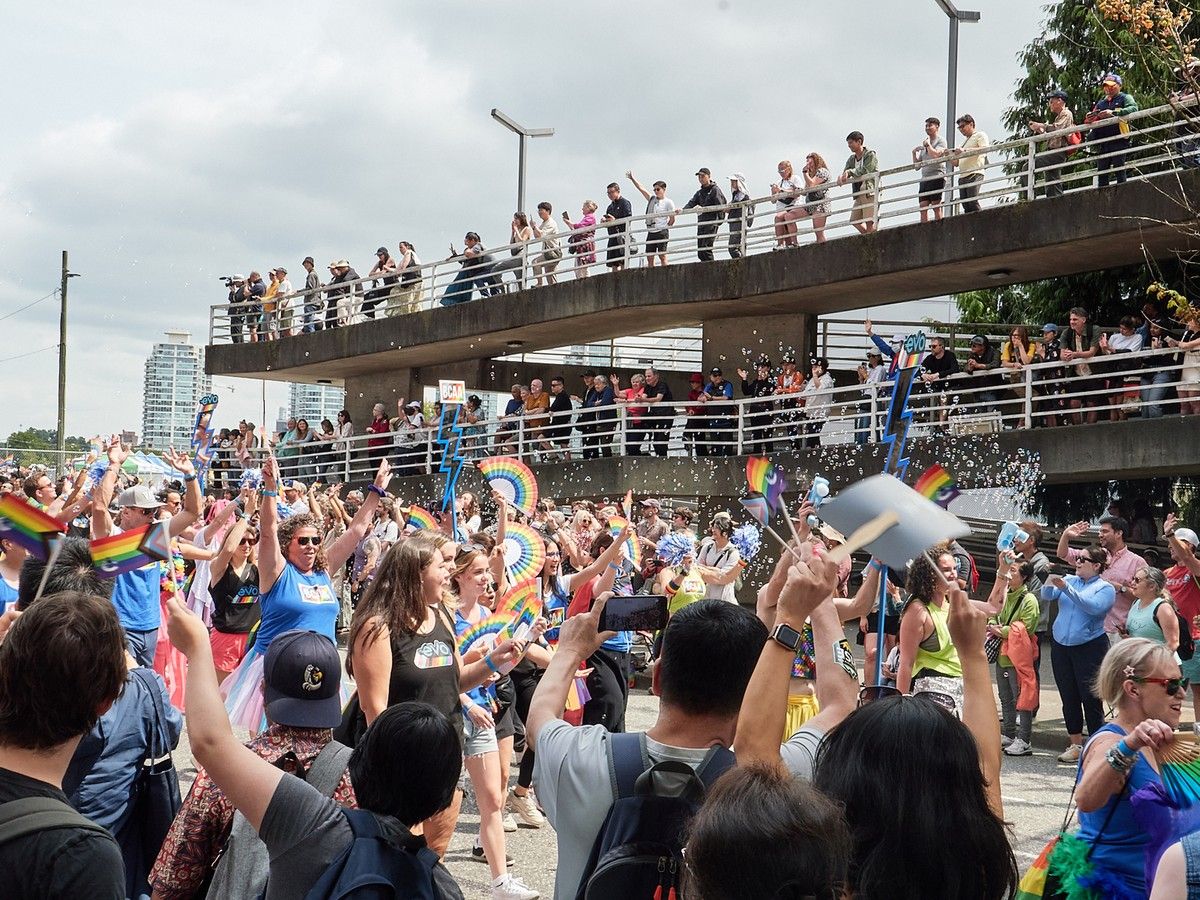
From fireworks lighting up English Bay to thousands lining downtown streets for the annual Pride parade, a growing number of Vancouver festivals have been cancelled, postponed or left in limbo.
Organizers point to the same reasons for why these signature events are at risk — rising costs, shrinking corporate sponsorships and shifting public-funding priorities.
Car Free Day organizers recently announced the cancellation of its 2026 street parties.
“Rising operational costs, changes to grant funding and operational support, have moved us into an uncertain place, where the risk of proceeding at this time is too high to mitigate,” the society said in a statement.
Created in 2005 on Commercial Drive as a volunteer-led protest against highway expansion, Car Free Day blossomed into a series of major, non-profit festivals across Vancouver, including on Main and Denman streets.
Vancouver councillors Lucy Maloney and Sean Orr recently introduced a motion seeking $30,000 in city funding to cover the shortfall, with council expected to vote on Tuesday.
Some question whether last-minute rescues are the answer.

“It’s a shame that so many of Vancouver’s largest and longest-running events get cancelled before their value is recognized and people step in to save them,” said Jane McFadden, executive director of the Kitsilano West 4th Avenue Business Association, organizer of the annual Khatsahlano Street Party. “Event organizers want the funding support before having to be rescued.”
Late last year it was announced that the annual Celebration of Light, the three-day summer fireworks competition that typically draws more than 1.5 million visitors and pumps an estimated $40 million into B.C.’s economy, was cancelled indefinitely.
Despite its size and popularity, the $3 million event struggled to survive. Federal support fell from $450,000 in 2023 to $250,000 in 2024, and was eliminated for 2026, while provincial funding dropped from $250,000 to $100,000. Corporate sponsors also waned, according to organizers.
At the same time, the cost of labour and suppliers for the Vancouver Fireworks Festival Society’s event soared, with its budget rising roughly $700,000 over four years. In an attempt to revive the celebration, Vancouver city council recently approved $2 million to fund a single night of fireworks in August.
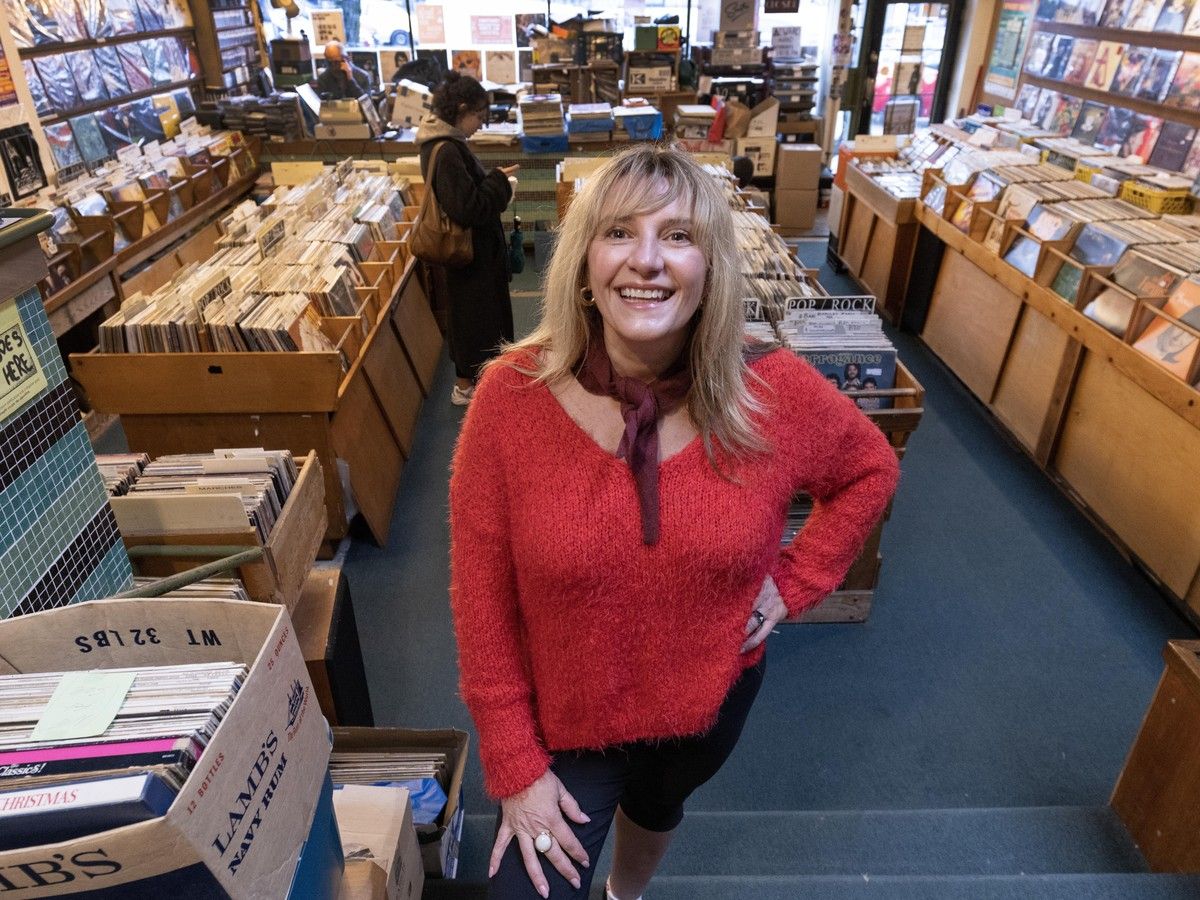
Most of the city’s major festivals are run by non-profits with volunteer boards and small staff teams, said Cassandra Zerebeski, policy director of the Tourism Industry Association of B.C. Unless they operate a profitable business arm, they rely heavily on an unpredictable patchwork of corporate sponsorships, government grants and a large group of volunteers.
“Securing consistent funding for long-term festival events has been an ongoing concern for many years,” Zerebeski said, noting many operate on shoestring budgets. Organizers are also contending with an aging volunteer base.
Zerebeski said that while such events generate significant economic benefits — drawing in visitors who stay longer and spend locally — organizers rarely see a financial return.
“They become like community gifts.”
In recent years, the tourism industry has been exploring ways to create more stable revenue streams for events, Zerebeski said, pointing to the temporary 2.5 per cent hotel tax the City of Vancouver introduced to help cover costs of the World Cup.
A similar model could be established to fund local festivals, she said.
Ideally, Zerebeski said, local governments would co-invest in community festivals alongside corporate sponsors and provincial funding, helping reduce reliance on unpredictable revenue streams.
More than two dozen festival and event organizers across B.C. urged the province last month to restore a key funding program they say helped keep community events afloat. In an open letter to Premier David Eby and Anne Kang, the minister of tourism, arts, culture and sport, organizers called for the renewal of the B.C. fairs, festivals and events fund or the creation of something comparable.
Introduced in 2021 to help events restart after COVID-19 restrictions, the fund hasn’t been renewed since the last application process closed in 2024. It covered up to 20 per cent of an event’s total budget, to a maximum of $250,000, with organizations hosting several events eligible for up to $500,000. Last year, the program distributed $20 million.
“Cancellations, postponements and cheap downsized versions of what once were thriving, impactful events in communities all across B.C. will be the result if action is not taken now,” the letter states.
Zerebeski said another challenge is the timing of government grants, with organizers frequently learning whether they will receive support after planning has already begun. Instead, she said, multi-year provincial funding commitments could provide much-needed stability.
“A two- to three-year seed fund would really help these organizations,” she said. “Otherwise, it’s very much a wait-and-see.”
Vancouver’s Pride parade nearly didn’t happen in 2026. It’s a situation all too familiar for the non-profit Vancouver Pride Society as it waits on grant approvals for this year’s festival, said John Boychuk, co-chairman of the society.
“We apply for around 30 grants across city, provincial and federal programs and get an average of 20 to 22 approved each year,” Boychuk said. “Sometimes we don’t hear back until the month before the event.”
Last year’s downtown parade and festival drew nearly 250,000 spectators, but both public funding and corporate sponsorships have declined.
“Everything has dropped,” Boychuk said.
Six major sponsors, including Walmart, withdrew support in 2025, cutting about $400,000 from the festival’s usual $900,000 in commercial sponsorship revenue.
University of B.C. marketing professor Tim Silk said shrinking corporate sponsorships for public festivals are largely tied to economic pressures.
“When sales are down, companies tighten marketing budgets,” Silk said. “If it’s hard to measure whether sponsoring an event actually drives revenue, many just pull back.”
He added large public events can be less appealing to sponsors because it’s harder to target a company’s core audience: “Why spend a lot of money on an event for thousands of people who might not even be your customers?”
Timing and visibility also play a role, Silk said.
“If it’s a long-standing tradition, sponsors can blend into the background. But if you step in at the last minute, you often get more appreciation.”
He said private funders who genuinely believe in a cause will usually continue to provide support, while corporations focused purely on marketing returns tend to drift away.
“These days, sponsorship strategies favour smaller, targeted events over large, broad public festivals.”
This year, the Pride society has adjusted, relying more on volunteers and fewer staff.
“Normally, we’d have six staff on a part- or full-time basis. Right now we have two,” Boychuk said. “This year’s Pride events might be a little smaller, maybe fewer. But that’s just what you have to do these days.”
Boychuk said the festival continues to pursue sponsorships year-round, offering companies marketing opportunities or product launches during events.
He said in-kind support from the city — similar to the model used for civic events such as the Celebration of Light, where policing, garbage collection and park rental costs are covered — could help ensure the long-term sustainability of Pride events.
“If the city co-invested like that, it would save us $30,000 to $50,000 a year, letting us reinvest into festival programming enjoyed by hundreds of thousands each summer.”
Organizers of the Khatsahlano party are also calling on the city to cover essential municipal services.
In a statement, the city said community events such as Car Free Day Vancouver, the Vancouver Pride Parade and the Khatsahlano Street Party are an important part of the city’s cultural life, but acknowledged that free, public events face financial pressures because they can’t offset costs through ticket sales.
The city’s primary source of support is the FestShare program, which has provided in-kind assistance to free events on city streets, sidewalks or plazas since 2019 by offsetting portions of municipal operational costs.
Both the Pride and Khatsahlano festivals qualify for FestShare, which can cover up to 75 per cent of city operational costs, to a maximum of $75,000. But even with the program, organizers say they’re often left with a sizable and uncertain municipal bill once the festivals conclude.
“It’s like a blind man playing poker. At the end of the day, when you see that bill, you ask yourself: ‘Did we come out ahead or did we lose?’ ” Boychuk said.
The city added it continues to look for ways to support public events, including “providing space, permitting, grant funding and working with partners to ensure events are safe.”
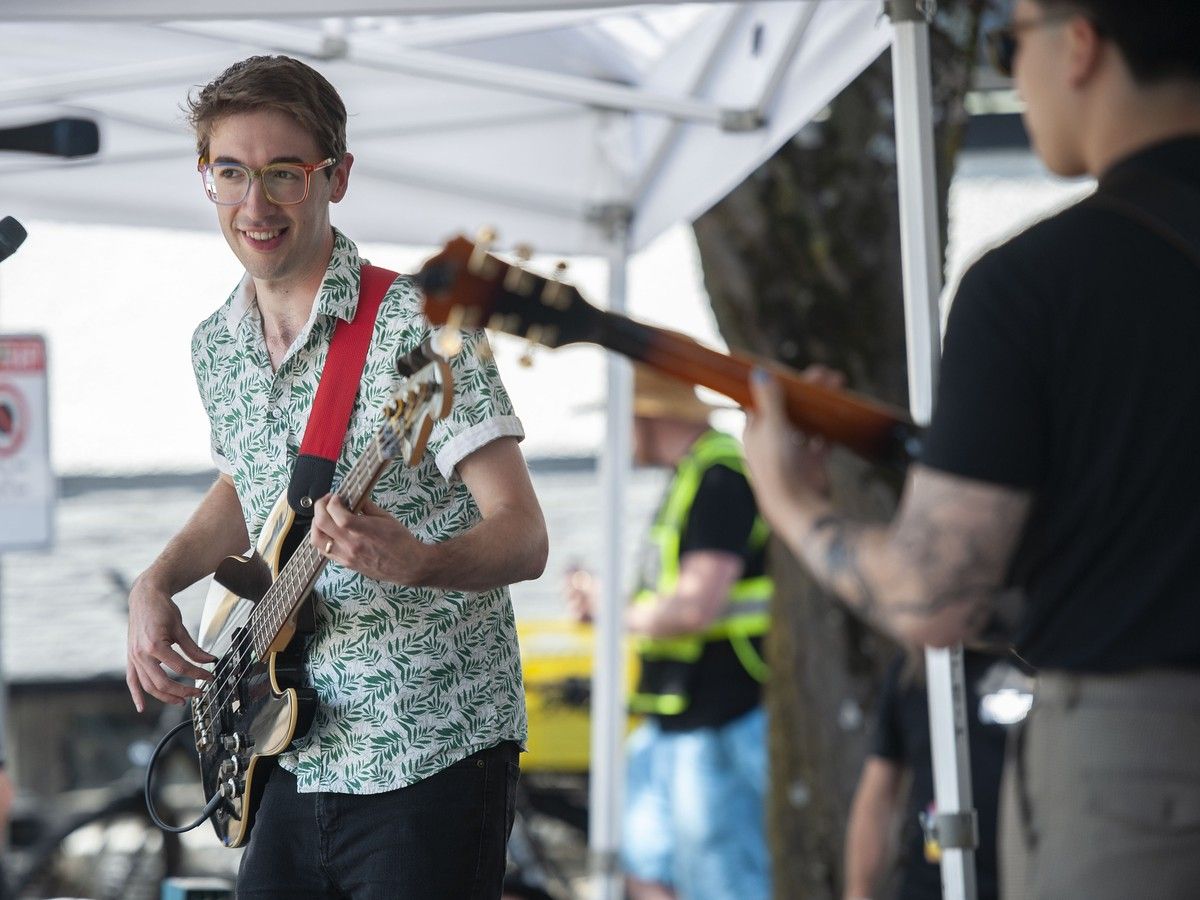
The Khatsahlano party, a one-day event with about 200 volunteers, continues to grow in popularity. Last year, more than 200,000 visitors lined West 4th Avenue for live music, vendor booths, food trucks and beer gardens.
But McFadden said the festival’s goal each year remains simply to break even financially.
“Khatsahlano gets bigger every year, with more local bands and stages, which means more porta-potty rentals. But it all adds up.”
Staging the 10-block festival costs about $450,000. McFadden said the festival secured a few government grants from Creative B.C. this year but sustainability relies heavily on corporate partnerships with the TD Bank Group, ThirdSpace and Arc’teryx.
“We’d like to see more consistent provincial support,” McFadden said.
Vancouver’s cancelled festivals of 2025-26
• Vancouver Mural Festival — cancelled permanently in 2025 due to lack of funds
• Honda Celebration of Light — cancelled indefinitely due to lack of funds
• Car Free Days (Main Street, Commercial Drive and Denman Street) — cancelled for 2026 due to lack of funds
• African Descent Festival — cancelled in 2025 due to permit issues
• CelticFest Vancouver — scaled back in 2025 due to lack of funds
• Concord Pacific Dragon Boat Festival — postponed due to overlap with 2026 World Cup