 BURST
BURST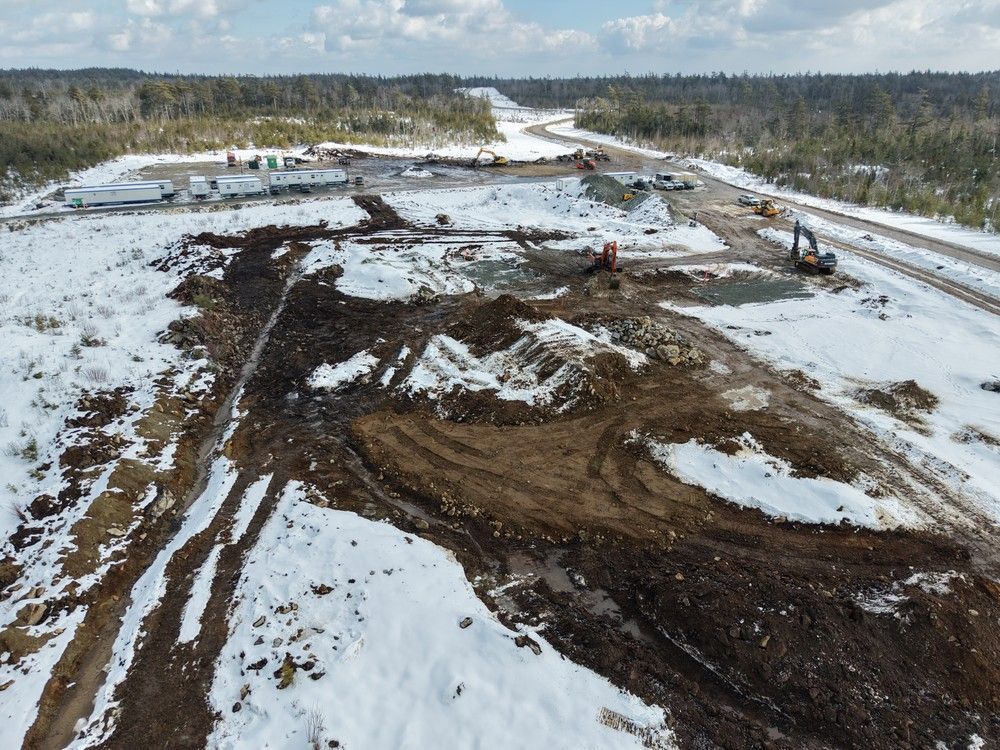
The company selling electricity from a Queens County wind farm that’s getting $231 million in federal funding is primarily owned by family members of former Liberal MPs.
Roswall Development Inc., which owns the company that will be selling electricity from Mersey River Wind directly to consumers (Renewall Energy), is owned by the brothers of two former Liberal MPs, the son-in-law of another, former provincial interim Liberal leader Michel Samson, and international infrastructure fund Slate Asset Management.
The Registry of Joint Stock Companies lists Roswall Development directors as:
- Chair Michel Samson, the Cape Breton-Richmond MLA until 2017 and former interim leader of the Nova Scotia Liberal Party
- Edgar Samson, the owner of Premium Seafoods and brother of Darrel Samson, who was Liberal MP for Sackville-Preston-Chezzetcook until 2025
- Mitchell Brison, Brison Developments owner/founder and brother of Scott Brison, who served as president of the Treasury Board and Liberal MP for Kings-Hants until 2018
- President Dan Roscoe, founder of Renewall and son-in-law of David Dingwall, who served as Liberal MP for Cape Breton-East Richmond until 1997 and who held federal cabinet positions
- David Howell, chief financial officer for Brison Developments
- Scott Rodgers and Ramsey Ali of Slate Asset Management
A big monetary infusion blows east
The Mersey River Wind Farm got a big shot in the arm last week during an announcement in Hunts Point by federal Minister of Energy and Natural Resource Tim Hodgson, Minister of Housing and Infrastructure Gregor Robertson, Canada Infrastructure Bank CEO Ehren Cory and Premier Tim Houston.
The project will get a $206-million loan from the Canada Infrastructure Bank, $25 million from Natural Resources Canada and a federal Clean Technology Tax Credit worth up to $122.5 million.
The Canada Infrastructure Bank, a Crown corporation, refused to provide the interest rate or terms of its loan.
In a written statement, Natural Resources Canada said its $25 million is “a conditionally repayable contribution agreement where funding would be repayable based on profits generated from the project within the first five years of operation.“
Samson: ‘Politics had nothing to do with this’
Former Conservative South Shore-St. Margarets MP Rick Perkins is crying foul.
“Why does a company that is getting the ability to write off 130 per cent of its capital expenditures through tax credits need a below-market-interest loan of $206 million when that is easily financeable through the private sector?” asked Perkins.
“I don’t blame the Liberals that run this company for going to the trough and getting below-market-interest rates from the federal government, I just don’t know why the feds need to do that.”
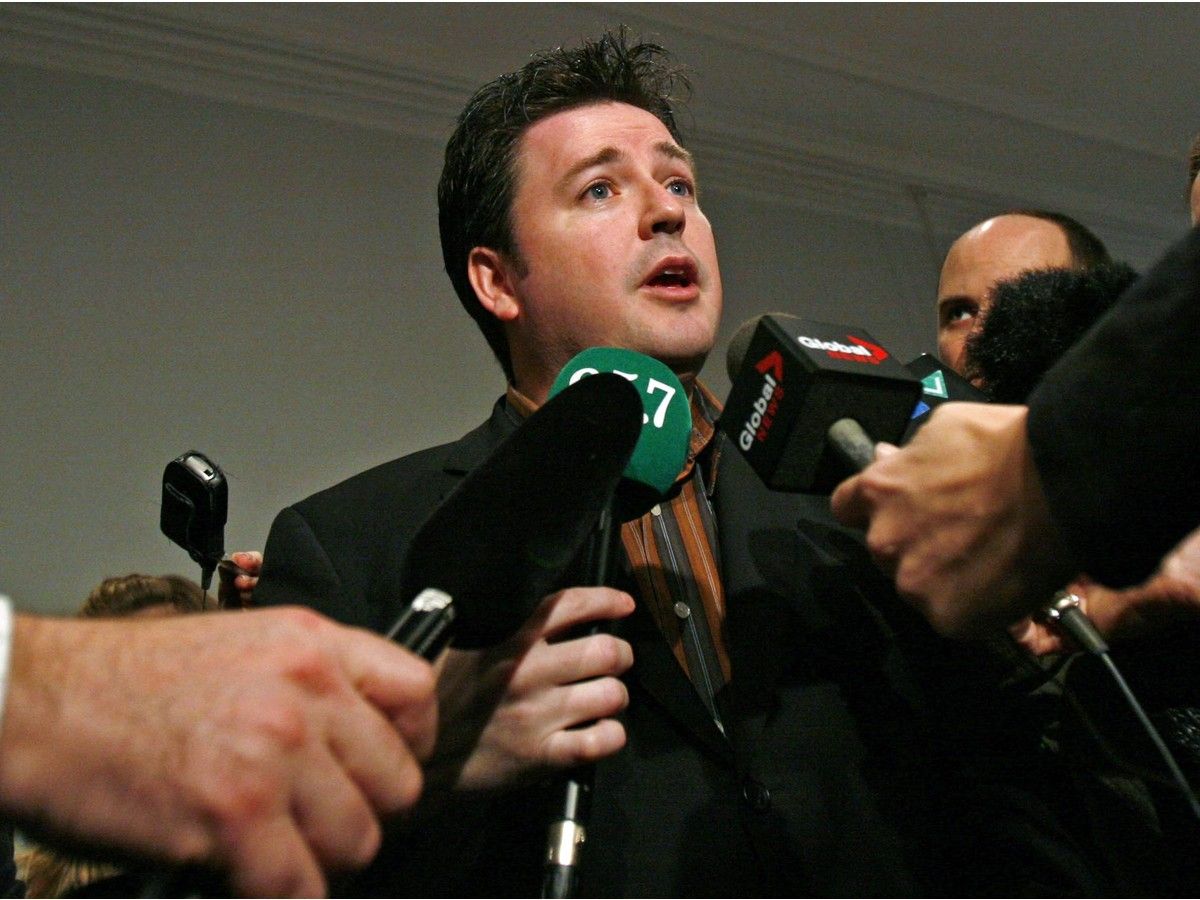
Michel Samson confirmed that the listed directors are the owners of privately held Roswall and Renewall and that the CIB loan is at below-market rates but told The Chronicle Herald that no political influence was used with the Liberal government to get the support.
“Absolutely not. (Politics) had nothing to do with that,” said Samson.
“These are applications for a wind farm that are in line with funding that’s been provided to Nova Scotia Power for their battery project, funding that’s been provided for the intertie (to the New Brunswick grid). As far as funding being made available, I would suggest that is in line with similar renewable projects in the province and politics had nothing to do with this.”
Samson also took issue with the characterization of Roswall’s board as family members of Liberal politicians.
“Edgar Samson is owner and founder of Premium Seafoods Group, which has celebrated 40 years in existence as a seafood processor and buyer in Isle Madame. I think it would be disingenuous to suggest that Edgar, based on his business experience and background, is simply there because he happens to be related to someone who served in office,” said Samson.
Related
“I would make the same argument for Mitch Brison, who owns Brison Developments, which is one of the largest civil and housing construction companies in the Annapolis Valley.”
Samson noted that company president Roscoe is an electrical engineer who has worked on creating a green energy competitor of Nova Scotia Power for over a decade.
“Dan, at the announcement, was recognized as a leader in the renewable energy field and has been at this for most of his life,” said Samson.
“Who he might be related to, I think, is not relevant to the fact of the experience he has built and the knowledge he has built and he’s one of the few people with the type of knowledge necessary for the electrical needs and transmission system.”
When it was noted that all these people just happened to have similar political connections, Samson responded, “It’s a small place.”
Power details and Renewable to Retail program
Natural Resources Canada said in a written response to questions that the Mersey River Wind Project was “evaluated by an interdisciplinary panel of experts to ensure the project met the requirements of the (funding) program.”
Renewall is the only company to apply for and be approved under the Renewable to Retail program set up by the province a decade ago. Renewall was approved as a utility that will sell green electricity directly to customers using Nova Scotia Power’s grid. The power will come from Mersey River Wind’s 33 turbines that have a capacity to generate up to 148.5 megawatts of power.
Those choosing to buy power from Renewall will still pay Nova Scotia Power’s base load charge, the same as that charged to all its customers, plus a tariff for the cost of transmitting the electricity. Renewall claims to have signed contracts with 32 commercial/industrial buyers of electricity, including Halifax Regional Municipality, which has signed on for 33,000 megawatt hours (about 45 per cent of its corporate demand).
While the company is advertising for residential customers, it doesn’t provide prices on its website.
Roscoe said at the news conference last week that rates would be competitive with those charged by Nova Scotia Power.
“(The project) will offer Nova Scotians choice in where they buy their power,” said Houston at the announcement of funding for the project on Thursday in Hunts Point, Queens County.
“It is competition being added to our province.”
Mersey River Wind’s turbines will be built on former Bowater-Mersey land leased from the province. The first turbines are anticipated to be spinning by the end of this year, with the rest coming online over the next two years.
Perkins called the Renewable to Retail program a “great idea” and said he supports the concept of creating competition with Nova Scotia Power but cautioned that the federal government has been choosing winners and losers in Queens County.
“So Domtar (formerly Paper Excellence Canada) were working on a feasibility study for the first new kraft pulp mill in Canada in 40 years in the same county this wind farm is going, it would have been a $3-billion investment in Queens County,” said Perkins of a project that was ultimately dropped last year by the proponent.
“In order to make their project work, they were looking for a $1-billion loan from the Canada Infrastructure Bank. That’s a project that would have had a much bigger impact, not just for Nova Scotia but for Canada. But they were turned down. Maybe they just needed more Liberals on the board.”