 BURST
BURST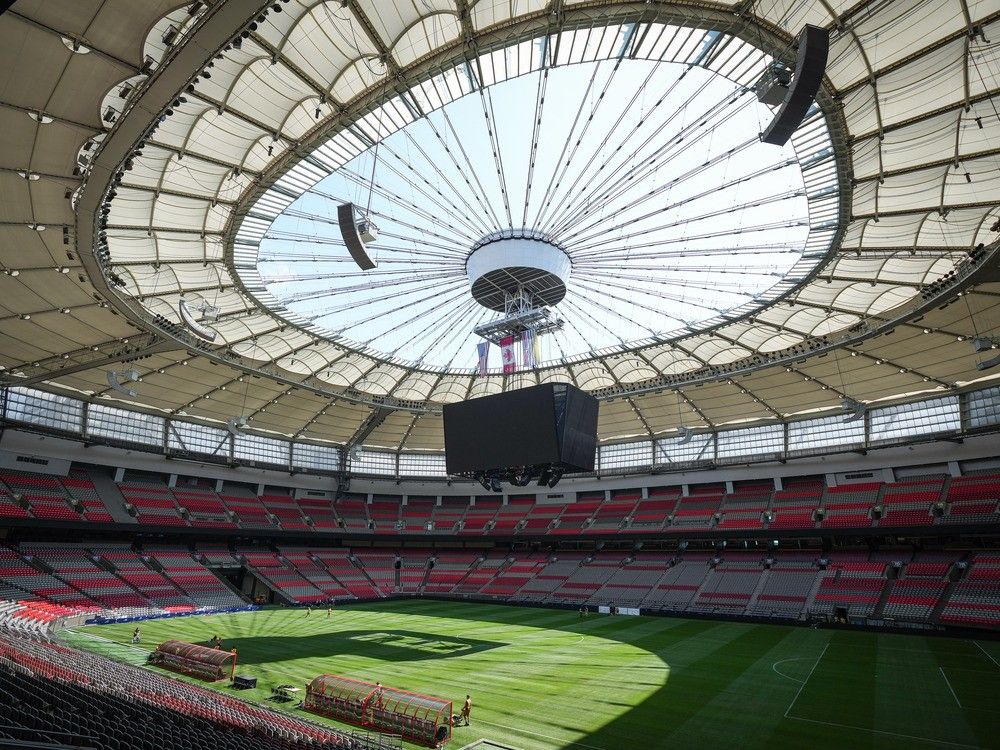
With just four months until hundreds of thousands of visitors arrive for the 2026 World Cup, community members and legal advocates in Chinatown and the Downtown Eastside say Vancouver’s draft Human Rights Action Plan falls short of protecting the city’s homeless and precariously housed residents.
“There are immediate things the city can do to help, and it’s not doing them,” said Jerome Igbokwe, a lawyer with the B.C. Civil Liberties Association. “We expected a coherent plan showing how Vancouver would reduce potential harms from the World Cup, not a list of services the city already provides.”
Igbokwe is part of a coalition of about 20 downtown organizations that are warning that the city has not adequately addressed the human rights impacts tied to a potential displacement of unhoused people , as Vancouver prepares to host seven matches at B.C. Place between June 11 and July 19. Many residents live or take shelter within the two-kilometre “beautification” zone around the stadium, required under FIFA’s host city agreement.
“Beautification for the FIFA World Cup has historically meant the displacement of persons who do not fit with the image of the tournament,” Igbokwe said.
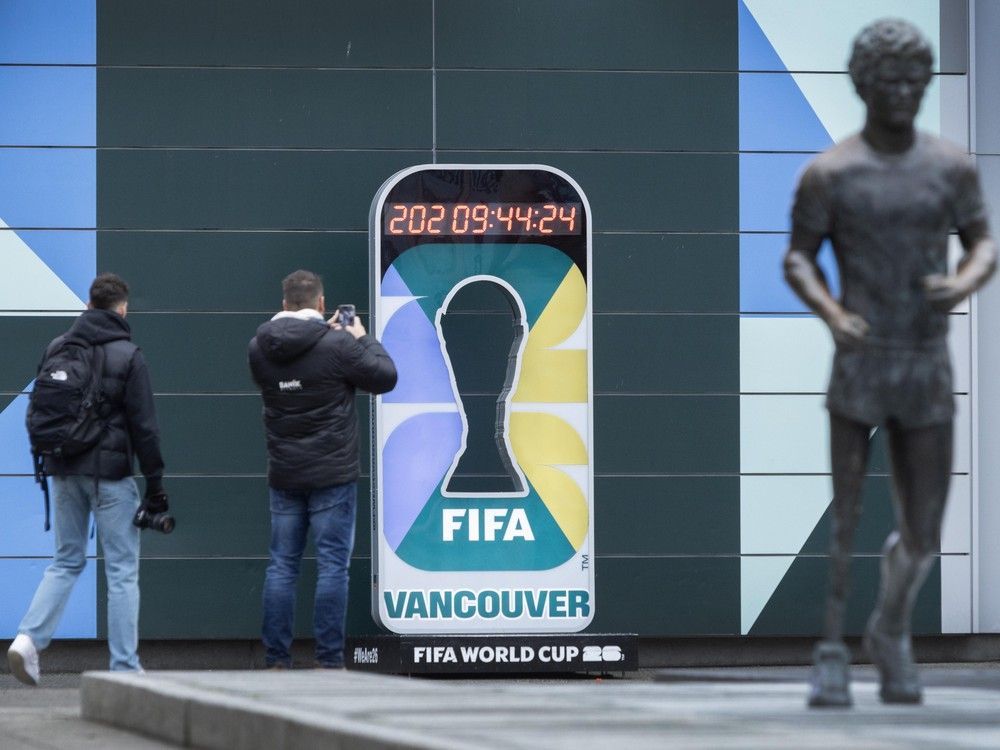
The city’s 57-page draft, released last week by the FIFA Host City Committee, is meant to meet FIFA’s human rights standards for the 2026 tournament. Those standards were strengthened after the 2022 World Cup in Qatar faced global criticism over alleged labour abuses and other rights violations. The framework requires host cities to identify potential risks to marginalized groups — including unhoused residents, workers, and people with disabilities — and outline steps to prevent or mitigate them.
FIFA requires each city’s action plan to outline steps to “prevent and mitigate the displacement of unsheltered populations” in connection with hosting the World Cup.
Vancouver’s draft plan says it applies to official venues and surrounding areas, including the FIFA Fan Festival at Hastings Park, training sites at Killarney Park and the National Soccer Development Centre, B.C. Place stadium and its security perimeter, and Vancouver International Airport.
It relies mostly on existing city policies and provincial and federal legislation, rather than introducing new protections or measures for the World Cup.
Within the Downtown Eastside, the city says it “undertook and continues to facilitate focused conversations with key service organizations within these neighbourhoods to speak to these concerns, and will ensure there is communication with the community and public that addresses the potential impacts.”
The city’s draft plan says people will still be allowed to set up temporary overnight shelters in parks, although daytime sheltering will remain off-limits. It says the daily management of public spaces by bylaw enforcement will “ensure that parks remain usable by the whole community during the daytime and sidewalks remain safe, clean and accessible.”
But legal advocates say the draft plan falls short.
Laura Macintyre, a lawyer at Pivot Legal Society, said the plan “does only half its job,” pointing to legal gaps around displacement, access to remedies and tenant protections.
The city says that within the stadium and fanzone at the PNE, FIFA’s own human rights reporting system is in place. For violations that occur outside these designated areas, the current draft action plan directs people to 311 services.
It says subsequent human rights complaints can be filed with the B.C. Human Rights Tribunal, where Macintyre says wait times can stretch for years. Someone experiencing FIFA-related harms in the summer of 2026 might not see a resolution until 2028 or 2029.
She said current tenant recourse processes mentioned in the plan, such as the city’s Tenant Protection and Relocation Policy, provide little immediate help for displaced residents.
“They will not offer adequate real-time support for relocating, compensating and otherwise supporting tenants who are evicted , including because their landlords wish to rent out their units for short-term visitor surge accommodations.”
Macintyre says one practical step the city could take is to open accessible, air-conditioned daytime respite centres for unhoused people during the major sporting event.
She argues that without designated daytime drop-in spaces, people experiencing homelessness might bear the brunt of efforts to manage public space during the World Cup.
Residents in the Downtown Eastside previously told Postmedia that they fear a repeat of what they say happened during the 2010 Olympics, when unhoused residents were pushed out of key areas by bylaw officers and police, ordering them to move along for reasons of safety or security.
The final draft of the city’s Human Rights Action Plan will be released in May.
Macintyre and Igbokwe remain skeptical that the draft will be revised in time to include adequate protections.
“At this point, communities are preparing to scale up their own peer support and mutual aid networks, because the answers are coming from within our own neighbourhoods,” said Macintyre.
The city’s draft plan says it plans to “build on the preliminary priority actions established in the first draft by providing further operational details, taking additional community feedback and consultation into account.”