 BURST
BURST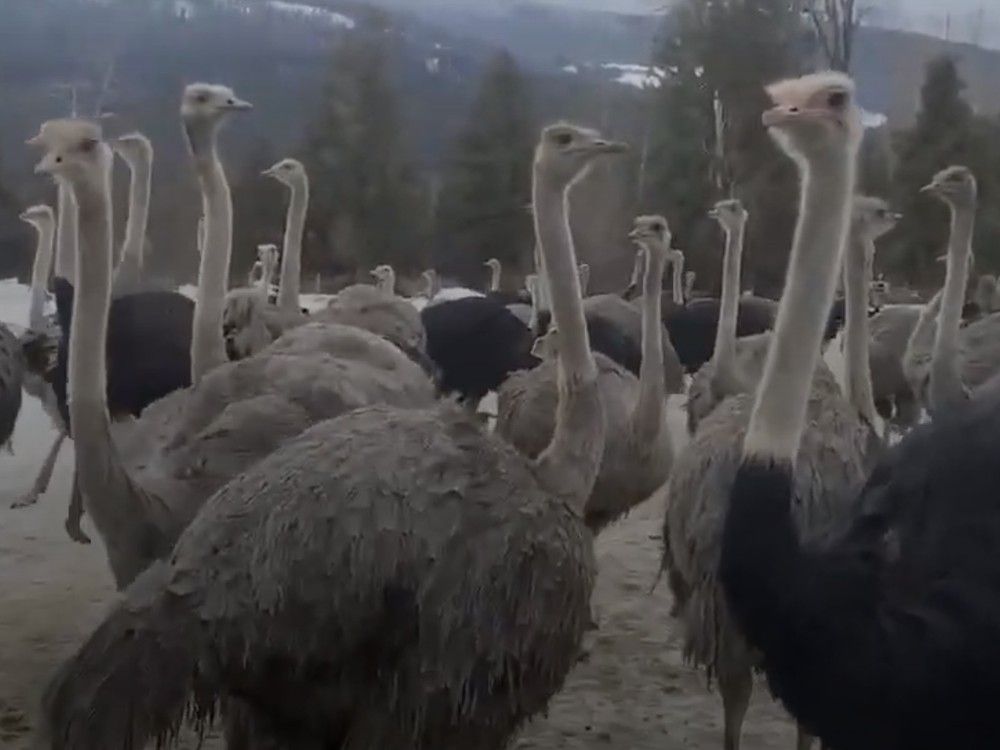
The Canada Agricultural Review Tribunal has upheld a $10,000 fine against Univeral Ostrich Farms for failing to report its avian flu outbreak.
The penalty was imposed by the Canadian Food Inspection Agency after it said the farm violated its rules when avian influenza broke out on the farm in Edgewood, B.C., in late 2024. It was not reported to the nearest veterinary inspector for nearly three weeks, despite the virus killing 69 birds in the flock.
CFIA veterinarians only became aware of the outbreak after getting an anonymous call to a “sick bird line” on Dec. 28, 2024.
H5N1, commonly referred to as avian flu, is a reportable disease because of the risk it poses to the health of both animals and humans.
The battle between Universal and the CFIA became a media and social media sensation throughout 2025, as the farm’s owners fought to overturn an order to kill the remaining flock of about 300 ostriches.
After several failed appeals, the cull went ahead in November 2025. The birds were shot by professional marksmen, with the CFIA calling it the most humane option.
The review panel’s decision was made on Dec. 11, 2025, after multiple attempts to contact Universal’s lawyers went unanswered in the weeks before the hearing.
One study relied upon in the decision noted that young ostriches show symptoms of bird flu ranging from sleepiness, lack of coordination and head and neck tremors, to bloody feces and bright green urine. But adult ostriches do not exhibit any clinical signs if they’re also infected.
A CFIA veterinarian interviewed shortly after the outbreak was reported said the owners, Dave Bilinski and Karen Espersen, “noticed that some of the birds had watery eyes, were staying away from the rest of the flock, were lethargic and depressed” in the second week of December. However, Bilinski told the vet that the older birds were asymptomatic and that there was “higher mortality” among the birds under a year old.
Bilinski also claimed not to think it was avian flu because he had seen similar symptoms in the flock from an infection called “pseudomonas” in 2020.
But the tribunal’s decision-maker, Emily Crocco, said Bilinski should have known that lethargy and depression, watery eyes and the fact some birds were laying in water, all of which he had noticed, were symptoms of avian influenza in ostriches.
Crocco also said Bilinski’s attempts to contact a veterinarian over the Christmas holidays were not a sufficient effort to find out if the farm had a bird flu outbreak, because the Health of Animals Act requires that a veterinary inspector be called. None of the vets that were called were qualified as inspectors, said Crocco.
Also, the reporting is supposed to be immediate. “Instead, the first call was made in the third week of December, weeks after the birds became sick,” said the decision.
Crocco also ruled that the size of the monetary penalty, $10,000, was calculated correctly, as that is the base amount for a “very serious violation” and that the lack of reporting risked “serious or widespread harm to human, animal or plant health or the environment.”
In 1997, a strain of H5N1 in Southeast Asia was transmitted from poultry to humans in Hong Kong, leading to six deaths.